
Overview:
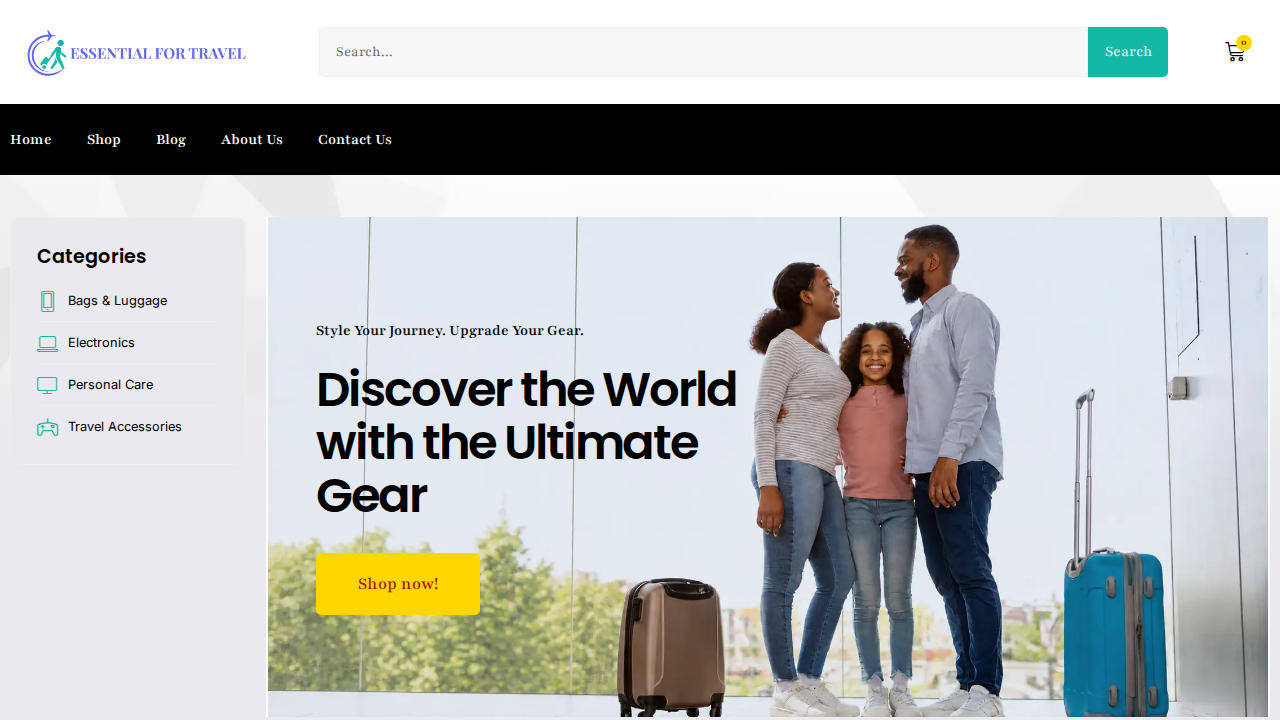
On 09/26/26 essentialfortravel.com scored 55% — **Fair** – Overall, the site has a workable foundation for AI visibility, but some important context signals still feel a bit thin and inconsistent.
Executive summary
Score Breakdown (High Level)
- Discoverability: 100% - The site’s discoverability is in great shape overall, though we weren't able to find dedicated sitemaps for images or video content.
- Structured Data: 33% - The site has a clean technical implementation for its existing schema, but it's missing key organization types and resource-level data to fully support search engine understanding.
- AI Readiness: 67% - The technical foundation for AI crawling and sitemaps is solid, though the brand is currently missing a structured presence in the Wikidata knowledge graph.
- Performance: 50% - Mobile performance is generally stable and responsive, but the initial page load for the main content is extremely slow at over 17 seconds.
- Reputation: 88% - The site maintains a strong and consistent brand identity with verified social links and positive recognition across AI models, though it lacks a Wikidata presence.
- LLM-Ready Content: 4% - The page currently lacks the traditional article structure, authorship details, and descriptive subheadings that help AI systems parse and trust content effectively.

What stands out most overall
The big picture is that a few core signals AI engines lean on for confidence are coming through incomplete, even when the site otherwise looks established. Most of the gaps are less about “errors” and more about clarity—who the brand is, who created the content, how current it is, and how quickly the page reveals its main message. The next section breaks down the specific areas where those signals didn’t show up as expected, organized by category so it’s easy to scan. None of this is unusual, and it’s the kind of cleanup that tends to make AI visibility feel more consistent once it’s addressed.
Detailed Report
Discoverability
❌ Media discovery support not found
What we saw
We didn’t find an image sitemap or video sitemap in the available site data. That means your media content doesn’t have a dedicated pathway to be surfaced as reliably.
Why this matters for AI SEO
Generative engines often pull in product visuals and rich media context when it’s clearly discoverable and well-organized. When media is harder to inventory, it can reduce how often visuals support AI-generated summaries and recommendations.
Next step
Publish an image sitemap and/or video sitemap that lists your key media URLs.
Structured Data
❌ Brand is not described as an organization
What we saw
The homepage uses a Person type to represent the brand, and we didn’t see an organization-type entity describing the business itself. This can make the brand identity feel ambiguous to engines that expect a company entity.
Why this matters for AI SEO
AI systems rely on clear entity definitions to connect your site to the right “who/what” behind it. If the business is framed like an individual, it can weaken confidence in brand-level facts and associations.
Next step
Update the homepage structured data so the brand is represented with an organization-type entity that matches your business.
❌ Blog/resource page structured data couldn’t be evaluated
What we saw
The blog/resource page HTML wasn’t available in the review packet, so we couldn’t confirm whether that page includes structured data. As a result, that part of the site’s content context is effectively “unknown” from this snapshot.
Why this matters for AI SEO
When resource content isn’t clearly labeled, AI engines have a harder time understanding what the page is, what it covers, and how trustworthy or current it is. That can limit how often it’s used as a reference.
Next step
Make sure a representative blog/resource URL is included in the next review so its structured data can be validated.
❌ Resource author details couldn’t be confirmed
What we saw
Because the resource/blog HTML wasn’t provided, we couldn’t verify whether posts show a clear, non-generic author. From this evaluation snapshot, authorship signals on resource content are not verifiable.
Why this matters for AI SEO
AI engines look for “who wrote this” as part of trust and attribution. When author information isn’t clear or can’t be confirmed, it can reduce confidence in quoting or summarizing that content.
Next step
Ensure blog/resource posts display a real author (not just a brand name) and include that page in the next evaluation.
❌ Author identity links weren’t verified
What we saw
We couldn’t confirm whether author details include connected identity links (like consistent profile references), since the resource/blog HTML wasn’t included. That leaves author identity unanchored in this review.
Why this matters for AI SEO
When author identities are connected across the web, it’s easier for AI systems to trust and attribute expertise. Missing or unverifiable identity linking can weaken author credibility signals.
Next step
Add consistent identity links for authors on resource content and include a resource page in the next review.
AI Readiness
❌ No Wikidata entity found for the brand
What we saw
We didn’t find a Wikidata item ID associated with the brand in the evaluation data. That suggests there isn’t a clear knowledge-graph anchor available from this snapshot.
Why this matters for AI SEO
Generative engines often use knowledge graph sources to validate brand identity and reduce ambiguity. Without that anchor, it can be harder for AI to confidently connect your brand to consistent facts and official references.
Next step
Create and/or claim a Wikidata entry for the brand and connect it to your official site and profiles.
Performance
❌ Main content appears very late on first load
What we saw
The page’s largest main content element takes over 17 seconds to fully appear. That’s a noticeable delay in the user’s first impression of the page.
Why this matters for AI SEO
Slow initial rendering can reduce how consistently pages get crawled, engaged with, and referenced—especially when AI systems are trying to quickly extract and summarize key information. It can also make the page feel less reliable at a glance.
Next step
Reduce the time it takes for the primary page content to render on initial load.
Reputation and Brand Trust
❌ Wikidata match to the brand wasn’t confirmed
What we saw
The evaluation data did not include a matching Wikidata item ID or match status for the brand. From this review, there isn’t a confirmed Wikidata entity tied to your identity.
Why this matters for AI SEO
Wikidata can act like a neutral “source of truth” that helps AI systems reconcile names, domains, and brand references. When it’s missing, identity confidence can depend more heavily on scattered signals.
Next step
Establish a Wikidata entry for the brand and ensure it clearly matches your official brand name and domain.
❌ Official identity anchors in Wikidata weren’t present
What we saw
The fields needed to confirm official identity anchors in Wikidata (like official site/profile references) were missing from the evaluation data. As a result, this trust anchor wasn’t verified.
Why this matters for AI SEO
When official identity anchors are clearly connected, AI systems can more confidently attribute social profiles, brand mentions, and citations to the correct entity. Without that, ambiguity can creep into AI summaries.
Next step
Make sure the brand’s Wikidata entry includes verified official links that point to your real site and major profiles.
LLM-Ready Content (Blog Analysis)
Heads up: this section looks at one article as a snapshot, so it’s a little more interpretive than the rest of the report and may shift slightly from run to run. Have questions? Just shoot us an email at hello@v9digital.com
❌ No clear, non-generic author
What we saw
The page attributes authorship to the brand rather than a specific individual. There isn’t a clear personal byline signal for readers (or AI systems) to latch onto.
Why this matters for AI SEO
AI summaries and citations tend to be more confident when authorship is explicit and attributable. Generic authorship can make the content feel less verifiable.
Next step
Add a clear author name that represents a real person responsible for the content.
❌ No visible publish or updated date
What we saw
We didn’t find an explicit publication date or last-updated date in the visible content or supporting page data. That makes it hard to tell how current the information is.
Why this matters for AI SEO
Recency is a common trust input for generative engines, especially for shopping, recommendations, or product-related content. Without clear dates, AI may be less likely to treat the page as current.
Next step
Include a clear publish date and (when relevant) an updated date tied to the page.
❌ No outbound links to authoritative sources
What we saw
The content did not include external (non-social) links pointing to authoritative third-party sources. That limits the page’s ability to “show its work” in-context.
Why this matters for AI SEO
Generative engines look for supporting references as part of trust and validation. Without credible external citations, content can read as more self-contained and harder to corroborate.
Next step
Add a small number of relevant external citations to credible, non-competitor sources where appropriate.
❌ Sections are too thin for AI-friendly scanning
What we saw
The page is structured more like short product snippets than substantive sections, and the average section depth falls well below the benchmark used in this evaluation. As a result, the page doesn’t read like a strong standalone resource.
Why this matters for AI SEO
AI systems do better when content is grouped into clear, information-dense chunks that can be summarized accurately. Very short sections can limit what the model can confidently extract.
Next step
Restructure key sections so they contain enough explanatory text to stand on their own.
❌ Subheadings don’t add meaningful context
What we saw
Subheadings are mostly product titles, and they don’t share much contextual overlap with the text that follows. That makes the page harder to skim and understand as a set of topics.
Why this matters for AI SEO
Clear subheadings help AI interpret what each section is “about” before reading the details. When headings don’t match the content, summaries can become less accurate or overly generic.
Next step
Rewrite section subheadings so they preview the point of the section, not just the item name.
❌ Key explanations don’t show up early in sections
What we saw
The first lines of each section lean toward short metadata (like ratings/prices) instead of a short descriptive lead-in. There isn’t an early “setup” paragraph that explains what the reader is looking at.
Why this matters for AI SEO
Generative engines often weight the start of a section when deciding what it’s about and whether it’s worth using. If the early content is mostly metadata, the section’s meaning can be harder to capture.
Next step
Add a short descriptive intro at the beginning of key sections that explains the value and context in plain language.
❌ No table-based structure detected
What we saw
We didn’t detect any HTML table elements on the page. That means there’s no scannable, structured comparison format available in this content snapshot.
Why this matters for AI SEO
Tables can make product attributes and comparisons easier for AI systems to interpret consistently. Without structured blocks, extraction can be more error-prone.
Next step
Add a simple table where a structured comparison or spec-style breakdown would help readers (and AI) scan key details.
❌ Acronyms reduce readability
What we saw
The page relies heavily on acronyms and shorthand without always explaining them. This can make sections harder to understand quickly.
Why this matters for AI SEO
When language is overly abbreviated, AI engines may struggle to map terms to the right concepts, especially for broader audiences. That can lead to weaker or less accurate summarization.
Next step
Spell out acronyms on first use and keep shorthand to places where it’s clearly defined.
Does Anything Seem Off?
Thanks for taking our free GEO Grader for a spin. When we started this journey, the tool had a fairly long processing time to check everything we wanted both onsite and offsite, so we made a few adjustments on the backend to speed things up. As a result, there are times when the grader may not get everything 100% right. If something feels off, we recommend running the tool a second time to confirm the results. From there, you’re always welcome to reach out to us to schedule a GEO consultation, or to have your SEO provider validate the findings with a more detailed crawl and manual review.
