
Overview:
On 05/15/26 friendswoodsmallenginerepair.com/ scored 46% — **Below Average** – Overall, the site has some good building blocks, but there are several clear gaps that make it harder for AI systems to confidently understand and present the brand.
Executive summary
Score Breakdown (High Level)
- Discoverability: 75% - The site has a healthy server status and basic metadata, but an empty robots.txt file and a lack of descriptive image data are holding back its discoverability.
- Structured Data: 92% - The site is doing a good job with structured data on the main pages, though the author's schema markup is missing links to external social or professional profiles.
- AI Readiness: 33% - The site has the basics like an XML sitemap and an About link, but the empty robots.txt file and missing sitemap dates are holding back its AI readiness.
- Performance: 39% - While the site responds quickly to user interaction, the extremely slow loading times for main content and significant layout shifts on both pages are holding back performance.
- Reputation: 38% - We found some negative customer reports and conflicting identity data that are creating a bit of a trust gap for the brand.
- LLM-Ready Content: 32% - The site struggles with very thin content and a lack of descriptive subheadings, although the presence of a specific author and clear outbound links provides a basic foundation for trust.

Where things stand overall
The big picture is that the site is being recognized in some areas, but several core signals are coming through as unclear or inconsistent for AI systems. Most of the friction isn’t about one single problem—it’s a mix of trust and identity confusion, content that’s harder to reuse confidently, and page experiences that can feel unstable or slow. The next section breaks down the specific areas that didn’t hold up in the evaluation, so you can see exactly what’s getting in the way. None of these are unusual, and they’re all the kind of issues that become very manageable once they’re clearly identified.
Detailed Report
Discoverability
❌ Robots instructions are blank
What we saw
A robots file was found, but it didn’t include any actual instructions. That makes it unclear how crawlers should treat the site.
Why this matters for AI SEO
When instructions are missing or ambiguous, discovery signals can become inconsistent across different crawlers. That can reduce how reliably your pages get found and prioritized.
Next step
Add clear, intentional crawler instructions in the robots file so site access rules aren’t left undefined.
❌ Images are missing descriptive text
What we saw
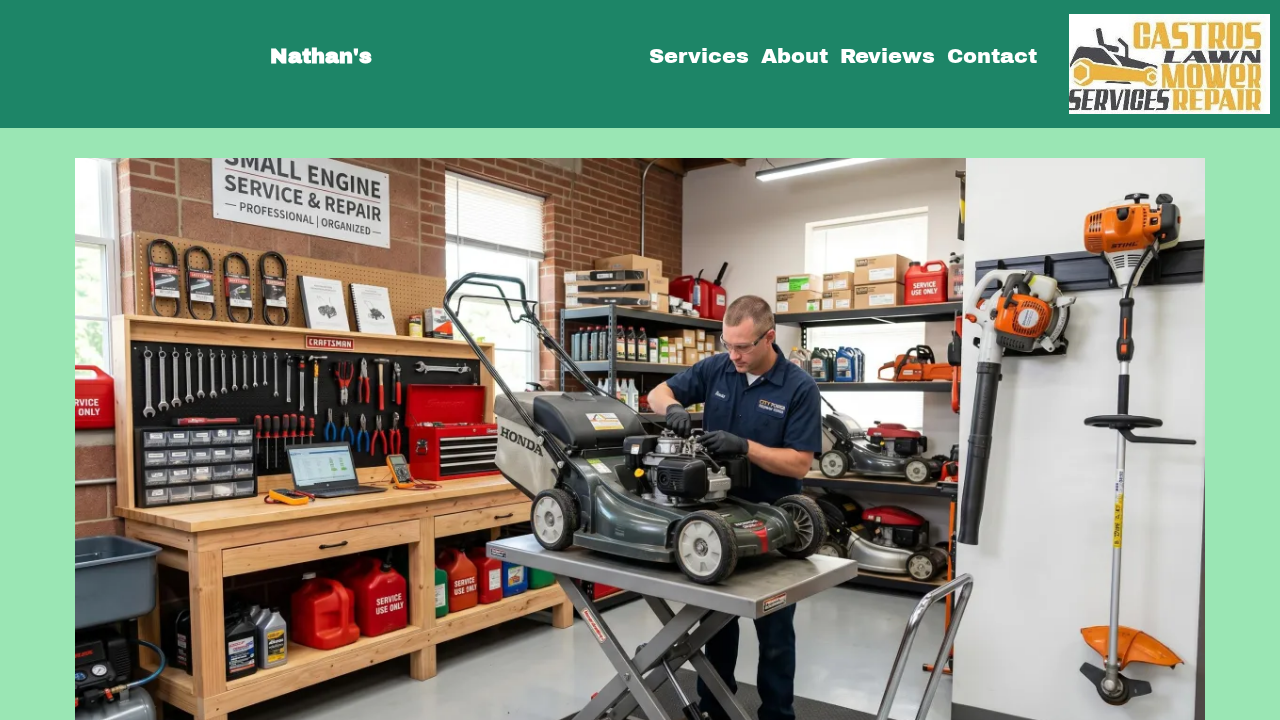
Homepage images were detected without any descriptive text attached to them. In practice, that leaves those visuals “unnamed” from a crawler’s point of view.
Why this matters for AI SEO
AI systems rely on clear page signals to understand what a brand does and what a page is about. When images don’t carry descriptive context, you lose useful meaning that could reinforce your offerings.
Next step
Add short, descriptive text to key images so their purpose and subject are clear.
❌ No dedicated media discovery paths
What we saw
We didn’t find any dedicated discovery support specifically for images or videos. That can make visual content harder to surface consistently.
Why this matters for AI SEO
Generative engines increasingly pull from both text and visual understanding when summarizing a business. If visual content is harder to discover, it’s less likely to be used as supporting context.
Next step
Create a dedicated discovery path for important media so visual assets are easier to find and interpret.
Structured Data
❌ Author identity isn’t backed by external profiles
What we saw
The author-related structured information didn’t include external profile references, and the existing profile reference list was empty. As a result, there’s nothing linking the author or brand to recognized third-party identities.
Why this matters for AI SEO
AI systems are more confident when they can connect a real person or brand to consistent public profiles. Without those corroborating links, identity verification can be weaker.
Next step
Add external profile references that clearly tie the author or brand to its official public presences.
AI Readiness
❌ AI crawler access rules are unclear
What we saw
A robots file exists, but it’s empty, so it doesn’t communicate any explicit handling for AI-related user agents. This creates ambiguity rather than clarity.
Why this matters for AI SEO
Generative engines depend on clear access and indexing signals to decide what they can use. When rules are unclear, it can reduce consistency in how content is discovered and reused.
Next step
Define clear crawler rules so access expectations for AI-related user agents aren’t left open-ended.
❌ Content freshness isn’t clearly communicated
What we saw
A sitemap was found, but it didn’t include update timing information for URLs. That makes it harder to tell what’s current versus older.
Why this matters for AI SEO
AI-generated answers tend to lean on information that appears current and maintained. When update signals are missing, engines have less confidence in the timeliness of what they’re pulling.
Next step
Include page update timing signals so content recency is easier to understand.
❌ No knowledge-graph entity found for the brand
What we saw
We didn’t find a known knowledge-graph entity ID tied to the brand. That leaves AI systems with fewer reliable “anchor points” for verification.
Why this matters for AI SEO
When a business maps cleanly to a recognized entity, AI models can connect the dots more confidently across sources. Without that, brand verification and disambiguation can be harder.
Next step
Establish a consistent, verifiable entity reference for the brand so it’s easier to confirm across the web.
Performance
❌ Homepage main content loads very slowly
What we saw
On the homepage, the main “hero” content took a long time to fully appear. This creates a noticeable delay before the page feels usable.
Why this matters for AI SEO
Slow-loading pages can reduce crawling efficiency and increase abandonment, which can weaken the overall visibility and trust signals around the site. It also raises the odds that key context isn’t picked up consistently.
Next step
Reduce the time it takes for the homepage’s primary content to appear.
❌ Homepage layout shifts while loading
What we saw
The homepage content moved around as it loaded, creating a visually unstable experience. That kind of shifting can make the page feel unreliable.
Why this matters for AI SEO
Visual instability often correlates with lower perceived quality and weaker user trust. It can also make it harder for systems to consistently interpret page structure.
Next step
Stabilize the homepage layout so elements don’t jump around during load.
❌ Homepage overall performance quality is weak
What we saw
The homepage showed broader performance quality issues beyond a single symptom. In short: it didn’t present as a consistently “fast and stable” experience.
Why this matters for AI SEO
When overall experience quality is low, it can indirectly limit how strongly your pages compete for attention and inclusion in AI-driven summaries. It’s also a common reason content doesn’t get engaged with.
Next step
Improve the homepage’s overall performance quality so it loads and behaves more consistently.
❌ Resource page main content loads slower than expected
What we saw
On the evaluated resource page, the main content still took longer than expected to fully show up. It’s not as extreme as the homepage, but it’s still a drag on usability.
Why this matters for AI SEO
Resource pages are often the exact pages AI systems pull from when answering questions. If those pages are slow to render, they can be crawled and interpreted less reliably.
Next step
Speed up how quickly the resource page’s main content appears.
❌ Resource page layout shifts while loading
What we saw
The evaluated resource page showed noticeable movement of elements during load. That makes the reading experience feel jumpy.
Why this matters for AI SEO
A stable layout helps both humans and systems confidently parse structure and hierarchy. Instability can reduce trust and dilute how clearly the page communicates.
Next step
Ensure the resource page renders with a stable layout from the start.
Reputation
❌ Negative customer feedback is showing up in public signals
What we saw
We found affirmed negative customer sentiment focused on service delays and missing parts. This type of feedback is prominent enough to register as a trust concern.
Why this matters for AI SEO
Generative engines tend to incorporate brand trust cues when deciding how to describe a business. Negative patterns can influence how confidently (or cautiously) a brand gets summarized.
Next step
Review the main recurring themes in customer feedback so you can address the underlying trust narrative.
❌ Brand identity details conflict across sources
What we saw
We saw conflicts around the business name and address across different sources (for example, variations of the official name). This creates identity confusion.
Why this matters for AI SEO
If engines can’t reconcile basic business identity details, they’re less likely to give a confident answer—or they may mix information incorrectly. Consistent identity signals are foundational for trustworthy AI results.
Next step
Standardize the business name and address across the web so the brand resolves to a single, consistent identity.
❌ No knowledge-graph entity found for the brand
What we saw
No brand entity record was found in a major knowledge source used for entity validation. This limits third-party verification.
Why this matters for AI SEO
Entity-based confirmation helps AI systems distinguish your business from similar names and reinforces legitimacy. Without that anchor, it’s harder for models to “lock in” on the right brand.
Next step
Create a verifiable entity footprint for the brand so it’s easier for AI systems to confirm.
❌ Offsite presence signals look thin
What we saw
We didn’t find a clear, consistent set of social profiles tied to the brand, and we didn’t see evidence of press or broader third-party coverage. That leaves the brand with fewer supporting signals outside its own site.
Why this matters for AI SEO
AI systems look for corroboration across sources to build confidence. When the offsite footprint is light or inconsistent, the brand can come across as harder to verify.
Next step
Strengthen and unify the brand’s offsite footprint so external references clearly point to the same business.
LLM-Ready Content (Blog Analysis)
Heads up: this section looks at one article as a snapshot, so it’s a little more interpretive than the rest of the report and may shift slightly from run to run. Have questions? Just shoot us an email at hello@v9digital.com
❌ No publish or update date is shown
What we saw
We didn’t find an explicit publish date or an update date on the article. From the outside, it’s hard to tell when the information was written or last reviewed.
Why this matters for AI SEO
AI systems weigh freshness cues when deciding what to reuse, especially for “how-to” or service guidance. Without dates, the content can read as less verifiably current.
Next step
Add a clear publish date and (when relevant) an update date that readers and AI systems can see.
❌ Recency can’t be confirmed
What we saw
Because there’s no visible publish or modified date, we can’t confirm whether the article has been updated recently. That makes the timeliness of the guidance ambiguous.
Why this matters for AI SEO
When recency isn’t clear, AI answers may be less likely to cite or paraphrase the content for time-sensitive queries. It can also reduce perceived reliability.
Next step
Make it easy to verify content recency by displaying a clear “last updated” signal when changes are made.
❌ Sections are too thin to carry the topic
What we saw
The article is split into multiple sections, but each section is very short on average. That makes the piece feel more like a high-level outline than a fully developed resource.
Why this matters for AI SEO
Generative engines look for self-contained chunks that explain a point clearly and completely. Thin sections can limit how much useful, quotable context the model can safely reuse.
Next step
Expand key sections so each one provides enough context to stand on its own.
❌ Subheadings are too generic
What we saw
Most subheadings read like labels rather than informative descriptors (for example, single-word headings). That makes it harder to scan what each section is actually about.
Why this matters for AI SEO
Clear subheadings help AI systems map structure to meaning and pull the right snippet for the right question. Generic headings reduce interpretability and reuse.
Next step
Rewrite section headings so they clearly describe the specific question or point the section answers.
❌ Key answers don’t show up early in sections
What we saw
In most sections, the opening paragraph doesn’t provide enough immediate context. That creates a slower “ramp up” before the reader (or model) gets to the point.
Why this matters for AI SEO
AI systems prefer content where the main takeaway is easy to identify quickly. When key context is delayed, extraction and summarization become less reliable.
Next step
Start each section with a clear, short answer or framing paragraph that makes the point immediately.
❌ No simple table-based summary is included
What we saw
We didn’t see a table on the page. That means there isn’t an easy “at-a-glance” summary format for key details.
Why this matters for AI SEO
Structured summaries can make it easier for AI systems to extract and reuse precise facts without reinterpreting paragraphs. Without them, the model has to work harder to infer what matters most.
Next step
Add a simple table where it genuinely helps summarize key options, steps, or comparisons.
Does Anything Seem Off?
Thanks for taking our free GEO Grader for a spin. When we started this journey, the tool had a fairly long processing time to check everything we wanted both onsite and offsite, so we made a few adjustments on the backend to speed things up. As a result, there are times when the grader may not get everything 100% right. If something feels off, we recommend running the tool a second time to confirm the results. From there, you’re always welcome to reach out to us to schedule a GEO consultation, or to have your SEO provider validate the findings with a more detailed crawl and manual review.
