
Overview:
On 05/03/26 themarkstradingcompany.com scored 58% — **Fair** – Overall, the site has some solid fundamentals, but a few visibility and trust gaps are holding it back in how clearly it comes across to AI-driven search experiences.
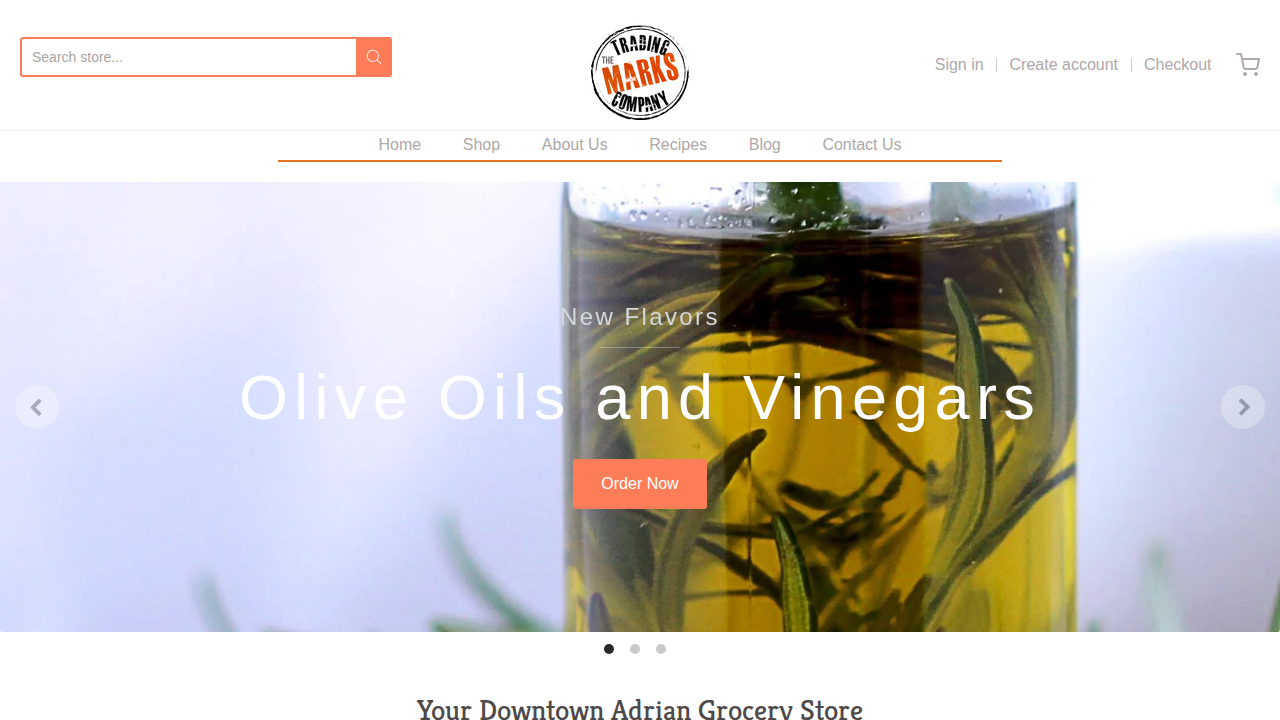
Executive summary
Score Breakdown (High Level)
- Discoverability: 100% - The site's technical foundation is excellent with clear metadata and proper crawl access, though it is currently missing specialized sitemaps for images and video.
- Structured Data: 58% - The homepage schema is looking solid and correctly identifies the business, but we didn't find the necessary structured data or author details on the blog side to help with content authority.
- AI Readiness: 50% - The site has a solid foundation with open crawler access and clear brand pages, though it’s held back by a lack of sitemap timestamps and no official Wikidata entity.
- Performance: 50% - Mobile performance is generally responsive and stable, but we found the main content takes significantly longer than 5 seconds to load.
- Reputation: 58% - The brand shows solid social connectivity and recognition from AI models, but negative client feedback and a lack of independent authority signals like Wikidata are notable reputational hurdles.
- LLM-Ready Content: 48% - The site provides clear local context and recent updates, but the lack of a specific author and inconsistent section depth makes it harder for AI to fully verify and summarize the content.

The main takeaway at a glance
The big picture is that your baseline visibility signals are in place, but a few key areas make it harder for AI systems to confidently interpret and trust your content and brand. The gaps showing up here are mostly about clarity and verification rather than anything being “wrong.” Below, we’ll walk through the specific sections where the evaluation couldn’t find (or couldn’t confirm) the signals it was looking for. None of this is unusual, and it’s the kind of cleanup that tends to make a noticeable difference once it’s addressed.
Detailed Report
Discoverability
❌ Image or video sitemap not found
What we saw
We didn’t find an image sitemap or a video sitemap available in the site’s sitemap set. That means visual content has fewer clear “signposts” for being picked up consistently.
Why this matters for AI SEO
Generative engines often rely on consistent discovery signals to find and understand content at scale, including visual assets. When those signals are thin, it can reduce how reliably your images/videos get surfaced and connected to relevant topics.
Next step
Create and publish an image and/or video sitemap (as applicable) and make sure it’s discoverable alongside your existing sitemap setup.
Structured Data
❌ Structured data on blog/resource page couldn’t be verified
What we saw
No blog/resource page HTML was provided in the evaluation packet, so we couldn’t confirm whether structured data is present on those deeper content pages. In practice, this leaves a blind spot around how clearly those pages are being interpreted.
Why this matters for AI SEO
When AI systems can’t reliably read consistent page-level context, it’s harder for them to extract and reuse content with confidence. That can limit how often resource content is pulled into summaries and recommendations.
Next step
Provide (or verify) a representative blog/resource page and confirm it includes clear structured context that matches what the page is about.
❌ Author not clearly identified on articles
What we saw
Because the resource/blog page HTML wasn’t available here, we weren’t able to identify a specific, non-generic author on the article. As a result, the content doesn’t clearly tie back to a real expert or accountable creator in this evaluation.
Why this matters for AI SEO
Author clarity is a trust cue for generative engines, especially for informational content. When the author entity is missing or unclear, it can make the content feel less attributable and therefore less reusable.
Next step
Make sure each resource/blog post clearly credits a specific author (not just a brand label) in a consistent, recognizable way.
❌ No external verification links tied to an author entity
What we saw
An author entity wasn’t detected for a resource page in this run, and we didn’t see any external identity references connected to an author. That makes it harder to validate “who wrote this” beyond the site itself.
Why this matters for AI SEO
Generative engines lean on cross-references to confirm identities and reduce ambiguity. Without those connections, author trust signals are weaker and content may be treated more cautiously.
Next step
Add consistent author identity references that point to the same author across the web, so the author is easier to confirm.
AI Readiness
❌ Sitemap update information not present
What we saw
The sitemap that was found did not include update timestamps (last update information) for the listed URLs. That makes it harder to tell what’s fresh versus what hasn’t changed.
Why this matters for AI SEO
AI-driven discovery still depends on efficient crawling and prioritization signals. If update cues aren’t available, important content changes may be picked up more slowly or less consistently.
Next step
Ensure your sitemap includes per-URL update timestamps so crawlers can more easily understand what changed and when.
❌ No Wikidata entity found for the brand
What we saw
We didn’t find a Wikidata entry associated with the brand in the evaluation results. That leaves the brand without one of the more standardized “entity reference points” that models commonly use.
Why this matters for AI SEO
When a brand has fewer widely recognized entity anchors, generative engines may have a harder time confirming and summarizing the business consistently. This can impact brand-level trust and how confidently your company is referenced.
Next step
Create and validate a Wikidata entry for the brand so it has a stable, public entity reference.
Performance
❌ Main page content is slow to appear on mobile
What we saw
The homepage’s primary above-the-fold content took a long time to fully appear on mobile in this evaluation. Even if the page is stable once it loads, that initial wait can be a noticeable drag.
Why this matters for AI SEO
Slow first-load experiences can reduce engagement signals and limit how easily systems (and users) can access the content quickly. That friction can indirectly affect how often your pages are considered strong candidates for recommendations.
Next step
Identify what’s delaying the first meaningful view on mobile and reduce the time it takes for the main content to display.
Reputation
❌ Negative client assertions were detected
What we saw
The model packet included documented negative client assertions, specifically tied to unfulfilled orders and customer service issues. This type of feedback is a clear drag on perceived trust.
Why this matters for AI SEO
Generative engines weigh brand sentiment and trust heavily when deciding what to cite or recommend. When strong negative claims show up, it can reduce how confidently the brand is surfaced in answers.
Next step
Review the recurring negative themes being cited and address them with clear, public-facing resolution patterns where appropriate.
❌ Brand identity isn’t consistently represented
What we saw
The evaluation found inconsistent identity signals across sources, including an address conflict (registered-agent location vs. physical location) and missing details across models. This makes the brand profile harder to reconcile into one clear “entity.”
Why this matters for AI SEO
If a brand’s core identity details don’t line up cleanly, generative engines may be less confident they’re describing the right business. That uncertainty can reduce visibility or lead to muddier summaries.
Next step
Align the brand’s key identity details across major public sources so the business is represented consistently.
❌ No Wikidata presence was identified
What we saw
No Wikidata entity was identified for the brand in the off-site signal review. This matches what also showed up in the AI readiness checks.
Why this matters for AI SEO
Wikidata is one of the more common reference layers used to disambiguate and confirm entities. Without it, brand verification can rely more heavily on less consistent sources.
Next step
Establish a Wikidata entity for the brand that reflects accurate and up-to-date business details.
❌ Independent press coverage wasn’t found
What we saw
The evaluation results did not identify any independent, third-party press mentions for the brand. That means there are fewer outside validation signals showing up in the broader web footprint.
Why this matters for AI SEO
Independent coverage helps generative engines triangulate legitimacy and notability. When it’s missing, AI systems have fewer credible “outside voices” to lean on when summarizing your brand.
Next step
Build a trackable footprint of independent mentions so third-party validation signals are easier to find.
❌ No owned press or press-release signals were identified
What we saw
The model results did not identify a press release footprint or an onsite news/press area. This limits the amount of “official updates” AI systems can reference back to the brand.
Why this matters for AI SEO
When AI engines look for authoritative brand context, they tend to favor clear, attributable sources. Without a recognizable hub for official announcements, brand narratives can be thinner or inconsistent.
Next step
Create a consistent, publicly accessible place where official brand updates can live and be referenced over time.
LLM-Ready Content (Blog Analysis)
Heads up: this section looks at one article as a snapshot, so it’s a little more interpretive than the rest of the report and may shift slightly from run to run. Have questions? Just shoot us an email at hello@v9digital.com
❌ No specific author credited
What we saw
The page did not credit a specific individual as the author, and the branding was used in place of a named author. That leaves the reader (and AI systems) without a clear “who wrote this” signal.
Why this matters for AI SEO
Generative engines lean on attributable authorship as a credibility cue, especially when summarizing or reusing informational content. When authorship is generic, the content can be harder to trust and cite.
Next step
Add a clear, non-generic author attribution to the page so authorship is unambiguous.
❌ Content sections are too fragmented
What we saw
The page is broken into many short sections, with an average section length that’s too brief to stand on its own. Several areas (like basic info blocks) don’t provide enough context in paragraph form.
Why this matters for AI SEO
AI systems summarize best when each section contains a complete thought with enough context to extract meaning confidently. Overly small content chunks can lead to thinner summaries or skipped sections.
Next step
Consolidate or expand short sections so each major section can communicate one complete idea clearly.
❌ No table-based content detected
What we saw
No HTML table structure was found on the page. Any structured information appears to be presented without a table format.
Why this matters for AI SEO
Tables can make it easier for AI systems to extract structured comparisons, specs, or quick reference information. When everything is purely narrative or block-based, key details can be harder to lift cleanly.
Next step
Where it makes sense, include at least one simple table to present any structured or reference-style information on the page.
❌ Key answers don’t show up early in most sections
What we saw
Many sections begin with very short text snippets or list-style content rather than a substantive opening paragraph. That makes the early part of each section less explanatory.
Why this matters for AI SEO
Generative engines often look to the beginning of sections to grab the “summary-ready” answer. If the opening doesn’t provide enough context, the model may miss the point or pull a weaker snippet.
Next step
Rewrite section openers so the first paragraph in each major section clearly states the main point in a natural, summary-friendly way.
Does Anything Seem Off?
Thanks for taking our free GEO Grader for a spin. When we started this journey, the tool had a fairly long processing time to check everything we wanted both onsite and offsite, so we made a few adjustments on the backend to speed things up. As a result, there are times when the grader may not get everything 100% right. If something feels off, we recommend running the tool a second time to confirm the results. From there, you’re always welcome to reach out to us to schedule a GEO consultation, or to have your SEO provider validate the findings with a more detailed crawl and manual review.
