
Overview:
On 04/12/26 storagesolutionsplus.com scored 68% — **Decent** – Overall, this site looks pretty solid for AI visibility, but a few clarity and identity gaps are still keeping it from showing up as consistently as it could.
Executive summary
Score Breakdown (High Level)
- Discoverability: 83% - The site's technical foundation is solid for discovery, but the generic homepage title and missing media sitemaps are missed opportunities for better visibility.
- Structured Data: 58% - The site has a technical foundation with valid organization schema on the homepage, but the lack of data for a resource page prevented us from confirming critical authorship and article-level markup.
- AI Readiness: 67% - The site has a solid technical foundation for AI discovery, though it’s missing a Wikidata entity to help search engines confirm its brand identity.
- Performance: 50% - Overall, the site is stable and responsive on mobile, but the homepage is really held back by a slow initial loading speed for the main visual elements.
- Reputation: 81% - The brand demonstrates a healthy offsite reputation with active social profiles and industry press coverage, though it lacks a formal Wikidata presence and has some address inconsistencies in public data.
- LLM-Ready Content: 68% - The content is well-chunked and uses descriptive subheadings, though it lacks a clear author and substantial introductory text in several sections.

The main themes to focus on
The big picture is that your core presence is coming through, but a few signals that help AI systems confirm identity and quickly extract meaning are still inconsistent or missing. These aren’t “errors” so much as clarity gaps that can make your brand and content harder to interpret with confidence. The sections below break down the specific places where those gaps showed up, organized by area. None of this is unusual, and it’s all the kind of stuff that gets cleaner once it’s called out.
Detailed Report
Discoverability
❌ Homepage title is generic
What we saw
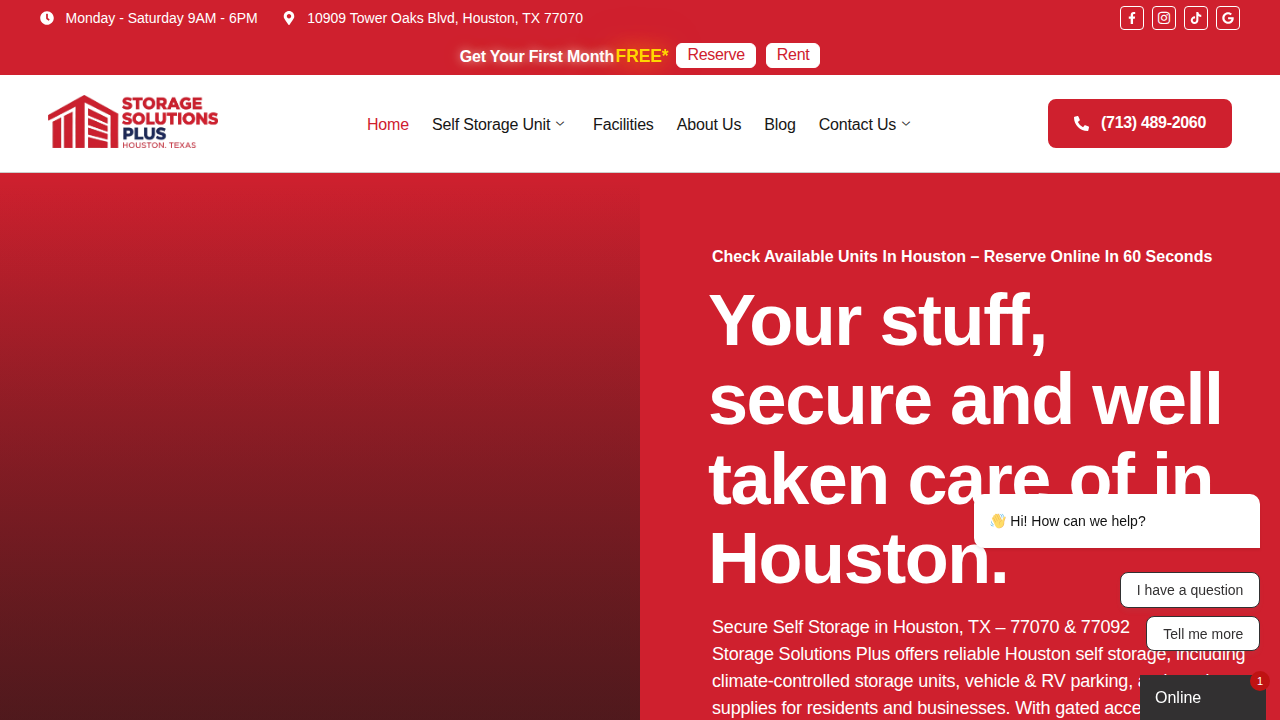
The homepage title appears to be set to “1 new message,” which reads like a placeholder rather than something that clearly represents the brand.
Why this matters for AI SEO
When the main page doesn’t clearly label itself, AI systems have a harder time confidently understanding what the site is and what it should be associated with.
Next step
Update the homepage title so it clearly reflects the brand and what the site is about.
❌ No image or video sitemap detected
What we saw
We didn’t see any dedicated image or video sitemap, so visual content may be harder to fully surface and understand at scale.
Why this matters for AI SEO
AI discovery isn’t just about text—when visuals are harder to catalog, it can limit how completely your brand and offerings are represented.
Next step
Add a dedicated image and/or video sitemap if visual media is an important part of your site.
Structured Data
❌ Resource / blog page structured data couldn’t be verified
What we saw
We didn’t see usable data for a resource or blog page (the provided resource page file was missing or empty), so we couldn’t confirm any page-level markup there.
Why this matters for AI SEO
If supporting content can’t be clearly interpreted as a structured “piece of content,” AI systems may be less likely to treat it as reliable, reusable source material.
Next step
Make sure your resource/blog pages are available to evaluate and include the same level of content identification as the main site.
❌ Blog post author wasn’t clearly identifiable
What we saw
Because the resource page data wasn’t available, we couldn’t verify that posts have a clear, non-generic author.
Why this matters for AI SEO
Authorship is a key trust cue for AI systems, especially when they’re deciding what content to cite, summarize, or rely on.
Next step
Ensure each article clearly names a real author and that the author can be consistently understood across the site.
❌ Author “same as” references weren’t present
What we saw
No author-specific references (like profile links that confirm identity) could be detected, since the resource page data wasn’t available.
Why this matters for AI SEO
Without consistent identity references, it’s harder for AI models to connect content back to a specific person or source with confidence.
Next step
Add consistent author identity references so the author can be recognized across the web.
AI Readiness
❌ No Wikidata entity found for the brand
What we saw
We were unable to find a Wikidata item ID associated with this brand.
Why this matters for AI SEO
When a brand isn’t represented in a commonly used knowledge source, AI systems have fewer reliable anchors to confirm “who you are” and keep your identity consistent.
Next step
Create and/or claim a Wikidata entry so the brand has a clear entity reference.
Performance
❌ Main content takes too long to appear
What we saw
The homepage’s largest visible element took a long time to load (Largest Contentful Paint was measured at 15.59s).
Why this matters for AI SEO
If the core page content is slow to appear, it can reduce how reliably the page is processed and understood during discovery and evaluation.
Next step
Reduce the time it takes for the main page content to fully render so the key content shows up sooner.
Reputation
❌ Conflicting physical address information
What we saw
The brand’s identity details weren’t fully consistent—specifically, physical address data was shown as conflicting (Hastings, MI vs. Rosemont, IL).
Why this matters for AI SEO
When basic identity details conflict across sources, AI systems can become less confident about entity matching and local relevance.
Next step
Align the brand’s address information so it’s consistent wherever it appears online.
❌ No Wikidata entry found
What we saw
No matching Wikidata entity was found for the brand.
Why this matters for AI SEO
A missing entity reference can make it harder for AI systems to consolidate mentions, reviews, and coverage into one clear brand profile.
Next step
Establish a Wikidata entry to strengthen entity recognition and consistency.
❌ Identity anchors couldn’t be verified
What we saw
Without a Wikidata entity, official identity anchors couldn’t be verified through that specific channel.
Why this matters for AI SEO
When identity anchors are missing, AI systems have fewer “ground truth” references to validate brand details and reduce ambiguity.
Next step
Add a verifiable identity anchor that AI systems can use to confirm the brand entity.
LLM-Ready Content (Blog Analysis)
Heads up: this section looks at one article as a snapshot, so it’s a little more interpretive than the rest of the report and may shift slightly from run to run. Have questions? Just shoot us an email at hello@v9digital.com
❌ No clear, non-generic author
What we saw
No visible author name was found on the page, and the only clearly identified entity was the organization.
Why this matters for AI SEO
When it’s unclear who wrote a piece, AI systems have a harder time assigning credibility and may be less likely to reuse or reference the content.
Next step
Add a clear author name to the article so the content has an identifiable source.
❌ No HTML table for reusable data
What we saw
The page presents unit pricing in a grid-based layout instead of a standard HTML table.
Why this matters for AI SEO
Tables make it easier for AI systems to extract and reuse structured details without guessing at relationships between values.
Next step
Represent key comparison data (like pricing or unit details) in a true HTML table when it’s a good fit.
❌ Key answers don’t show up early
What we saw
Many sections lead with very short fragments, loading states, or brief paragraphs instead of getting to the main answers quickly.
Why this matters for AI SEO
If the “meat” of the page is buried or delayed, AI systems may capture less useful context and come away with a fuzzier understanding of what the page is trying to answer.
Next step
Restructure the opening of key sections so the main answer or takeaway is clear right away.
Does Anything Seem Off?
Thanks for taking our free GEO Grader for a spin. When we started this journey, the tool had a fairly long processing time to check everything we wanted both onsite and offsite, so we made a few adjustments on the backend to speed things up. As a result, there are times when the grader may not get everything 100% right. If something feels off, we recommend running the tool a second time to confirm the results. From there, you’re always welcome to reach out to us to schedule a GEO consultation, or to have your SEO provider validate the findings with a more detailed crawl and manual review.
