
Overview:
On 05/22/26 hamandtees.com scored 56% — **Fair** – Overall, the fundamentals are there, but a few trust and content clarity gaps are keeping the brand from showing up as strongly as it could in AI-driven results.
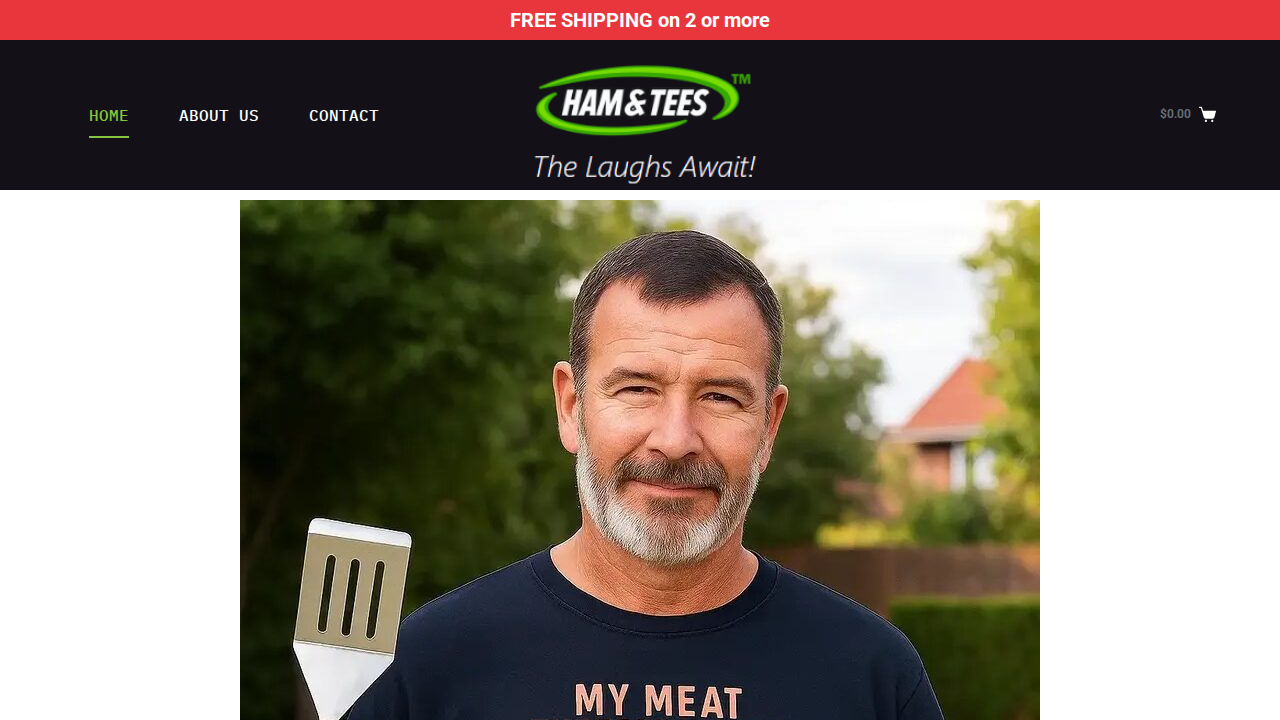
Executive summary
Score Breakdown (High Level)
- Discoverability: 100% - Overall, this section looks to be in good shape, with the only minor missing piece being a dedicated sitemap for images or video.
- Structured Data: 58% - The homepage has a solid foundation of organization and store schema, though we weren't able to find any content-specific markup or author details in the data provided.
- AI Readiness: 67% - The site has a strong technical foundation for AI crawling and clear brand context, though it currently lacks a formal Wikidata presence to solidify its entity status.
- Performance: 67% - Mobile performance generally landed outside the "poor" range, with the homepage showing solid responsiveness and layout stability.
- Reputation: 50% - The brand has a solid baseline of recognition and social presence, but the presence of negative customer assertions and a lack of verified physical identity signals are holding back the reputation score.
- LLM-Ready Content: 24% - The site functions well as a product catalog but lacks the human authorship, outbound citations, and descriptive text blocks that AI systems use to verify and reuse content.

What stands out before the details
The big picture is that the site is generally easy to find and interpret, but it’s missing some key credibility and context signals that help AI systems feel confident summarizing and recommending a brand. Most of the gaps are about identity trust and content clarity rather than anything being outright “wrong.” The next section breaks down the specific areas where the evaluation couldn’t confirm those signals, especially around reputation cues, brand verification, and how the main content reads to an AI. Overall, this is a manageable set of issues once you know exactly where they’re showing up.
Detailed Report
Discoverability
❌ No image or video sitemap found
What we saw
We didn’t see a dedicated image sitemap or video sitemap available for the site. That means media assets don’t have an extra, explicit discovery path.
Why this matters for AI SEO
Generative engines often pull in images and media as supporting context, and clearer media discovery can help them find and interpret what you offer. When that layer is missing, some media content can be easier to overlook.
Next step
Add a dedicated image and/or video sitemap so media content is easier to discover and understand.
Structured Data
❌ Resource/blog structured data couldn’t be evaluated
What we saw
We weren’t able to find usable page data for the resource/blog page referenced in the evaluation, so we couldn’t confirm any structured data there. As a result, content pages aren’t being clearly “labeled” in the way AI systems expect.
Why this matters for AI SEO
When content pages don’t have clear, machine-readable context, AI systems have a harder time identifying what the page is and when it should be referenced. This can reduce how confidently your content is used or cited.
Next step
Make sure your resource/blog pages are available for evaluation and include structured data that describes the page content.
❌ Blog/resource author information not found
What we saw
Because the resource/blog page data wasn’t available, we couldn’t confirm a clear, non-generic author on that content. That leaves authorship unclear from an AI perspective.
Why this matters for AI SEO
Clear authorship helps AI systems assess credibility and understand who is responsible for the content. When the author signal is missing, it can weaken trust and reduce reuse in AI answers.
Next step
Ensure each resource/blog post has a clearly identified author that AI systems can recognize.
❌ Author profile links (sameAs) not found
What we saw
We weren’t able to confirm any author profile links that connect an author to credible external profiles (via “sameAs”), since the resource/blog page data wasn’t available. That removes an important identity tie-out.
Why this matters for AI SEO
AI systems look for consistent identity connections to reduce ambiguity and build confidence in who an author is. Without those connections, it’s harder for AI to treat the author as a stable, trustworthy source.
Next step
Add author identity links that connect each author to their official profiles where appropriate.
AI Readiness
❌ No Wikidata entity found for the brand
What we saw
We didn’t see a Wikidata entity associated with the brand in the evaluation output. In other words, there wasn’t a clear public knowledge-base identifier to anchor the brand.
Why this matters for AI SEO
LLMs often use knowledge-base entities to reduce confusion and confirm “who’s who” when summarizing brands. When that anchor is missing, brand identity can be harder to consistently validate.
Next step
Establish and connect a Wikidata entity for the brand so AI systems have a stronger identity reference point.
Reputation
❌ Negative customer feedback surfaced on third-party sites
What we saw
At least one model identified negative customer feedback tied to shipping/order fulfillment and communication on third-party review platforms. This is the most direct trust concern flagged in the offsite signals.
Why this matters for AI SEO
Generative engines weigh offsite sentiment when deciding how confidently to recommend or describe a brand. Negative themes can show up in AI summaries and reduce perceived reliability.
Next step
Review the third-party feedback themes being mentioned and address the recurring fulfillment and communication concerns.
❌ No confirmed physical address in brand identity signals
What we saw
The evaluation flagged that a verified physical address wasn’t present in the brand’s identity data. That made it harder to reach a consistent, confirmed view of the official brand identity.
Why this matters for AI SEO
Clear business identity details help AI systems distinguish legitimate brands and reduce ambiguity. When key identity details are missing, AI may be less confident in representing the brand accurately.
Next step
Add a confirmed physical address to the brand’s public identity footprint so it’s easier to validate.
❌ Wikidata presence missing in reputation signals
What we saw
The reputation analysis also flagged that no matching Wikidata entity or official identity anchor was found. This reinforces the identity verification gap noted elsewhere.
Why this matters for AI SEO
A stable external identity anchor makes it easier for AI systems to confidently connect reviews, mentions, and brand facts to the right entity. Without it, trust signals can be less cohesive.
Next step
Create and align a Wikidata entity to strengthen brand identity confirmation across offsite signals.
❌ Social icons on the homepage don’t link out
What we saw
Social icons were present on the homepage, but they didn’t include valid links to the social platforms. So even if the brand is known to be on social, the site itself isn’t confirming it cleanly.
Why this matters for AI SEO
Direct links to official profiles help AI systems verify authenticity and connect the brand to its real presence elsewhere. When those links aren’t functional, it weakens that verification trail.
Next step
Ensure the homepage social icons point to the brand’s real, official social profiles.
❌ Limited independent press coverage found
What we saw
The analysis didn’t find clear third-party media coverage, even though the brand has its own press/news page. That leaves a gap in independent validation signals.
Why this matters for AI SEO
Independent mentions can help AI systems triangulate legitimacy and reputation beyond a brand’s owned channels. Without that, AI summaries may rely more heavily on reviews and other sentiment sources.
Next step
Build more independent third-party coverage signals so AI systems have credible outside references.
LLM-Ready Content
❌ No clear human author identified
What we saw
We didn’t see a human author called out in visible content or supporting markup, and the organization name was used instead. That makes it hard to tell who is behind the content.
Why this matters for AI SEO
AI systems tend to trust and reuse content more when authorship is clear and attributable. Missing author signals can reduce credibility and limit how often content is referenced.
Next step
Add a clear human author attribution for relevant content where editorial trust matters.
❌ No visible non-social outbound citations
What we saw
We didn’t see visible outbound links to external sources beyond social platforms. That means there aren’t clear citations that support claims or add context.
Why this matters for AI SEO
Outbound citations can help AI systems understand what information is grounded in external references. Without them, content can look more self-contained and harder to validate.
Next step
Include a small number of relevant, visible outbound citations where they naturally support the page.
❌ Content isn’t chunked into readable sections
What we saw
The page relies heavily on short product snippets rather than longer, descriptive text blocks. The sections are very brief and don’t provide much narrative context.
Why this matters for AI SEO
LLMs extract meaning best when content is written in clear, self-contained sections with enough detail to stand on its own. When content is too fragmentary, AI may miss the “why” and “who it’s for” context.
Next step
Add a few more substantial, descriptive sections so the page communicates context in complete thoughts.
❌ No table-based information found
What we saw
No table elements were found on the page. That means there isn’t a structured, scannable format for specs, comparisons, or quick-reference details.
Why this matters for AI SEO
Tables can make structured facts easier for AI systems to extract and summarize accurately. When that format is absent, key details may be harder to pull through cleanly.
Next step
Add a simple table where it makes sense (e.g., sizing, shipping/returns highlights, or product comparisons).
❌ Subheadings don’t reinforce descriptive context
What we saw
While product titles are descriptive, the related text blocks don’t consistently build on those headings with full-sentence context. The sections don’t share clear overlap because the supporting text is minimal.
Why this matters for AI SEO
AI systems use headings and the text beneath them together to understand “what this section is about.” If headings aren’t backed up by explanatory copy, the section’s meaning can be less clear.
Next step
Pair key headings with short supporting paragraphs that explain the context in plain language.
❌ Key answers and context don’t show up early
What we saw
We didn’t find early, context-rich paragraphs that meet the minimum length needed to provide a clear “here’s what this page is” summary. The page jumps quickly into short snippets.
Why this matters for AI SEO
Generative engines often prioritize early, high-signal text to understand the page quickly and decide what it should rank for or cite. If that early clarity isn’t present, the page can be harder to categorize.
Next step
Add a short, clear opening section that explains what the brand offers and who it’s for in full sentences.
❌ All-caps terms reduce clarity in places
What we saw
The page includes multiple all-caps tokens (e.g., short labels and acronyms) that aren’t expanded into plain-language phrases nearby. While not contradictory, it can read more like UI labels than helpful copy.
Why this matters for AI SEO
AI systems do best with clear, natural language that leaves less room for interpretation. Unexplained shorthand can make it harder to consistently interpret meaning across different AI models.
Next step
Rewrite or expand key all-caps labels into clear, readable phrases where they appear in important content areas.
Does Anything Seem Off?
Thanks for taking our free GEO Grader for a spin. When we started this journey, the tool had a fairly long processing time to check everything we wanted both onsite and offsite, so we made a few adjustments on the backend to speed things up. As a result, there are times when the grader may not get everything 100% right. If something feels off, we recommend running the tool a second time to confirm the results. From there, you’re always welcome to reach out to us to schedule a GEO consultation, or to have your SEO provider validate the findings with a more detailed crawl and manual review.
