
Overview:
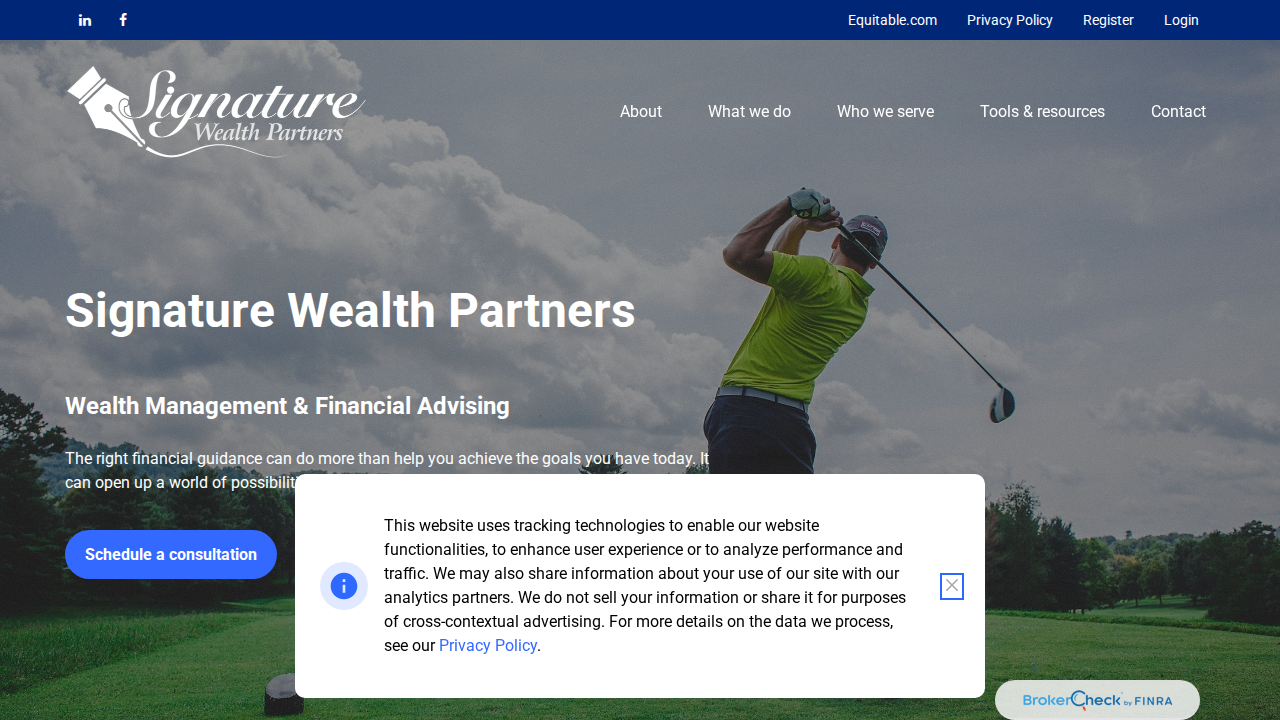
On 10/16/26 signaturewealthpartners.com scored 45% — **Below Average** – Overall, the site has some solid fundamentals, but a few visibility and trust gaps are making it harder for AI-driven results to confidently understand and surface.
Executive summary
Score Breakdown (High Level)
- Discoverability: 75% - The site is easy for search engines to crawl and access, but it's missing a few essential technical pieces like an XML sitemap and a homepage meta description.
- Structured Data: 58% - The homepage has a strong technical foundation with valid organization-level schema, but the lack of resource-level markup and authorship data is a missed opportunity for building deeper trust.
- AI Readiness: 33% - The site is accessible to AI crawlers and provides clear brand context, but it's missing a sitemap and a verified Wikidata presence.
- Performance: 50% - Mobile loading speed for the main visual content is quite slow, though the site remains responsive and stable during use.
- Reputation: 12% - The site effectively links to social profiles, but the absence of reconciled brand identity and Wikidata records limits the reputation score.
- LLM-Ready Content: 64% - The page establishes strong trust through named leadership and current dates, but the content is too fragmented and lacks the keyword cohesion in subheadings needed for optimal AI discovery.

Where things are getting unclear
The big picture is that the site has a workable base, but several signals that help AI systems confirm identity, interpret content, and trust what they’re seeing are either missing or couldn’t be validated in this run. A lot of what’s showing up here isn’t about something being “wrong,” but more about the site not spelling things out in a way machines can consistently verify. The breakdown below walks through the specific areas where clarity and confidence drop off across discovery, reputation, performance, and content structure. Once you see the themes, the rest of the report should feel pretty straightforward to work through.
Detailed Report
Discoverability
❌ Missing homepage meta description
What we saw
The homepage didn’t include a meta description. That means there’s no short, site-controlled summary available for crawlers to pick up from the page.
Why this matters for AI SEO
AI systems often rely on concise page-level summaries to quickly understand what a brand and its core page is about. When that summary is missing, the model has to guess from surrounding content, which can reduce clarity.
Next step
Add a clear, specific meta description to the homepage that summarizes who you are and what you do.
❌ No standard XML sitemap found
What we saw
We didn’t detect a standard XML sitemap at the expected location. As a result, there isn’t a clear, centralized “map” of your key URLs available for discovery.
Why this matters for AI SEO
AI-driven discovery benefits when site structure is easy to confirm and revisit over time. Without a clear site map, important pages can be harder to find and re-check consistently.
Next step
Publish a standard XML sitemap for the site so crawlers have a reliable index of your important pages.
❌ No image or video sitemap found
What we saw
We didn’t find an image sitemap or a video sitemap. That means media-heavy content (if you have it) doesn’t have an extra discovery layer.
Why this matters for AI SEO
Generative results increasingly pull from non-text sources when they can confidently understand and cite them. If media isn’t clearly surfaced for discovery, it can be less likely to be included.
Next step
If images or videos are an important part of your site, add a media sitemap to help those assets get discovered more reliably.
Structured Data
❌ Resource/blog structured data not reviewed
What we saw
We weren’t able to review structured data for a resource or blog page because no resource/blog URL was provided for evaluation.
Why this matters for AI SEO
For AI systems, deeper content pages are often where topical authority gets established. If those pages can’t be validated or understood consistently, it’s harder for them to be treated as strong reference material.
Next step
Provide a representative resource/blog URL (or ensure those pages are available) so content-level structured signals can be evaluated.
❌ Resource/blog author not confirmed
What we saw
We couldn’t confirm a clear, non-generic author for a resource/blog post because no resource/blog page was provided.
Why this matters for AI SEO
AI engines look for strong authorship cues to help judge credibility and attribute expertise. When authorship can’t be confirmed on content pages, trust and reuse can be harder to earn.
Next step
Make sure resource/blog posts have a clearly identified author and share a URL we can use as a sample for review.
❌ Author identity links not verified
What we saw
We weren’t able to verify author identity links because no author structured data could be evaluated without a resource/blog page.
Why this matters for AI SEO
When author identity is easier to corroborate, AI systems have a simpler time connecting content to real-world entities. If that connection is missing or uncheckable, attribution and confidence can be weaker.
Next step
Include clear author identity references on content pages and provide a resource/blog URL for validation.
AI Readiness
❌ Sitemap not available for AI discovery
What we saw
An XML sitemap wasn’t detected. That limits how easily automated systems can confirm the full set of important pages on the site.
Why this matters for AI SEO
When AI crawlers can’t quickly verify site structure, they may miss or underweight pages that would otherwise support your topical authority. This can reduce consistency in how your brand shows up.
Next step
Make an XML sitemap available so AI crawlers have a dependable way to understand your site’s page inventory.
❌ Page update information not available via sitemap
What we saw
Because a sitemap wasn’t found, we also couldn’t confirm any page update dates (like last-updated information) through that channel.
Why this matters for AI SEO
Freshness and recency signals help AI systems decide what to trust and cite, especially in categories where details can change. If update information can’t be confirmed, models may be less confident.
Next step
Ensure the sitemap includes page update information so recency is easier to verify.
❌ No Wikidata entity found for the brand
What we saw
We didn’t find a Wikidata entity associated with the brand during this evaluation.
Why this matters for AI SEO
Entity references help AI systems disambiguate a brand and connect it to consistent identity signals across the web. Without that anchor, authority and verification can be harder.
Next step
Create or claim a Wikidata entity for the brand and keep it aligned with your official identity.
Performance
❌ Main page content appears slowly on mobile
What we saw
The main content on the homepage took significantly longer than expected to fully show on mobile during the test run.
Why this matters for AI SEO
When pages take too long to visually load, it can limit how reliably content gets processed and revisited over time. This can also reduce the likelihood that key on-page information is consistently picked up.
Next step
Reduce the delay before the homepage’s primary content becomes visible on mobile.
Reputation
❌ Client sentiment could not be validated
What we saw
We weren’t able to validate whether there are any affirmed negative client assertions from the available evaluation data.
Why this matters for AI SEO
AI results weigh trust and credibility signals heavily when deciding what brands to reference. If sentiment signals can’t be verified, the model has less confidence in what to surface.
Next step
Make sure your brand has clear, verifiable third-party presence so client sentiment can be consistently validated.
❌ Employee sentiment could not be validated
What we saw
We couldn’t validate whether there are any affirmed negative employee assertions based on the available evaluation data.
Why this matters for AI SEO
Employment reputation can factor into overall brand trust signals that AI systems synthesize. If those signals are missing or unconfirmable, it can reduce confidence.
Next step
Strengthen the brand’s verifiable public footprint so employee-related trust signals can be evaluated reliably.
❌ Brand recognition across AI systems not confirmed
What we saw
The evaluation data didn’t allow us to confirm whether the brand is consistently recognized across multiple AI systems.
Why this matters for AI SEO
Consistency is a big part of earning visibility in generative results. If recognition isn’t consistent or can’t be confirmed, it can limit how often your brand is included.
Next step
Build stronger, consistent brand references across the web so recognition is easier to confirm.
❌ Official brand identity consistency not confirmed
What we saw
We weren’t able to confirm consistent official identity details (like name and location signals) from the available evaluation data.
Why this matters for AI SEO
AI engines lean on consistent identity cues to avoid mixing brands up and to decide which sources to trust. Inconsistent or unverified identity signals can reduce confidence.
Next step
Align and reinforce your official brand identity signals across the web so they’re easy to corroborate.
❌ No Wikidata entity confirmed
What we saw
A Wikidata entity match for the brand wasn’t confirmed during this run.
Why this matters for AI SEO
Wikidata often acts like a public reference point for entity verification. Without it, AI systems have fewer anchors to confirm “who is who.”
Next step
Create or improve a Wikidata entry for the brand so identity signals can be validated more confidently.
❌ Identity anchor details not verified
What we saw
We weren’t able to verify key identity anchor details associated with a Wikidata entity from the evaluation data.
Why this matters for AI SEO
When identity anchors are clear and consistent, AI systems can connect your site to the right brand entity with less ambiguity. Missing anchors make that linkage weaker.
Next step
Ensure the brand’s entity references include strong, consistent identity anchors that can be validated.
❌ Third-party reviews not confirmed
What we saw
We couldn’t confirm the presence of third-party reviews from the available evaluation data.
Why this matters for AI SEO
Third-party feedback can be a meaningful trust signal for generative results, especially for service businesses. If review signals aren’t clearly confirmable, that trust layer is harder to establish.
Next step
Make sure review signals are present on well-known third-party platforms so they can be corroborated.
❌ Review sources not validated
What we saw
The evaluation data didn’t allow us to validate concrete sources for reviews.
Why this matters for AI SEO
AI systems look for recognizable, attributable sources when referencing reputation signals. If sources aren’t clear, those signals may be discounted.
Next step
Ensure review sources are clearly attributable and consistent across the web.
❌ Social profile consensus not confirmed
What we saw
We weren’t able to confirm consensus about official social profiles from the available evaluation data.
Why this matters for AI SEO
When AI systems can confidently identify official profiles, it supports identity verification and reduces confusion. If that consensus is unclear, trust and attribution can suffer.
Next step
Make sure your official social profiles are consistently referenced and easy to corroborate.
❌ Independent press coverage not confirmed
What we saw
We couldn’t confirm independent press mentions from the available evaluation data.
Why this matters for AI SEO
Independent coverage is a common trust and authority signal in generative results. If it isn’t present or can’t be validated, the brand may be treated as less established.
Next step
Build and maintain verifiable third-party references so independent coverage signals can be validated.
❌ Owned press coverage not confirmed
What we saw
We weren’t able to confirm owned press mentions (like published announcements) from the available evaluation data.
Why this matters for AI SEO
Owned coverage helps establish an official narrative and timeline that AI systems can reference. If it’s missing or unconfirmed, brand context can be thinner.
Next step
Make sure official announcements and brand updates are clearly published and easy to verify.
LLM-Ready Content (Blog Analysis)
Heads up: this section looks at one article as a snapshot, so it’s a little more interpretive than the rest of the report and may shift slightly from run to run. Have questions? Just shoot us an email at hello@v9digital.com
❌ Content sections are too thin to stand on their own
What we saw
The page’s content sections were very brief on average, which makes each section feel more like a summary than a complete explanation.
Why this matters for AI SEO
AI systems tend to reuse content more confidently when each section contains enough context to be understood independently. Thin sections can make it harder for models to extract clear, quotable answers.
Next step
Expand key sections so each one provides enough context and detail to be useful on its own.
❌ No table-based information found
What we saw
We didn’t detect any table-based content on the evaluated page.
Why this matters for AI SEO
Tables can make structured, comparable information easier for AI systems to interpret and reuse accurately. Without them, some information may remain less explicit.
Next step
Add at least one table where it naturally helps summarize or compare important information.
❌ Subheadings don’t clearly match their sections
What we saw
Subheadings didn’t consistently align with the language used in the opening lines of their sections, which creates a disconnect between headings and content.
Why this matters for AI SEO
AI systems use headings to understand content hierarchy and quickly classify what each section is about. If headings feel generic or misaligned, it can reduce comprehension and retrieval.
Next step
Rewrite subheadings so they more directly reflect what the following section actually explains.
❌ Acronyms aren’t defined near first use
What we saw
The content included multiple all-caps acronyms (like ChFC, CLU, CLF, SIPC, FINRA) without nearby definitions.
Why this matters for AI SEO
Undefined acronyms can reduce clarity for both readers and AI systems, especially when acronyms have multiple meanings in different contexts. That ambiguity can weaken how confidently content is summarized.
Next step
Add short definitions next to acronyms the first time they appear on the page.
Does Anything Seem Off?
Thanks for taking our free GEO Grader for a spin. When we started this journey, the tool had a fairly long processing time to check everything we wanted both onsite and offsite, so we made a few adjustments on the backend to speed things up. As a result, there are times when the grader may not get everything 100% right. If something feels off, we recommend running the tool a second time to confirm the results. From there, you’re always welcome to reach out to us to schedule a GEO consultation, or to have your SEO provider validate the findings with a more detailed crawl and manual review.
