
Overview:
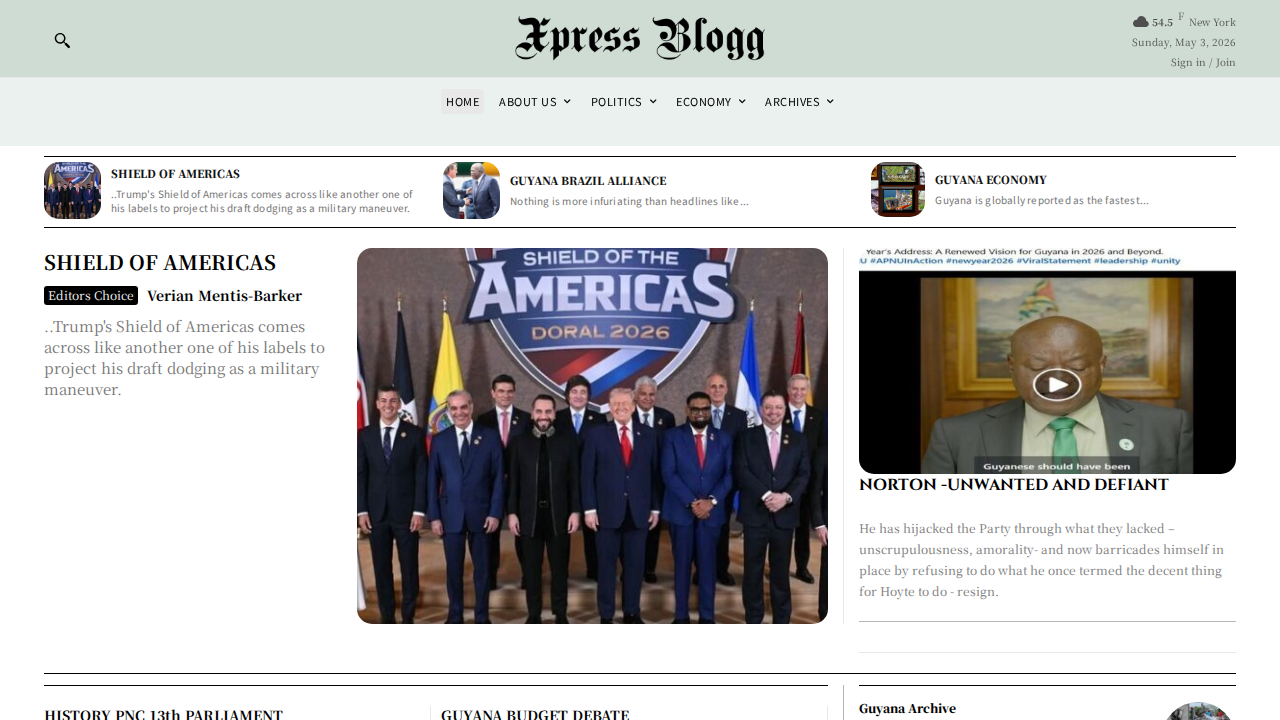
On 05/05/26 xpressblogg.com scored 61% — **Decent** – Overall, the site has a solid base, but a few visibility and credibility gaps are keeping it from showing up as clearly as it could in AI-driven results.
Executive summary
Score Breakdown (High Level)
- Discoverability: 100% - The site is easily discoverable by bots and has a clear sitemap, though it's currently missing a meta description and specialized sitemaps for images or video.
- Structured Data: 100% - The site has a solid technical foundation with comprehensive schema markup and clearly identified authors, making it very easy for search engines to verify its expertise and organization.
- AI Readiness: 67% - The site has a strong technical foundation with clear sitemaps and open access for AI crawlers, but it's currently missing a Wikidata entry to anchor its brand identity.
- Performance: 56% - While the site maintains excellent visual stability, both the homepage and specific blog posts are seeing loading speeds and responsiveness issues that land in the poor range.
- Reputation: 35% - The site is free of negative assertions and links to social profiles, but it lacks the LLM recognition, Wikidata presence, and independent press mentions required for high trust scores.
- LLM-Ready Content: 52% - The article establishes trust through clear authorship and recent updates but lacks the heading structure and data tables needed for optimal AI parsing.

The big picture before the details
What stands out most is that the site is generally understandable, but a few core signals around visibility, external validation, and content packaging aren’t as strong or consistent as they could be. The gaps here read less like “something is wrong” and more like “the story isn’t as easy to confirm and reuse” for AI-driven discovery. The sections below walk through the specific areas where that clarity drops off, so you can see exactly what’s getting in the way. None of this is unusual—these are common friction points for sites that are otherwise in solid shape.
Detailed Report
Discoverability
❌ Missing homepage summary snippet
What we saw
We didn’t find a clear homepage description that quickly summarizes what the site is about. That leaves external platforms with less to work with when they try to introduce your site in a sentence or two.
Why this matters for AI SEO
When AI systems and search experiences generate summaries, they lean on clear, concise cues to understand what a brand or site represents. If that summary isn’t present, the site can come across as harder to confidently describe.
Next step
Add a clear, human-written homepage meta description that explains what the site covers and who it’s for.
❌ Limited media discovery support
What we saw
A standard sitemap was found, but we didn’t see anything that specifically helps platforms discover image or video content as its own set. This can make media assets less visible outside of the pages they live on.
Why this matters for AI SEO
Generative experiences often pull supporting visuals and rich media when they’re confident they understand what exists and how it relates. If media is harder to find or categorize, it can reduce the chances your visuals show up alongside your content.
Next step
Publish dedicated image and/or video sitemaps (when applicable) so your media is easier to discover and interpret.
AI Readiness
❌ Brand entity not anchored in Wikidata
What we saw
We didn’t find a Wikidata entry for the brand. That means the brand isn’t currently represented as a clearly defined entity in a common public knowledge source.
Why this matters for AI SEO
AI systems rely on stable identity anchors to connect names, sites, and claims to a consistent “who/what” entity. Without that anchor, your brand can be harder to recognize and describe consistently.
Next step
Create and verify a Wikidata entry for the brand so AI systems have a clearer identity reference point.
Performance
❌ Slow primary content load on the homepage
What we saw
The homepage’s main content took noticeably longer than expected to fully appear. Even if the page eventually loads, that delay can make the experience feel sluggish.
Why this matters for AI SEO
When pages feel slow, users are less likely to stick around, share, or engage deeply—signals that indirectly shape how content is perceived and surfaced over time. It also increases the chance that your key message is missed on first impression.
Next step
Identify what’s delaying the homepage’s main content from appearing quickly and reduce that load time.
❌ Resource page feels unresponsive during load
What we saw
The article/resource page showed significant “busy time” while loading, which can make the page feel laggy or unresponsive. This is especially noticeable on content pages where readers expect fast scrolling and immediate readability.
Why this matters for AI SEO
If readers struggle to interact with a page, they’re more likely to bounce or skim, reducing the depth of engagement that helps content earn trust and repeat visibility. It also makes the content less friendly to reuse in AI-assisted experiences that prioritize smooth access.
Next step
Reduce the scripts and page elements that are causing the resource page to lock up while it loads.
❌ Slow primary content load on the resource page
What we saw
The article’s main content also took a long time to fully display. That delay can get in the way of readers quickly finding the point of the piece.
Why this matters for AI SEO
AI discovery tends to reward content that users can quickly access, understand, and trust. Slower experiences can dampen engagement and reduce how often a page becomes a “go-to” reference.
Next step
Improve the resource page load experience so the main article content appears much sooner.
❌ Overall performance quality is low on the resource page
What we saw
The resource page’s overall performance quality came in low compared to common expectations for a smooth reading experience. This lines up with the responsiveness and load delays seen on that page.
Why this matters for AI SEO
When a page consistently feels heavy, it can reduce repeat readership and sharing—two behaviors that often correlate with being seen as a reliable source. Over time, that can limit how strongly the content is “trusted” for reuse.
Next step
Bring the resource page’s overall performance quality up to a level that supports fast, uninterrupted reading.
Reputation
❌ Limited recognition across major AI systems
What we saw
The brand showed up in a very limited way across the evaluated AI knowledge sources. In practice, that looks like a light “entity footprint,” where the brand isn’t widely established outside the site itself.
Why this matters for AI SEO
Generative engines tend to be more confident when a brand is consistently recognized and described across multiple independent places. If recognition is thin, it can be harder to earn prominent or authoritative placements.
Next step
Strengthen the brand’s external identity signals so it’s easier for AI systems to recognize it consistently.
❌ Brand identity details aren’t fully verifiable
What we saw
A verified physical address wasn’t found in the available brand identity data. That makes the brand feel less “pinned down” from an external validation perspective.
Why this matters for AI SEO
When identity details are incomplete or hard to confirm, AI systems may be more cautious about summarizing the brand or treating it as a trusted entity. That caution can translate into less confident citations or weaker visibility.
Next step
Make sure the brand’s real-world identity details are consistently available and verifiable across the web.
❌ No Wikidata entity found for the brand
What we saw
No matching Wikidata entity was identified for the brand. This reinforces that the brand isn’t well-established in a common public entity database.
Why this matters for AI SEO
Wikidata is one of the clearer “anchor points” AI systems can use to resolve identity and connect related references. Without it, the brand may be more likely to be treated as ambiguous or less established.
Next step
Create a Wikidata entity for the brand and ensure it clearly represents the site and organization.
❌ Wikidata identity anchors are missing
What we saw
Because a Wikidata entry wasn’t found, there were no official identity anchors connected there (like an official website association). That removes a straightforward verification path for systems that rely on these connections.
Why this matters for AI SEO
Identity anchors help AI models connect the dots between a brand name, a website, and other references without second-guessing. When those anchors aren’t present, AI summaries can become less consistent.
Next step
Ensure the brand’s entity profile includes strong official identifiers that tie it back to the website.
❌ No third-party reviews or customer feedback found
What we saw
We didn’t see third-party reviews or customer feedback tied to the brand. That leaves little independent sentiment context available outside your own channels.
Why this matters for AI SEO
Independent reviews can act as trust reinforcement, helping AI systems feel more confident describing a brand’s reputation. When reviews aren’t present, the brand can appear harder to validate.
Next step
Build a track record of third-party reviews in places that are publicly accessible and clearly associated with the brand.
❌ Review sources aren’t clearly established
What we saw
No concrete review sources were identified. So even if feedback exists somewhere, it isn’t being surfaced in a way that’s easy to verify and attribute.
Why this matters for AI SEO
AI systems tend to trust review signals more when they can point to clear, recognizable sources. Without those sources, reputation cues are weaker and less reusable.
Next step
Make sure any reviews are hosted on recognizable third-party platforms and consistently tied back to the brand.
❌ Social profile signals are inconsistent
What we saw
The brand’s major social profiles weren’t identified consistently across the available data. That makes it harder to confidently connect the brand to its official accounts.
Why this matters for AI SEO
When social identity is clear and consistent, it strengthens brand verification and helps AI systems understand what’s official. If it’s inconsistent, systems may hesitate to treat those profiles as authoritative.
Next step
Standardize and reinforce the brand’s official social profiles so they’re easy to confirm across the web.
❌ No independent press coverage found
What we saw
We didn’t see independent third-party press mentions or coverage connected to the brand. That suggests the brand isn’t yet being referenced by outside publications.
Why this matters for AI SEO
Independent coverage is one of the clearer authority signals AI systems can use to validate that a brand is recognized beyond its own site. Without it, the brand can feel more “self-contained.”
Next step
Develop credible third-party mentions so the brand has more independent validation signals.
❌ No owned press mentions identified
What we saw
We didn’t find onsite press releases or other owned press-style mentions. That removes an easy place for AI systems (and people) to find official updates and milestones.
Why this matters for AI SEO
Owned announcements can help AI systems understand what’s new, notable, and verified directly by the brand. When that content isn’t present, there’s less context to pull into summaries.
Next step
Add a clear place on the site for official announcements or press-style updates tied to the brand.
LLM-Ready Content (Blog Analysis)
Heads up: this section looks at one article as a snapshot, so it’s a little more interpretive than the rest of the report and may shift slightly from run to run. Have questions? Just shoot us an email at hello@v9digital.com
❌ Content isn’t broken into clear sections
What we saw
The article isn’t divided into clear, scannable sections using subheads, which makes it read as one long flow. That can make it harder for a reader (or a system) to quickly locate specific points.
Why this matters for AI SEO
AI systems understand and reuse content more reliably when it’s chunked into distinct ideas they can reference. Without clear sections, important takeaways are easier to miss or blend together.
Next step
Break the article into a set of clearly labeled sections so each major idea is easy to spot and summarize.
❌ No table-based information formatting
What we saw
We didn’t find any table-style formatting in the article. That means comparisons, lists, timelines, or structured facts (if present) aren’t being presented in a format that’s easy to extract.
Why this matters for AI SEO
Tables can help AI systems capture relationships and key facts with less ambiguity. When everything is only in paragraph form, it’s harder for systems to confidently reuse details.
Next step
Add a simple table where it naturally fits (for example, to summarize key entities, claims, dates, or comparisons).
❌ Subheadings aren’t available to describe key topics
What we saw
Because the page doesn’t use subheadings, there aren’t clear “topic labels” guiding the reader through the argument. As a result, the structure and key themes are less explicit at a glance.
Why this matters for AI SEO
Descriptive subheadings help AI systems map what the content covers and where each answer or claim lives. Without them, systems have to infer structure, which can reduce accuracy.
Next step
Add descriptive subheadings that reflect the specific questions, claims, or themes each section covers.
❌ Key takeaways aren’t clearly surfaced early
What we saw
The article doesn’t clearly surface its main answers or takeaways near the top in a way that’s easy to evaluate quickly. Without structured sections, the “so what” can feel buried in the flow.
Why this matters for AI SEO
Generative engines often prioritize content that makes the main point easy to confirm early, before they invest in deeper parsing. If the core takeaway isn’t easy to spot, the page can be less likely to be cited or summarized.
Next step
Make the main takeaway(s) obvious near the beginning so readers and AI systems can quickly understand the point of the piece.
Does Anything Seem Off?
Thanks for taking our free GEO Grader for a spin. When we started this journey, the tool had a fairly long processing time to check everything we wanted both onsite and offsite, so we made a few adjustments on the backend to speed things up. As a result, there are times when the grader may not get everything 100% right. If something feels off, we recommend running the tool a second time to confirm the results. From there, you’re always welcome to reach out to us to schedule a GEO consultation, or to have your SEO provider validate the findings with a more detailed crawl and manual review.
