
Overview:
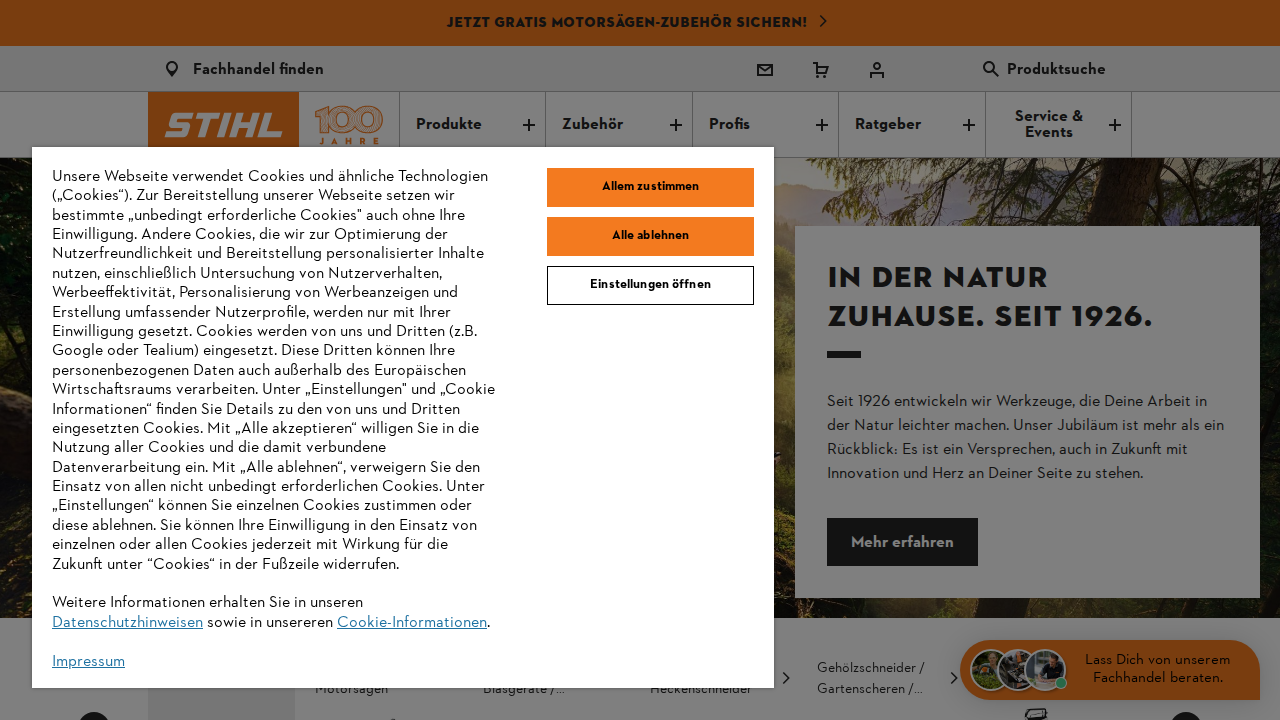
On 01/28/26 stihl.de scored 59% — **Fair** – Overall, the site has a solid baseline for AI visibility, but a few credibility and content clarity gaps are holding it back.
Executive summary
Score Breakdown (High Level)
- Discoverability: 100% - Technical discoverability is very strong with no crawling blocks or indexing issues, though the absence of image or video sitemaps is a minor gap.
- Structured Data: 58% - The homepage has a solid technical foundation with valid organization schema, but the lack of resource-level data prevented us from verifying authorship and expertise signals.
- AI Readiness: 67% - The site has a strong technical foundation for AI readiness, though it lacks a verified Wikidata entity to help anchor its brand identity.
- Performance: 50% - Overall, the site avoids a poor performance rating for responsiveness and stability, but the homepage loading speed is a major bottleneck at over 25 seconds.
- Reputation: 58% - Overall, the brand has strong recognition and great offsite coverage, though negative review data and a missing Wikidata profile are the main things holding back its reputation score.
- LLM-Ready Content: 44% - The page is well-organized with descriptive subheadings and good readability, but it lacks specific author attribution and date stamps that help AI systems establish trust and relevance.

The main takeaway at a glance
The big picture is that the site is generally easy for bots to access, but a few trust and clarity signals aren’t coming through as strongly as they could. Most of the gaps are about how clearly the brand and its content can be verified—things like consistent identity references, visible authorship, and clear freshness cues—rather than outright missing content. Below, we’ll walk through the specific areas where the report flagged missing or unclear signals across discoverability, performance, reputation, and content readiness. None of this is unusual, but it does explain why AI visibility may feel a bit inconsistent today.
Detailed Report
Discoverability
❌ No image or video sitemap found
What we saw
We didn’t detect any dedicated image or video sitemaps in the site data. That means rich media content isn’t being explicitly surfaced in a way some discovery systems rely on.
Why this matters for AI SEO
When AI systems and search engines are trying to understand and surface your visuals, clear media discovery signals can make it easier to find and interpret what those assets represent. Without them, strong visual content can be harder to consistently connect to the right pages and topics.
Next step
Add dedicated image and/or video sitemaps so key visual assets are easier to discover and associate with the right pages.
Structured Data
❌ Resource/blog page structured data couldn’t be validated
What we saw
The resource page data we expected to review was missing or empty, so we couldn’t confirm what structured information (if any) is present on that page. As a result, this part of the evaluation had limited visibility.
Why this matters for AI SEO
Generative engines rely on consistent, machine-readable cues to understand what a page is and how it should be trusted or referenced. If the content page can’t be interpreted clearly, it becomes harder for AI systems to confidently use it as a source.
Next step
Ensure the resource/blog page reliably returns complete content so its structured signals can be detected and understood.
❌ Author on the resource/blog content wasn’t identifiable
What we saw
Because the resource page data was missing or empty, we couldn’t verify that the content has a clear, non-generic author attached to it. There wasn’t enough information available to confirm authorship signals.
Why this matters for AI SEO
Clear authorship helps AI systems evaluate expertise and credibility, especially when the content is informational. When author details aren’t available, the page can read more like anonymous marketing content than a reliable reference.
Next step
Make sure each resource/blog page clearly identifies an individual author in a way that’s consistently detectable.
❌ Author verification links (SameAs) weren’t found
What we saw
We weren’t able to confirm any author verification links associated with the resource/blog content because the resource page data was missing or empty. This prevented validation of any author identity references.
Why this matters for AI SEO
AI systems look for reinforcing identity cues to reduce ambiguity about who created the content. When those cues aren’t present, it can limit trust and reduce the likelihood the content is used as a source.
Next step
Add clear author identity references that connect the author to consistent public profiles.
AI Readiness
❌ No Wikidata entity detected for the brand
What we saw
We didn’t find a Wikidata entity ID for the brand in the evaluation data. That leaves the brand without a commonly used independent reference point.
Why this matters for AI SEO
Generative engines often use independent entities to confirm identity and reduce confusion across similar names or locations. When that reference isn’t available, identity verification can be less consistent.
Next step
Establish a verified Wikidata entity for the brand so identity is easier to confirm across AI systems.
Performance
❌ Main page takes a long time to visually load
What we saw
The evaluation flagged the main page’s primary visual load as significantly delayed, with the largest content element taking over 25 seconds to appear. That’s a noticeable wait for users trying to engage with the page.
Why this matters for AI SEO
Slow visual load can reduce how effectively content gets consumed and shared, and it can limit consistent access for systems that need to retrieve and interpret page content quickly. Over time, that friction can weaken overall visibility and engagement signals.
Next step
Reduce the time it takes for the main page’s largest content element to render so the page becomes usable sooner.
Reputation
❌ Negative client sentiment was identified
What we saw
The reputation research data included negative client feedback about service and quality. This was strong enough to be flagged as an affirmed negative theme.
Why this matters for AI SEO
Generative engines often reflect widely available sentiment when describing or recommending brands. If negative feedback is prominent, it can shape how AI summarizes trust and reliability.
Next step
Review the specific negative themes being surfaced and align brand messaging and proof points to address them.
❌ Negative employee sentiment was identified
What we saw
The research data also surfaced negative employee feedback, including mentions of below-average salary. This was flagged as a meaningful reputation signal.
Why this matters for AI SEO
AI systems frequently incorporate employer sentiment into brand narratives, especially for larger or well-known companies. Negative employee themes can influence perceived credibility and brand stability.
Next step
Validate what employee sentiment themes are most visible publicly and ensure your employer narrative is consistent and well-supported.
❌ Brand identity details appear inconsistent across sources
What we saw
The evaluation showed conflicting physical addresses being associated with the brand across different model outputs. That inconsistency suggests the brand’s identity details aren’t lining up cleanly.
Why this matters for AI SEO
When core identity details vary across sources, AI systems can get less confident about which information is official. That can lead to muddier brand summaries and weaker trust signals.
Next step
Standardize the brand’s official identity details so the same core information is reinforced consistently across the web.
❌ No verified Wikidata match was found
What we saw
The evaluation did not find a verified Wikidata match for the brand. This mirrors the missing brand entity signal seen elsewhere in the report.
Why this matters for AI SEO
Wikidata is a common third-party reference point used to validate identity, especially when brand details need disambiguation. Without it, brand verification can be less consistent across AI answers.
Next step
Create or claim a Wikidata entry that clearly maps to the official brand identity.
❌ Official identity anchors couldn’t be verified via Wikidata
What we saw
Because a Wikidata profile wasn’t available, the evaluation couldn’t confirm common identity anchors (like official website references or other identifiers) in that ecosystem. In practice, those verification points were simply unavailable.
Why this matters for AI SEO
Identity anchors help AI systems connect the dots between your site and trusted third-party references. When those anchors are missing, it’s easier for confusion or incomplete brand profiles to persist.
Next step
Ensure the brand has a robust third-party identity record that includes clear official references.
LLM-Ready Content (Blog Analysis)
Heads up: this section looks at one article as a snapshot, so it’s a little more interpretive than the rest of the report and may shift slightly from run to run. Have questions? Just shoot us an email at hello@v9digital.com
❌ No clear individual author was found
What we saw
The content did not show a visible individual author, and no author details were detected in the page’s structured information. Instead, it reads as generic corporate content.
Why this matters for AI SEO
AI systems weigh attribution heavily when deciding what content is trustworthy enough to reuse or cite. Without a clear author, it’s harder to attach expertise and accountability to the information.
Next step
Add a clear, individual author to the resource content so attribution is unambiguous.
❌ No publication or update date was found
What we saw
We didn’t see a clear published date or last updated date within the content itself. The evaluation also did not detect standard date signals associated with the page.
Why this matters for AI SEO
Freshness and timeliness are big context cues for generative engines, especially for product guidance and technical information. When date context is missing, AI systems may treat the page as less reliable or harder to qualify.
Next step
Make the content’s publish and/or last updated date clearly available and easy to detect.
❌ Recency couldn’t be verified
What we saw
Because no publication or update date was detected, the evaluation could not confirm whether the content has been updated recently. This is a visibility gap rather than a statement about the content’s actual accuracy.
Why this matters for AI SEO
When AI systems can’t determine if something is current, they’re more cautious about using it as a definitive source. That can reduce how often the content is pulled into AI-generated answers.
Next step
Add clear date context so content recency can be confidently determined.
❌ Content is broken into very short sections
What we saw
The page structure is heavily teaser-style, with many sections averaging well under the typical length needed to deliver full context. It comes across more like a navigation hub than a standalone knowledge resource.
Why this matters for AI SEO
Generative engines do best when they can extract self-contained explanations from clearly defined sections. When most sections are too short, the page provides fewer quotable “answer blocks” that AI can reuse with confidence.
Next step
Expand key sections so they contain enough self-contained context to stand on their own.
❌ No standard HTML table was detected
What we saw
The evaluation did not detect any standard HTML tables on the page, even where factual details might be expected. Information appears to be presented via grids and lists instead.
Why this matters for AI SEO
Tables are one of the easiest formats for AI systems to extract and restate accurately, especially for comparisons and specs. Without them, structured factual data can be harder to interpret consistently.
Next step
Where appropriate, present key factual data in a standard HTML table format so it’s easier to extract and summarize.
Does Anything Seem Off?
Thanks for taking our free GEO Grader for a spin. When we started this journey, the tool had a fairly long processing time to check everything we wanted both onsite and offsite, so we made a few adjustments on the backend to speed things up. As a result, there are times when the grader may not get everything 100% right. If something feels off, we recommend running the tool a second time to confirm the results. From there, you’re always welcome to reach out to us to schedule a GEO consultation, or to have your SEO provider validate the findings with a more detailed crawl and manual review.
