
Overview:
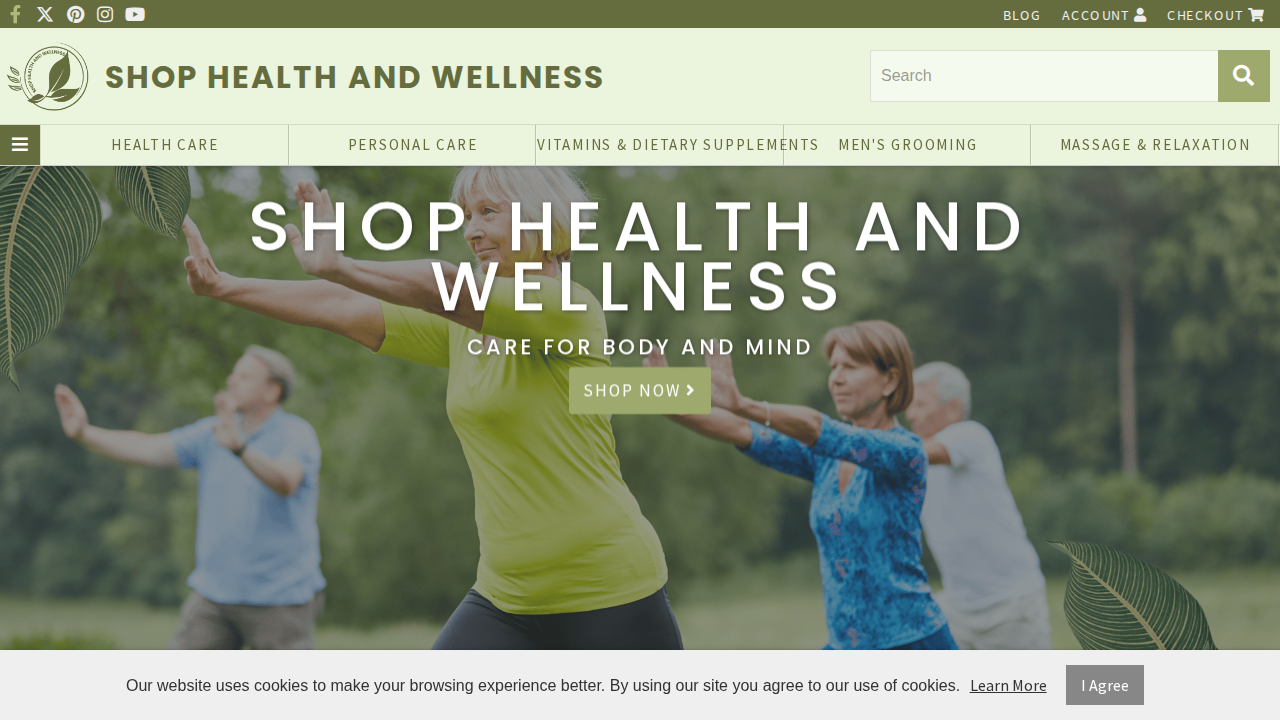
On 04/11/26 shophealthandwellness.com scored 48% — **Below Average** – Overall, the site has a solid base, but some missing details make it harder for AI systems to confidently understand, trust, and reuse what you publish.
Executive summary
Score Breakdown (High Level)
- Discoverability: 100% - The site’s discoverability is in decent shape with a clear sitemap and accessible homepage, though the empty meta description and lack of visual sitemaps are the main gaps.
- Structured Data: 33% - The site has a basic schema foundation on the homepage, but it's missing the descriptive organization and author-level data that helps search engines verify your brand's expertise.
- AI Readiness: 67% - The technical setup for AI crawlers and sitemaps is in great shape, though the brand is missing a Wikidata entity to anchor its identity.
- Performance: 50% - The site's responsiveness and layout stability are solid, but the homepage is taking nearly 30 seconds to load its main content, which is a major performance bottleneck.
- Reputation: 46% - The brand maintains a clean reputation and established social presence, but lacks a verified physical identity and independent media coverage to fully anchor its authority.
- LLM-Ready Content: 16% - The page lacks critical metadata like authors and dates, and the content sections are too brief to be highly effective for AI synthesis.

The big picture before the details
What stands out most is that the site is generally understandable, but it’s missing several signals that help AI systems verify identity and confidently reuse content. The gaps read less like “errors” and more like missing clarity around who’s behind the site and how up-to-date and well-supported the content is. The next section breaks down the specific areas where those signals didn’t show up, organized by category so it’s easy to follow. Overall, this is a manageable set of visibility and trust gaps once you see them laid out.
Detailed Report
Discoverability
❌ Meta description is empty
What we saw
The meta description tag is present on the homepage, but it doesn’t contain any actual text. That leaves platforms to fill in the blanks when they summarize your brand.
Why this matters for AI SEO
When AI systems and search results try to describe your homepage, an empty description can reduce clarity about what you do and who you’re for. That can also make it harder for your brand to show up consistently for the right kinds of queries.
Next step
Write a clear, specific homepage description that summarizes what the business offers and who it’s meant to help.
❌ No image or video sitemap detected
What we saw
We didn’t see any dedicated sitemap support for visual media content. This can make it easier for important visuals to be overlooked or discovered more slowly.
Why this matters for AI SEO
AI-driven discovery increasingly pulls from images and videos for summaries, results, and brand understanding. If your visual content is harder to find or interpret at scale, you may miss visibility in more visual-first experiences.
Next step
Make sure your visual media is surfaced in a way that’s consistently discoverable across the site.
Structured Data
❌ Organization-level structured data not found
What we saw
We only detected basic homepage structured data at the page level, but nothing that clearly defines the brand as an organization. That means the site is presenting “a page,” but not clearly presenting “a business/entity.”
Why this matters for AI SEO
AI systems rely on consistent identity signals to connect your website to the real-world brand behind it. Without stronger organization-level context, it’s easier for your brand to be treated as generic or harder to validate.
Next step
Add clear organization-level structured data that identifies the business behind the site.
❌ Resource/blog structured data couldn’t be evaluated
What we saw
The resource or blog page HTML wasn’t available for review in this run. Because of that, we couldn’t confirm whether content pages include the expected structured context.
Why this matters for AI SEO
Content pages are where AI engines often look for deeper topical signals and supporting details. If those pages don’t provide strong context, it can limit how confidently AI can summarize or cite your content.
Next step
Provide a resource/blog page for evaluation so the content-level structured data can be reviewed.
❌ Author name on resource/blog content couldn’t be verified
What we saw
Because the resource/blog page HTML wasn’t provided, we weren’t able to confirm that articles have a clear, non-generic author. That leaves authorship signals unverified.
Why this matters for AI SEO
Authorship helps AI systems decide whether content is credible and attributable to a real person or team. When that’s missing or unclear, content can be treated as less trustworthy.
Next step
Ensure blog/resource content includes a clearly identified author and make it consistently visible.
❌ Author identity links couldn’t be verified
What we saw
Since the resource/blog page HTML wasn’t provided, we couldn’t confirm whether author profiles include identity links that connect to known third-party profiles. This leaves author identity harder to validate.
Why this matters for AI SEO
AI systems tend to trust people and brands more when they can be corroborated across the web. Without consistent identity anchors, it’s harder for AI to confidently connect content to a real author.
Next step
Add consistent author identity references that help corroborate who created the content.
AI Readiness
❌ No Wikidata entity found for the brand
What we saw
We didn’t find a Wikidata entry associated with the brand in the available brand trust data. That leaves an important external identity reference missing.
Why this matters for AI SEO
AI systems often use established knowledge sources to verify and connect brand information across the web. When that connection isn’t present, your identity can be harder to confirm and summarize accurately.
Next step
Create or claim a Wikidata entity for the brand and ensure it’s aligned with your official identity.
Performance
❌ Main homepage content loads very late
What we saw
The homepage’s primary content takes a long time to fully appear, with the main content render happening far later than expected. Even if the page eventually becomes usable, that delay is a standout issue.
Why this matters for AI SEO
Slow-to-appear primary content can reduce how effectively systems can access and interpret the most important information on the page. It can also weaken the first impression for both users and automated readers.
Next step
Identify what’s delaying the homepage’s main content from appearing quickly and prioritize reducing that delay.
Reputation
❌ Brand identity details aren’t consistently verified
What we saw
We couldn’t confirm a verified physical address in the available consensus data. That leaves a key piece of real-world business identity incomplete.
Why this matters for AI SEO
When core identity details are missing or unclear, it’s harder for AI systems to treat the brand as fully established. That can reduce confidence when AI is deciding whether to surface or reference the business.
Next step
Make sure the business’s real-world identity details are clearly established and consistent wherever the brand is represented.
❌ Wikidata presence wasn’t confirmed in reputation checks
What we saw
No matching Wikidata entity was found for the brand during the reputation review. We also didn’t see supporting official identity anchors associated with Wikidata for the brand.
Why this matters for AI SEO
Wikidata can act like an external “identity hub” that helps AI systems reconcile names, websites, and brand references. Without it, it’s easier for your brand to have a smaller or less certain footprint.
Next step
Establish a Wikidata entry that includes official identity references tied back to the brand.
❌ Third-party reviews weren’t confirmed
What we saw
We didn’t find consensus that third-party reviews or customer feedback exist, and we couldn’t verify concrete review sources. This makes outside validation feel thin.
Why this matters for AI SEO
Independent customer feedback is a common trust signal that helps AI systems gauge legitimacy and satisfaction. When it’s not clearly present, AI has fewer external references to lean on.
Next step
Build and maintain a consistent presence on credible third-party review platforms that are clearly associated with the brand.
❌ Major social profiles weren’t consistently corroborated
What we saw
Even though the homepage links out to social profiles, we didn’t see broad consensus on the brand’s major social profiles in the available model data. In other words, the signals exist onsite, but they’re not strongly confirmed offsite.
Why this matters for AI SEO
When AI systems can corroborate official profiles across sources, it strengthens entity confidence and reduces ambiguity. Without that, your brand can look less established than it actually is.
Next step
Ensure your official social profiles are clearly branded and consistently referenced across the web.
❌ Independent coverage wasn’t found
What we saw
We didn’t find evidence of independent press or third-party coverage. We also couldn’t verify any owned press or press releases on the site.
Why this matters for AI SEO
Third-party mentions help validate that a brand exists beyond its own website and social pages. Without that wider footprint, AI systems have fewer external references to support visibility and trust.
Next step
Build a track record of credible third-party mentions and maintain an easy-to-find place onsite where those mentions live.
LLM-Ready Content (Blog Analysis)
Heads up: this section looks at one article as a snapshot, so it’s a little more interpretive than the rest of the report and may shift slightly from run to run. Have questions? Just shoot us an email at hello@v9digital.com
❌ No clear author shown
What we saw
We didn’t see a visible author name or an author identified in structured context for the page. As a result, it’s not clear who the content is attributed to.
Why this matters for AI SEO
AI systems look for authorship as a credibility and attribution signal. Without it, the content is harder to trust, cite, or summarize as expert-backed information.
Next step
Add a clear, non-generic author attribution that’s consistently displayed on content pages.
❌ No publication or update date found
What we saw
We didn’t find an explicit publish date or last-updated date in the content. That makes it tough to tell how current the information is.
Why this matters for AI SEO
Freshness and timeliness affect whether AI systems treat content as reliable for today’s questions. If the date isn’t clear, AI may be more hesitant to surface it for time-sensitive topics.
Next step
Include a clear publication date and, when relevant, a last-updated date on the page.
❌ Freshness couldn’t be confirmed
What we saw
Because no modified date was detected, we couldn’t verify whether the page has been updated recently. That leaves the content’s recency ambiguous.
Why this matters for AI SEO
When AI can’t confidently assess how current a page is, it may prioritize other sources that are easier to date and validate. This can reduce visibility for competitive informational queries.
Next step
Make the content’s recency clear by displaying and maintaining an accurate updated date where appropriate.
❌ No non-social external references
What we saw
The page only links internally and to social profiles, with no external citations or references to third-party sources. That makes the content feel more self-contained than supported.
Why this matters for AI SEO
Outbound references can help AI systems understand where claims come from and how the content connects to the broader topic landscape. Without them, the content can be harder to validate.
Next step
Add a small set of relevant third-party references that support key claims or definitions in the content.
❌ Sections are too thin for deeper extraction
What we saw
While the page is broken into sections, the sections themselves are very brief on average. That makes it hard to extract complete, stand-alone answers from each block.
Why this matters for AI SEO
LLMs tend to do better when content sections contain enough substance to capture context, definitions, and supporting detail. Thin sections limit what AI can confidently reuse or summarize.
Next step
Expand key sections so each one contains enough detail to stand on its own without requiring extra interpretation.
❌ No table-based summary found (bonus)
What we saw
We didn’t find an HTML table on the page. That means there isn’t a structured, scannable summary for comparisons, specs, or quick takeaways.
Why this matters for AI SEO
Well-structured summaries can make it easier for AI systems to extract precise facts and align them with user questions. When that structure isn’t present, AI may rely on looser interpretation.
Next step
Where it fits the topic, include a simple table to summarize key comparisons, steps, or attributes.
❌ Subheadings aren’t descriptive enough
What we saw
The subheadings appeared too short or didn’t clearly match what the section text actually covers. In practice, they read more like stylistic labels than meaningful guideposts.
Why this matters for AI SEO
Descriptive subheadings help AI map topics and intent across a page quickly. When headings don’t convey meaning, it’s harder for AI to segment and reuse the right parts of the content.
Next step
Rewrite subheadings so each one clearly signals the specific question, topic, or takeaway of its section.
Does Anything Seem Off?
Thanks for taking our free GEO Grader for a spin. When we started this journey, the tool had a fairly long processing time to check everything we wanted both onsite and offsite, so we made a few adjustments on the backend to speed things up. As a result, there are times when the grader may not get everything 100% right. If something feels off, we recommend running the tool a second time to confirm the results. From there, you’re always welcome to reach out to us to schedule a GEO consultation, or to have your SEO provider validate the findings with a more detailed crawl and manual review.
