
Overview:
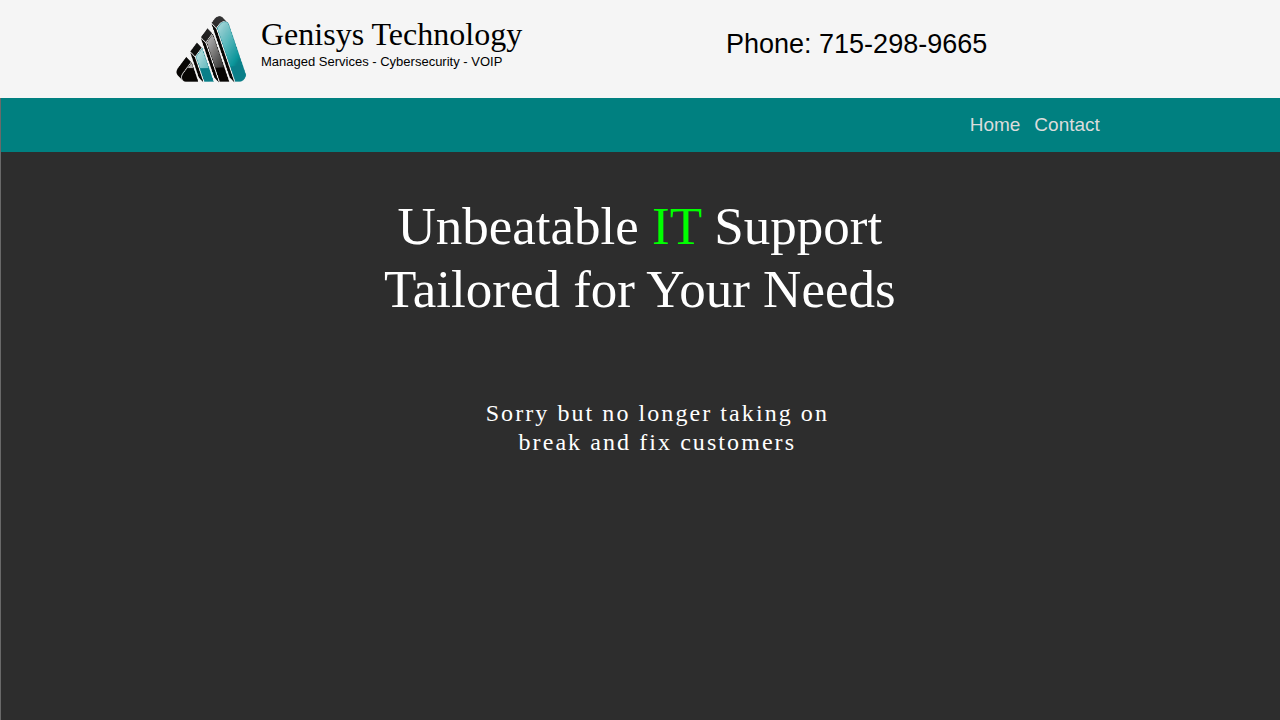
On 07/12/26 genisystek.com scored 55% — **Fair** – Overall, the site has a solid base, but it’s missing some key clarity signals that help AI systems confidently understand the brand and content.
Executive summary
Score Breakdown (High Level)
- Discoverability: 100% - Overall, this section is in great shape, with clear metadata and a standard sitemap in place to help search engines find the content.
- Structured Data: 0% - We weren't able to find any schema markup or structured data on the site, which makes it harder for generative engines to pin down your specific business details.
- AI Readiness: 50% - The site has a healthy sitemap and crawlable setup, but it’s currently missing the clear brand signals and Wikidata presence that AI models look for.
- Performance: 67% - Mobile performance is in excellent shape, with fast load times and a very high Lighthouse score across the board.
- Reputation: 69% - The brand is recognized by multiple models and has independent press coverage, but identity conflicts and a lack of social links on the homepage are limiting its trust signals.
- LLM-Ready Content: 40% - We weren't able to find a clear heading structure or any recent content updates, which are both important for how AI systems process and trust your site's information.

Where AI clarity breaks down most
The big picture is that the site’s visibility signals are uneven: some core signals are present, but several key pieces that help AI systems verify identity and interpret content are missing. Most of the gaps aren’t “errors” so much as places where the brand and pages don’t communicate context in a way AI can confidently reuse. The sections below walk through each area that didn’t meet the mark, grouped by theme so you can see exactly what’s getting in the way. Overall, it’s a manageable set of issues, and the patterns are pretty clear once you see them laid out.
Detailed Report
Discoverability
❌ No image or video sitemap found
What we saw
We didn’t find a dedicated sitemap that helps surface image or video content. Only a standard sitemap was referenced in the results we were given.
Why this matters for AI SEO
When rich media isn’t clearly mapped out, AI systems may miss supporting assets that add context and credibility to your pages. That can limit how often images or videos get pulled into AI-generated answers.
Next step
Publish an image and/or video sitemap (as relevant) so your media content is easier for crawlers and AI systems to fully discover.
Structured Data
❌ No schema markup detected on the homepage
What we saw
We didn’t detect any schema blocks on the homepage in the provided data. That means the page isn’t explicitly labeling key business details in a standardized way.
Why this matters for AI SEO
Without structured context, AI systems have to guess more about what the business is, what it does, and which details are authoritative. That can reduce confidence when models summarize or cite the brand.
Next step
Add schema markup to the homepage so your core business information is clearly defined.
❌ Missing organization-type schema on the homepage
What we saw
No organization-related schema type was found, because no schema was present on the homepage at all. As a result, there isn’t a clear structured “this is who we are” signal.
Why this matters for AI SEO
Organization-level signals help AI systems connect your site to a real-world entity and reduce ambiguity around brand identity. When that’s missing, it’s harder to consistently attribute information to your business.
Next step
Include an organization-type schema block on the homepage to clearly define the brand entity.
❌ Resource/blog page schema couldn’t be evaluated
What we saw
A resource/blog page HTML snapshot wasn’t provided for this part of the check. Because of that, we couldn’t confirm whether schema exists on that content.
Why this matters for AI SEO
Content pages are often what AI systems pull from when answering specific questions, and structured signals can help models interpret and trust that content. When it’s unclear what’s present, it’s harder to validate consistency.
Next step
Make sure your key resource/blog pages include appropriate schema and can be reviewed consistently.
❌ Schema quality couldn’t be validated
What we saw
This check failed because there wasn’t any schema present to validate for errors. In other words, there was nothing available to confirm as clean and usable.
Why this matters for AI SEO
AI systems benefit most when structured information is both present and consistent. If it’s missing entirely, you lose a reliable way to communicate important facts.
Next step
Implement schema on key pages so it can be validated and relied on as a consistent source of truth.
❌ Clear author details weren’t confirmed for a resource/blog post
What we saw
No resource page was provided for review, and we didn’t see author identification in the data for that content. That left author clarity unverified in this evaluation.
Why this matters for AI SEO
Clear authorship helps AI systems interpret content quality and accountability, especially for informational pages. When author signals are missing or unconfirmed, content can be harder to trust or reuse.
Next step
Ensure resource/blog content consistently includes clear, specific author identification.
❌ No author sameAs links were found
What we saw
We didn’t find author schema with sameAs links, because author schema wasn’t detected for the resource/blog content in the provided inputs. That leaves authors less connected to recognizable profiles.
Why this matters for AI SEO
When authors connect to consistent external profiles, it’s easier for AI systems to disambiguate identity and attribute expertise. Without that, author signals tend to be weaker and less verifiable.
Next step
Add author schema that includes sameAs links to the author’s primary, official profiles where appropriate.
AI Readiness
❌ No About/company context link found from the homepage
What we saw
In the homepage links that were detected, we didn’t see an internal link that clearly points to an About, Company, or Team-style page. That makes brand context harder to find from the main entry point.
Why this matters for AI SEO
AI systems rely on clear context to understand who’s behind the site and how to describe the business accurately. When that context isn’t easy to locate, summaries can end up thinner or less confident.
Next step
Make sure the homepage clearly links to a dedicated brand context page (e.g., About/Company/Team).
❌ No Wikidata entity found for the brand
What we saw
A Wikidata item ID wasn’t found for the brand in the provided results. That suggests there isn’t an established entity record to reference here.
Why this matters for AI SEO
Entity sources can help AI systems resolve brand identity and reduce confusion with similarly named companies. When that’s missing, it’s harder to anchor the brand to a single, consistent identity.
Next step
Create and maintain a Wikidata entity for the brand so AI systems have a clearer identity reference.
Reputation
❌ Brand identity appears inconsistent across sources
What we saw
We saw conflicting brand names and addresses across different sources, including multiple variations of the company name and multiple city locations. That inconsistency makes it unclear which version is the authoritative identity.
Why this matters for AI SEO
When identity details don’t line up, AI systems can struggle to confidently connect mentions, profiles, and citations back to the same entity. That can dilute trust and make brand-level summaries less stable.
Next step
Standardize your official brand name and address details across the major places they appear online.
❌ No Wikidata entity found
What we saw
No matching Wikidata entity was found for the brand in the reputation results. That leaves a gap in widely recognized entity verification.
Why this matters for AI SEO
A recognized entity record can help AI models disambiguate your brand and reinforce “who is this” understanding across the web. Without it, identity confidence often relies on scattered signals.
Next step
Establish a Wikidata entity so the brand has a consistent, public identity reference.
❌ Missing Wikidata identity anchors
What we saw
Because there wasn’t a Wikidata entry available, there were no identifier anchors (like official website references) coming through from that source. The identifier count was effectively zero in the provided data.
Why this matters for AI SEO
Identity anchors help AI systems connect the dots between your brand name and the right official web properties. When those anchors are absent, it’s easier for models to mix signals or stay uncertain.
Next step
Make sure your brand has a Wikidata record that includes the key identity anchors you want associated with the business.
❌ Homepage doesn’t link to major social profiles
What we saw
We didn’t find homepage links pointing to major social platforms like LinkedIn, X/Twitter, Facebook, Instagram, or YouTube. That removes a straightforward verification trail from your site to your official profiles.
Why this matters for AI SEO
Official social links can act as simple trust and identity connectors, especially when AI systems look for corroborating brand presence. When those links aren’t visible, models may have fewer confirmed reference points.
Next step
Add clear links from the homepage to your official social profiles (where your brand is active).
LLM-Ready Content (Blog Analysis)
Heads up: this section looks at one article as a snapshot, so it’s a little more interpretive than the rest of the report and may shift slightly from run to run. Have questions? Just shoot us an email at hello@v9digital.com
❌ Content isn’t recent
What we saw
The only visible date we saw was from 2018, which indicates the page hasn’t been updated recently. That makes the content look older at a glance.
Why this matters for AI SEO
AI systems often weigh how current a page appears when deciding what to quote or summarize, especially for topics that evolve. Older-looking content can get bypassed even when it’s still accurate.
Next step
Refresh the page so the date and content signal that it’s current and maintained.
❌ Weak content chunking
What we saw
We didn’t find any H2 sections, so the content doesn’t break down into clear, scannable blocks. That makes it harder to quickly identify the main points.
Why this matters for AI SEO
When content is clearly segmented, AI systems can extract and reuse specific parts more reliably. Without that structure, key details can be harder to interpret and cite.
Next step
Restructure the page into clear sections so the main topics are easy to parse.
❌ No table found
What we saw
No HTML table element was detected on the page. That means there isn’t an obvious “at-a-glance” way the information is summarized.
Why this matters for AI SEO
Tables can make comparisons, specs, or quick summaries easier for AI systems to extract accurately. Without them, models may have to interpret dense text and can miss nuance.
Next step
Add a simple table where it naturally fits to summarize the most important information.
❌ Subheadings aren’t clearly descriptive
What we saw
Because there were fewer than two H2s, we couldn’t confirm the presence of descriptive subheadings. The page doesn’t clearly signpost what each section is about.
Why this matters for AI SEO
Descriptive subheadings help AI systems understand the scope of the page and map specific questions to specific sections. When headings aren’t doing that job, content clarity can drop.
Next step
Use descriptive subheadings that explicitly label the key questions and themes covered on the page.
❌ Key answers aren’t easy to find early
What we saw
Since no sections were identified, we couldn’t evaluate whether key answers appear early in the content. The page structure doesn’t make “the point” obvious upfront.
Why this matters for AI SEO
AI systems often prioritize content that gets to clear answers quickly. If the page buries the lead, it can be less likely to be used for direct responses.
Next step
Make sure the main takeaways are clearly stated near the beginning in a way that’s easy to extract.
❌ Readability and cohesion issues
What we saw
We saw multiple acronyms (like VOIP, DVR, and LLC) used without nearby explanations. That can make the content harder to follow for readers who aren’t already familiar with the terms.
Why this matters for AI SEO
When terminology is ambiguous, AI systems can misinterpret what a passage means or struggle to paraphrase it cleanly. Clear definitions help models produce more accurate summaries.
Next step
Define acronyms and specialized terms the first time they appear so the content is clearer for both humans and AI.
Does Anything Seem Off?
Thanks for taking our free GEO Grader for a spin. When we started this journey, the tool had a fairly long processing time to check everything we wanted both onsite and offsite, so we made a few adjustments on the backend to speed things up. As a result, there are times when the grader may not get everything 100% right. If something feels off, we recommend running the tool a second time to confirm the results. From there, you’re always welcome to reach out to us to schedule a GEO consultation, or to have your SEO provider validate the findings with a more detailed crawl and manual review.
