
Overview:
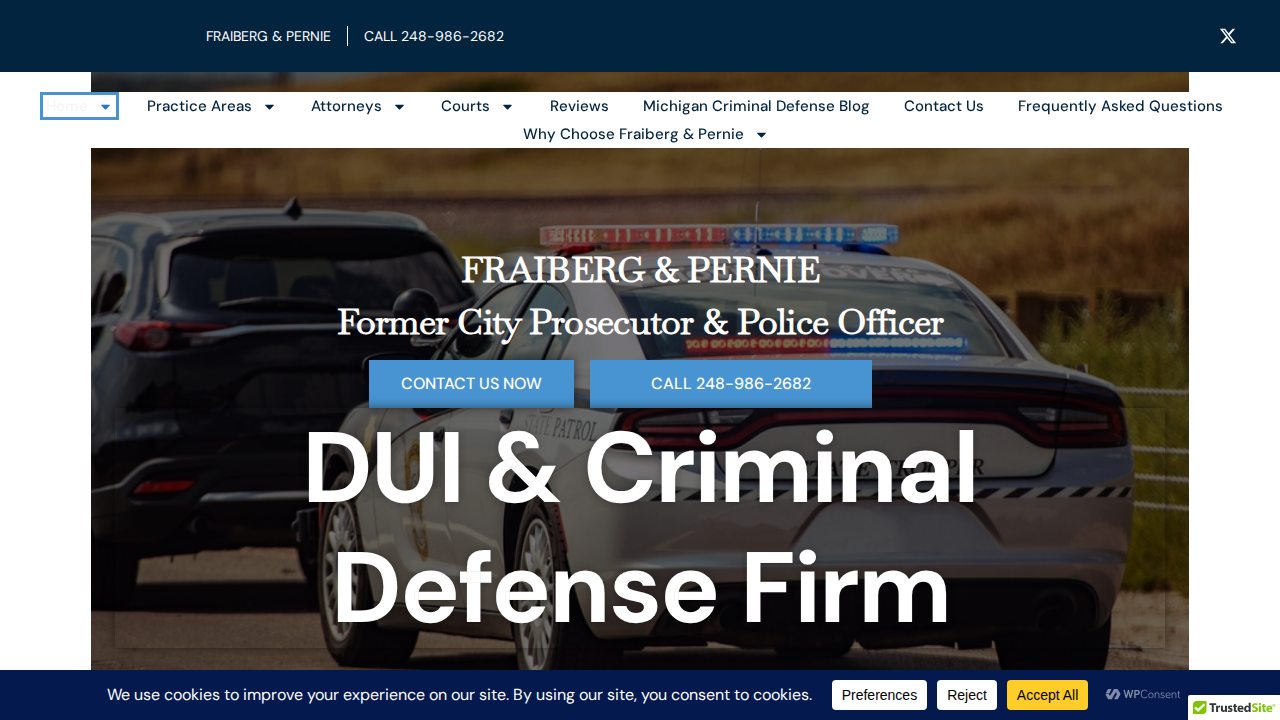
On 07/16/26 fpattorneys.com scored 67% — **Decent** – Overall, the site shows a solid baseline for AI visibility, with some clear gaps around brand clarity, media coverage, and page experience.
Executive summary
Score Breakdown (High Level)
- Discoverability: 92% - The site is technically accessible and well-indexed, though it currently lacks specialized sitemaps for media content.
- Structured Data: 100% - Overall, this section looks to be in good shape, with thorough schema implementation and clear author identification across the site.
- AI Readiness: 67% - The site has a solid technical foundation with accessible sitemaps and clear brand context, though it lacks a Wikidata entity to further solidify its identity for AI engines.
- Performance: 39% - The site ran into some heavy loading delays on both pages, though the layout stability and resource page responsiveness were actually quite good.
- Reputation: 73% - The site has strong review and social signals, but significant brand identity conflicts across different sources create confusion for generative engines.
- LLM-Ready Content: 52% - This is a highly trustworthy and recently updated legal resource with clear authorship, though its glossary-style formatting prevents it from meeting standard section-length and heading-depth benchmarks.

What stands out most overall
The big picture is that the site has a solid base, but a few missing and inconsistent signals make it harder for AI systems to confidently connect the brand and quickly pull key information. These aren’t “mistakes” so much as clarity and consistency gaps that can cause mixed understanding across different AI surfaces. Below, we’ll walk through the specific areas where the evaluation came up short, grouped by section so it’s easy to follow. Nothing here is unusual, and it’s all the kind of stuff teams typically tighten up over time.
Detailed Report
Discoverability
❌ No image or video sitemap detected
What we saw
A standard sitemap was found, but we didn’t see dedicated sitemaps that call out image or video content specifically.
Why this matters for AI SEO
When media content isn’t clearly surfaced, generative engines may be less likely to find and reuse it in results where images or video would help answer a query.
Next step
Add dedicated image and/or video sitemaps (where relevant) so media content is easier to discover and index.
AI Readiness
❌ No Wikidata entity found for the brand
What we saw
We didn’t detect a Wikidata item ID that matches the brand.
Why this matters for AI SEO
Without a widely recognized external entity reference, AI systems can have a harder time verifying and consistently understanding who the brand is.
Next step
Create or claim a Wikidata entry for the brand and ensure it clearly maps to the official identity.
Performance
❌ Homepage responsiveness is poor during load
What we saw
The homepage appeared to be slow to respond while it was loading, which can make the page feel “stuck” before it becomes usable.
Why this matters for AI SEO
Slow, unresponsive pages can reduce how reliably content gets accessed and processed, and it can weaken overall confidence in the page experience.
Next step
Reduce the amount of work happening during initial load so the homepage becomes interactive faster.
❌ Homepage main content appears too late
What we saw
The primary content on the homepage took a long time to show up for users.
Why this matters for AI SEO
When key content is delayed, it can affect how quickly and consistently that content is seen, understood, and reused by AI-driven experiences.
Next step
Prioritize loading the homepage’s primary content earlier so it appears sooner.
❌ Homepage overall performance rating is weak
What we saw
The homepage’s overall performance result came back low, aligning with the slow and heavy loading experience.
Why this matters for AI SEO
A consistently heavy page experience can make it harder for systems to fetch and process content efficiently, especially at scale.
Next step
Streamline the homepage experience so it loads and becomes usable more quickly and consistently.
❌ Resource page main content appears too late
What we saw
The resource page’s main content took a long time to become visible.
Why this matters for AI SEO
If resource content is slow to appear, it can reduce how effectively that page is surfaced and summarized in AI-driven contexts.
Next step
Make the resource page’s primary content load earlier so it’s visible sooner.
Reputation
❌ Brand identity is not consistent across AI sources
What we saw
Different AI sources associated this domain with multiple, unrelated law firms, including conflicting official names and locations.
Why this matters for AI SEO
When identity signals conflict, generative engines are more likely to mix up the brand, attribute content to the wrong entity, or avoid confidently citing it.
Next step
Align the brand’s public identity signals so the same name and location are consistently reinforced across trusted sources.
❌ No matching Wikidata entity identified
What we saw
No Wikidata item was identified that clearly matches the brand.
Why this matters for AI SEO
Without that reference point, it’s harder for AI systems to verify the brand’s canonical identity and connect it to other trusted data sources.
Next step
Establish a Wikidata entity that clearly represents the brand.
❌ Wikidata identity anchors could not be verified
What we saw
Because there wasn’t a matching Wikidata entry, we didn’t find verified identity anchors (like an official website reference) through that channel.
Why this matters for AI SEO
Missing identity anchors can contribute to uncertainty and make it easier for incorrect associations to persist in generative answers.
Next step
Add and validate clear identity anchors within the brand’s Wikidata presence so the official references are unambiguous.
❌ No consensus on official social profiles
What we saw
AI sources did not agree on which social accounts belong to the brand, and different accounts were attributed to the same domain.
Why this matters for AI SEO
When social identity is unclear, it weakens trust and makes it harder for systems to confidently connect the brand to its official profiles.
Next step
Standardize the brand’s social identity footprint so the same official profiles are consistently associated with the domain.
LLM-Ready Content (Blog Analysis)
Heads up: this section looks at one article as a snapshot, so it’s a little more interpretive than the rest of the report and may shift slightly from run to run. Have questions? Just shoot us an email at hello@v9digital.com
❌ Content isn’t chunked into readable sections
What we saw
The article is formatted like a glossary, with many sections that are extremely short.
Why this matters for AI SEO
Very short sections can make it harder for AI systems to pull complete, self-contained explanations that feel reliable and citable.
Next step
Expand sections so each term has enough context and explanation to stand on its own.
❌ No HTML table found (bonus)
What we saw
We didn’t find a table element on the page.
Why this matters for AI SEO
Tables can make structured reference information easier for AI systems to parse and reuse accurately.
Next step
Add a simple table where it naturally helps organize definitions or comparisons.
❌ Subheadings aren’t descriptive enough
What we saw
Most subheadings were single-word legal terms rather than descriptive headings.
Why this matters for AI SEO
When headings don’t carry context, it’s harder for AI systems to understand what each section is truly about beyond the term itself.
Next step
Rewrite headings so they include a bit more context about the definition or situation the term applies to.
❌ Key answers don’t appear early in sections
What we saw
Many sections start with very brief definitions that don’t provide enough immediate context.
Why this matters for AI SEO
If the opening of each section is too thin, it can reduce how confidently AI systems can extract and present an accurate, complete answer.
Next step
Update each section’s opening to include a fuller, plain-language explanation upfront.
Does Anything Seem Off?
Thanks for taking our free GEO Grader for a spin. When we started this journey, the tool had a fairly long processing time to check everything we wanted both onsite and offsite, so we made a few adjustments on the backend to speed things up. As a result, there are times when the grader may not get everything 100% right. If something feels off, we recommend running the tool a second time to confirm the results. From there, you’re always welcome to reach out to us to schedule a GEO consultation, or to have your SEO provider validate the findings with a more detailed crawl and manual review.
