
Overview:
On 06/08/26 bluelitephotography.com scored 58% — **Fair** – Overall, the site feels solid and credible, but a few missing signals make it harder for AI systems to quickly confirm who you are and pull out the most useful details.
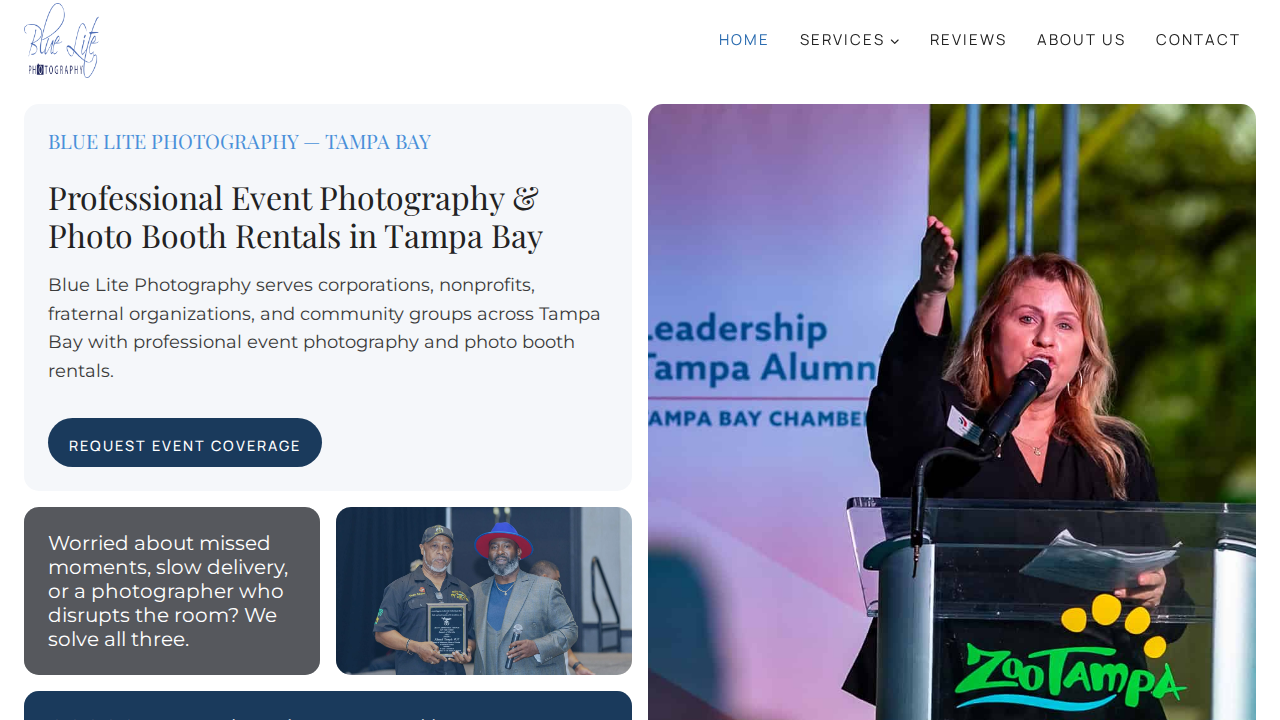
Executive summary
Score Breakdown (High Level)
- Discoverability: 100% - The site is technically very accessible to search engines, though adding a dedicated image sitemap would help ensure all your visual work gets the attention it deserves.
- Structured Data: 33% - The site has some basic FAQ schema on the home page, but it's missing the organization and author markup that really helps build brand identity and trust.
- AI Readiness: 67% - The site is technically open and ready for AI crawlers, though it lacks a Wikidata entry to help search engines verify the brand's identity.
- Performance: 50% - The site is stable and responsive once it loads, though the initial paint time for the largest page elements is currently over the preferred threshold.
- Reputation: 77% - The brand has a strong reputation and clear recognition across AI models, though missing social links and a Wikidata presence are notable gaps in its GEO foundation.
- LLM-Ready Content: 28% - The site identifies a clear professional author but is held back by short section lengths and generic footer headings that dilute the overall content structure.

What stands out most overall
The big picture is that your foundation looks credible, but a few missing identity and content clarity signals make it harder for AI to confidently connect the brand dots and extract the best answers. The gaps read more like “not enough confirmation” than anything fundamentally wrong with the site. Below, we’ll walk through the specific areas where key information was missing or couldn’t be verified in this evaluation. Once those are tightened up, your overall AI visibility story becomes much easier to understand and trust.
Detailed Report
Discoverability
❌ No image or video discovery file found
What we saw
We didn’t find a dedicated way for your images or videos to be surfaced as their own set of discoverable URLs. For a visual-heavy site, that’s a notable gap in how clearly your media is presented for discovery.
Why this matters for AI SEO
Generative engines rely heavily on clear, crawlable sources of truth when they’re trying to find and understand your visual assets. When that’s missing, it can reduce how confidently your visuals get associated with your brand and services.
Next step
Add a dedicated discovery feed for your image and/or video URLs so your visual content is easier to find and interpret at scale.
Structured Data
❌ Organization details weren’t clearly defined
What we saw
We didn’t see a clear organization-style definition on the homepage. That makes it harder to unambiguously tell systems “this is the business behind this website.”
Why this matters for AI SEO
AI systems are more confident when they can tie a website to a clearly defined business entity. When that connection is fuzzy, it can weaken brand understanding and attribution in AI-generated answers.
Next step
Add a clear organization/business definition on the homepage that identifies the brand behind the site.
❌ Resource/blog structured info couldn’t be confirmed
What we saw
We weren’t able to review a resource or blog page in this run, so we couldn’t confirm whether those pages include structured information. As a result, that part of the site’s authority signals remains unclear.
Why this matters for AI SEO
Resource-style pages are often what AI systems pull from when answering detailed questions. If those pages don’t clearly describe what they are, it can reduce how reliably they’re understood and reused.
Next step
Provide a representative resource/blog URL (or ensure it’s accessible) so it can be evaluated and clearly described for AI systems.
❌ Blog author clarity couldn’t be verified
What we saw
Because the resource/blog page wasn’t available to review here, we couldn’t confirm whether posts show a clear, non-generic author. That means author accountability on editorial content is unknown from this snapshot.
Why this matters for AI SEO
Clear authorship helps models understand who is speaking and why they should trust the information. When author signals are missing or unverified, it can weaken perceived credibility.
Next step
Make sure resource/blog posts display a clear author name and that it’s consistently associated with the content.
❌ Author profile connections weren’t verified
What we saw
We couldn’t confirm whether author profiles include clear, consistent links to external identity profiles because the resource/blog page wasn’t available in the materials reviewed. That leaves the “who is this author” trail incomplete in this run.
Why this matters for AI SEO
When AI systems can connect an author to consistent external profiles, it reduces ambiguity and increases confidence in attribution. Without those connections, it’s easier for author identity to be treated as generic.
Next step
Ensure author profiles include consistent external identity links that reinforce the author’s real-world presence.
AI Readiness
❌ No Wikidata entity found for the brand
What we saw
We didn’t find an existing Wikidata entry associated with the brand. That means there isn’t a strong “official entity record” being picked up from that source.
Why this matters for AI SEO
Wikidata is a common reference point for entity understanding across generative systems. When it’s missing, AI models may have a harder time confidently disambiguating and anchoring your brand.
Next step
Create and validate a Wikidata entry for the brand so AI systems have a consistent entity reference.
Performance
❌ The main page’s primary content loads slowly
What we saw
The homepage took longer than expected to fully load its main above-the-fold content. That “first meaningful view” lag stood out compared to the rest of the experience.
Why this matters for AI SEO
When the key content arrives late, it can affect how quickly systems and users can access the page’s main message. Over time, that can limit how reliably your most important content gets consumed and referenced.
Next step
Reduce the time it takes for the homepage’s main visual/content area to appear so the core message is accessible sooner.
Reputation
❌ No Wikidata entity exists for the brand
What we saw
We didn’t find a matching Wikidata entity for the brand. In practice, that means one of the more common “identity reference points” isn’t available.
Why this matters for AI SEO
Generative engines often look for consistent offsite identity references when deciding whether a brand is well-established and unambiguous. Without that reference, identity verification can be weaker.
Next step
Establish a Wikidata entry for the brand to strengthen entity verification.
❌ No Wikidata identity anchors were available
What we saw
Because there’s no Wikidata entity, there were no official anchors available there (like an official website reference or identifiers). That removes a clean “this is the official brand” trail from a major source.
Why this matters for AI SEO
Identity anchors help models connect the dots across the web and avoid confusing similar names. When those anchors aren’t present, AI may be less confident about attributing information to your brand.
Next step
Once a Wikidata entity exists, add the official website and relevant identifiers so the entity can be cleanly anchored.
❌ Homepage doesn’t link to social profiles
What we saw
We didn’t see outbound links from the homepage to major social platforms. That makes it harder to connect the website to the brand’s public-facing profiles.
Why this matters for AI SEO
For AI systems, linked social profiles are a simple way to confirm brand presence and consistency across channels. When they’re not connected from the site, that verification path is weaker.
Next step
Add clear homepage links to the brand’s primary social profiles so the connection is obvious.
LLM-Ready Content (Blog Analysis)
Heads up: this section looks at one article as a snapshot, so it’s a little more interpretive than the rest of the report and may shift slightly from run to run. Have questions? Just shoot us an email at hello@v9digital.com
❌ No publish or update date was shown
What we saw
We didn’t find an explicit publish date or last-updated date on the page. From an outside perspective, it’s unclear when this content was written or refreshed.
Why this matters for AI SEO
Dates help AI systems judge context and timeliness, especially for service details that can change over time. Without them, models may be less confident about referencing the content.
Next step
Add a clear publish date and/or last updated date that’s visible on the page.
❌ Content freshness couldn’t be verified
What we saw
Because there wasn’t a clear timestamp, we couldn’t confirm whether the page has been updated recently. It may be current, but it’s not provable from the content itself.
Why this matters for AI SEO
Generative engines tend to prefer information that’s clearly current when answering questions with real-world stakes (pricing, services, availability, etc.). If freshness isn’t clear, the content can be treated as less reliable.
Next step
Make freshness easy to confirm by showing a recent update date when meaningful changes are made.
❌ No external supporting links were found
What we saw
All visible links on the page were internal, and we didn’t see any non-social outbound references. That limits the page’s ability to “connect out” to supporting context.
Why this matters for AI SEO
External references can help AI systems validate claims, understand related concepts, and place your content in a broader context. Without them, the content can read as more self-contained and harder to corroborate.
Next step
Add at least one relevant outbound reference where it naturally supports a claim or provides helpful context.
❌ Sections were too short for strong extraction
What we saw
While headings were used, many sections were very brief, and smaller widget-like areas pulled down the overall depth of the page. The result is that fewer sections contain a self-contained block of “complete context.”
Why this matters for AI SEO
AI models do better when they can lift a clear chunk of text that fully explains a topic without needing to stitch together fragments. Short, scattered sections can make the most important details harder to reliably extract.
Next step
Rework sections so the main informational blocks are more substantial and stand on their own.
❌ No table-based summary was present
What we saw
We didn’t detect any table-format content on the page. That means there wasn’t a structured “at-a-glance” block for details like packages, service options, or comparisons.
Why this matters for AI SEO
Tables can make it easier for AI systems to extract precise details without ambiguity. When everything is only in paragraph form, key specifics can be harder to pull cleanly.
Next step
Add a simple table where it naturally helps summarize key service details or comparisons.
❌ Key answers didn’t show up early in most sections
What we saw
Many sections opened with very short fragments or generic labels rather than a clear, explanatory first paragraph. That delays the “here’s what this section is about” moment.
Why this matters for AI SEO
Generative engines often rely on early, direct phrasing to identify the core answer in a section. If the useful explanation comes later (or stays thin), the model may skip or misread what matters.
Next step
Make the first lines under each main heading more directly explanatory so the core takeaway is immediately clear.
Does Anything Seem Off?
Thanks for taking our free GEO Grader for a spin. When we started this journey, the tool had a fairly long processing time to check everything we wanted both onsite and offsite, so we made a few adjustments on the backend to speed things up. As a result, there are times when the grader may not get everything 100% right. If something feels off, we recommend running the tool a second time to confirm the results. From there, you’re always welcome to reach out to us to schedule a GEO consultation, or to have your SEO provider validate the findings with a more detailed crawl and manual review.
