
Overview:
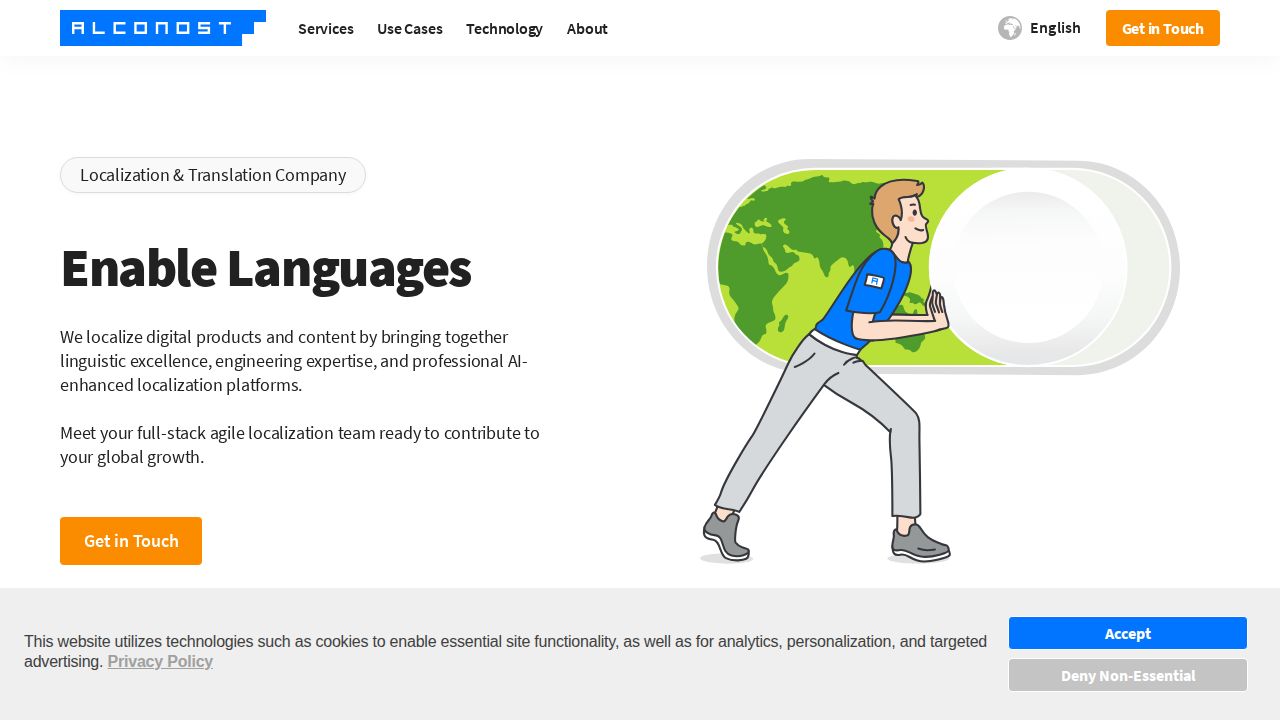
On 01/30/26 alconost.com scored 56% — **Fair** – Overall, the site has a solid presence, but a few key details aren’t coming through clearly enough for AI systems to interpret and trust quickly.
Executive summary
Score Breakdown (High Level)
- Discoverability: 100% - The site’s technical discoverability is strong, though it lacks specialized sitemaps for images or video.
- Structured Data: 0% - We weren't able to find any schema markup or author details on the pages we reviewed, which is a significant gap for helping search engines verify your brand's authority.
- AI Readiness: 50% - The site has a solid foundation with open crawler access and clear brand context, but it's missing technical signals like sitemap timestamps and a Wikidata entry.
- Performance: 50% - While the site is stable and responsive to interaction, the main content load time is currently landing in the poor range.
- Reputation: 81% - The brand enjoys strong recognition and independent press coverage, though inconsistent physical address data across the web slightly muddies the identity anchors.
- LLM-Ready Content: 44% - The site is clearly well-maintained and authoritative, but the content structure lacks the descriptive subheadings and defined terminology needed for optimal AI parsing.

The main themes at a glance
The big picture is that your visibility foundation is in place, but some important signals around identity, content clarity, and machine-readable context aren’t coming through as strongly as they could. These aren’t “mistakes” so much as areas where AI systems have to do extra guesswork to interpret what you offer and who you are. The next section walks through the specific gaps that showed up, grouped by area so it’s easy to see what’s driving the results. Overall, this is a manageable set of issues—clear, well-scoped, and straightforward to prioritize.
Detailed Report
Discoverability
❌ Media sitemap not found
What we saw
We didn’t see a dedicated sitemap that helps platforms specifically find and understand your images or videos.
Why this matters for AI SEO
When media content isn’t clearly surfaced, AI systems may miss or under-use it when summarizing your brand, examples, or work.
Next step
Add a dedicated media sitemap so your image and video content is easier for platforms to discover and interpret.
Structured Data
❌ No structured data detected on the homepage
What we saw
We didn’t find any structured data on the homepage that clearly labels what the business is and how key details relate to each other.
Why this matters for AI SEO
Generative engines rely on these explicit signals to reduce ambiguity and confidently represent your brand in answers.
Next step
Add structured data to the homepage so the business and its key attributes are unambiguous to machines.
❌ Organization information isn’t clearly defined
What we saw
No organization-focused structured data was found that ties your brand name, website, and core identity details together.
Why this matters for AI SEO
Without a clear “who we are” definition, AI systems can be less consistent when describing the company and attributing claims to the right entity.
Next step
Add organization-focused structured data that clearly defines your brand identity in a single, consistent way.
❌ Resource/blog structured data couldn’t be confirmed
What we saw
A resource or blog page wasn’t included in the evaluation data, so we couldn’t verify whether content pages have structured data.
Why this matters for AI SEO
Content pages are often what AI systems summarize, cite, or learn from—missing clarity here can weaken understanding and attribution.
Next step
Provide a representative resource/blog page for review so content-level signals can be validated.
❌ Structured data quality couldn’t be evaluated
What we saw
Because no structured data was detected, there wasn’t anything available to check for validity or consistency.
Why this matters for AI SEO
If machines don’t have a reliable structured layer to work from, they have to infer more from page text, which can increase inconsistency.
Next step
Add structured data first, then validate that it’s consistent and interpretable.
❌ Author details aren’t confirmed on content pages
What we saw
No resource page was provided, so we couldn’t confirm whether articles are attributed to a clear, non-generic author.
Why this matters for AI SEO
Clear authorship helps AI systems assess credibility and connect expertise to real people rather than anonymous content.
Next step
Ensure content pages clearly show who wrote the piece and include the signals needed to recognize that author.
❌ Author profile links aren’t confirmed
What we saw
No author structured data was available to evaluate, including whether it links to recognized external profiles.
Why this matters for AI SEO
When authorship isn’t connected to verifiable profiles, it’s harder for AI systems to build consistent trust around the source.
Next step
Connect author information to real, consistent profiles so authorship is easy to verify.
AI Readiness
❌ Content freshness signals aren’t clearly provided
What we saw
The sitemap was found, but it didn’t include update information that helps systems understand what has changed.
Why this matters for AI SEO
Without clear freshness cues, AI systems may have a harder time prioritizing the most up-to-date pages when building responses.
Next step
Include content update information so crawlers can more easily understand what’s current.
❌ No Wikidata entity found for the brand
What we saw
We didn’t see a Wikidata entity associated with the brand in the trust data.
Why this matters for AI SEO
A recognized knowledge-base entity can help AI systems keep your brand details consistent across summaries and citations.
Next step
Create or claim a Wikidata entity for the brand so identity details can be consistently referenced.
Performance
❌ Primary content is slow to fully appear
What we saw
The main above-the-fold content took a long time to load, which suggests users (and systems rendering the page) may wait before they see the core message.
Why this matters for AI SEO
When the primary content appears late, AI systems may capture less context during rendering and users are more likely to bounce before absorbing key information.
Next step
Prioritize getting the main visible content to appear sooner so the core message is available quickly.
Reputation
❌ Brand identity details conflict across sources
What we saw
We saw a significant mismatch in physical address information across different sources, which creates conflicting “official” identity signals.
Why this matters for AI SEO
When core identity anchors don’t line up, AI systems are more likely to hesitate, merge details incorrectly, or present inconsistent brand profiles.
Next step
Standardize the brand’s official identity details so the same address information is consistently reflected across key sources.
❌ No matching Wikidata entity for the brand
What we saw
No Wikidata entry was found that clearly matches the brand.
Why this matters for AI SEO
Without a clear entity reference, it’s harder for AI systems to confidently connect your site with the right brand record.
Next step
Establish a matching Wikidata entity so the brand can be referenced consistently.
❌ Official identity anchors can’t be verified
What we saw
Because a Wikidata entity wasn’t present, we couldn’t verify key official identity anchors through that channel.
Why this matters for AI SEO
When “official” signals aren’t easy to verify, AI systems may rely more heavily on scattered third-party references that don’t always agree.
Next step
Create the missing entity foundation so official identity anchors can be consistently confirmed.
LLM-Ready Content (Blog Analysis)
Heads up: this section looks at one article as a snapshot, so it’s a little more interpretive than the rest of the report and may shift slightly from run to run. Have questions? Just shoot us an email at hello@v9digital.com
❌ No clear author is shown
What we saw
We didn’t see a visible author name or an author signal that clearly ties the content to a specific person.
Why this matters for AI SEO
Authorship helps AI systems understand who is responsible for the content, which can influence trust and how confidently it’s reused.
Next step
Add a clear, specific author attribution that’s easy to spot on the page.
❌ The page isn’t broken into enough clear sections
What we saw
The content wasn’t divided into multiple distinct sections, which makes it harder to skim and understand quickly.
Why this matters for AI SEO
AI systems tend to do better when content is clearly chunked, since it’s easier to extract, summarize, and cite accurately.
Next step
Restructure the page so the core topics are clearly separated into more distinct sections.
❌ No table-based summary was found
What we saw
We didn’t find a table that summarizes key details in a scannable, structured format.
Why this matters for AI SEO
Tables often make it easier for AI to pull out comparisons, definitions, and key facts without guessing.
Next step
Add a simple table where it naturally helps summarize or compare important information.
❌ Headings are too short and generic
What we saw
The subheadings on the page were very brief and generic, which doesn’t communicate what each section actually covers.
Why this matters for AI SEO
When headings don’t carry meaning on their own, it’s harder for AI systems to understand the page outline and extract the right snippets.
Next step
Rewrite subheadings so they’re descriptive enough to explain the section’s point without extra context.
Does Anything Seem Off?
Thanks for taking our free GEO Grader for a spin. When we started this journey, the tool had a fairly long processing time to check everything we wanted both onsite and offsite, so we made a few adjustments on the backend to speed things up. As a result, there are times when the grader may not get everything 100% right. If something feels off, we recommend running the tool a second time to confirm the results. From there, you’re always welcome to reach out to us to schedule a GEO consultation, or to have your SEO provider validate the findings with a more detailed crawl and manual review.
