
Overview:
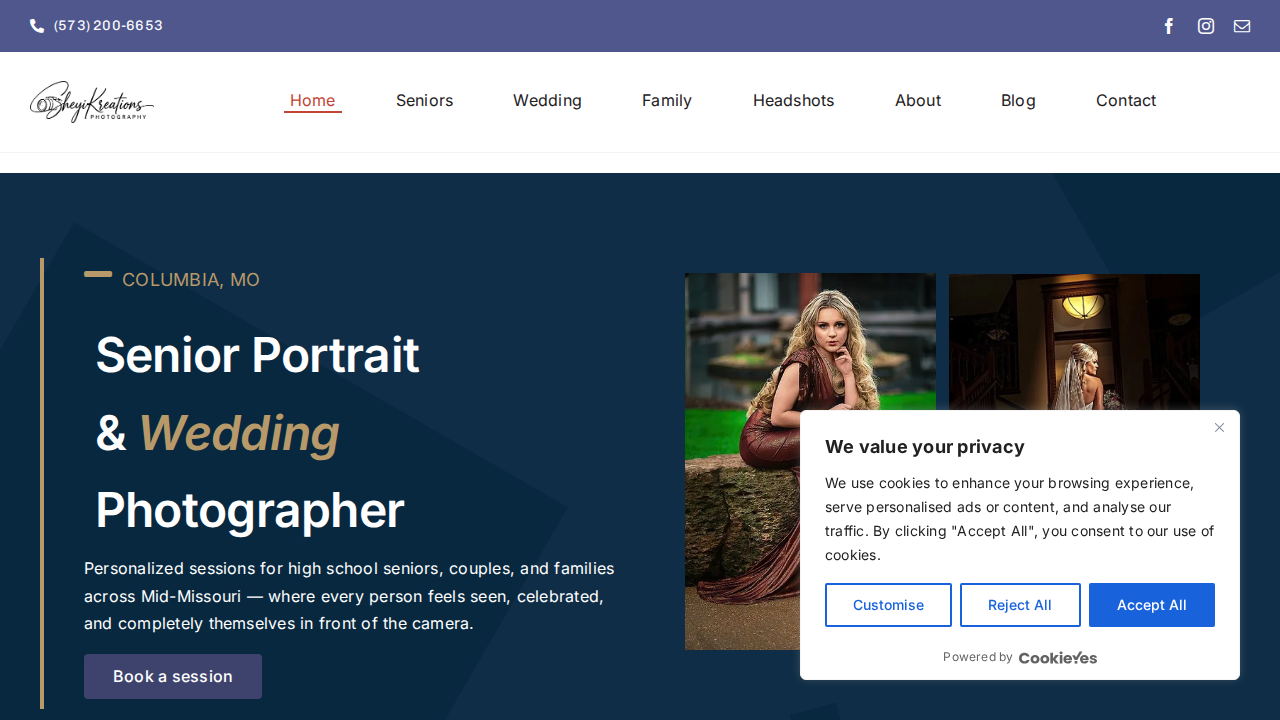
On 05/05/26 sheyikreationsphotography.com scored 80% — **Good** – Overall, the site looks well put-together for AI visibility, with a few clear gaps around brand validation, offsite consistency, and how quickly key pages come into view.
Executive summary
Score Breakdown (High Level)
- Discoverability: 100% - The site’s foundation is in great shape with all the essential technical boxes checked, though adding a dedicated image sitemap would be a smart next move for a photography portfolio.
- Structured Data: 92% - The structured data setup is quite strong, featuring comprehensive organization and local business markup, though the author schema could be strengthened with external verification links.
- AI Readiness: 67% - The site is technically solid and open to AI crawlers, though it lacks a Wikidata entry to anchor its brand identity.
- Performance: 72% - Mobile performance is generally in good shape, although slow-loading images on both the homepage and senior portraits page are currently the biggest drag on the user experience.
- Reputation: 73% - The brand shows strong local trust through social profiles and third-party reviews, though it lacks broader authority signals like Wikidata or independent press coverage.
- LLM-Ready Content: 88% - The page is excellently structured with clear authorship and recent updates, though it could improve visibility by expanding introductory paragraphs to provide more immediate answers.

The big picture before the details
What stands out most is that the foundation is strong, but a few key identity and visibility signals aren’t as confirmable as they could be across external sources and on-page attribution. The gaps here are less about anything being “wrong” and more about making sure AI systems can confidently connect your brand, your location, and your content to the right entity. The next section walks through the specific areas where the report didn’t find what it was looking for, organized by category. Overall, this is a manageable set of items that mostly comes down to clarity and consistency.
Detailed Report
Discoverability
❌ Image or video sitemap not found
What we saw
We didn’t find an image or video sitemap in the available site data. That means your visual content doesn’t have a dedicated, organized “index” for discovery.
Why this matters for AI SEO
For image-heavy brands, visuals are a big part of how AI systems understand what you do and where your work shows up. When visual assets are harder to discover as a set, it can limit how consistently they get surfaced and referenced.
Next step
Add and publish an image sitemap (and/or video sitemap if relevant) so your visual assets are easier for search and AI systems to find.
Structured Data
❌ Author profile links missing
What we saw
The author information is present, but it doesn’t include links that connect the author to other official profiles (like social or professional pages). As a result, the author is a bit harder to verify outside the site.
Why this matters for AI SEO
AI systems rely on clear identity connections to feel confident about who created content and whether that person is real and credible. Missing profile connections can reduce trust and make attribution weaker.
Next step
Add a few official, public profile links for the author so their identity is easier to corroborate.
AI Readiness
❌ No Wikidata entity found for the brand
What we saw
We didn’t see a Wikidata entity associated with the brand in the report data. That leaves a gap in one of the common “reference points” AI systems use for entity verification.
Why this matters for AI SEO
When an AI system tries to confirm a business, it often looks for consistent external records that support the same identity. Without that kind of anchor, it can be harder for AI to confidently validate and summarize the brand.
Next step
Create and/or confirm a Wikidata entry for the brand so AI systems have a stronger external reference point.
Performance
❌ Main page content is slow to appear (homepage)
What we saw
On the homepage, the primary visual or “hero” content is taking a long time to fully show up. This creates a noticeable delay before the most important part of the page is available.
Why this matters for AI SEO
When key content appears slowly, it can reduce how reliably systems capture the page’s main message and context. That can affect both discovery and how confidently the page is summarized.
Next step
Reduce the time it takes for the homepage’s main visual/content area to fully load so the core message shows up quickly.
❌ Main page content is slow to appear (resource page)
What we saw
On the resource page that was evaluated, the primary above-the-fold content also takes a long time to display. The result is a similar “waiting period” before the page feels usable.
Why this matters for AI SEO
AI systems do best when the main content is readily available and easy to interpret without delays. Slow initial content rendering can make it harder to consistently extract the most important information.
Next step
Improve how quickly the resource page’s main content becomes visible so the page’s key information is accessible sooner.
Reputation
❌ Brand address not consistently confirmed offsite
What we saw
The offsite data snapshot didn’t consistently return a physical address for the brand, which makes the identity profile feel incomplete. In other words, the brand’s location details aren’t being reliably echoed back.
Why this matters for AI SEO
For local businesses, AI systems look for consistent identity details across sources to confirm “this is the same entity.” When location details don’t line up clearly, it can reduce confidence in local relevance.
Next step
Make sure the brand’s physical address is consistently present and aligned across major offsite profiles and listings.
❌ No Wikidata authority anchor
What we saw
A Wikidata record wasn’t found for the brand, which also means there are no Wikidata-based identity anchors available. This leaves one common external validation layer missing.
Why this matters for AI SEO
Wikidata can act as a centralized reference that helps AI systems connect names, locations, and brand facts more confidently. Without it, AI may rely more heavily on scattered sources that don’t always agree.
Next step
Establish a Wikidata record for the brand so there’s a clearer, authoritative identity reference.
❌ No independent editorial mentions found
What we saw
We weren’t able to identify independent news or editorial coverage referencing the brand in the provided research snapshot. That means most visibility signals appear to come from owned channels and standard profiles.
Why this matters for AI SEO
Independent mentions help AI systems corroborate that a brand is recognized beyond its own site and social presence. When those signals are missing, it can limit perceived authority and notability.
Next step
Build a small set of legitimate, third-party editorial mentions that reference the brand in a clear and attributable way.
LLM-Ready Content (Blog Analysis)
Heads up: this section looks at one article as a snapshot, so it’s a little more interpretive than the rest of the report and may shift slightly from run to run. Have questions? Just shoot us an email at hello@v9digital.com
❌ No table-based summary found
What we saw
We didn’t see a table used anywhere in the visible content of the article. That means there isn’t a quick, scan-friendly summary block for key comparisons or takeaways.
Why this matters for AI SEO
AI systems often do well when important details are presented in consistent, structured formats that are easy to lift and restate. Without a compact summary format, key info can be a bit more “buried” in paragraphs.
Next step
Add a simple table that summarizes the most important decision points a reader would compare at a glance.
❌ Some sections don’t give a full answer up front
What we saw
A portion of the sections open with relatively short first paragraphs, which can delay the moment where the reader (and AI) gets the complete point. In practice, a couple sections could lead with a more immediately satisfying “here’s the answer” setup.
Why this matters for AI SEO
Generative systems tend to prioritize content that provides clear, direct answers early, because it’s easier to quote and summarize accurately. When the main takeaway comes later, it can reduce how confidently the content is reused.
Next step
Expand the opening paragraph for any thin intro sections so the core takeaway is clear immediately.
Does Anything Seem Off?
Thanks for taking our free GEO Grader for a spin. When we started this journey, the tool had a fairly long processing time to check everything we wanted both onsite and offsite, so we made a few adjustments on the backend to speed things up. As a result, there are times when the grader may not get everything 100% right. If something feels off, we recommend running the tool a second time to confirm the results. From there, you’re always welcome to reach out to us to schedule a GEO consultation, or to have your SEO provider validate the findings with a more detailed crawl and manual review.
