
Overview:
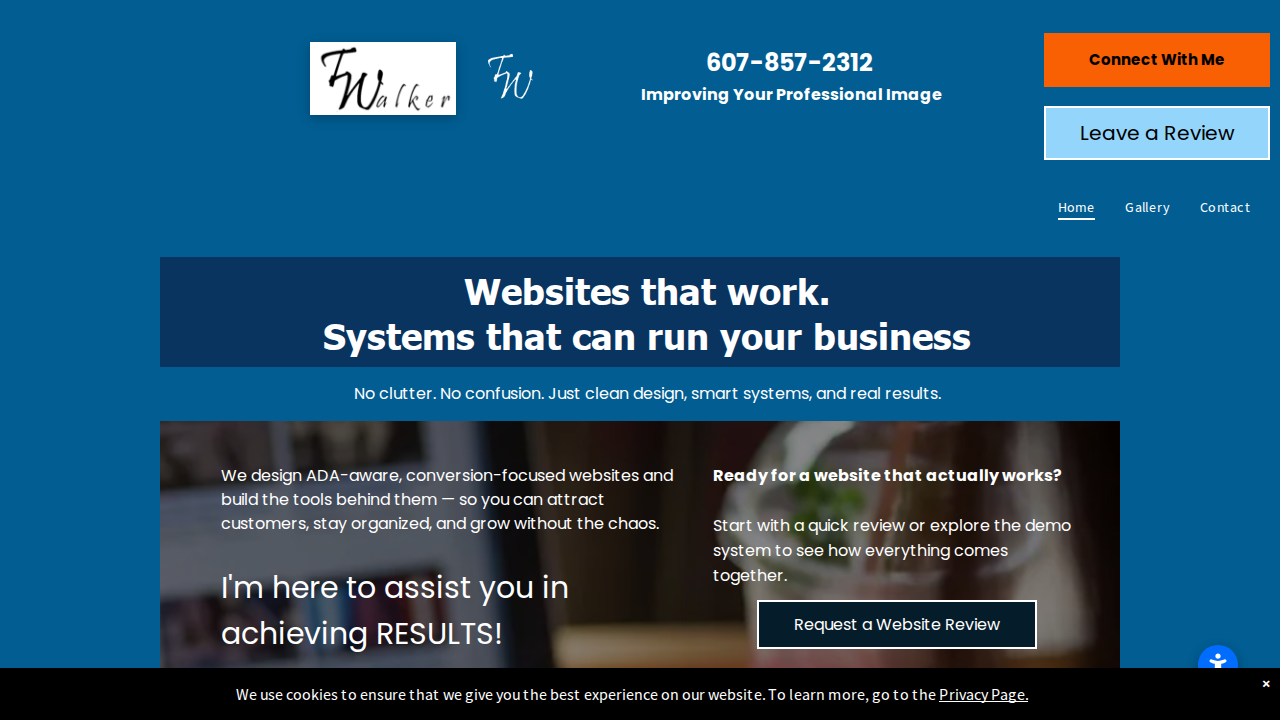
On 05/31/26 twalkerdesigns.com scored 59% — **Fair** – Overall, the site is in a workable place for AI visibility, but some key brand and content signals are coming through a bit incomplete.
Executive summary
Score Breakdown (High Level)
- Discoverability: 100% - The site's technical discovery signals are in great shape, though adding an image sitemap would help search engines better index your portfolio content.
- Structured Data: 33% - The site has a valid technical start with basic schema, but it's currently missing the critical organization and author-level data that helps search engines fully trust and categorize the brand.
- AI Readiness: 50% - The site is technically accessible and well-mapped with a clean sitemap, but it's missing explicit brand identity markers like an "About" page or a Wikidata entry.
- Performance: 50% - Mobile performance looks mostly solid across the board, though a slow loading time for the main content is a noticeable weak spot.
- Reputation: 73% - The brand is well-recognized by AI models and socially connected, but missing a verified physical address and independent press mentions to fully solidify its authority.
- LLM-Ready Content: 52% - The content features clear authorship and recent update markers, but it lacks the H2 heading structure needed for AI systems to effectively parse and categorize the information.

The main takeaway at a glance
What stands out most is that the site is broadly understandable, but some of the signals that help AI systems confidently identify the brand and structure its content are coming through incomplete. A lot of what’s missing is less about “bad SEO” and more about clarity—especially around identity, third-party validation, and how information is organized on a page. Below, we’ll walk through the specific areas that didn’t show up as expected, grouped by section so it’s easy to scan. None of these gaps are unusual, and they’re the kind of things most teams tighten up once they see them called out.
Detailed Report
Discoverability
❌ Image or video sitemap not found
What we saw
We weren’t able to find a dedicated image or video sitemap. A standard sitemap was present, but it didn’t include a separate view focused on media assets.
Why this matters for AI SEO
When visual assets aren’t clearly surfaced, AI and search systems can have a harder time discovering and confidently referencing your images or gallery-style content. That can limit how often your visuals show up in AI-driven answers or recommendations.
Next step
Create and publish a dedicated image and/or video sitemap so your media content is easier to discover and index.
Structured Data
❌ Organization-type schema missing on the homepage
What we saw
The structured data detected on the homepage was limited to a WebSite type. We did not see an Organization-related type like Organization, LocalBusiness, or ProfessionalService.
Why this matters for AI SEO
Organization-level markup helps AI systems connect your site to a real-world brand entity, which supports clearer attribution and fewer ambiguities. Without it, your brand identity can be harder to confirm and summarize consistently.
Next step
Add organization-level structured data on the homepage to make the brand entity clearer.
❌ Resource/blog structured data couldn’t be evaluated
What we saw
A resource or blog page wasn’t available for review, so we couldn’t confirm whether that content includes the expected markup. As a result, article-level structured signals weren’t verifiable here.
Why this matters for AI SEO
Blog and resource content is often what AI systems quote, paraphrase, and recommend, so missing or unverified structure can reduce how confidently that content gets reused. It can also make it harder to connect posts back to your brand.
Next step
Provide a working resource/blog URL (or representative post URL) so structured signals on content pages can be validated.
❌ Author clarity on blog content couldn’t be confirmed
What we saw
Because the resource/blog page wasn’t available, we couldn’t verify whether a post has a clear, non-generic author shown in the way the evaluation expects. This failure is due to the missing page, not a confirmed author issue.
Why this matters for AI SEO
Clear authorship is a trust signal that helps AI systems judge credibility and attribute information to a real person or team. If authorship isn’t visible or consistent, content can be treated as less reliable or harder to cite.
Next step
Ensure blog posts clearly display a specific author name and make the blog page available for review.
❌ Author schema “sameAs” links couldn’t be verified
What we saw
No author-related schema could be evaluated because the resource/blog page wasn’t available. That means we couldn’t confirm whether author profiles include “sameAs” links to consistent identity profiles.
Why this matters for AI SEO
Identity links help AI systems reconcile an author across the web and reduce confusion between people with similar names. Without them, it’s harder for AI to build a stable understanding of who created the content.
Next step
Add author schema that includes appropriate “sameAs” identity links on blog posts, then re-run validation on a live post URL.
AI Readiness
❌ No About/Company-style brand context page linked from the homepage
What we saw
We didn’t find an internal homepage link that clearly points to an About, Company, Team, or similar brand context page. From the homepage alone, the brand story and “who we are” context is harder to locate.
Why this matters for AI SEO
AI systems look for clear identity context to understand what the brand is, who is behind it, and how to describe it accurately. When that context isn’t easy to find, summaries and attributions can become thinner or less consistent.
Next step
Add a clearly labeled brand context page (and link to it from the homepage) so identity information is easy to access.
❌ No Wikidata entity found for the brand
What we saw
No Wikidata item ID was associated with the brand in the evaluation results. In practice, that means there wasn’t a confirmed knowledge-graph style entity to reference.
Why this matters for AI SEO
When AI systems can’t connect a brand to a stable entity record, it can be harder for them to verify details and stay consistent about naming, attributes, and relationships. That can reduce confidence when AI models choose what to cite or recommend.
Next step
Create and validate a Wikidata entity for the brand so AI systems have a stronger external identity reference.
Performance
❌ Main content on the homepage is slow to appear
What we saw
The homepage’s main content loaded in the “poor” range based on the Largest Contentful Paint result. In other words, the most important visible content took longer than expected to fully show up.
Why this matters for AI SEO
Slow initial loading can reduce how reliably systems access and process your primary on-page information, especially when they’re scanning at scale. It can also weaken user trust signals that indirectly support visibility.
Next step
Improve homepage loading so the primary content appears faster and more consistently.
Reputation
❌ Brand identity consistency is missing a verified physical address
What we saw
The physical address field came through as missing in the consolidated brand identity signals used in this evaluation. That leaves a key part of the brand’s “who/where” profile incomplete.
Why this matters for AI SEO
Consistent identity details help AI systems confidently differentiate your business from similarly named entities and present accurate summaries. When location identity is missing, it can reduce certainty—especially for local-intent queries.
Next step
Make sure your official brand footprint includes a consistent, verified address wherever your business details are represented.
❌ No matching Wikidata entity identified
What we saw
A matching Wikidata entity for the brand was not found. This aligns with the AI Readiness result showing no associated Wikidata item.
Why this matters for AI SEO
Wikidata can act as a neutral, third-party reference point that helps AI engines verify and connect brand facts. Without it, models may rely more heavily on scattered sources, which can be less consistent.
Next step
Establish a Wikidata entry that clearly matches the brand’s identity.
❌ Wikidata doesn’t include official identity anchors
What we saw
Because there was no Wikidata entity found, there were also no official identity anchors (like an official site link or identifiers) present there. This leaves no structured “anchor point” for AI systems to cross-check.
Why this matters for AI SEO
Official anchors help AI models reconcile the right entity and avoid misattribution. When those anchors don’t exist, brand verification can be weaker and summaries can become less stable.
Next step
Add official identity anchors to the brand’s Wikidata presence so entity matching is more reliable.
❌ No independent third-party press or coverage found
What we saw
We didn’t see evidence of independent offsite press mentions in the results. This points to limited third-party coverage being connected to the brand.
Why this matters for AI SEO
Independent coverage helps AI systems corroborate legitimacy and notability beyond your own site and social profiles. Without it, the offsite trust footprint can look thinner, even if the brand itself is solid.
Next step
Build and document credible third-party mentions so the brand has more independent confirmation signals.
LLM-Ready Content (Blog Analysis)
Heads up: this section looks at one article as a snapshot, so it’s a little more interpretive than the rest of the report and may shift slightly from run to run. Have questions? Just shoot us an email at hello@v9digital.com
❌ Content isn’t chunked into readable sections
What we saw
The article appears to use only a single H2 heading, which makes the page read more like one continuous block. That means there aren’t enough clear sections for systems to break the content into clean “chunks.”
Why this matters for AI SEO
AI systems reuse content more reliably when it’s organized into distinct, labeled sections they can extract and summarize. When everything runs together, it’s harder to pull accurate snippets without losing context.
Next step
Restructure the article so it includes multiple clear sections with H2 headings.
❌ No HTML table detected
What we saw
We didn’t see an HTML table on the page. That means there isn’t a compact, scannable block of structured information for key comparisons or quick takeaways.
Why this matters for AI SEO
Tables can make important details easier for AI systems to interpret and restate accurately, especially when summarizing choices, definitions, or step groupings. Without one, AI may need to infer structure from prose alone.
Next step
Add a simple table where it naturally fits (for example, to summarize key points or comparisons).
❌ Descriptive subheadings couldn’t be confirmed
What we saw
Because the page didn’t meet the minimum section-heading structure used for this analysis, the subheading quality couldn’t be properly assessed. In practice, the page doesn’t provide enough distinct subheads to evaluate how descriptive they are.
Why this matters for AI SEO
Descriptive subheadings act like signposts that help AI systems understand what each section is “about” without guessing. When those signposts are missing or limited, AI summaries can become vague or skip important nuance.
Next step
Add more descriptive subheadings so each major idea has a clear label.
❌ Key answers don’t appear early (couldn’t be validated)
What we saw
This check failed because the page didn’t have enough section structure for the analysis to confirm whether the main answers are surfaced early. With limited headings, it’s harder to determine where the “quick answer” moments land.
Why this matters for AI SEO
AI systems often prioritize content that states the main point clearly near the top, then supports it with detail. If that’s not obvious, the model may pull a less relevant excerpt or miss the strongest takeaway.
Next step
Rework the opening of the article so the core takeaway is clear early, then supported by well-labeled sections.
Does Anything Seem Off?
Thanks for taking our free GEO Grader for a spin. When we started this journey, the tool had a fairly long processing time to check everything we wanted both onsite and offsite, so we made a few adjustments on the backend to speed things up. As a result, there are times when the grader may not get everything 100% right. If something feels off, we recommend running the tool a second time to confirm the results. From there, you’re always welcome to reach out to us to schedule a GEO consultation, or to have your SEO provider validate the findings with a more detailed crawl and manual review.
