
Overview:
On 01/30/26 parallelpath.com/ scored 59% — **Fair** – Overall, the site shows a solid foundation, but a few visibility signals are either missing or hard to confirm right now.
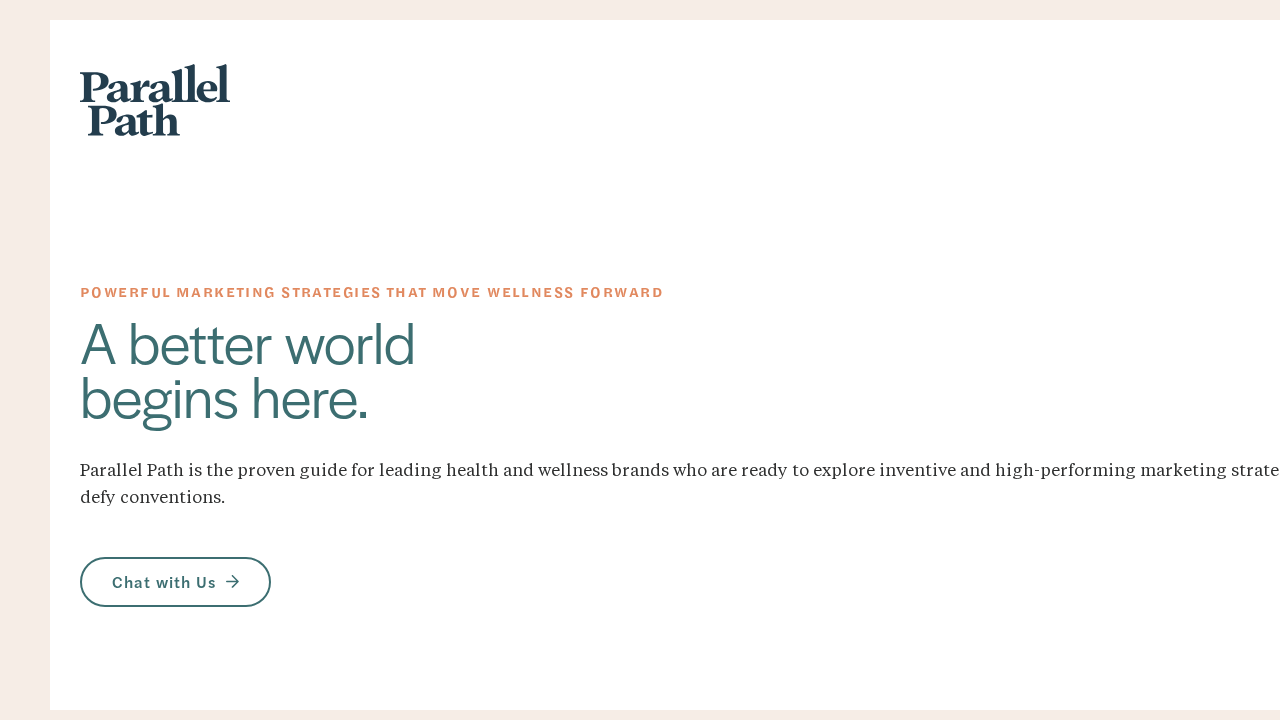
Executive summary
Score Breakdown (High Level)
- Discoverability: 100% - The site is generally very easy for search engines to find and index, though we weren't able to find dedicated image or video sitemaps.
- Structured Data: 58% - We found solid organization schema on the homepage, but we weren't able to confirm any structured data or authorship details for the resource page.
- AI Readiness: 67% - The site has a strong technical foundation for AI crawlers with accessible sitemaps and brand context, though it lacks a Wikidata entity to anchor its identity.
- Performance: 72% - Mobile performance is a bit of a mixed bag; the pages are responsive and stable once they load, but the initial load times for main content are significantly slower than they should be.
- Reputation: 81% - The brand maintains a strong and recognizable presence with solid press coverage and social proof, though a lack of Wikidata and some address inconsistencies across AI models prevent a perfect reputation score.
- LLM-Ready Content: 0% - Anti-bot protection prevented grading.

The big picture before the breakdown
The big picture is that your core presence is coming through, but a few key signals are either missing, inconsistent, or not readable in the places that matter most. Most of what’s showing up here is about clarity and confirmation—making sure systems can consistently access your content and confidently connect it to the right brand details. The sections below walk through the specific areas where the evaluation couldn’t verify important information or saw friction that may limit visibility. None of this is unusual, and it’s the kind of cleanup that typically pays off once it’s addressed.
Detailed Report
Discoverability
❌ Media discovery signals missing
What we saw
We didn’t see an image or video sitemap in the available data. That makes it harder to confirm that visual assets are being surfaced as clearly as they could be.
Why this matters for AI SEO
Generative engines and search systems rely on clear cues to find and understand different content types. When visual content isn’t as easy to discover, it’s less likely to be pulled into results and summaries.
Next step
Add a clear path for discovery of image and video content so automated systems can find it more reliably.
Structured Data
❌ Resource/blog page markup couldn’t be verified
What we saw
We weren’t able to review the resource/blog page content, so we couldn’t verify whether it includes structured information for that page. This effectively leaves that part of the site as an “unknown” in the evaluation.
Why this matters for AI SEO
When deeper content can’t be interpreted consistently, AI systems may struggle to confidently understand what the page is, who it’s for, and how it connects to the broader site. That can reduce how often the content is referenced or summarized.
Next step
Make the resource/blog page content available for automated review so its page-level details can be clearly understood.
❌ Author information wasn’t confirmable on the resource/blog content
What we saw
Because the resource/blog page HTML wasn’t available, we couldn’t confirm a clear, non-generic author on the post. We also couldn’t validate any author-specific details tied to that content.
Why this matters for AI SEO
Clear authorship helps AI systems evaluate trust and context, especially for informational content. When author details aren’t visible or confirmable, content can be treated as less attributable.
Next step
Ensure resource/blog posts expose a specific, clearly named author in a way automated systems can consistently read.
❌ Author identity links (sameAs) weren’t confirmable
What we saw
We couldn’t verify any author “sameAs” links because the resource/blog page HTML was missing or unavailable. As a result, the author’s identity signals couldn’t be validated.
Why this matters for AI SEO
When an author’s identity can be cross-referenced, it helps AI systems disambiguate who the author is and connect them to consistent offsite signals. Without that, the author entity may be weaker or more ambiguous.
Next step
Expose author identity references that connect the author to consistent profiles that automated systems can recognize.
AI Readiness
❌ No Wikidata entity found for the brand
What we saw
We didn’t find a Wikidata item ID associated with the brand. That leaves a gap in one of the more widely used public reference points for brand identity.
Why this matters for AI SEO
Generative engines often use external identity references to confirm that a brand is real, consistent, and the same entity across sources. When that anchor isn’t present, it can make entity understanding less stable.
Next step
Create and/or validate a Wikidata entry so the brand has a consistent identity reference point.
Performance
❌ Homepage main content loads slowly
What we saw
The homepage showed a significant delay before the primary on-page content finished loading. In plain terms, the “main thing you came to see” takes a while to appear.
Why this matters for AI SEO
Slow first-load experiences can reduce how reliably systems fetch and process content at scale, especially when they’re sampling pages quickly. It can also affect how users engage with pages that AI systems might recommend.
Next step
Reduce the time it takes for the homepage’s primary content to fully appear.
❌ Resource/case study main content loads slowly
What we saw
The resource/case study page also showed a long delay before the primary content finished loading. This suggests the issue isn’t limited to just one page type.
Why this matters for AI SEO
When deeper pages are slow to fully load, it can make important proof points (like case studies) less accessible to both users and automated systems trying to interpret your expertise. That can limit how confidently your content supports AI-driven answers.
Next step
Reduce the time it takes for the resource/case study page’s primary content to fully appear.
Reputation
❌ Brand address appears inconsistent across AI sources
What we saw
We saw conflicting physical address information cited across different AI model outputs (multiple cities were mentioned). That inconsistency can create basic identity confusion.
Why this matters for AI SEO
When core identity details don’t line up, generative engines can be less confident in what’s “official,” which can weaken how strongly your brand is represented in AI-driven results. It can also lead to incorrect brand summaries.
Next step
Align the brand’s official address signals so the same location is consistently reflected across sources.
❌ No matching Wikidata entity for the brand
What we saw
No Wikidata entity was found that matched the brand. That means this common identity reference point can’t be used to validate the brand.
Why this matters for AI SEO
Without a consistent external identity anchor, it’s easier for brand details to fragment across different systems and summaries. That can impact how reliably the brand is recognized and described.
Next step
Establish a Wikidata entity that clearly matches the brand name and website.
❌ Official identity anchors couldn’t be verified via Wikidata
What we saw
Because no Wikidata entity was found, there was no way to confirm official identity anchors (like a verified website reference) through that channel.
Why this matters for AI SEO
Identity anchors help generative engines connect “this brand” to “these official references” with less ambiguity. When they’re missing, it can make validation and disambiguation harder.
Next step
Add a Wikidata presence that includes clear, official identity references tied to the brand.
LLM-Ready Content
❌ Content couldn’t be accessed for grading
What we saw
Anti-bot protection was detected, and we weren’t able to access the actual page content for grading. That also blocked review of the resource’s structure and author metadata.
Why this matters for AI SEO
If automated systems can’t reliably access a page, they can’t extract, understand, or cite it in AI-driven answers. In practice, that can make otherwise strong content effectively “invisible” to generative discovery.
Next step
Allow automated systems to access key resource/case study pages so their content can be consistently read and understood.
Does Anything Seem Off?
Thanks for taking our free GEO Grader for a spin. When we started this journey, the tool had a fairly long processing time to check everything we wanted both onsite and offsite, so we made a few adjustments on the backend to speed things up. As a result, there are times when the grader may not get everything 100% right. If something feels off, we recommend running the tool a second time to confirm the results. From there, you’re always welcome to reach out to us to schedule a GEO consultation, or to have your SEO provider validate the findings with a more detailed crawl and manual review.
