
Overview:
On 06/17/26 palmbeachdronepros.com scored 43% — **Below Average** – Overall, the site comes across as professional, but several key signals are missing or inconsistent, which makes AI visibility feel a bit uneven right now
Executive summary
Score Breakdown (High Level)
- Discoverability: 75% - The site's basic tags are mostly solid, but the complete absence of XML sitemaps is a significant gap for search engine discovery.
- Structured Data: 0% - We weren't able to find any schema markup or author information in the provided pages, which is a significant gap for generative engine visibility.
- AI Readiness: 33% - The site is accessible to AI crawlers and has a clear brand page, but it's missing foundational technical pieces like an XML sitemap and Wikidata presence.
- Performance: 67% - Overall, the homepage performance looks solid, with core vitals like layout shift and blocking time coming in at zero.
- Reputation: 62% - The brand has a solid foundation with recognized customer reviews and social profiles, but inconsistent address data and a lack of offsite press coverage are the main areas to address.
- LLM-Ready Content: 20% - The page is structured as a concise marketing landing page and lacks the section depth, author attribution, and outbound linking typical of high-quality informational resources.

What stands out most overall
The big picture is that the site has a solid baseline, but some of the signals AI systems rely on for confident understanding and trust aren’t coming through clearly yet. Most of what’s missing isn’t “bad”—it’s more that key context and identity details aren’t being reinforced consistently across the site and the broader web. Below, we’ll walk through the specific areas where those gaps showed up so you can see exactly what’s holding visibility back. The good news is these are all understandable issues, and they’re the kind that tend to improve with focused cleanup and clearer context.
Detailed Report
Discoverability
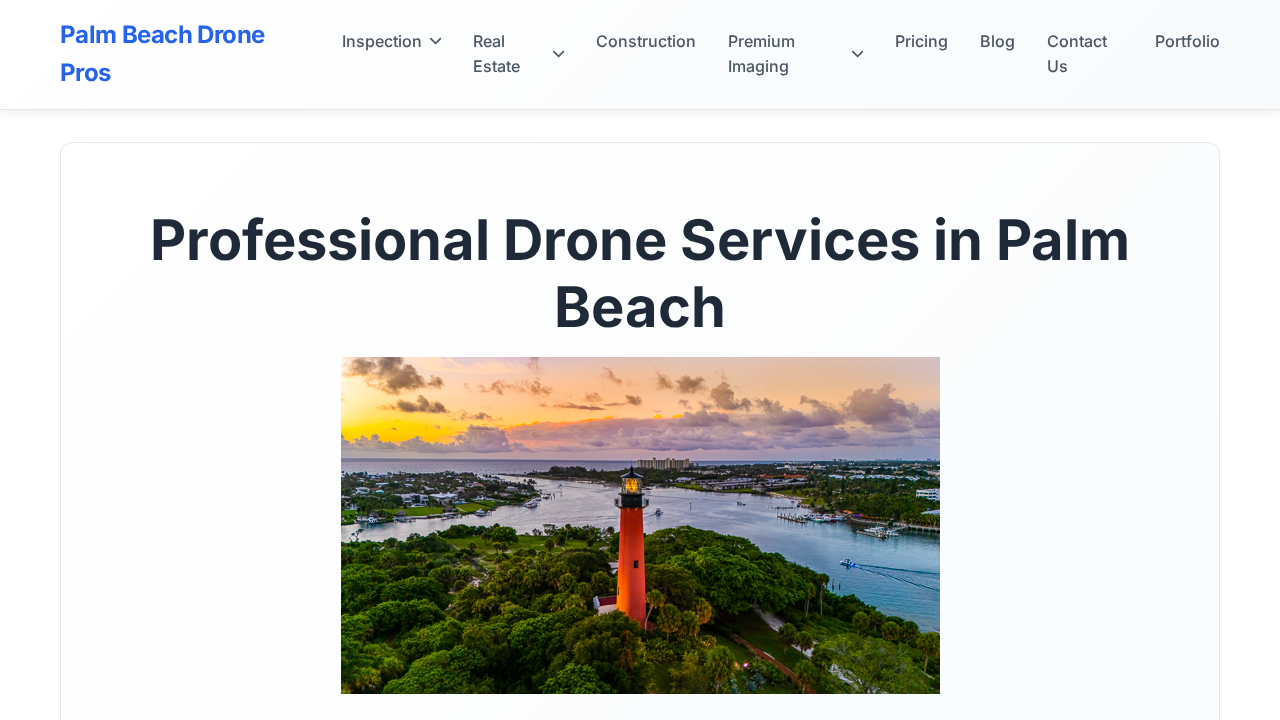
❌ Core homepage image context is missing
What we saw
The primary image on the homepage was missing a descriptive image attribute, so there isn’t any text explaining what that visual represents.
Why this matters for AI SEO
When key visuals don’t have clear text context, AI systems have less information to work with when summarizing the page and understanding what it’s about.
Next step
Add a short, specific description to the homepage’s main image so it’s understandable without relying on the visual alone.
❌ No XML sitemap was found
What we saw
A standard XML sitemap wasn’t found, which means there isn’t a clear centralized list of important pages for discovery.
Why this matters for AI SEO
Without a dependable discovery map, both search engines and AI-driven crawlers can miss pages or take longer to pick up changes across the site.
Next step
Create and publish a standard XML sitemap so important pages are easier to discover and revisit.
❌ No media sitemap was detected
What we saw
We didn’t detect a dedicated sitemap for images or videos.
Why this matters for AI SEO
Media sitemaps can help AI and search systems interpret and surface visual content more reliably, especially when it supports your core offerings.
Next step
Publish an image and/or video sitemap so media assets are easier for crawlers to find and understand.
Structured Data
❌ No structured data was detected on the homepage
What we saw
The homepage didn’t include structured data markup, so key business details aren’t being provided in a standardized, machine-readable way.
Why this matters for AI SEO
Structured data helps AI systems and search engines form more confident interpretations of what the business is, what it offers, and how it should be represented.
Next step
Add structured data to the homepage so core business information is easier for systems to interpret consistently.
❌ Organization-level structured signals weren’t present
What we saw
We didn’t find organization-type structured signals on the homepage.
Why this matters for AI SEO
When organization details aren’t clearly defined in a standard format, AI systems have a harder time tying your site to a single, authoritative brand entity.
Next step
Include organization-type structured signals that clearly describe the business and its identity.
❌ Blog/resource structured signals couldn’t be verified
What we saw
A specific blog or resource page wasn’t available for review, so article-level structured signals (like author details) couldn’t be confirmed.
Why this matters for AI SEO
When author and article context can’t be validated, it’s harder for AI systems to assess credibility and reuse content confidently.
Next step
Provide a crawlable blog/resource page with clear author attribution signals so it can be evaluated and understood consistently.
AI Readiness
❌ AI discovery is limited without a sitemap
What we saw
A standard XML sitemap wasn’t found, which reduces the “always-on” discovery layer for crawlers.
Why this matters for AI SEO
Even when crawlers can access the site, a missing discovery layer makes it harder for AI systems to find key pages quickly and keep their understanding up to date.
Next step
Publish a standard XML sitemap so AI crawlers have a consistent source of truth for site discovery.
❌ No “last updated” context was available via sitemap
What we saw
Because there wasn’t a valid sitemap to evaluate, we couldn’t confirm any “last modified” information for pages.
Why this matters for AI SEO
Freshness and update context can influence how confidently AI systems treat content as current, especially for service details and business info.
Next step
Ensure the sitemap includes page update context so crawlers can understand what’s changed over time.
❌ No Wikidata entity was found for the brand
What we saw
We didn’t find a Wikidata item associated with the brand.
Why this matters for AI SEO
A recognized entity reference can help LLMs connect brand mentions, attributes, and trust signals more consistently across the web.
Next step
Create or confirm a Wikidata entry for the brand so AI systems have a clearer entity reference point.
Reputation
❌ Business identity signals are inconsistent
What we saw
We saw conflicting address information across sources (Boca Raton vs. West Palm Beach), which creates mixed identity signals.
Why this matters for AI SEO
Generative engines rely on consistent consensus to confidently describe a brand; conflicting business details can weaken that certainty.
Next step
Standardize the business address across major profiles and references so the brand identity resolves cleanly.
❌ No Wikidata-based identity anchors were present
What we saw
A Wikidata entity wasn’t found, and there were no Wikidata-linked identity anchors to reinforce the brand.
Why this matters for AI SEO
Without strong entity anchoring, it’s harder for AI systems to confidently connect the website to a single, well-defined brand profile.
Next step
Establish a Wikidata entity and align it with consistent brand identifiers to strengthen entity-level trust.
❌ Official social profiles aren’t linked from the homepage
What we saw
Social profiles appear to exist, but we didn’t see direct links to them on the homepage.
Why this matters for AI SEO
When official profiles aren’t clearly connected to the site, AI systems have fewer strong “confirming” signals tying your web presence together.
Next step
Add clear homepage links to the official social profiles to reinforce a consistent brand footprint.
❌ Independent third-party press signals were missing
What we saw
We didn’t find independent press mentions or third-party news coverage for the brand.
Why this matters for AI SEO
Independent validation can strengthen trust and improve how confidently AI systems describe a brand beyond its own site.
Next step
Build verifiable third-party mentions so the brand has more independent sources that confirm its legitimacy.
LLM-Ready Content
❌ No clear author attribution was found
What we saw
There wasn’t a visible author byline or other clear author identification tied to the content.
Why this matters for AI SEO
When authorship isn’t clear, AI systems have a harder time assigning credibility and confidently reusing or citing the information.
Next step
Add a clear author name (and supporting author context) to the page so ownership of the content is unambiguous.
❌ Content recency wasn’t clearly stated
What we saw
A copyright year was present, but we didn’t see an explicit “last updated” or modification date for the content itself.
Why this matters for AI SEO
AI systems tend to trust content more when they can quickly confirm whether it’s current, especially for service details and decision-making info.
Next step
Include a clear publish and/or last-updated timestamp that reflects the content’s real maintenance.
❌ No outbound citations or references were included
What we saw
The page didn’t contain outbound links to external, non-social informational sources.
Why this matters for AI SEO
Citations help AI systems evaluate trust and understand how your claims connect to broader, verifiable information.
Next step
Add a small set of relevant, credible external references where they naturally support the content.
❌ The page reads more like a landing page than a resource
What we saw
Many sections were extremely short, with subheadings that functioned more like slogans than descriptive topic labels, and early paragraphs didn’t provide much context.
Why this matters for AI SEO
AI systems look for clear, information-rich sections that answer common questions; when the content stays high-level, it’s harder to summarize accurately and reuse.
Next step
Rewrite sections so headings match the topic and each section provides enough context to stand on its own.
❌ No table-based summary content was found
What we saw
We didn’t detect any tables that summarize key details in a structured way.
Why this matters for AI SEO
Structured summaries can make it easier for AI systems to extract accurate details (like service comparisons, specs, or process steps) without guessing.
Next step
Add a simple table where it genuinely helps summarize key information users (and AI) might want to reference quickly.
Does Anything Seem Off?
Thanks for taking our free GEO Grader for a spin. When we started this journey, the tool had a fairly long processing time to check everything we wanted both onsite and offsite, so we made a few adjustments on the backend to speed things up. As a result, there are times when the grader may not get everything 100% right. If something feels off, we recommend running the tool a second time to confirm the results. From there, you’re always welcome to reach out to us to schedule a GEO consultation, or to have your SEO provider validate the findings with a more detailed crawl and manual review.
