
Overview:
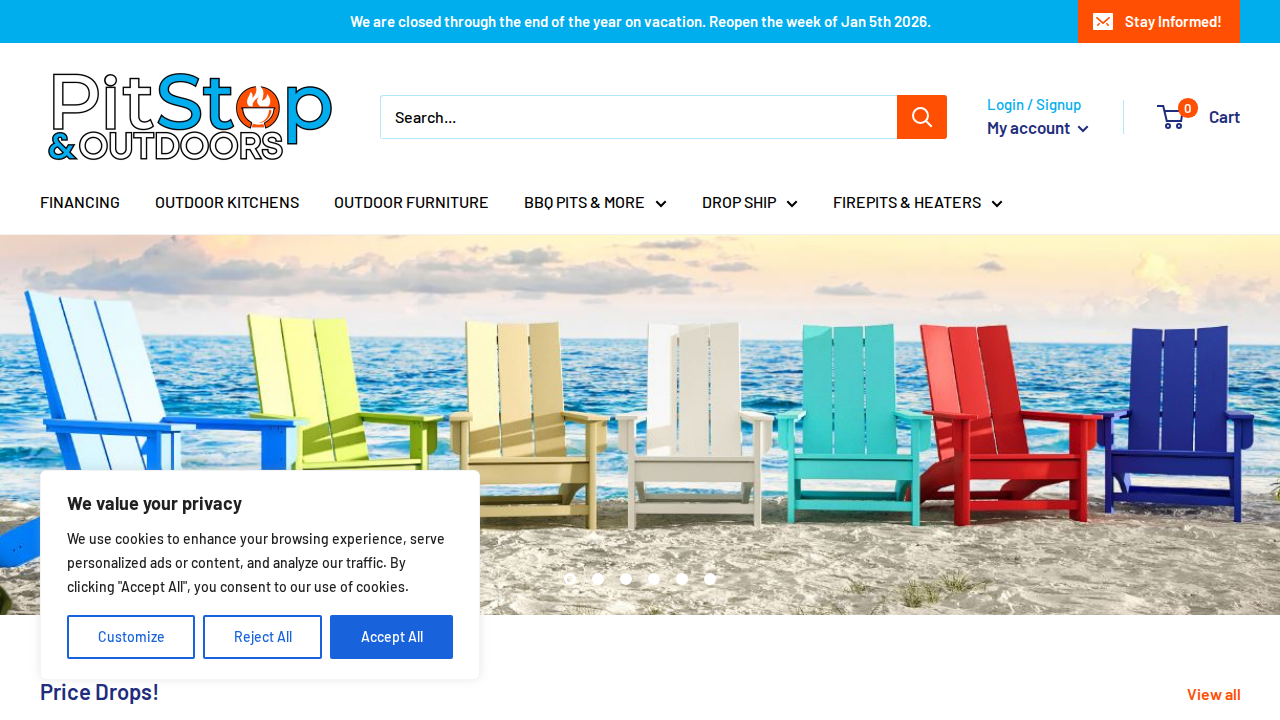
On 01/30/26 pitstopandoutdoors.com/index.html scored 52% — **Fair** – Overall, the site has some solid building blocks for AI visibility, but a few missing signals and trust gaps are holding it back from showing up as clearly as it could.
Executive summary
Score Breakdown (High Level)
- Discoverability: 100% - Overall, the site’s crawlability is in good shape, but we didn’t find a standard meta description or any specialized sitemaps for images and video.
- Structured Data: 33% - The site has basic breadcrumb schema in place, but it's missing the critical organization and author-level markup that search engines use to establish trust and identity.
- AI Readiness: 50% - The site has a solid technical start with open crawler access and a clear About page, but it's missing key structured data like sitemap timestamps and a Wikidata presence.
- Performance: 50% - Mobile performance generally landed in the "not poor" range for responsiveness and stability, but the main content takes far too long to load.
- Reputation: 50% - The brand is recognized by multiple LLMs and has solid social links, but negative client sentiment and missing identity anchors like Wikidata are significant hurdles for your reputation score.
- LLM-Ready Content: 44% - The site establishes good baseline trust through clear authorship and brand partnerships, but the content structure is currently too fragmented and lacks the descriptive depth needed for optimal AI discovery.

What stands out most overall
The main takeaway is that a few key visibility and trust signals aren’t coming through clearly enough for AI systems, even though the site has some solid fundamentals. Most of what’s showing up here reads less like “something is wrong” and more like “the picture isn’t complete,” especially around brand identity, content clarity, and how the site gets interpreted at a glance. The breakdown below walks through the specific areas where signals were missing or couldn’t be confirmed, organized by section. None of this is unusual, and it’s all the kind of stuff that can be tightened up once you know where the gaps are.
Detailed Report
Discoverability
❌ Homepage meta description missing
What we saw
The homepage is missing a standard meta description. That leaves less clear context about what the page is about when it’s being summarized or interpreted.
Why this matters for AI SEO
When AI systems try to understand and describe your brand quickly, missing basic page context can lead to weaker or less accurate summaries. It can also make the page harder to position confidently for relevant queries.
Next step
Add a clear, plain-English meta description to the homepage that reflects what the business does and who it’s for.
❌ No dedicated image or video sitemap found
What we saw
We didn’t find specialized sitemaps for images or videos. That means visual assets may not be as easy to discover and understand at scale.
Why this matters for AI SEO
Generative engines increasingly rely on strong content discovery signals, and rich media can be part of what gets surfaced and referenced. If those assets are harder to find, they’re less likely to be used or cited.
Next step
Create and publish image and/or video sitemaps (as applicable) so media assets are easier to surface and interpret.
Structured Data
❌ Organization-type structured data not detected
What we saw
The homepage includes basic structured data, but we didn’t see organization-type markup that clearly defines who the business is. As a result, the site’s identity signals look limited.
Why this matters for AI SEO
AI systems rely on explicit identity cues to connect a website to a real-world entity. If that identity isn’t clearly stated, it can reduce confidence and consistency in how the brand gets represented.
Next step
Add organization-focused structured data so the site clearly communicates its business identity.
❌ Blog/resource page structured data couldn’t be verified
What we saw
A resource/blog page file wasn’t available in this evaluation, so we couldn’t confirm whether article-level structured data is present there. That leaves an important content area as an unknown.
Why this matters for AI SEO
When AI engines interpret articles, clear content labeling helps them understand what the page is and how to attribute it. If this can’t be confirmed, content may be less likely to be framed correctly.
Next step
Make sure key blog/resource templates include clear structured data that supports article understanding.
❌ Blog/resource author clarity couldn’t be confirmed
What we saw
Because a resource/blog page wasn’t provided for this specific structured-data review, we couldn’t validate that posts consistently show a clear, non-generic author. This leaves author attribution unconfirmed in this part of the evaluation.
Why this matters for AI SEO
Author signals can help AI systems decide how much to trust and reuse content, especially when it’s informational. If author attribution isn’t consistently understandable, content can lose credibility in summaries.
Next step
Ensure blog posts consistently show a real author and that the author is clearly identifiable.
❌ Author identity links couldn’t be confirmed
What we saw
We couldn’t verify whether author identity links (like profiles on trusted platforms) are included, since the resource/blog page wasn’t available in this structured-data check. That leaves cross-platform identity signals unconfirmed.
Why this matters for AI SEO
AI systems tend to trust creators more when they can be connected to consistent public profiles. Without those connections, it’s harder for engines to confidently attribute expertise.
Next step
Add clear author identity links where appropriate so author attribution is easier to validate.
AI Readiness
❌ Sitemap doesn’t include content update timestamps
What we saw
The sitemap was found, but it doesn’t include update timestamps. That makes it less clear which pages are newest or most recently maintained.
Why this matters for AI SEO
When AI systems prioritize what to crawl and reference, freshness and change signals help them make smarter choices. Without those signals, newer or updated pages can be easier to miss.
Next step
Include update timestamps in the sitemap so content changes are clearer to discovery systems.
❌ No Wikidata entity found for the brand
What we saw
We didn’t find a Wikidata entity connected to the brand. That means a key external identity reference point appears to be missing.
Why this matters for AI SEO
Generative engines often use public knowledge sources to verify and disambiguate brands. Without that anchor, it can be harder for systems to confidently tie your site to a consistent entity.
Next step
Establish a Wikidata presence for the brand so entity verification is easier.
Performance
❌ Main content takes too long to load on mobile
What we saw
The primary content on the homepage took an unusually long time to fully appear in the mobile experience. This creates a lag before users (and some systems) can engage with what matters most.
Why this matters for AI SEO
When key content is slow to appear, it can reduce real-world usability and can also weaken how reliably content is processed and prioritized. Over time, that can contribute to softer visibility compared to faster competitors.
Next step
Reduce the time it takes for the homepage’s main content to fully load on mobile.
Reputation
❌ Negative customer claims surfaced in third-party reviews
What we saw
The research data included negative client assertions, including scam-related concerns and unfulfilled order claims on Trustpilot. This is the kind of language that can meaningfully affect perceived trust.
Why this matters for AI SEO
Generative engines try to protect users from risky recommendations, so prominent negative claims can reduce the chances of a brand being confidently suggested. Even when disputed, the presence of these claims can shape how the brand is summarized.
Next step
Review and address the Trustpilot narrative so the public-facing customer story is clearer and more trustworthy.
❌ Brand identity isn’t consistently verified (especially address)
What we saw
The research packet couldn’t identify a consistent physical address for the business. That makes the brand’s real-world identity harder to validate.
Why this matters for AI SEO
When AI systems can’t confirm core identity details, they tend to be more cautious in how they describe or recommend a business. Consistency helps reduce confusion and builds confidence.
Next step
Make sure the business identity details are consistent and easily verifiable across major public sources.
❌ No verified Wikidata presence for the brand
What we saw
No matching Wikidata entry was found, and there weren’t official identity anchors coming from Wikidata as a result. This leaves an external verification gap.
Why this matters for AI SEO
Wikidata can act like a standardized reference for entities across the web. Without it, AI systems may have a harder time confirming “who’s who,” especially for brands with similar names.
Next step
Create and align a Wikidata entity so the brand has a clear external identity anchor.
❌ Inconsistent recognition of social profiles across AI sources
What we saw
Only one model in the research packet identified the brand’s social profiles, so there wasn’t consistent agreement across sources. That inconsistency can make social identity feel less certain.
Why this matters for AI SEO
When multiple sources converge on the same identity details, AI systems tend to treat them as more reliable. If profiles aren’t consistently recognized, brand verification can become shakier.
Next step
Strengthen cross-platform consistency so major social profiles are more reliably associated with the brand.
❌ No independent offsite coverage found
What we saw
The research data didn’t surface any independent press or external coverage mentions. That suggests there may be limited third-party validation visible to AI systems.
Why this matters for AI SEO
Independent coverage can serve as a credibility signal that helps AI engines feel safer citing or recommending a brand. When it’s missing, the brand story relies more heavily on self-published sources.
Next step
Build a clearer footprint of credible third-party coverage that AI systems can reference.
❌ No onsite press or press-release footprint detected
What we saw
We didn’t see owned press mentions or press releases reflected in the research data. That can make it harder to find an “official record” of notable updates.
Why this matters for AI SEO
When AI systems summarize a brand, they look for stable, referenceable statements about milestones, partnerships, and announcements. If that layer isn’t present, brand context can look thinner than it really is.
Next step
Create a clear owned press footprint so brand announcements are easier to find and reference.
LLM-Ready Content (Blog Analysis)
Heads up: this section looks at one article as a snapshot, so it’s a little more interpretive than the rest of the report and may shift slightly from run to run. Have questions? Just shoot us an email at hello@v9digital.com
❌ Content hasn’t been updated recently
What we saw
The analyzed article shows a date of April 2024, which is more than a year old as of today. That can make the page feel less current compared to more actively maintained content.
Why this matters for AI SEO
AI systems often prefer referencing content that appears current, especially for product-adjacent topics. Older update signals can reduce confidence that the details are still accurate.
Next step
Refresh the article so it clearly reflects current information and recency.
❌ Sections are too thin to communicate depth
What we saw
Most sections are very short and read more like snippets than full, explanatory blocks. The structure doesn’t give AI systems much to “grab onto” when summarizing expertise.
Why this matters for AI SEO
Generative engines do better when content is organized into substantive, digestible sections with enough detail to interpret meaning. Thin sections can lead to shallow summaries or missed nuance.
Next step
Expand key sections so each one provides a clear, self-contained explanation rather than a quick blurb.
❌ No table-based summaries found
What we saw
The content doesn’t include any table-style summaries. That means there’s no quick, structured way to compare or recap key details.
Why this matters for AI SEO
AI systems often extract and reuse structured summaries because they’re unambiguous and easy to cite. Without them, important specifics can be harder to interpret consistently.
Next step
Add a simple table where it makes sense to summarize comparisons, specs, or key takeaways.
❌ Subheadings are too generic to add context
What we saw
Many subheadings are short or generic (for example, labels that read like product names or broad buckets). They don’t clearly communicate what each section is actually about.
Why this matters for AI SEO
Descriptive headings act like signposts for AI, helping it map the page and extract the right parts for the right questions. Generic headings can reduce clarity and retrieval accuracy.
Next step
Rewrite section headings so they describe the specific topic or question that section answers.
❌ Key answers don’t show up early in sections
What we saw
Most sections don’t start with a substantive opening paragraph that quickly explains the point. Instead, they lean on short snippets or lists that take longer to interpret.
Why this matters for AI SEO
AI systems tend to reward pages where the “answer” is easy to locate near the top of a section. If the meaning is buried or implied, it can be skipped or summarized inaccurately.
Next step
Make sure each main section opens with a clear, intent-matching paragraph that states the core takeaway up front.
Does Anything Seem Off?
Thanks for taking our free GEO Grader for a spin. When we started this journey, the tool had a fairly long processing time to check everything we wanted both onsite and offsite, so we made a few adjustments on the backend to speed things up. As a result, there are times when the grader may not get everything 100% right. If something feels off, we recommend running the tool a second time to confirm the results. From there, you’re always welcome to reach out to us to schedule a GEO consultation, or to have your SEO provider validate the findings with a more detailed crawl and manual review.
