
Overview:
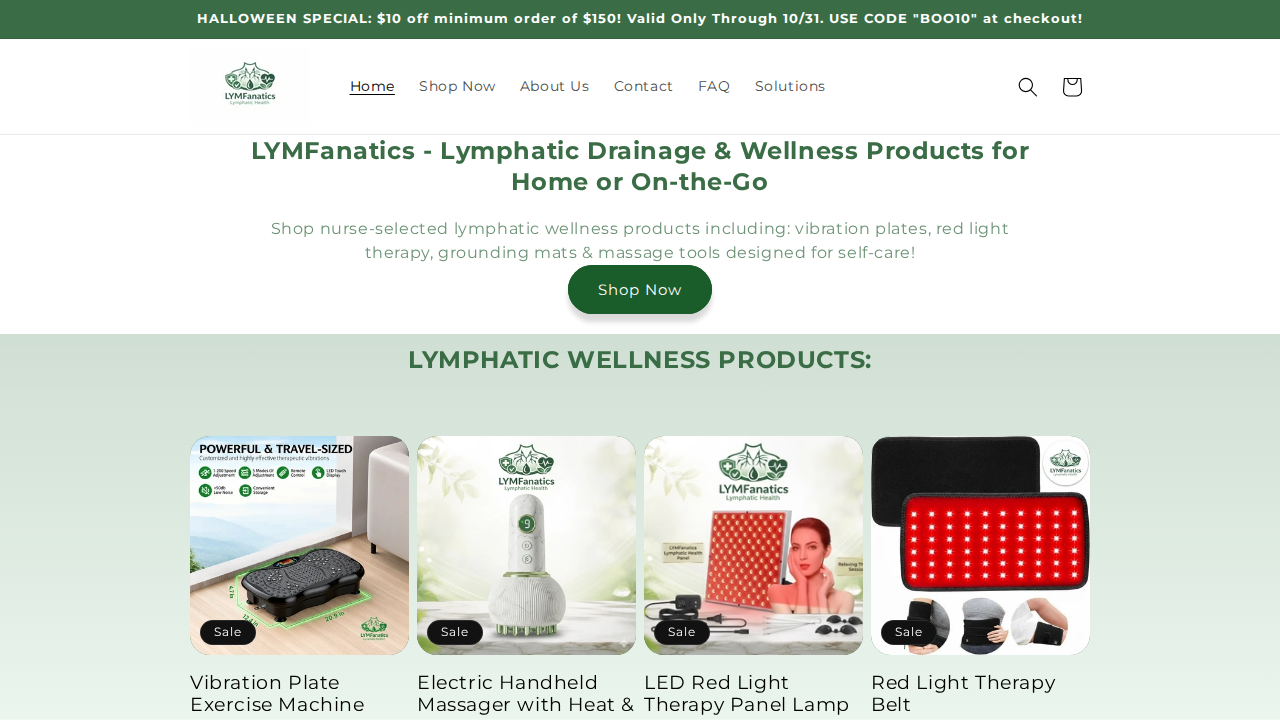
On 10/01/26 lymfanatics.com scored 56% — **Fair** – Overall, the fundamentals are there, but a few clarity gaps make the site harder for AI systems to confidently interpret and reuse.
Executive summary
Score Breakdown (High Level)
- Discoverability: 100% - The site's discovery signals are mostly healthy and accessible, though we weren't able to find any specific sitemaps for images or videos.
- Structured Data: 58% - The site has solid organization-level schema on the homepage, but we weren't able to review any author-level details or content-specific markup.
- AI Readiness: 50% - The site is generally accessible to AI crawlers and provides clear brand context, though the sitemap lacks update timestamps and there is no Wikidata presence.
- Performance: 33% - Mobile performance generally landed outside the 'poor' range for responsiveness, though visual stability and load times are currently lagging.
- Reputation: 88% - The brand maintains a strong and consistent identity across the web, supported by independent press mentions and clearly linked social media profiles.
- LLM-Ready Content: 20% - The content is well-authored by a medical professional, but lacks the structured dates and chunked depth needed for optimal AI indexing.

What stands out most overall
The big picture is that your baseline visibility signals are fairly solid, but a few missing or unclear details make it harder for AI systems to confidently interpret the site and reuse specific content. These aren’t “mistakes” so much as places where context, freshness, and structure aren’t showing up clearly enough. Below, we’ll walk through the exact areas that came up—covering discovery signals, resource/author clarity, AI-readiness cues, performance, and how the resource content is organized. Overall, what’s here is workable; it just needs a cleaner story in the spots where the details are currently thin or missing.
Detailed Report
Discoverability
❌ Image or video sitemap missing
What we saw
We didn’t see an image sitemap or a video sitemap available for the site. This makes it less clear where your visual content lives and how it should be discovered.
Why this matters for AI SEO
AI-powered discovery often leans on clear site-provided signals to find and understand content types like images and videos. When those signals aren’t present, visual content can be easier to miss or harder to interpret at scale.
Next step
Publish an image sitemap and/or video sitemap so your visual content has a clear discovery path.
Structured Data
❌ Resource / blog page markup not found
What we saw
We weren’t able to confirm structured data on the resource/blog page because the resource page content we expected to evaluate was missing or empty. That means we couldn’t validate the usual signals that help describe an article or resource page.
Why this matters for AI SEO
When resource pages don’t clearly describe what they are, who they’re for, and how they relate to your brand, AI systems have a harder time classifying and trusting them. That can limit how reliably your content is referenced or summarized.
Next step
Make sure the resource/blog page includes complete, crawlable content and the structured data needed to describe the page.
❌ Author not verified on the resource / blog post
What we saw
We couldn’t verify a clear, non-generic author on the resource/blog post because the resource page content we looked for was missing or empty. As a result, author attribution couldn’t be confirmed from that page.
Why this matters for AI SEO
Author clarity is a big part of how AI systems judge trust and expertise for informational content. If authorship can’t be confirmed, it’s harder for the content to be treated as credible and reusable.
Next step
Ensure each resource/blog post clearly identifies its author in a way that’s visible and consistent.
❌ Author “sameAs” identity links not found
What we saw
We weren’t able to find author identity links (the kind that connect an author to recognized profiles) because the resource page content we expected was missing or empty. That left the author’s broader identity unconfirmed in the evaluated data.
Why this matters for AI SEO
AI systems are more confident when they can connect an author to consistent identities across the web. Without that linkage, it’s easier for author credibility to be treated as ambiguous.
Next step
Add author identity links for resource content so the author can be consistently recognized across sources.
AI Readiness
❌ Sitemap update timestamps not present
What we saw
An XML sitemap was found, but it didn’t include update timestamps that indicate when pages were last modified. That makes change history less obvious at a glance.
Why this matters for AI SEO
AI crawlers and search systems use update signals to understand freshness and prioritize recrawling. When those signals are missing, newer or updated content can be slower to be recognized as current.
Next step
Include last-updated timestamps in your sitemap entries so content freshness is easier to interpret.
❌ No Wikidata entity found for the brand
What we saw
We didn’t see a Wikidata entry associated with the brand. That leaves one less widely recognized reference point tying the business name to a unique entity.
Why this matters for AI SEO
Entity-style references help AI systems disambiguate brands and keep details consistent. Without a clear entity record, it can be harder for models to confidently anchor your brand identity.
Next step
Create and connect a Wikidata entity for the brand so it’s easier to identify consistently.
Performance
❌ Main content loads slowly on the homepage
What we saw
The homepage’s primary content took longer than expected to fully render (Largest Contentful Paint was around 6.2 seconds). This points to a noticeably slow visual load for users.
Why this matters for AI SEO
When pages feel slow to fully load, it can reduce engagement and weaken overall page usefulness signals over time. AI-driven systems tend to perform better with content that’s consistently accessible and quick to reach.
Next step
Reduce the time it takes for the homepage’s main content to render so the page feels complete faster.
❌ Layout shifts during homepage load
What we saw
The homepage showed more visual shifting than is ideal during load (CLS measured about 0.39). This can make the page feel jumpy as elements move around.
Why this matters for AI SEO
Unstable layouts can disrupt reading and scanning, which impacts how easily content is consumed and trusted. Over time, that can make the page a weaker candidate for being referenced or recommended.
Next step
Stabilize the homepage layout during loading so key content stays in place.
Reputation
❌ No Wikidata presence
What we saw
We didn’t find a Wikidata entity for the brand in the evaluation data. So while the brand shows up elsewhere, it’s missing this particular standardized identity reference.
Why this matters for AI SEO
Knowledge-graph style sources help AI systems keep brand facts consistent and reduce confusion with similarly named entities. Without that anchor, identity signals can be less definitive in some contexts.
Next step
Establish a Wikidata entity for the brand to strengthen its “unique entity” footprint.
LLM-Ready Content (Blog Analysis)
Heads up: this section looks at one article as a snapshot, so it’s a little more interpretive than the rest of the report and may shift slightly from run to run. Have questions? Just shoot us an email at hello@v9digital.com
❌ No clear publish or update date
What we saw
We didn’t find a specific publication date or last-updated date in the visible content or supporting page info. That makes it hard to tell how current the article is.
Why this matters for AI SEO
AI systems tend to prioritize content that’s easy to place in time, especially for health and wellness topics. Without clear dates, it’s harder to assess freshness and reliability.
Next step
Add a clear publish date and (if applicable) a last-updated date to the article.
❌ Freshness couldn’t be confirmed
What we saw
Because no explicit update date was found, we couldn’t confirm that the content has been updated recently. The page may still be accurate, but the timing isn’t verifiable from what’s shown.
Why this matters for AI SEO
When freshness isn’t clear, AI engines may be more cautious about reusing the information as “current.” This can limit how often it shows up in answers that prefer recent context.
Next step
Include an explicit “last updated” date when the content is reviewed or refreshed.
❌ No non-social outbound references
What we saw
We didn’t see outbound links to third-party, non-social sources on the page. That leaves readers (and AI systems) with fewer external reference points.
Why this matters for AI SEO
Outbound references can help AI systems understand what claims are grounded in broader sources, especially in informational content. Without them, the page can come across as more self-contained and harder to validate.
Next step
Add at least one relevant non-social outbound link that supports or contextualizes a key point.
❌ Sections are too thin to chunk cleanly
What we saw
Most sections were very short, which makes the content feel fragmented rather than clearly grouped into meaningful blocks. That limits how well the page can be scanned and extracted.
Why this matters for AI SEO
LLMs tend to work best with content that’s organized into substantial, self-contained sections. If sections are too thin, key ideas can lose context when summarized or quoted.
Next step
Rewrite or consolidate sections so each one fully covers a single idea in a more complete block.
❌ No table-based information formatting
What we saw
We didn’t find any tables on the page. If the content includes comparisons, steps, or product details, it isn’t being presented in a structured, easy-to-parse grid.
Why this matters for AI SEO
Tables can make key information more extractable and less ambiguous for AI systems. Without them, important details may remain buried in prose.
Next step
Add a simple table where it naturally fits (for example, a comparison or quick reference section).
❌ Subheadings are too generic or low-signal
What we saw
A large share of subheadings were short or generic, which makes it harder to understand what each section is truly about at a glance. That reduces scannability for both people and machines.
Why this matters for AI SEO
Descriptive subheadings help AI systems map the page into clear topics and retrieve the right section for a specific question. Generic headings make that mapping less reliable.
Next step
Update subheadings so they clearly describe the specific question or takeaway each section addresses.
❌ Key answers don’t show up early enough
What we saw
Many sections don’t open with a solid “answer first” paragraph, so readers have to work to find the main point. The result is that the page feels less immediately informative.
Why this matters for AI SEO
AI systems often prefer content where the primary takeaway is stated clearly near the start of a section. When answers are buried, it’s easier for summaries to miss or mis-prioritize the point.
Next step
Adjust section openings so the first paragraph clearly states the main takeaway before expanding.
Does Anything Seem Off?
Thanks for taking our free GEO Grader for a spin. When we started this journey, the tool had a fairly long processing time to check everything we wanted both onsite and offsite, so we made a few adjustments on the backend to speed things up. As a result, there are times when the grader may not get everything 100% right. If something feels off, we recommend running the tool a second time to confirm the results. From there, you’re always welcome to reach out to us to schedule a GEO consultation, or to have your SEO provider validate the findings with a more detailed crawl and manual review.
