
Overview:
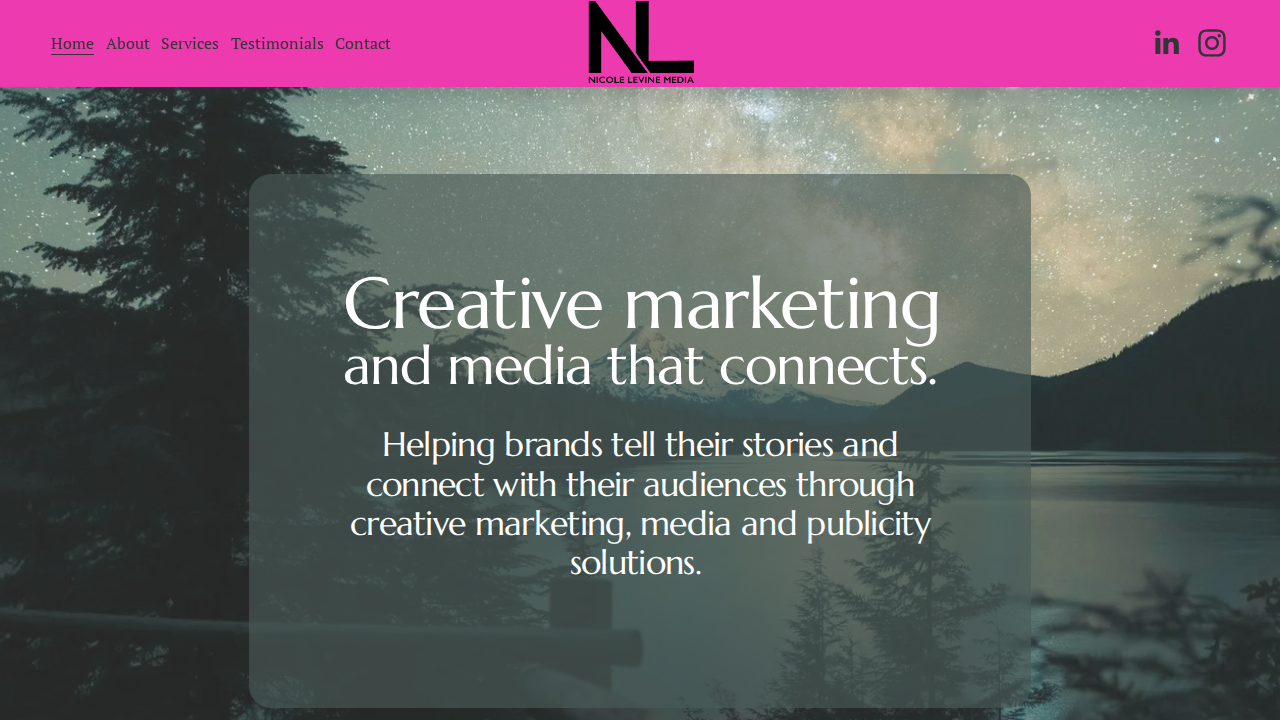
On 01/29/26 nicolelevinemedia.com/ scored 51% — **Fair** – Overall, the site has some solid fundamentals in place, but a handful of clarity and credibility gaps are keeping it from showing up as strongly in AI-driven results as it could.
Executive summary
Score Breakdown (High Level)
- Discoverability: 100% - The site is technically accessible and easy for search bots to crawl, though it's missing image sitemaps and content within the meta description tag.
- Structured Data: 58% - The homepage has a solid foundation with LocalBusiness schema, but the lack of blog data means we couldn't confirm author or article details.
- AI Readiness: 67% - The site’s technical foundation for AI is in great shape with a clear sitemap and open crawler access, though establishing a Wikidata entry would help solidify the brand’s identity for LLMs.
- Performance: 39% - Mobile performance is a bit of a mixed bag; while the site handles layout stability and responsiveness well, the actual load time for the main content is quite slow.
- Reputation: 54% - The brand shows strong social signals and model recognition, but the lack of third-party reviews and a verified business address prevents it from reaching a higher trust tier.
- LLM-Ready Content: 20% - The page lacks the structural markers and explicit dating that help AI systems organize, trust, and prioritize content.

The main themes behind the gaps
What stands out most is that the baseline signals are there, but several key areas still leave AI systems with too many unanswered questions about relevance, credibility, and how to interpret the content. Most of the gaps read less like “something is wrong” and more like missing context that would help your pages and brand be summarized with more confidence. The next sections break down the specific places where those signals were missing across discoverability, structured data, AI readiness, performance, reputation, and content structure. None of this is unusual—it’s the kind of cleanup that tends to add up quickly once you know where to look.
Detailed Report
Discoverability
❌ Core metadata is incomplete
What we saw
The meta description tag is present, but it’s empty. That means there isn’t a clear, written summary of the page being provided.
Why this matters for AI SEO
When the site doesn’t clearly describe itself in key places, AI-driven experiences can end up relying on weaker or inconsistent signals to summarize your brand and page intent.
Next step
Write a clear, plain-English description for the homepage that matches how you want the brand and offering summarized.
❌ Visual content isn’t supported with dedicated discovery signals
What we saw
We didn’t detect dedicated image or video sitemaps. This can make it harder for visual content to be consistently discovered and indexed.
Why this matters for AI SEO
Generative engines often pull supporting visuals and media context when they’re available, and missing signals can reduce how fully your content is represented.
Next step
Add dedicated discovery support for image and/or video content so visual assets are easier to surface.
Structured Data
❌ Resource/blog page structured data couldn’t be evaluated
What we saw
A resource or blog page wasn’t provided, so we couldn’t verify whether that content includes the expected structured details.
Why this matters for AI SEO
When deeper content pages don’t carry consistent structured signals, it’s harder for AI systems to confidently interpret and reuse your articles as trusted references.
Next step
Provide a representative resource/blog URL and ensure those pages include consistent structured signals.
❌ Blog author clarity couldn’t be confirmed
What we saw
Because no resource/blog page was provided, we couldn’t confirm whether posts show a clear, non-generic author.
Why this matters for AI SEO
Clear authorship helps AI systems connect content to real expertise and reduces ambiguity around who is responsible for the information.
Next step
Make sure each article clearly displays a specific author and include that same information in the structured details for the page.
❌ Author profile connections weren’t verified
What we saw
We couldn’t evaluate whether author profiles include consistent external identity links because the resource/blog page wasn’t provided.
Why this matters for AI SEO
When an author’s identity can be corroborated across the web, it strengthens trust and makes it easier for AI systems to connect mentions and credentials.
Next step
Ensure author profiles include clear external identity links and provide a blog/resource page for validation.
AI Readiness
❌ No Wikidata entity found for the brand
What we saw
We didn’t find a Wikidata entity ID for the brand. As a result, there isn’t a strong, standardized “entity anchor” confirming who the brand is.
Why this matters for AI SEO
AI systems rely on consistent entity identification to reduce confusion, especially when brands have similar names or overlapping topics.
Next step
Create and/or claim a Wikidata entity for the brand so AI systems can reliably connect the dots.
Performance
❌ Main content takes too long to appear
What we saw
The page’s largest visible content element is taking a long time to load (over 15 seconds in the snapshot). That’s well past the point where users typically lose patience.
Why this matters for AI SEO
If real users consistently abandon or don’t engage, it can limit how much real-world evidence there is that the page is useful and trustworthy.
Next step
Prioritize reducing time-to-visible content on the homepage so visitors can get value quickly.
❌ Overall mobile performance signal is weak
What we saw
The overall performance snapshot for the homepage came back below a healthy baseline. Even if parts of the experience feel responsive, the page is still struggling in the broader loading experience.
Why this matters for AI SEO
Generative engines tend to favor sources that users can reliably access and consume, and poor loading experiences can reduce visibility over time.
Next step
Improve the overall loading experience so the site is consistently usable on mobile.
Reputation
❌ Brand identity details aren’t fully confirmed
What we saw
The brand name and domain appear consistent, but a physical business address wasn’t identified in the consensus data.
Why this matters for AI SEO
When core identity details aren’t consistently visible, it can make AI systems less confident about the organization behind the site.
Next step
Make sure your core business identity details are consistently present and easy to confirm across key brand touchpoints.
❌ No Wikidata presence confirmed
What we saw
No matching Wikidata entity was found for the brand.
Why this matters for AI SEO
A strong entity reference helps AI systems validate the brand and connect mentions across sources with less ambiguity.
Next step
Establish a Wikidata entity for the brand so third-party systems have a consistent reference point.
❌ Third-party reviews aren’t consistently visible
What we saw
We didn’t see a clear, consistent set of third-party reviews or customer feedback sources showing up across the evaluated sources.
Why this matters for AI SEO
Independent customer feedback is one of the clearest trust signals AI systems can use to validate credibility beyond your own site.
Next step
Build and highlight consistent third-party review signals that can be independently verified.
❌ Independent press or media coverage isn’t confirmed
What we saw
No consensus was reached around independent or owned press mentions.
Why this matters for AI SEO
When credible third-party coverage is absent or hard to corroborate, it can limit how strongly AI systems treat the brand as established.
Next step
Strengthen and centralize verifiable press/media references so they’re easier for systems to confirm.
LLM-Ready Content (Blog Analysis)
Heads up: this section looks at one article as a snapshot, so it’s a little more interpretive than the rest of the report and may shift slightly from run to run. Have questions? Just shoot us an email at hello@v9digital.com
❌ No visible publish or update date
What we saw
We didn’t see a visible publication date or update date on the page, and no standard date signal was detected.
Why this matters for AI SEO
Without clear timing context, AI systems have a harder time judging whether the information is current enough to reuse.
Next step
Add a clear publish and/or last-updated date that’s visible on the page.
❌ Content freshness can’t be confirmed
What we saw
Because no update/modified date was found, the page doesn’t clearly signal whether it has been refreshed recently.
Why this matters for AI SEO
When freshness is unclear, generative engines may be less likely to surface or cite the content for queries where recency matters.
Next step
Surface an explicit “updated” signal when content is refreshed so recency is easy to understand.
❌ No supporting outbound references
What we saw
We didn’t find outbound links to non-social external sites—only internal links and social links were present.
Why this matters for AI SEO
Outbound references can help reinforce credibility and give AI systems clearer context for claims, definitions, and supporting details.
Next step
Add a small number of relevant, non-social external references where they naturally support the content.
❌ Content isn’t broken into clear sections
What we saw
The page has fewer than two H2 subheadings, so it isn’t clearly chunked into multiple scannable sections.
Why this matters for AI SEO
Generative engines tend to understand and reuse content more reliably when it’s organized into distinct, easy-to-parse sections.
Next step
Restructure the article into multiple clear sections with informative subheadings.
❌ No table-based summaries
What we saw
No table was detected on the page.
Why this matters for AI SEO
Tables can make key comparisons, definitions, or quick takeaways easier for AI systems to extract accurately.
Next step
Add a simple table where it helps summarize key points, options, or comparisons.
❌ Subheadings don’t provide enough guidance
What we saw
Because the page doesn’t have enough H2 sections, it can’t reliably provide descriptive subheadings that guide readers (and AI systems) through the content.
Why this matters for AI SEO
Descriptive subheadings help generative engines map the page into meaningful “answer blocks” they can quote or summarize.
Next step
Introduce multiple descriptive section headings that reflect the actual questions and answers in the article.
❌ Key answers don’t surface early
What we saw
This check couldn’t be satisfied because the page doesn’t have enough section structure to clearly surface key answers near the top.
Why this matters for AI SEO
When the main takeaways aren’t clearly surfaced, AI systems may miss the most important points or summarize the page less accurately.
Next step
Make sure the top of the article clearly states the main takeaway(s) before diving into supporting detail.
Does Anything Seem Off?
Thanks for taking our free GEO Grader for a spin. When we started this journey, the tool had a fairly long processing time to check everything we wanted both onsite and offsite, so we made a few adjustments on the backend to speed things up. As a result, there are times when the grader may not get everything 100% right. If something feels off, we recommend running the tool a second time to confirm the results. From there, you’re always welcome to reach out to us to schedule a GEO consultation, or to have your SEO provider validate the findings with a more detailed crawl and manual review.
