
Overview:
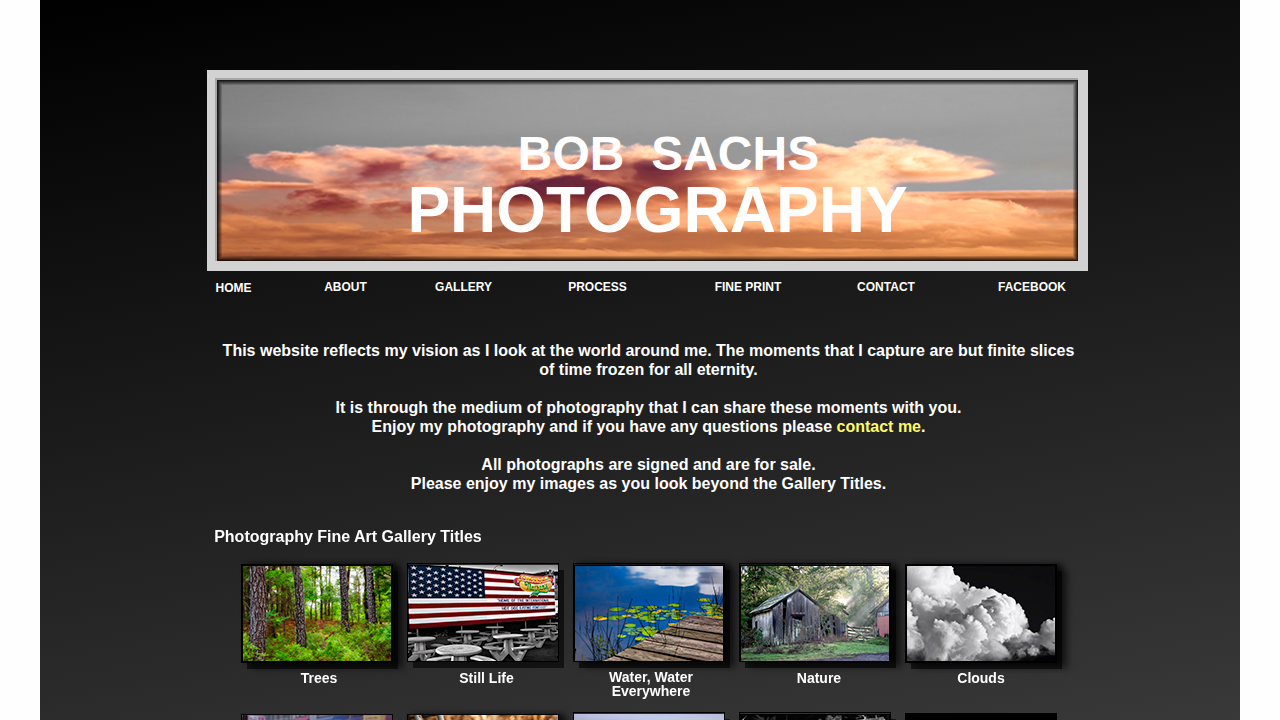
On 06/02/26 bobsachsphotography.com scored 51% — **Fair** – Overall, the site has a decent baseline, but a few clear gaps are making it harder for AI tools to confidently understand and validate what you do.
Executive summary
Score Breakdown (High Level)
- Discoverability: 100% - The site is generally easy for search engines to find, though adding alt text and an image sitemap would really help the photography stand out in search results.
- Structured Data: 0% - We weren't able to find any schema markup on the site, which is a significant gap for visibility in generative search results.
- AI Readiness: 50% - The site's sitemap and brand context are well-organized, but the explicit block on AI crawlers in the robots.txt file is a significant barrier to GEO readiness.
- Performance: 50% - The site is snappy and stable, but the main image load time is dragging down the overall experience.
- Reputation: 69% - The brand has a recognized identity and social presence, but inconsistent address data and a lack of high-authority offsite signals like press or Wikidata are holding back its reputation score.
- LLM-Ready Content: 36% - The page is clearly authored and up to date, but the lack of standard heading structures and external links makes it difficult for AI systems to parse and trust the content effectively.

The main takeaway before details
The big picture is that the site is generally understandable, but a few important signals are either missing or inconsistent, which makes AI visibility less predictable. Most of the gaps come down to clarity and verification rather than anything “wrong” with the brand itself. The next sections walk through the specific areas where the evaluation came up short, grouped by category so you can see what’s driving the misses. None of this is unusual—these are common disconnects that tend to show up when a site leans heavily on visuals and light on supporting context.
Detailed Report
Discoverability
❌ Images missing descriptive alt text
What we saw
We found multiple images on the site, but none of them included descriptive alt text. That means the visuals aren’t being clearly described in a way that machines can reliably interpret.
Why this matters for AI SEO
When AI systems can’t “read” what images represent, they lose important context about your work and offerings. This can reduce how confidently your pages are understood and surfaced for relevant queries.
Next step
Add clear, descriptive alt text to key images so the visuals have readable meaning beyond the layout.
❌ No image or video sitemap detected
What we saw
We didn’t see an image or video sitemap available. As a result, there isn’t a dedicated, organized index of your media content being provided.
Why this matters for AI SEO
For media-heavy sites, clear media indexing helps discovery systems account for all the important visuals and understand what’s available. Without it, some content can be easier to miss or interpret inconsistently.
Next step
Publish an image and/or video sitemap that includes the site’s important media content.
Structured Data
❌ No schema markup found on the homepage
What we saw
We didn’t find any Schema.org markup on the homepage. That leaves AI systems without a clear, explicit set of “labels” describing what the site and brand represent.
Why this matters for AI SEO
Structured data helps AI engines interpret key entities and page meaning more consistently. Without it, your brand and offerings can be harder to classify with confidence.
Next step
Add relevant schema markup to the homepage so the brand and page purpose are clearly described.
❌ Organization-level schema not detected
What we saw
We didn’t see organization-type schema on the homepage. That means the site isn’t explicitly declaring a canonical “who we are” record in a machine-readable way.
Why this matters for AI SEO
Organization schema can help tie together brand identity signals and reduce ambiguity when AI models try to confirm who’s behind the site.
Next step
Add organization-type schema that clearly identifies the brand and its official properties.
❌ Resource/blog page structured data couldn’t be evaluated
What we saw
A resource or blog page HTML was not provided for review, so we couldn’t confirm whether those pages include schema markup. As a result, this portion of the evaluation could not be verified.
Why this matters for AI SEO
If content pages don’t carry clear structured context, AI systems have less to work with when summarizing, attributing, or reusing your content in generative answers.
Next step
Provide (or make available) a representative resource/blog URL for evaluation so structured data on content pages can be confirmed.
❌ Structured data quality couldn’t be validated
What we saw
Because no schema was detected, there was nothing to check for major schema errors. This leaves the site without a validated structured-data foundation.
Why this matters for AI SEO
AI systems tend to benefit from consistent, clean machine-readable signals; when those signals are missing entirely, the model has to rely more heavily on inference.
Next step
Implement core schema markup and validate it so it’s both present and clean.
❌ Blog post author couldn’t be verified via structured data
What we saw
No resource/blog page was provided for evaluation, so we couldn’t identify a clear author from that content in a structured way. This criterion was marked as not verifiable.
Why this matters for AI SEO
Clear author attribution can influence how AI systems assess credibility and how comfortably they reuse or cite content.
Next step
Make sure a representative blog/resource page is available for review so author attribution can be confirmed.
❌ Author identity links not present in structured data
What we saw
We didn’t find author-related schema or supporting identity links (like sameAs) tied to an author. With no resource page available and no author schema detected, these connections weren’t present.
Why this matters for AI SEO
When author identity isn’t anchored to consistent external profiles, it’s harder for AI systems to reconcile who created the content and trust it as a consistent source.
Next step
Add author structured data with clear identity links so the author can be consistently recognized.
AI Readiness
❌ GPTBot is explicitly blocked
What we saw
The site’s robots.txt explicitly disallows GPTBot. That means at least one major AI crawler is being told not to access the site.
Why this matters for AI SEO
If an AI crawler can’t access your pages, it limits the ecosystem’s ability to discover, interpret, and reference your content in AI-driven experiences.
Next step
Update robots.txt rules so GPTBot isn’t explicitly blocked.
❌ No Wikidata entity found for the brand
What we saw
We couldn’t find a Wikidata entity tied to the brand. That means a common reference point for confirmed brand identity wasn’t present.
Why this matters for AI SEO
Wikidata can act as a widely recognized anchor for identity and facts, which helps AI systems reconcile the “same entity” across sources.
Next step
Create and/or connect a Wikidata entity that accurately represents the brand.
Performance
❌ Primary content appears slowly on the homepage
What we saw
The homepage’s largest above-the-fold content took about 7.2 seconds to load. This indicates visitors (and systems evaluating the page experience) may wait longer than expected for the main content to appear.
Why this matters for AI SEO
Slow-loading primary content can reduce how reliably your key message is processed during page evaluation and can create friction for users trying to engage with the site.
Next step
Improve how quickly the main, largest homepage content renders for visitors.
Reputation
❌ Brand identity details are inconsistent across sources
What we saw
We saw conflicting physical address information across different places where the brand is described (including Beaverton, OR and Scottsdale, AZ), while the website indicates West Hills, CA. That inconsistency makes the brand’s real-world identity harder to confirm.
Why this matters for AI SEO
AI systems lean heavily on consistent identity signals to verify that they’re talking about the right entity. Conflicting details can lower confidence and increase ambiguity in generative answers.
Next step
Align the brand’s official name-and-address details so they match consistently wherever the brand appears online.
❌ No matching Wikidata record for the brand
What we saw
A Wikidata entity that matches the brand wasn’t detected. This leaves a gap in widely recognized, third-party identity verification.
Why this matters for AI SEO
Without a strong identity anchor, AI systems have fewer reliable ways to connect brand references across the web into a single, verified profile.
Next step
Establish a Wikidata entity for the brand and ensure it clearly matches your official identity.
❌ Wikidata identity anchors aren’t present
What we saw
Because a brand Wikidata entity wasn’t detected, there also weren’t official identity anchors available there (like confirmed links that tie the brand to its official web presence).
Why this matters for AI SEO
When those anchors are missing, AI systems have a harder time validating “official” sources versus lookalikes or incomplete references.
Next step
Add official identity anchors to a brand Wikidata entry so the brand is tied to its canonical properties.
❌ No independent press or coverage detected
What we saw
We didn’t find evidence of independent, offsite press or coverage being associated with the brand in the evaluated results.
Why this matters for AI SEO
Independent mentions help AI systems assess broader credibility beyond owned channels, especially when they’re deciding what sources to trust.
Next step
Build a clearer footprint of independent coverage that AI systems can associate with the brand.
❌ No onsite press or press releases detected
What we saw
We didn’t see an onsite press or press releases area called out in the evaluated signals. That means there isn’t an obvious owned hub for documenting coverage or announcements.
Why this matters for AI SEO
A clear, centralized place for brand proof points makes it easier for AI systems (and people) to confirm important claims and milestones.
Next step
Add an onsite press/coverage area that clearly documents notable announcements and mentions.
LLM-Ready Content (Blog Analysis)
Heads up: this section looks at one article as a snapshot, so it’s a little more interpretive than the rest of the report and may shift slightly from run to run. Have questions? Just shoot us an email at hello@v9digital.com
❌ No non-social outbound links in the article
What we saw
We didn’t find any outbound links to non-social third-party sites in the content. The only external link called out was to a social profile.
Why this matters for AI SEO
When an article doesn’t reference independent sources, it can be harder for AI systems to corroborate claims or interpret the content as well-supported.
Next step
Add at least one relevant non-social third-party reference link where it naturally supports the content.
❌ Content isn’t broken into clear sections
What we saw
The page contains zero h2 elements, so the content isn’t segmented into machine-readable sections. It reads more like one continuous block than a structured guide.
Why this matters for AI SEO
AI tools often look for clear sectioning to identify topics, extract answers, and summarize reliably. Without that structure, key points can be harder to isolate and reuse.
Next step
Break the article into clear sections using consistent, descriptive headings.
❌ No HTML table present (bonus)
What we saw
We didn’t find any table element in the content. There isn’t a compact, scannable summary format included.
Why this matters for AI SEO
Tables can make key comparisons and takeaways easier for AI systems to extract cleanly, especially when summarizing steps, options, or criteria.
Next step
Add a small table where it helps summarize the main options or decision points in the article.
❌ Missing descriptive subheadings
What we saw
Because there were no h2 sections detected, the page also didn’t meet the expectation for descriptive subheadings. This makes the content’s outline unclear when read by machines.
Why this matters for AI SEO
Descriptive subheadings help AI systems understand the “shape” of a piece and map specific questions to specific sections.
Next step
Add descriptive subheadings that reflect the main questions and answers the post covers.
❌ Key answers don’t appear early in a structured way
What we saw
Section-based analysis wasn’t possible due to the lack of h2 headers, so we couldn’t confirm that key answers are surfaced early in a scannable structure.
Why this matters for AI SEO
When answers are easy to spot early, AI systems can more confidently extract the main takeaway and represent it accurately in summaries.
Next step
Restructure the opening of the post so the main takeaway is clearly surfaced in a way that’s easy to scan.
❌ A few acronyms appear without explanation
What we saw
The article includes four all-caps tokens (UPS, NY, CA, WTC) that appear without nearby expansion into full phrases. This pushed the content past the allowed limit for unexplained shorthand.
Why this matters for AI SEO
Unexplained acronyms can introduce ambiguity and reduce clarity, especially when AI systems try to rewrite or summarize content for broader audiences.
Next step
Expand acronyms the first time they’re used so the meaning is unambiguous in-context.
Does Anything Seem Off?
Thanks for taking our free GEO Grader for a spin. When we started this journey, the tool had a fairly long processing time to check everything we wanted both onsite and offsite, so we made a few adjustments on the backend to speed things up. As a result, there are times when the grader may not get everything 100% right. If something feels off, we recommend running the tool a second time to confirm the results. From there, you’re always welcome to reach out to us to schedule a GEO consultation, or to have your SEO provider validate the findings with a more detailed crawl and manual review.
