
Overview:
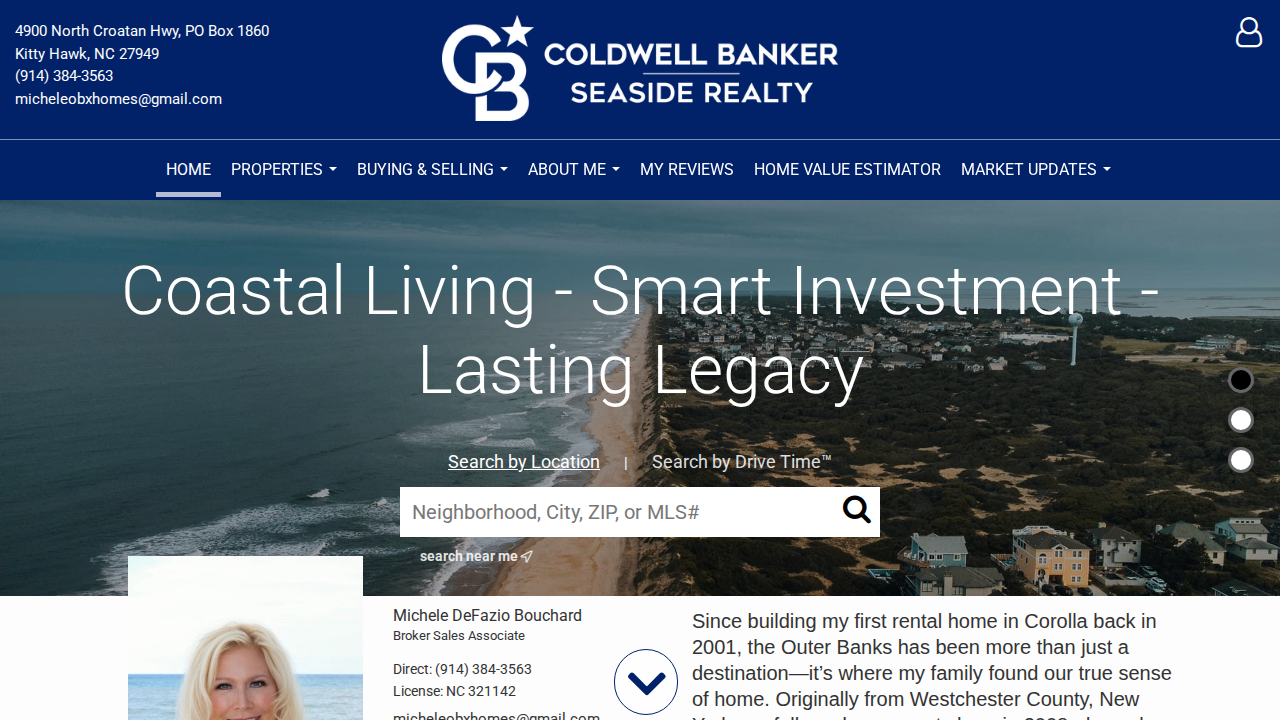
On 09/16/26 micheleobxhomes.com scored 37% — **Weak** – Overall, the site has a solid foundation, but it’s not giving AI systems enough consistent clarity and trust signals to show up strongly.
Executive summary
Score Breakdown (High Level)
- Discoverability: 100% - This section is in excellent shape, with all key discovery signals and sitemaps correctly configured for search engines.
- Structured Data: 58% - The homepage has a solid foundation with correct organization schema, but we weren't able to find any structured data or author info for blog content.
- AI Readiness: 67% - The site has a strong technical foundation for AI discovery and processing, though it currently lacks a presence in the Wikidata database.
- Performance: 17% - Mobile performance is a significant bottleneck due to slow loading speeds and high blocking time, though visual stability remains solid.
- Reputation: 0% - This section identifies a significant gap in brand trust, as we weren't able to find social media links on the homepage, Wikidata anchors, or established third-party reviews.
- LLM-Ready Content: 28% - The site provides clear author identification and useful outbound links, but the lack of standard heading-based sectioning and explicit page dates limits its effectiveness for generative engines.

Where things stand overall
The big picture is that the site has some strong baseline signals, but it’s missing several credibility and clarity cues that AI systems tend to lean on when they decide what to reference. A lot of what came up isn’t “wrong” so much as incomplete—especially around reputation signals, deeper content formatting and dating, and how consistently the brand is recognized. The detailed breakdown below walks through the specific areas where those gaps showed up so you can see what’s being missed. None of this is unusual, and it’s all the kind of stuff that can be tightened up once it’s clearly mapped out.
Detailed Report
Structured Data
❌ Structured data missing on the blog/resource page
What we saw
We weren’t able to find a usable blog/resource page to evaluate, so no structured data was detected for that deeper content area.
Why this matters for AI SEO
When deeper content isn’t clearly labeled for AI systems, it’s harder for them to understand what the page is about and when to cite it with confidence.
Next step
Confirm the intended blog/resource page is accessible and include structured data that clearly describes that content.
❌ Blog/resource post author isn’t clearly established
What we saw
Because the blog/resource page content wasn’t available, we couldn’t confirm a clear, non-generic author for that page.
Why this matters for AI SEO
Clear authorship helps AI systems decide whether content is credible and who it should be attributed to when it’s summarized or quoted.
Next step
Make sure each resource post clearly identifies an author in a consistent, non-generic way.
❌ Author profile isn’t connected to strong external identity references
What we saw
We didn’t find supporting author identity links (like public profile references) tied to the author information for the resource/blog content.
Why this matters for AI SEO
When an author’s identity isn’t well-connected across the web, AI systems can be less confident about attribution and expertise.
Next step
Add consistent external identity references to author profiles so the author can be confidently recognized.
AI Readiness
❌ No Wikidata entity found for the brand
What we saw
We didn’t see a Wikidata entry associated with the brand in the provided results.
Why this matters for AI SEO
Wikidata is one of the clearer “identity anchors” AI systems can use to disambiguate a brand and connect it to consistent facts.
Next step
Create or claim a Wikidata entry that clearly represents the brand and matches its public identity.
Performance
❌ Mobile homepage responsiveness is sluggish
What we saw
The mobile homepage showed heavy interaction delays, which typically feels like the page is “stuck” when you try to scroll or tap.
Why this matters for AI SEO
If a page is hard to use on mobile, it can reduce overall engagement and make it less likely to be treated as a reliable, high-quality result.
Next step
Reduce the sources of interaction delay on the mobile homepage so it responds quickly to user input.
❌ Mobile homepage main content loads very slowly
What we saw
The primary content on the mobile homepage took a long time to appear.
Why this matters for AI SEO
Slow load experiences can weaken a page’s ability to compete for visibility, especially when AI systems are choosing sources that seem dependable and user-friendly.
Next step
Improve how quickly the main homepage content becomes visible on mobile devices.
❌ Overall mobile homepage performance is weak
What we saw
The combined performance signals for the mobile homepage landed in a poor range overall.
Why this matters for AI SEO
When overall experience quality is low, it can make the site a less attractive candidate for recommendations and citations.
Next step
Prioritize improving the overall mobile homepage experience so it feels fast and stable end-to-end.
Reputation
❌ Negative client feedback couldn’t be verified either way
What we saw
In the provided results, we couldn’t confirm whether negative client assertions exist or not.
Why this matters for AI SEO
If AI systems can’t form a clear read on customer sentiment, they may be more cautious about recommending the brand.
Next step
Establish a clearer, more verifiable public record of client sentiment around the brand.
❌ Negative employee feedback couldn’t be verified either way
What we saw
We weren’t able to confirm whether negative employee assertions exist or not from the data provided.
Why this matters for AI SEO
Employment-related sentiment can influence overall trust signals and how confidently AI systems describe a brand.
Next step
Strengthen the brand’s public reputation signals so workforce sentiment is easier to interpret accurately.
❌ Brand recognition across AI systems isn’t established
What we saw
The results didn’t provide enough confirmation that the brand is consistently recognized across multiple AI models.
Why this matters for AI SEO
When brand recognition is inconsistent, AI answers are more likely to skip the brand or confuse it with similar entities.
Next step
Build a clearer and more consistent offsite brand footprint so recognition becomes more reliable.
❌ Brand identity consistency couldn’t be confirmed
What we saw
We couldn’t verify consistent agreement on the brand’s core identity details (like name and associated properties) from the information provided.
Why this matters for AI SEO
Inconsistent identity signals make it harder for AI systems to confidently connect mentions back to the same brand.
Next step
Align the brand’s identity details across the web so they match cleanly wherever the brand is referenced.
❌ No matching Wikidata entry was found
What we saw
We didn’t find a Wikidata entity that matches the brand.
Why this matters for AI SEO
Without that external identity anchor, it’s harder for AI systems to validate and connect brand details consistently.
Next step
Create a Wikidata entry that clearly matches the brand and its real-world identity.
❌ Wikidata doesn’t include official identity anchors
What we saw
Because a brand-matching Wikidata entry wasn’t found, we also didn’t see official identity anchors there (like an official website reference).
Why this matters for AI SEO
Official anchors help AI systems trust they’re looking at the “right” entity and reduce confusion with similar names.
Next step
Ensure any Wikidata presence includes official brand identifiers that point back to the brand.
❌ Third-party reviews weren’t found or confirmed
What we saw
We couldn’t confirm the presence of third-party customer reviews in the provided results.
Why this matters for AI SEO
Independent reviews are one of the more straightforward trust signals AI systems can lean on when recommending businesses.
Next step
Increase the availability and visibility of verifiable third-party customer feedback tied to the brand.
❌ Review sources weren’t clearly established
What we saw
We didn’t have clear confirmation of concrete review sources tied to the brand in the provided results.
Why this matters for AI SEO
Even when sentiment exists, AI systems tend to trust it more when it’s anchored to recognizable, verifiable sources.
Next step
Make sure reviews are tied to clear, recognizable sources that can be consistently referenced.
❌ Major social profiles couldn’t be confidently identified
What we saw
The results didn’t confirm a clear consensus set of major social profiles associated with the brand.
Why this matters for AI SEO
Social profiles help AI systems connect brand mentions to a consistent identity and build confidence that the brand is real and active.
Next step
Clarify which social profiles represent the brand so they’re easy to identify consistently.
❌ Homepage doesn’t link to major social profiles
What we saw
We didn’t find links to major social platforms on the homepage.
Why this matters for AI SEO
When social profiles aren’t easy to discover from the site, it’s harder for AI systems to connect the website to the broader brand identity.
Next step
Add clear homepage links to the brand’s primary social profiles.
❌ Independent press or coverage wasn’t confirmed
What we saw
We couldn’t confirm independent, offsite press or coverage for the brand from the provided results.
Why this matters for AI SEO
Independent coverage can act as a credibility shortcut for AI systems when deciding what to reference.
Next step
Build a more visible footprint of independent mentions that clearly reference the brand.
❌ Onsite press or press releases weren’t confirmed
What we saw
We didn’t see clear evidence of an owned press area or press releases in the provided results.
Why this matters for AI SEO
A dedicated place for official announcements can help AI systems find authoritative statements and brand facts in one spot.
Next step
Create a clearly identifiable area for official news or press so it’s easy to find and reference.
LLM-Ready Content (Blog Analysis)
Heads up: this section looks at one article as a snapshot, so it’s a little more interpretive than the rest of the report and may shift slightly from run to run. Have questions? Just shoot us an email at hello@v9digital.com
❌ No clear publish or update date on the page
What we saw
We didn’t find an explicit publication date or last-updated date on the page itself.
Why this matters for AI SEO
Without a clear date, AI systems have a harder time judging whether the information is current and safe to reuse.
Next step
Add a clear publish date and/or last updated date that’s visible on the page.
❌ Recency can’t be confirmed from the page
What we saw
Because there was no explicit page-level update date, we couldn’t confirm whether the page has been refreshed recently.
Why this matters for AI SEO
If recency isn’t clear, AI engines may prefer other sources that more clearly signal freshness.
Next step
Make the page’s most recent update clearly identifiable so recency is easy to assess.
❌ Content isn’t broken into clear, scannable sections
What we saw
The page didn’t use enough section-level headings to clearly break the content into distinct topic chunks.
Why this matters for AI SEO
When content isn’t chunked clearly, AI systems have a harder time extracting specific answers or summarizing the page accurately.
Next step
Restructure the page so it’s divided into clearly labeled sections that map to the main subtopics.
❌ No table-based summary found (bonus)
What we saw
We didn’t detect a table that summarizes key details or comparisons within the content.
Why this matters for AI SEO
Tables can make structured facts easier for AI systems to lift and reuse accurately, especially for comparisons and quick takeaways.
Next step
Add a simple table where it naturally helps summarize the most important details.
❌ Subheadings aren’t descriptive enough for topic parsing
What we saw
Because the page lacked sufficient section headings, it didn’t clearly signal what each part of the page is supposed to cover.
Why this matters for AI SEO
Descriptive subheadings help AI systems map the page to specific questions and know which lines support which topics.
Next step
Use clear, descriptive subheadings that reflect the questions or subtopics the page answers.
❌ Key answers don’t surface early
What we saw
The page structure didn’t make it easy to spot the main takeaway(s) early, partly because the content wasn’t organized into clear sections.
Why this matters for AI SEO
AI systems often prioritize pages that state the core answer quickly and then support it with detail.
Next step
Adjust the opening portion of the page so the primary takeaway is clear before diving into supporting details.
❌ Readability is reduced by unexplained acronyms
What we saw
The content includes several ALL-CAPS acronyms (like ROI, LVP, HVAC, HOA) without quick explanations.
Why this matters for AI SEO
When terminology isn’t explained, AI systems (and readers) can misinterpret the meaning or lose confidence in the clarity of the page.
Next step
Define acronyms the first time they appear so the content reads clearly to both people and AI.
Does Anything Seem Off?
Thanks for taking our free GEO Grader for a spin. When we started this journey, the tool had a fairly long processing time to check everything we wanted both onsite and offsite, so we made a few adjustments on the backend to speed things up. As a result, there are times when the grader may not get everything 100% right. If something feels off, we recommend running the tool a second time to confirm the results. From there, you’re always welcome to reach out to us to schedule a GEO consultation, or to have your SEO provider validate the findings with a more detailed crawl and manual review.
