
Overview:
On 06/09/26 pawsignals.net scored 53% — **Fair** – Overall, the site has a decent foundation for AI visibility, but a few credibility and content-depth gaps are holding it back from showing up as consistently as it could.
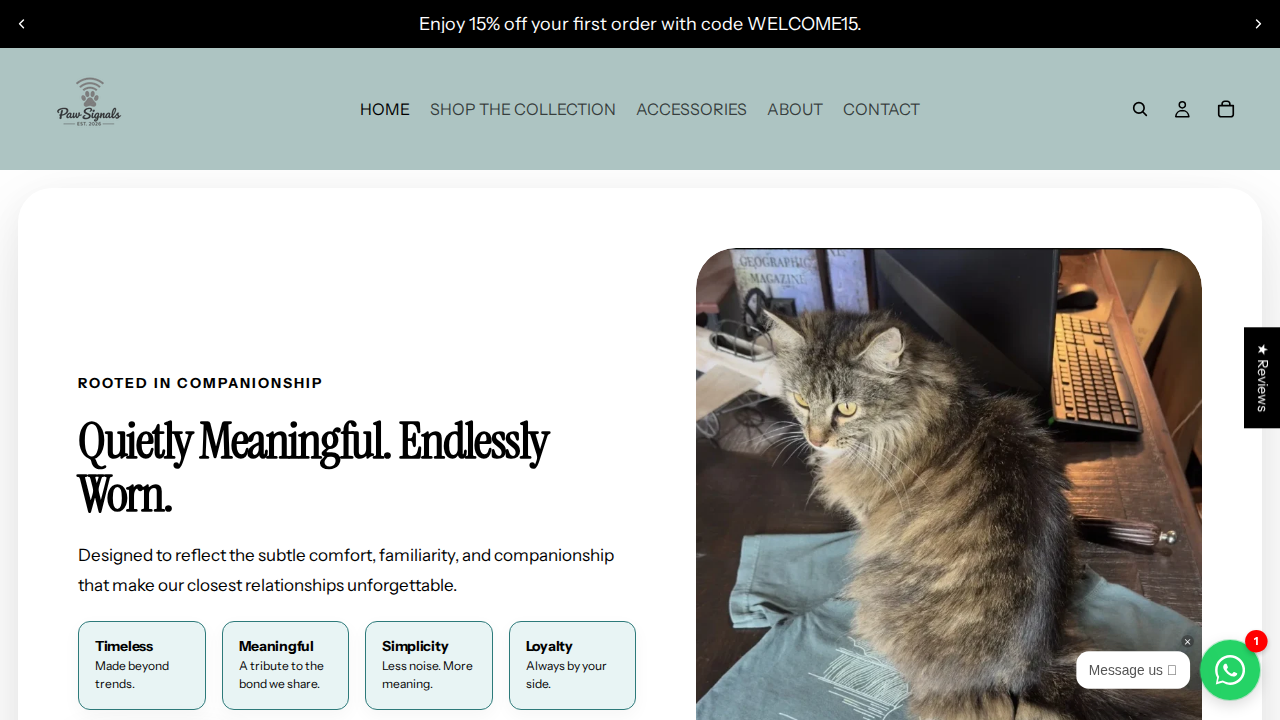
Executive summary
Score Breakdown (High Level)
- Discoverability: 100% - The site is in great shape for discovery with solid metadata and no crawling blocks, though adding an image sitemap would be a smart next step.
- Structured Data: 58% - The homepage has a strong structured data setup with clear organization markup, but the absence of resource-page data means we're missing key author and trust signals.
- AI Readiness: 50% - The site has a healthy technical foundation with open crawler access and clear brand context, but it's missing key metadata like sitemap timestamps and a Wikidata entity.
- Performance: 67% - Mobile performance generally landed outside the 'poor' range, showing solid stability and responsiveness across the board.
- Reputation: 46% - The brand has a solid foundation with social links and a clean sentiment record, but it lacks the independent press and review signals needed to build strong off-site authority.
- LLM-Ready Content: 28% - The page is technically readable and current, but its highly fragmented structure and lack of descriptive subheadings limit its effectiveness as an LLM-ready resource.

What stands out most overall
The big picture is that the site is generally understandable, but it isn’t sending enough consistent credibility and “source of truth” signals for AI systems to lean on. A lot of what’s missing isn’t about quality so much as clarity—who’s behind the content, what can be verified off-site, and how easy the content is to reuse as a reference. Below, we’ll walk through the specific areas where the report flagged gaps, organized by section so you can see exactly what’s driving the limitations. None of this is unusual at this stage, and it’s all straightforward to address once it’s visible.
Detailed Report
Discoverability
❌ Image or video sitemap missing
What we saw
We didn’t find an image sitemap or a video sitemap associated with the site. That means visual content doesn’t have an extra discovery pathway available.
Why this matters for AI SEO
Generative engines often rely on strong content signals to understand what a brand publishes and what assets are most relevant. When visual content is harder to discover and interpret at scale, it can reduce how often it’s surfaced or referenced.
Next step
Add dedicated sitemaps for images and/or videos (where relevant) so visual assets are easier to discover and interpret.
Structured Data
❌ Missing structured data on resource / blog content
What we saw
We weren’t able to detect structured data for a resource or blog page because the resource page file was missing or empty. As a result, informational content couldn’t be validated the same way the homepage could.
Why this matters for AI SEO
AI systems tend to trust and reuse content more confidently when informational pages clearly describe what the content is, who it’s for, and how it relates to the brand. When those signals aren’t available, the content can be harder to classify and cite.
Next step
Ensure resource/blog pages are accessible and include structured data that describes the content clearly.
❌ No clear, non-generic author on resource / blog content
What we saw
An individual author couldn’t be identified for the resource/blog content, largely because the resource page wasn’t available to review. That left author attribution unclear.
Why this matters for AI SEO
When authorship is vague, it’s harder for generative engines to connect content to real expertise and evaluate credibility. Clear attribution can also help AI systems distinguish editorial content from purely promotional copy.
Next step
Add a clearly named author to resource/blog content so it’s obvious who created the information.
❌ Author identity links not verifiable
What we saw
We couldn’t verify any author identity links (like sameAs references) because author details weren’t available on the resource/blog page. That made it impossible to confirm connections to external identity profiles.
Why this matters for AI SEO
Generative engines are more likely to trust author credentials when they can be corroborated beyond a single page. Without verifiable identity references, author credibility is harder to establish.
Next step
Include author identity references that connect the author to consistent external profiles.
AI Readiness
❌ Content freshness signals missing from the sitemap
What we saw
The sitemap was found, but it didn’t include last-updated timestamps. That makes it unclear when pages were most recently refreshed.
Why this matters for AI SEO
AI crawlers and search systems use freshness cues to prioritize what to revisit and what to treat as current. When updates aren’t clearly signaled, newer content can take longer to be recognized as updated.
Next step
Add last-updated timestamps to sitemap entries so content updates are easier to detect.
❌ No Wikidata entity found for the brand
What we saw
We didn’t find a Wikidata entity associated with the brand. That leaves a common identity reference point missing.
Why this matters for AI SEO
Generative engines often lean on knowledge sources to confirm a brand’s identity and relationships. When that identity anchor isn’t present, it can be harder for AI systems to confidently verify and contextualize the brand.
Next step
Create and/or connect a Wikidata entity that clearly represents the brand.
Reputation
❌ Brand identity signals aren’t consistent enough
What we saw
The evaluation couldn’t confirm a consistent brand identity across name/domain/address because a physical address wasn’t present and models didn’t agree on the official brand name. That creates ambiguity around the “official” identity.
Why this matters for AI SEO
Generative engines are cautious when identity details don’t line up cleanly across sources. Inconsistent identity signals can reduce confidence when summarizing the brand or recommending it in answers.
Next step
Make sure the site presents a consistent official brand identity, including a clear name and address details where applicable.
❌ No matching Wikidata entity for the brand
What we saw
No Wikidata entity was found that matches the brand. This also means there wasn’t a verified third-party identity record to cross-check.
Why this matters for AI SEO
Wikidata often acts like a neutral identity backbone that AI systems can reference. Without it, AI engines have fewer reliable anchors for confirming who the brand is.
Next step
Establish a Wikidata presence that matches the brand’s official identity.
❌ No official identity anchors confirmed via Wikidata
What we saw
Because there was no Wikidata entry, official identity anchors couldn’t be confirmed there. That left a key verification layer unavailable.
Why this matters for AI SEO
When AI engines can’t validate identity through widely recognized sources, they tend to be more conservative about what they state as fact. That can limit visibility in generative answers.
Next step
Add official identity anchors to a verified third-party entity profile that AI systems commonly reference.
❌ Verifiable third-party reviews weren’t confirmed
What we saw
The evaluation did not consistently identify verifiable customer reviews. As a result, third-party feedback signals were effectively missing.
Why this matters for AI SEO
Generative engines look for external validation when deciding what brands to mention and how strongly to recommend them. When reviews aren’t clearly attributable, trust is harder to build.
Next step
Make sure customer feedback is available in places that are easy to verify and reference.
❌ Review sources weren’t concrete enough to reference
What we saw
Even where reviews may exist, the evaluation didn’t find concrete sources that were consistently affirmed. That makes it hard to treat review signals as dependable.
Why this matters for AI SEO
AI systems prefer sources they can cite or corroborate across the open web. If sources aren’t clear, reviews won’t contribute as strongly to trust.
Next step
Consolidate review signals into clearly attributable sources that can be referenced consistently.
❌ No clear consensus on major social profiles
What we saw
Models did not agree on the brand’s official social profile URLs. That suggests the “source of truth” for social profiles isn’t consistently understood.
Why this matters for AI SEO
When generative engines aren’t sure which profiles are official, they’re more likely to omit them or mix them up. That can weaken brand confidence and reduce consistent attribution.
Next step
Ensure the brand’s official social profiles are presented consistently so they’re easy to confirm.
❌ No independent off-site coverage identified
What we saw
The evaluation didn’t surface independent press mentions or third-party coverage. That left the brand without corroborating external narratives.
Why this matters for AI SEO
Independent coverage helps AI systems understand how others describe and validate a brand. Without it, the brand’s footprint can look smaller or less established in generative results.
Next step
Build a clearer trail of independent references so the brand is easier to validate externally.
❌ No owned press or press releases identified
What we saw
No onsite press releases or owned press content were consistently identified. That removes a straightforward way to communicate milestones in a standardized format.
Why this matters for AI SEO
Press-style pages can act as a clean, scannable source of brand facts that AI systems can reuse. Without them, key brand updates may be harder to interpret or cite.
Next step
Publish a dedicated area for official announcements so brand updates are easy to find and interpret.
LLM-Ready Content (Blog Analysis)
Heads up: this section looks at one article as a snapshot, so it’s a little more interpretive than the rest of the report and may shift slightly from run to run. Have questions? Just shoot us an email at hello@v9digital.com
❌ No clear, non-generic author
What we saw
We didn’t see a visible individual author tied to the page. The only attribution present was the organization name.
Why this matters for AI SEO
Generative engines look for clear authorship to gauge credibility and expertise, especially for content that’s meant to inform. When authorship is generic, the content can read more like marketing copy than a reusable reference.
Next step
Add a clearly named human author to the page so attribution is obvious.
❌ No non-social outbound references
What we saw
External links were limited to social destinations (Instagram), and we didn’t find other outbound references. That leaves the content without supporting sources.
Why this matters for AI SEO
AI systems tend to trust content more when it’s connected to broader, verifiable information on the web. When a page doesn’t cite or reference anything beyond social profiles, it’s harder to treat as a grounded resource.
Next step
Include a small set of relevant, non-social outbound references that support or contextualize the content.
❌ Content is split into overly short sections
What we saw
The page is broken into many very brief sections, with sections averaging around a couple of sentences. This makes the content feel fragmented rather than explanatory.
Why this matters for AI SEO
Generative engines extract meaning more reliably from sections that fully explain a point in one place. When content is mostly short blurbs, it provides less “quotable” context for AI answers.
Next step
Restructure the content so key sections provide fuller, self-contained context.
❌ Subheadings are too generic to guide understanding
What we saw
Many subheadings were very short or abstract (often single-word labels). They don’t clearly preview what the section is actually about.
Why this matters for AI SEO
AI systems use headings like signposts to map the page’s meaning. When headings aren’t descriptive, it’s harder for an engine to pull the right section as the best match for a question.
Next step
Rewrite subheadings so they clearly describe the idea each section covers.
❌ Key information doesn’t show up early in sections
What we saw
Sections often start with short taglines rather than an explanatory paragraph. That delays the “what this section is saying” moment.
Why this matters for AI SEO
Generative engines tend to favor content that states the core point clearly and quickly. When the substance comes late (or stays minimal), extraction and reuse become less reliable.
Next step
Adjust section openings so they begin with a clear, informative lead-in.
❌ No table-based summary content found
What we saw
We didn’t find any table content on the page. That means there’s no quick, structured snapshot of key details.
Why this matters for AI SEO
Structured summaries can be easier for AI systems to parse and reuse accurately, especially for comparisons, specs, or step-based information. Without them, the page relies entirely on narrative text and short blurbs.
Next step
Add a simple table where it naturally fits to summarize key information in a scannable format.
Does Anything Seem Off?
Thanks for taking our free GEO Grader for a spin. When we started this journey, the tool had a fairly long processing time to check everything we wanted both onsite and offsite, so we made a few adjustments on the backend to speed things up. As a result, there are times when the grader may not get everything 100% right. If something feels off, we recommend running the tool a second time to confirm the results. From there, you’re always welcome to reach out to us to schedule a GEO consultation, or to have your SEO provider validate the findings with a more detailed crawl and manual review.
