
Overview:
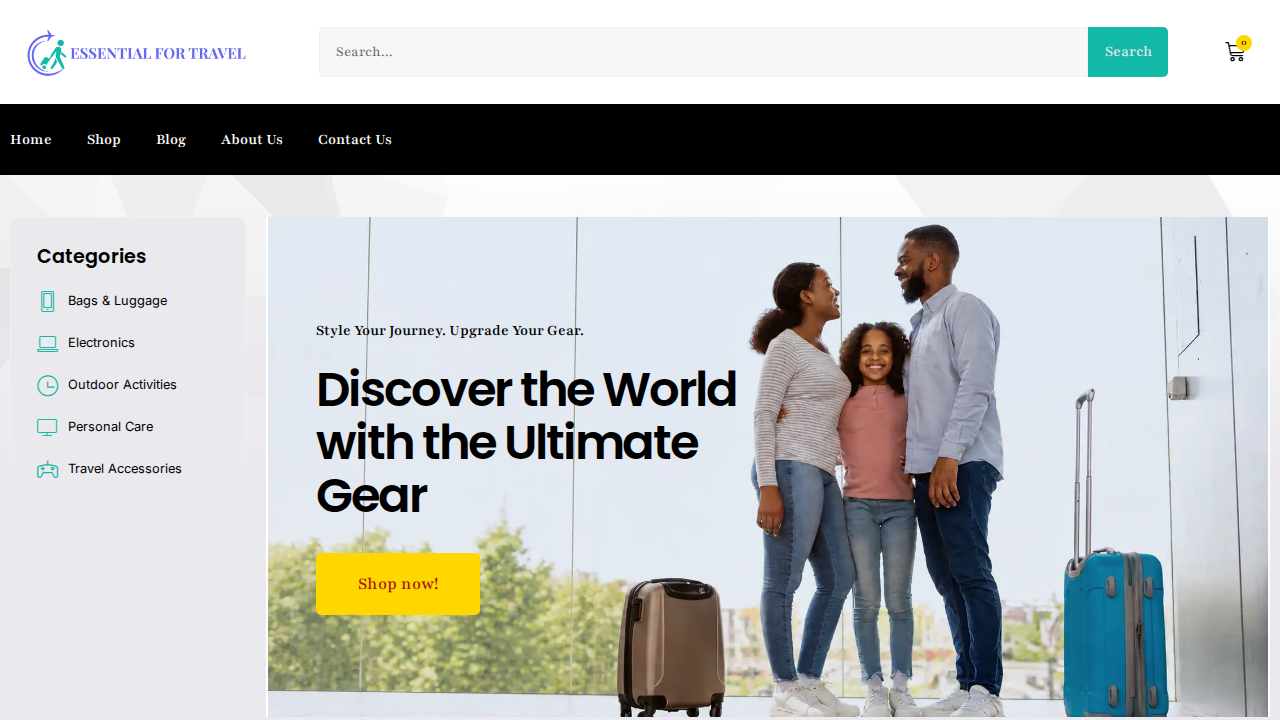
On 06/28/26 essentialfortravel.com scored 50% — **Below Average** – Overall, the site is easy to find, but it doesn’t yet give AI systems enough clear signals to confidently describe, trust, and summarize it.
Executive summary
Score Breakdown (High Level)
- Discoverability: 100% - The site’s technical discovery signals are very strong, though adding an image sitemap would be a smart move to help your product visuals stand out in search.
- Structured Data: 58% - The site's schema implementation is technically sound and error-free, though it currently lacks specific organization identifiers and identifiable individual authors.
- AI Readiness: 67% - The site has a strong technical foundation for AI readiness, though it lacks a Wikidata entry to help search engines definitively identify the brand.
- Performance: 72% - Mobile performance is mixed, with excellent responsiveness and visual stability offset by very slow initial page load times.
- Reputation: 35% - We're seeing a very limited off-site footprint, with no verified physical address, press coverage, or established Wikidata presence to anchor the brand's authority.
- LLM-Ready Content: 8% - The page is heavily optimized for e-commerce but misses out on key GEO signals like specific authorship, content dates, and the substantial text sections that help AI engines understand and trust a resource.

The main takeaway at a glance
What stands out most is that the site is generally accessible and understandable, but it’s missing several credibility and content-format signals that help AI systems reference it with confidence. These gaps aren’t “errors” so much as clarity and verification gaps—especially around reputation signals, authorship/freshness, and how easily key information can be extracted. Below, we’ll walk through the specific areas that didn’t show up as expected, grouped by section so it’s easy to track. None of this is unusual for a growing brand, and it’s all straightforward to tighten up once you see it laid out.
Detailed Report
Discoverability
❌ Image or video sitemap not found
What we saw
We didn’t find a dedicated sitemap for images or videos. That leaves rich media less clearly organized for discovery.
Why this matters for AI SEO
AI-powered search experiences rely on clean, consistent discovery signals to find and reuse media alongside your written content. When media isn’t as easily discoverable, it can be less likely to show up in AI summaries and results.
Next step
Add a dedicated image and/or video sitemap so media assets are clearly discoverable.
Structured Data
❌ Organization identity not clearly defined
What we saw
We didn’t see organization-type structured data on the homepage, so the brand isn’t explicitly defined as an organization entity there. The structured data that was present didn’t include an organization-specific type.
Why this matters for AI SEO
When AI systems try to confirm “who” a site represents, a clear organization identity helps reduce ambiguity and improves confidence in brand-level details. Without it, brand context can be weaker or harder to validate.
Next step
Add organization-type structured data on the homepage to make the brand identity unambiguous.
❌ Blog author is generic (brand name)
What we saw
The author is identified as the brand name (“Essential For Travel”) rather than a specific individual. That reads as a generic author signal.
Why this matters for AI SEO
Clear authorship helps AI systems attach content to identifiable expertise and improves trust in what’s being stated. Generic author signals make it harder for AI to confidently attribute and reference the content.
Next step
Update author attribution so posts are tied to a real person with a consistent name.
AI Readiness
❌ No Wikidata entity found for the brand
What we saw
We didn’t find a Wikidata entity associated with the brand. There wasn’t a Wikidata item ID present in the brand data.
Why this matters for AI SEO
Wikidata is a common reference point for entity understanding, and it can help AI systems connect your brand to consistent identifiers. Without it, brand relationships can be harder for models to verify.
Next step
Create or claim a Wikidata entity for the brand and ensure it clearly references the official site.
Performance
❌ Homepage main content loads very slowly
What we saw
The homepage’s largest above-the-fold content took a long time to appear (around 15.48 seconds). This points to a noticeably heavy initial load experience.
Why this matters for AI SEO
Slow-loading primary content can reduce how efficiently pages are processed and experienced, especially on mobile. It also increases the chance that key information is seen later than intended, which can weaken overall clarity.
Next step
Reduce the time it takes for the homepage’s main visible content to load.
❌ Resource page main content loads very slowly
What we saw
The resource page’s largest visible content also loaded very slowly (around 13.72 seconds). That suggests the same issue carries over beyond the homepage.
Why this matters for AI SEO
If content-heavy pages load slowly, it can limit how effectively those pages support discovery and summarization at scale. It also creates friction for users trying to validate or reference your content.
Next step
Bring down the time it takes for the resource page’s main visible content to load.
Reputation
❌ No physical address identified
What we saw
We couldn’t identify a verifiable physical address for the brand. That prevents a full identity match.
Why this matters for AI SEO
When AI systems try to establish trust, consistent business identity details help confirm legitimacy and reduce confusion with similarly named entities. Missing identity anchors can keep trust signals thin.
Next step
Publish a clear, consistent business address where it’s appropriate for your brand.
❌ No Wikidata presence confirmed
What we saw
No matching Wikidata entity was found for the brand. This showed up as a missing off-site identity reference.
Why this matters for AI SEO
Wikidata can act as a trusted external reference that helps AI systems validate and connect brand details. Without it, the broader “web identity” footprint is harder to confirm.
Next step
Establish a Wikidata entry for the brand and keep it consistent with your public-facing identity.
❌ No Wikidata identity anchors
What we saw
Because there isn’t a Wikidata entity, there are no confirmed identity anchors there (like an official website reference or identifiers). That leaves the brand without this type of external corroboration.
Why this matters for AI SEO
Identity anchors help models reconcile brand mentions across sources. Without them, it’s harder for AI systems to confidently link your site to the “right” entity.
Next step
Ensure any Wikidata presence includes clear anchors to the official website and core brand identifiers.
❌ Third-party reviews not confirmed
What we saw
We didn’t see a clear, verifiable set of customer reviews that models could agree on. Review presence couldn’t be confirmed consistently.
Why this matters for AI SEO
Third-party feedback is one of the simplest ways AI systems build confidence in a brand’s real-world credibility. When reviews aren’t clearly confirmed, trust signals skew heavily toward self-reported claims.
Next step
Build a clear footprint of verified customer reviews on widely recognized platforms.
❌ Review sources not clearly established
What we saw
No concrete, high-authority review platforms were confirmed as sources for customer feedback. That makes review credibility harder to validate.
Why this matters for AI SEO
AI systems weigh review context more confidently when it’s clearly tied to recognized sources. Without identifiable sources, reputation signals remain fuzzy.
Next step
Make sure customer feedback is clearly associated with recognizable third-party review sources.
❌ Official social profiles not confirmed
What we saw
There wasn’t high-confidence consensus on the brand’s official social media profiles. In other words, official accounts weren’t clearly validated.
Why this matters for AI SEO
Official social profiles can reinforce “this brand is real and active” and help models connect identity signals across the web. If profiles aren’t clearly confirmed, identity becomes easier to doubt or misattribute.
Next step
Standardize and clearly designate the brand’s official social profiles across the web.
❌ No active social links found on the homepage
What we saw
We didn’t find active links to major social platforms in the homepage HTML (only empty social icons were referenced). That removes an easy on-site confirmation point.
Why this matters for AI SEO
Clear social links help both users and AI systems quickly verify official brand channels. When those links aren’t present or active, a common trust and identity cue is missing.
Next step
Add working homepage links to the brand’s official social profiles.
❌ No independent press coverage identified
What we saw
No independent, third-party press mentions were identified. That means there weren’t external editorial references models could lean on.
Why this matters for AI SEO
Independent mentions help establish authority beyond your own site and reduce the “self-reported only” problem. Without them, AI systems have fewer external signals to support confident recommendations.
Next step
Earn and document credible third-party mentions that clearly reference the brand.
❌ No owned press or company news presence confirmed
What we saw
We couldn’t confirm an internal press releases or company news section. This limits “official updates” content that can be referenced.
Why this matters for AI SEO
A clear place for official announcements helps AI systems understand what’s current, notable, and brand-verified. Without it, there’s less authoritative context for brand updates.
Next step
Create a simple, consistently maintained company news or updates area on the site.
LLM-Ready Content (Blog Analysis)
Heads up: this section looks at one article as a snapshot, so it’s a little more interpretive than the rest of the report and may shift slightly from run to run. Have questions? Just shoot us an email at hello@v9digital.com
❌ No clear, non-generic author
What we saw
The only author signal present was the brand name (“Essential For Travel”), which reads as generic rather than a specific person. There weren’t clear author details tied to an individual.
Why this matters for AI SEO
Authorship is a big part of whether AI systems treat a page as reliably attributable. If the author is vague or generic, it can reduce confidence in citing the content.
Next step
Add a clear individual author name and consistent author attribution on the article.
❌ No publish or update date found
What we saw
We didn’t find a visible or structured publish date or last-updated date for the page. As a result, freshness is unclear.
Why this matters for AI SEO
AI systems care a lot about whether information is current, especially for advice or product-related guidance. Without dates, it’s harder to assess whether the page should be trusted as up to date.
Next step
Add a clear publish date and/or last updated date that’s visible on the page.
❌ Freshness can’t be confirmed
What we saw
Because there’s no explicit updated or modified date, we couldn’t confirm whether the content has been refreshed within the last year. The page doesn’t provide a clear recency signal.
Why this matters for AI SEO
When recency isn’t clear, AI summaries may be less likely to lean on the page for “current” guidance. That can limit how often it’s used as a reference.
Next step
Include a last-updated date whenever the content is materially refreshed.
❌ No non-social outbound links
What we saw
We didn’t find outbound links to external resources; links were internal or tied to empty social icons. There weren’t clear third-party references.
Why this matters for AI SEO
External references help AI systems understand what your content is grounded in and what sources you’re aligning with. Without them, the page can feel more isolated and less verifiable.
Next step
Add a few relevant outbound links to credible third-party references where appropriate.
❌ Content isn’t chunked into substantial sections
What we saw
The page content was broken into very short sections (around 22 words on average), which is too thin for AI to reliably extract and summarize. It reads more like brief snippets than full explanatory blocks.
Why this matters for AI SEO
AI systems work best when content is presented in clear, self-contained blocks that fully explain a point. If sections are too short, the page becomes harder to interpret and reuse accurately.
Next step
Expand key sections into fuller explanatory chunks that can stand on their own.
❌ No HTML table present (bonus)
What we saw
We didn’t find any table-based formatting on the page. There wasn’t a structured comparison or quick reference table.
Why this matters for AI SEO
Tables can make it easier for AI systems to extract comparisons, specs, and key takeaways in a precise way. Without them, structured summaries can be harder to generate.
Next step
Add a simple table where it genuinely helps summarize comparisons or key details.
❌ Subheadings aren’t descriptive enough
What we saw
Most subheadings didn’t clearly reflect what the following section was actually about. The headings often didn’t match the language used in the section openings.
Why this matters for AI SEO
Clear headings help AI systems map the page and understand where specific answers live. If headings are vague or mismatched, it becomes harder to pull the right information confidently.
Next step
Rewrite subheadings so they clearly preview the main point of each section.
❌ Key answers don’t show up early in sections
What we saw
Many sections didn’t lead with a substantial first paragraph that clearly states the takeaway. That makes the page feel more like scanning than answering.
Why this matters for AI SEO
AI systems often prioritize early, direct statements when extracting answers and building summaries. If the “point” arrives late (or not at all), the page is less likely to be used as a reliable source.
Next step
Adjust sections so the first paragraph quickly states the main answer or takeaway.
Does Anything Seem Off?
Thanks for taking our free GEO Grader for a spin. When we started this journey, the tool had a fairly long processing time to check everything we wanted both onsite and offsite, so we made a few adjustments on the backend to speed things up. As a result, there are times when the grader may not get everything 100% right. If something feels off, we recommend running the tool a second time to confirm the results. From there, you’re always welcome to reach out to us to schedule a GEO consultation, or to have your SEO provider validate the findings with a more detailed crawl and manual review.
