
Overview:
On 05/18/26 pawprintfamily.com scored 50% — **Below Average** – Overall, the site is easy to come across, but there are a few clarity and credibility gaps that make it harder for AI to confidently understand and reference.
Executive summary
Score Breakdown (High Level)
- Discoverability: 100% - Overall, this section looks mostly solid, with clear metadata and comprehensive sitemaps that make the site very easy for search engines to find.
- Structured Data: 58% - The homepage implementation is solid with clear organization schema, but we weren't able to review any authorship or article data due to a missing resource page.
- AI Readiness: 50% - The site is generally accessible to AI crawlers and includes clear brand information, though the sitemap lacks refresh timestamps and we didn't find a Wikidata profile.
- Performance: 50% - Homepage loading speed is currently a significant bottleneck, though layout stability and general responsiveness are in a good place.
- Reputation: 69% - The brand has strong recognition and social proof across multiple platforms, though it lacks official entity anchors like Wikidata and verified press coverage.
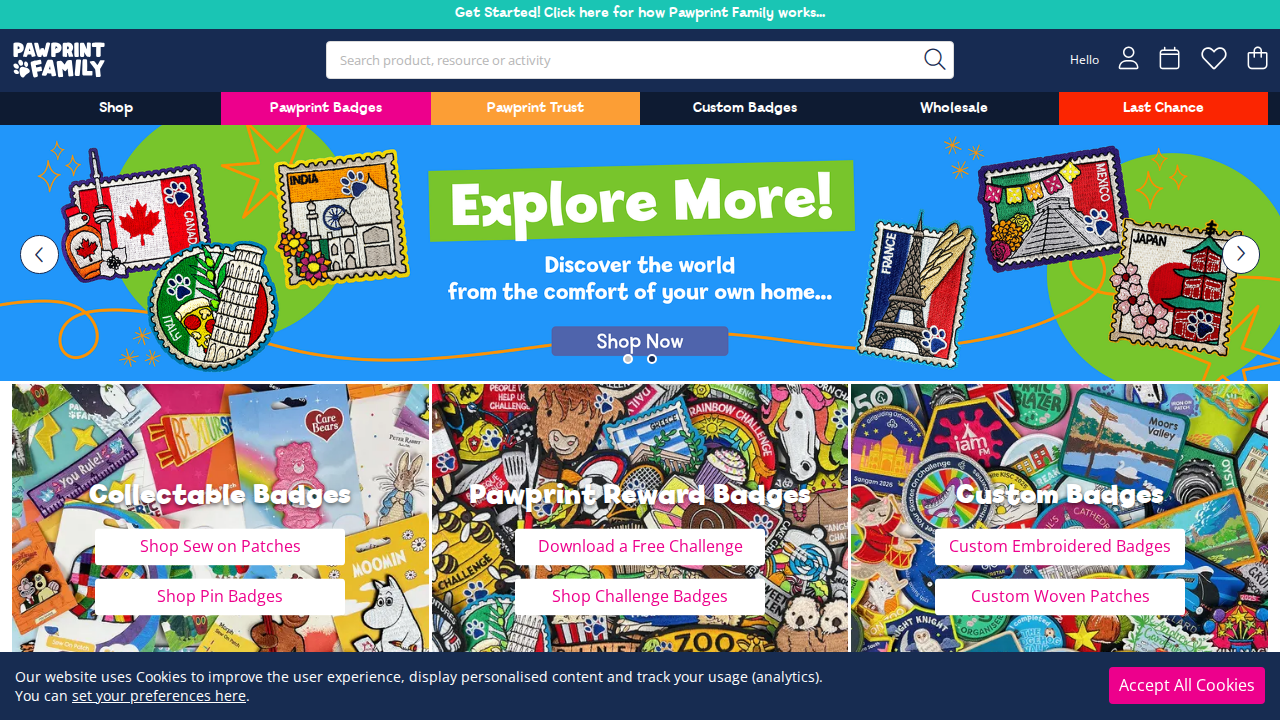
- LLM-Ready Content: 4% - The page is primarily structured as a visual product directory, lacking the specific textual features like authorship, dates, and descriptive lead paragraphs that AI systems use to process and trust information.

What stands out before the details
The big picture is that the site is generally easy to find, but it’s not giving AI enough consistent, content-level context to confidently summarize and cite. The gaps read less like “something is wrong” and more like missing clarity around who created the content, how current it is, and how the brand is verified across the wider web. Next, the detailed sections walk through the specific places those signals didn’t show up, grouped by area so it’s easy to scan. None of this is unusual, and the breakdown should make the overall path forward feel manageable.
Detailed Report
Structured Data
❌ Structured data missing on the resource/blog page
What we saw
We weren’t able to find a resource or blog page in the provided data, so we couldn’t confirm any structured information on that kind of content.
Why this matters for AI SEO
When content pages don’t carry clear, standardized context, AI systems have a harder time understanding what the page is and when it should be cited.
Next step
Confirm your resource/blog pages are accessible and include clear structured context that describes the page.
❌ Missing clear author attribution on resource/blog content
What we saw
Because the resource/blog page wasn’t found in the dataset, we couldn’t verify that posts have a clear, non-generic author.
Why this matters for AI SEO
Author clarity helps AI systems judge reliability and connect content to a real person or accountable entity.
Next step
Make sure each article clearly lists a specific author.
❌ Author profiles lack supporting identity links
What we saw
We couldn’t confirm any author identity links on content pages since the resource/blog page was missing from the provided data.
Why this matters for AI SEO
When author identity isn’t well connected, it’s tougher for AI to confidently reconcile who created the content and whether it’s credible.
Next step
Add supporting identity links for authors where applicable so their profiles are easier to validate.
AI Readiness
❌ Missing content update signals in the sitemap
What we saw
A sitemap was found, but it didn’t include update dates for the entries.
Why this matters for AI SEO
Without clear update signals, AI systems may be less confident about freshness and may revisit or prioritize your pages less effectively.
Next step
Include update dates for sitemap entries so content recency is clearer.
❌ No Wikidata entity found for the brand
What we saw
We didn’t find an associated Wikidata entity ID for the brand in the provided dataset.
Why this matters for AI SEO
Generative engines often use knowledge sources to confirm official brand details, so missing entries can make brand verification harder.
Next step
Create and/or connect a Wikidata entity for the brand so official details are easier to corroborate.
Performance
❌ Homepage main content takes a long time to appear
What we saw
The homepage took about 18.93 seconds for the main content to appear.
Why this matters for AI SEO
When key content is slow to load, it can reduce how reliably systems can access and interpret the page, especially during time-limited retrieval.
Next step
Reduce the time it takes for the homepage’s main content to show up.
Reputation
❌ Brand identity signals aren’t fully consistent
What we saw
A verified physical address wasn’t present in the brand identity data we reviewed.
Why this matters for AI SEO
Inconsistent or incomplete identity details can make it harder for AI systems to confidently match your brand to the right real-world entity.
Next step
Make sure your official brand identity details are consistently available, including a clear address where appropriate.
❌ Brand isn’t matched to a Wikidata entity
What we saw
No matching Wikidata entity was found for the brand.
Why this matters for AI SEO
Without a clear entity match, generative engines may struggle to verify key business facts and confidently attribute information.
Next step
Establish a Wikidata entity that clearly matches the brand.
❌ Missing official identity anchors in Wikidata
What we saw
Because the brand isn’t present in Wikidata, there weren’t official identifiers or anchors available there.
Why this matters for AI SEO
Official anchors help AI systems resolve ambiguity and cross-check identity across sources.
Next step
Add official identifiers/anchors as part of building out the brand’s entity presence.
❌ No independent offsite press or coverage identified
What we saw
No independent media mentions or third-party press coverage were identified in the offsite data.
Why this matters for AI SEO
Independent references can strengthen credibility signals and give AI systems more external confirmation about what the brand does.
Next step
Build a clearer footprint of independent mentions that confirm the brand externally.
❌ No owned press/news area detected
What we saw
No official press releases or owned news section was identified.
Why this matters for AI SEO
An owned news trail can help AI systems understand what’s current and notable about the brand in the brand’s own words.
Next step
Create a clearly identifiable place on your site where official announcements can live.
LLM-Ready Content (Blog Analysis)
Heads up: this section looks at one article as a snapshot, so it’s a little more interpretive than the rest of the report and may shift slightly from run to run. Have questions? Just shoot us an email at hello@v9digital.com
❌ No clear, specific author shown
What we saw
We didn’t find specific author attribution on the page.
Why this matters for AI SEO
AI systems lean on author signals to assess credibility and decide whether content is safe to reuse or cite.
Next step
Add a specific author name to the content.
❌ No publication or update date shown
What we saw
No clear publish or update date was detected beyond a general copyright year.
Why this matters for AI SEO
Dates help AI systems judge freshness and contextual relevance, especially when summarizing time-sensitive topics.
Next step
Include a clear publish date and/or last updated date on the page.
❌ Freshness can’t be confirmed
What we saw
Because no update date was present, we couldn’t confirm the content was updated within the last year.
Why this matters for AI SEO
When freshness is unclear, AI systems may be more cautious about using the content for answers that depend on current information.
Next step
Show a clear “last updated” date when the content is maintained.
❌ No informational outbound references
What we saw
Outbound links were limited to social or marketing utility links, and we didn’t see informational external references.
Why this matters for AI SEO
Citations and outward references can help AI systems understand the informational context and evaluate trustworthiness.
Next step
Add at least one relevant, non-social external reference where it genuinely supports the content.
❌ Sections are too thin for easy summarization
What we saw
While sections exist, the text blocks within them were very short, with average section length well below what’s typically easy for AI to digest.
Why this matters for AI SEO
When pages are mostly visual or grid-driven with minimal descriptive text, AI has less material to summarize accurately.
Next step
Expand key sections with more descriptive, plain-language text that explains what the user is looking at.
❌ No table-based information found
What we saw
We didn’t see a table element used to present structured information.
Why this matters for AI SEO
Tables can make comparisons, requirements, and key details easier for AI systems to extract cleanly.
Next step
Add a simple table where it naturally helps summarize key details.
❌ Subheadings aren’t descriptive enough
What we saw
Many subheadings didn’t provide enough descriptive context to clearly signal what the following content would explain.
Why this matters for AI SEO
Clear subheadings help AI chunk the page into understandable topics, which improves summarization and snippet selection.
Next step
Rewrite subheadings so they clearly describe the section’s specific topic.
❌ Key answers don’t show up early
What we saw
Sections didn’t start with a clear explanatory paragraph, and many areas moved quickly into product grids.
Why this matters for AI SEO
When the “what is this” and “why it matters” context is missing upfront, AI systems have a harder time pulling accurate quick answers.
Next step
Add a short lead-in paragraph near the top that clearly explains the page’s purpose and main takeaways.
Does Anything Seem Off?
Thanks for taking our free GEO Grader for a spin. When we started this journey, the tool had a fairly long processing time to check everything we wanted both onsite and offsite, so we made a few adjustments on the backend to speed things up. As a result, there are times when the grader may not get everything 100% right. If something feels off, we recommend running the tool a second time to confirm the results. From there, you’re always welcome to reach out to us to schedule a GEO consultation, or to have your SEO provider validate the findings with a more detailed crawl and manual review.
