
Overview:
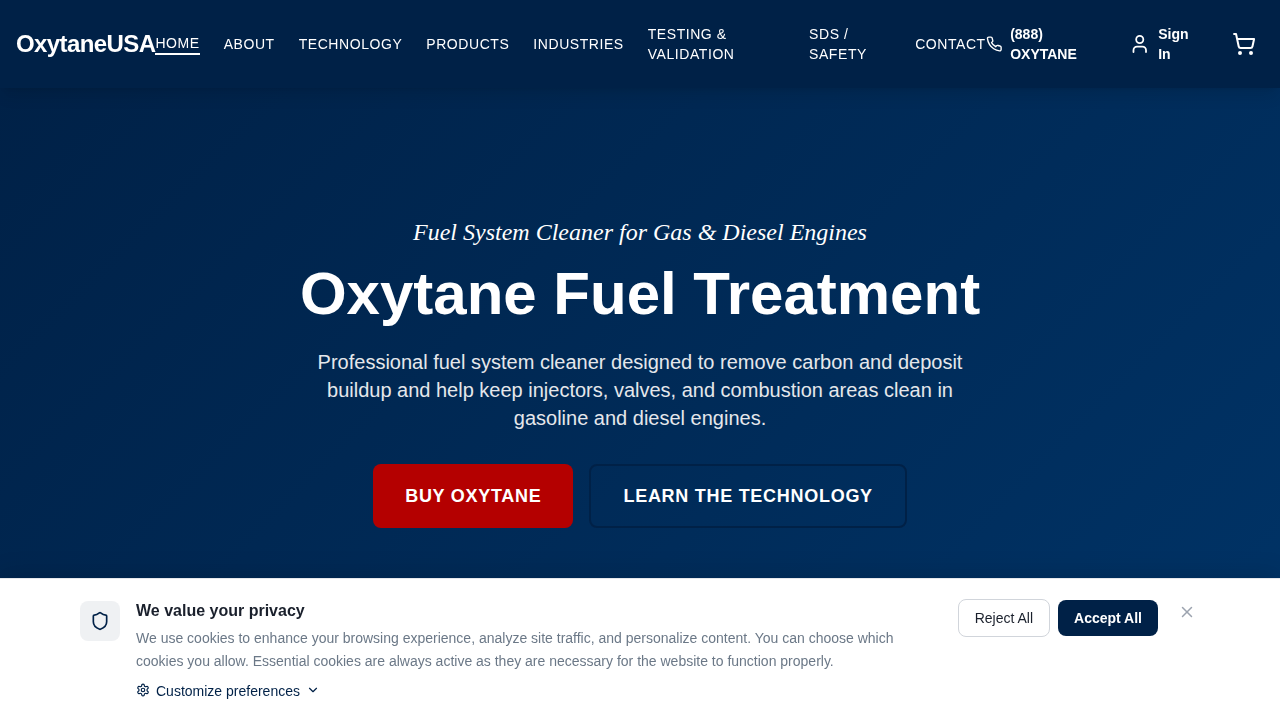
On 05/30/26 oxytaneusa.com scored 47% — **Below Average** – Overall, the site has some solid basics, but key signals around brand verification and content clarity aren’t coming through consistently for AI.
Executive summary
Score Breakdown (High Level)
- Discoverability: 100% - The site's technical foundation for discovery is solid, though adding an image or video sitemap would help search engines better index your visual content.
- Structured Data: 0% - We weren't able to find any schema markup or author details on the site, which is a major missed opportunity to feed clear, verified data to AI search engines.
- AI Readiness: 50% - The site has a solid foundation with open crawler access and clear company pages, but it's missing technical signals like sitemap timestamps and a Wikidata entry.
- Performance: 67% - Mobile performance is excellent across the board, with the homepage showing strong responsiveness and visual stability.
- Reputation: 58% - The brand is well-recognized by AI models and lacks negative sentiment, but inconsistent business details and missing social links on the homepage weaken its offsite authority.
- LLM-Ready Content: 16% - The page lacks critical metadata like author attribution and dates, and the content sections are too brief to provide the depth AI systems typically look for when sourcing answers.

What stands out most overall
The big picture is that the site has a solid base, but it’s missing some of the clarity signals that help AI confidently identify the brand and treat the content as a reliable resource. Nothing here looks like a “problem” so much as a few areas where the story isn’t being backed up consistently across the signals AI tends to trust. Below, we’ll walk through the specific sections where the report didn’t find what it was looking for, so you can see exactly what’s getting in the way. Overall, these are common gaps, and they’re very doable to tighten up once they’re clearly mapped out.
Detailed Report
Discoverability
❌ Image or video sitemap not detected
What we saw
We didn’t find an image sitemap or a video sitemap in the sitemap data that was detected. That means visual content isn’t being explicitly surfaced through a dedicated discovery path.
Why this matters for AI SEO
AI-driven search experiences often lean on clear, consistent discovery signals to find and interpret content beyond standard pages. When visual assets aren’t easy to discover, they’re less likely to be understood, indexed, and reused confidently.
Next step
Add an image sitemap and/or video sitemap and make sure it’s included in the sitemap setup search engines can access.
Structured Data
❌ Schema markup not present on homepage
What we saw
No schema markup was detected on the homepage (no JSON-LD, Microdata, or RDFa blocks were found). As a result, the homepage isn’t providing structured, machine-readable context about the business.
Why this matters for AI SEO
Structured data helps AI systems and search engines interpret key facts about a brand more reliably. Without it, they have to infer more from page text alone, which can reduce confidence and consistency.
Next step
Add foundational schema markup to the homepage so the site communicates clear business and brand context in a machine-readable way.
❌ Organization-type schema not found on homepage
What we saw
We didn’t find organization-related schema types on the homepage (for example, Organization or LocalBusiness). This leaves the brand’s identity details less explicit for automated systems.
Why this matters for AI SEO
When AI systems can’t quickly anchor who the organization is, it can weaken how confidently they connect the site to a verified brand entity. That can also affect how consistently the brand is described across AI answers.
Next step
Include an organization-focused schema type on the homepage that clearly represents the business.
❌ Schema markup on a resource/blog page couldn’t be evaluated
What we saw
A resource/blog page file was not provided, so we couldn’t determine whether that page includes schema markup. This leaves a key content area unevaluated for machine-readable context.
Why this matters for AI SEO
Resource content is often what AI systems pull from when generating answers, summaries, and citations. If structured context isn’t present (or can’t be validated), it’s harder for AI to classify and trust that content.
Next step
Provide an accessible resource/blog page for review and ensure it includes appropriate schema markup.
❌ No schema validation status available (schema absent)
What we saw
Because no schema was detected on the site, there wasn’t anything to validate for errors. In this evaluation, the absence of schema means this requirement can’t be met.
Why this matters for AI SEO
AI systems tend to trust structured information more when it’s consistent and well-formed. With no structured data in place, you lose an opportunity to provide high-confidence, standardized signals.
Next step
Implement basic schema markup first, then validate that it’s formatted correctly and consistently.
❌ Resource/blog post author could not be verified
What we saw
No resource/blog page was provided, so we couldn’t identify whether a clear, non-generic author is present. That means author identity and accountability signals weren’t available to assess.
Why this matters for AI SEO
When AI systems can’t associate content with a real author, it can reduce perceived credibility and make it harder to attribute expertise. This can affect how comfortably AI models reuse or cite the content.
Next step
Share a representative resource/blog post and ensure it includes a clear author attribution.
❌ Author sameAs links could not be evaluated
What we saw
Because no author schema was found (and no resource/blog page was provided to review), we couldn’t evaluate whether author sameAs links exist. This leaves external identity connections unconfirmed.
Why this matters for AI SEO
sameAs links help AI systems connect an author or brand to consistent identities across the web. Without those connections, entity resolution is harder and brand/author verification can be less reliable.
Next step
Add author information that includes sameAs links to relevant external profiles where appropriate.
AI Readiness
❌ Sitemap last updated signals not present
What we saw
The XML sitemap was detected, but it did not include lastmod data. That means there isn’t a clear signal indicating when key pages were last updated.
Why this matters for AI SEO
AI and search systems use freshness and change signals to prioritize crawling and to interpret how current a page might be. When update signals are missing, it can be harder for systems to confidently treat pages as up-to-date.
Next step
Include lastmod fields in the sitemap entries so page updates are clearly communicated.
❌ No Wikidata entity found for the brand
What we saw
We didn’t find a Wikidata entity for the brand (the Wikidata item ID was null). That leaves the brand without a strong, standardized knowledge-base reference.
Why this matters for AI SEO
A recognized entity can help AI systems keep brand details consistent and reduce confusion about identity. Without it, AI may rely more on scattered references across the web, which can be inconsistent.
Next step
Establish a Wikidata entity for the brand and ensure it accurately represents the business.
Reputation
❌ Brand identity details were inconsistent
What we saw
Multiple AI models reported conflicting business addresses, with locations cited in both Miami, FL and Houston, TX. That prevented a single, verified identity consensus.
Why this matters for AI SEO
When core brand facts don’t line up across sources, AI systems are more likely to hedge, omit details, or present conflicting information. That inconsistency can reduce trust and weaken visibility in AI-generated summaries.
Next step
Align the brand’s core identity details across major online sources so AI systems see one consistent set of facts.
❌ Wikidata entity not found
What we saw
No matching Wikidata entity was found for the brand in the reputation review. This means there isn’t a clear knowledge graph anchor supporting verification.
Why this matters for AI SEO
Knowledge-base anchors can help AI models confirm identity and keep brand details stable across answers. Without that anchor, systems may struggle to resolve the brand cleanly when similar names or locations exist.
Next step
Create or claim a Wikidata entity for the brand so there’s a consistent reference point for identity.
❌ Wikidata identity anchors missing
What we saw
Because no Wikidata entity was found, there were no Wikidata-based identity anchors available to evaluate. That leaves a gap in third-party identity validation.
Why this matters for AI SEO
Anchors help AI systems connect a brand to verified attributes and related profiles. When those anchors are missing, AI may be less confident and more inconsistent when describing the business.
Next step
Ensure the brand has a Wikidata entity with clear, accurate identity attributes and references.
❌ Homepage social links not found
What we saw
We didn’t find links from the homepage to major social platforms (such as LinkedIn or Facebook). That makes it harder to confirm official profiles directly from the brand’s primary page.
Why this matters for AI SEO
Official social links act like easy-to-verify identity connectors for AI systems. When they’re missing, it can be harder for models to confidently tie the site to the right brand profiles.
Next step
Add clear links on the homepage to the brand’s official social profiles.
❌ Independent press coverage not confirmed
What we saw
There was no consensus among the evaluated models that independent press coverage exists. This suggests the brand’s presence in third-party publications isn’t clearly established.
Why this matters for AI SEO
Third-party coverage can act as a credibility signal that helps AI systems corroborate brand claims. When it’s not visible or consistent, AI may have fewer trusted references to draw from.
Next step
Compile and surface any independent coverage in a way that’s easy for AI and search systems to recognize and associate with the brand.
❌ Owned press coverage not confirmed
What we saw
There was also no consensus that owned press coverage exists. That indicates brand announcements or official updates aren’t being consistently recognized as part of the site’s footprint.
Why this matters for AI SEO
Owned coverage can provide authoritative, brand-controlled references that AI systems can cite for factual statements. When it’s not clearly detected, AI has fewer first-party sources to rely on.
Next step
Make sure official brand announcements and updates are clearly published and recognizable as first-party coverage.
LLM-Ready Content (Blog Analysis)
Heads up: this section looks at one article as a snapshot, so it’s a little more interpretive than the rest of the report and may shift slightly from run to run. Have questions? Just shoot us an email at hello@v9digital.com
❌ No clear individual author
What we saw
We didn’t see a visible or structured individual author associated with the article. As a result, the content reads as unassigned from a specific person.
Why this matters for AI SEO
AI systems look for clear sourcing to judge credibility and to understand who is responsible for the information. Missing author signals can make the content feel less verifiable.
Next step
Add a clear individual author attribution to the article.
❌ No publish or update date shown
What we saw
We didn’t find a specific publication date or last-updated date for the content. Any date references appeared to be general (like a site-wide footer), not content-specific.
Why this matters for AI SEO
Dates help AI systems understand timeliness and context, especially for topics that can change over time. Without clear dates, it’s harder for AI to confidently treat the content as current.
Next step
Add a clear publish date and/or last-updated date directly on the article.
❌ Freshness within the last 12 months can’t be verified
What we saw
Because no explicit update date was found, we couldn’t confirm whether the content has been updated recently. This makes freshness effectively unknown.
Why this matters for AI SEO
When AI systems aren’t sure whether content is recent, they may prefer other sources that show clearer recency cues. That can reduce the likelihood your page is used for answers.
Next step
Include a clear last-updated date when the article is reviewed or refreshed.
❌ No non-social outbound links
What we saw
The page only included internal links and contact triggers (like phone or email). We didn’t see any external, non-social links to third-party references.
Why this matters for AI SEO
Outbound references can help AI systems understand what claims are grounded in outside sources and can improve perceived credibility. With only internal links, the page can feel more self-contained and less supported.
Next step
Add at least one relevant third-party reference link that supports or expands on the topic.
❌ Sections are too thin for AI extraction
What we saw
The content is split into sections, but the average section length was very short (around 58 words), which makes each part feel fragmentary. Several sections don’t provide enough setup or detail to stand on their own.
Why this matters for AI SEO
AI systems pull answers from self-contained, well-explained chunks of content. When sections are too short, AI has less context to confidently extract and summarize.
Next step
Expand each section so it provides enough context and detail to be useful as a standalone answer.
❌ No table-based structured information
What we saw
No HTML table element was detected on the page. That means there wasn’t an obvious structured way to present comparisons, specifications, or quick-reference details.
Why this matters for AI SEO
Tables can make key facts easier for AI systems to identify and reuse accurately. Without structured formatting like this, important details may be harder to extract cleanly.
Next step
Include a simple table where it naturally fits (for example, a comparison, checklist, or summary of key points).
❌ Key answers don’t show up early in sections
What we saw
The first paragraphs in sections were consistently too short to provide a meaningful summary (all were under 25 words). As a result, sections don’t open with enough context for quick scanning.
Why this matters for AI SEO
AI systems often rely on early section context to determine what a passage is about and whether it contains a usable answer. If the opening is too thin, the model may skip over it or misinterpret it.
Next step
Make the first paragraph under each subheading a short but complete summary that clearly states the main point.
Does Anything Seem Off?
Thanks for taking our free GEO Grader for a spin. When we started this journey, the tool had a fairly long processing time to check everything we wanted both onsite and offsite, so we made a few adjustments on the backend to speed things up. As a result, there are times when the grader may not get everything 100% right. If something feels off, we recommend running the tool a second time to confirm the results. From there, you’re always welcome to reach out to us to schedule a GEO consultation, or to have your SEO provider validate the findings with a more detailed crawl and manual review.
