
Overview:
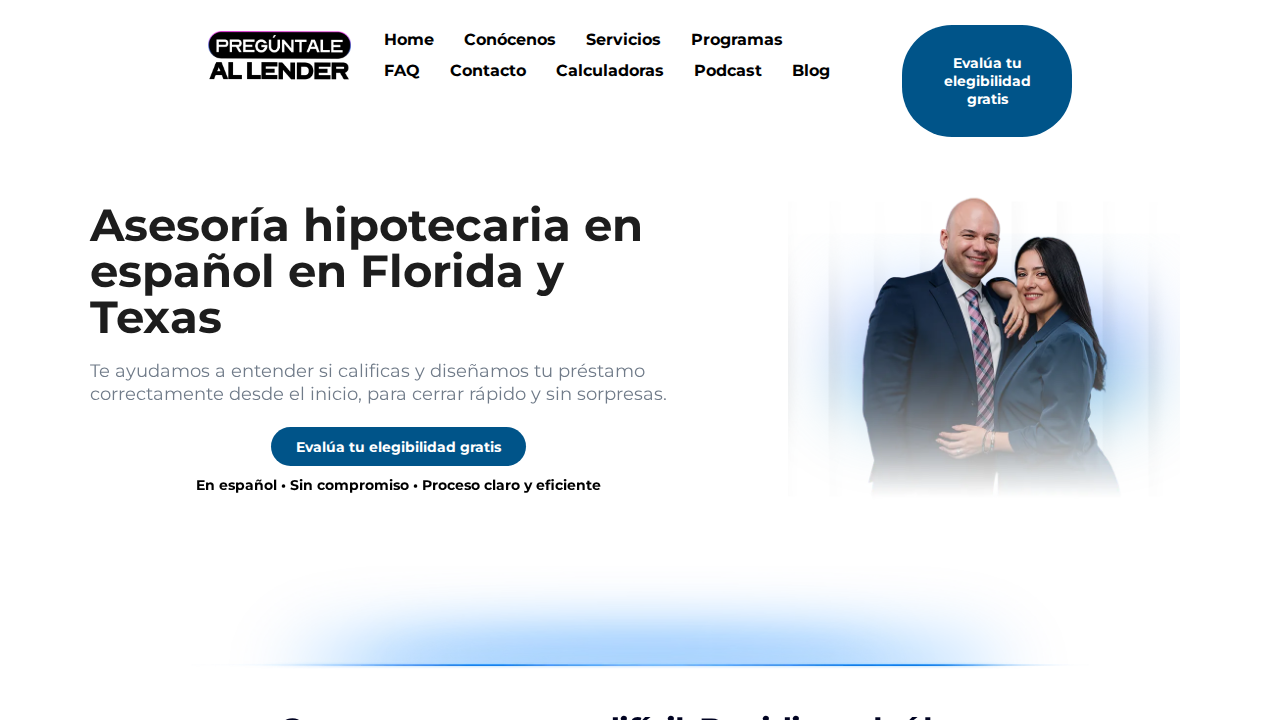
On 05/03/26 preguntaleallender.com/ scored 52% — **Fair** – Overall, the site has a solid foundation, but a few key gaps make it harder for AI systems to confidently understand and validate the brand and content.
Executive summary
Score Breakdown (High Level)
- Discoverability: 100% - The site is in great shape for discovery with a clean XML sitemap and solid metadata, though we didn't see an image or video sitemap.
- Structured Data: 58% - The homepage has a very thorough schema implementation for the organization, but we weren't able to confirm author or resource-level markup because that page data wasn't available.
- AI Readiness: 50% - The technical foundation for AI crawling is solid, but the site lacks the structural brand identifiers like Wikidata and standard 'About' page links that help search engines build trust.
- Performance: 50% - Mobile performance generally landed outside the "poor" range, though the homepage load time was slower than the recommended threshold.
- Reputation: 35% - The site links to social profiles correctly, but it lacks the offsite recognition, reviews, and press coverage needed to build strong brand authority in search engines.
- LLM-Ready Content: 48% - The site establishes strong trust through clear authorship and recent updates, but the lack of descriptive headings and thin content blocks makes it difficult for AI to extract detailed answers.

The main takeaway at a glance
The big picture is that your foundation is in place, but a few missing clarity and credibility signals are keeping the brand and content from coming through as strongly as they could in AI-driven results. These aren’t “fatal” issues—they’re mostly situations where important context isn’t easy to confirm or extract consistently. The next section breaks down the specific areas where that showed up, grouped by category so you can see the pattern clearly. Overall, what’s here is workable—it just needs a bit more consistency and substance in the places AI systems tend to lean on.
Detailed Report
Discoverability
❌ Image or video sitemap not found
What we saw
We didn’t see an image sitemap or a video sitemap in the site data. That means image/video content has less dedicated support for being discovered and understood.
Why this matters for AI SEO
Generative engines often rely on clear, well-organized signals to find and interpret media assets. When those signals are thin, it can reduce how confidently your visuals get associated with your brand and pages.
Next step
Create and publish an image sitemap and/or video sitemap (as relevant), and make sure it’s discoverable by crawlers.
Structured Data
❌ Resource/blog page markup couldn’t be verified
What we saw
We didn’t see a usable resource or blog page in the provided data (it appeared missing or empty). Because of that, we couldn’t confirm the presence of structured details on a content page.
Why this matters for AI SEO
AI systems understand sites better when content pages clearly spell out what the page is, who created it, and what it’s about. When that layer isn’t visible, content can be harder to classify and trust.
Next step
Provide or confirm an accessible resource/blog page so content-level structured details can be validated.
❌ Author on a content page couldn’t be confirmed
What we saw
Because the resource/blog page content wasn’t available, we couldn’t verify that a specific, non-generic author is clearly tied to an individual post.
Why this matters for AI SEO
When AI engines can’t reliably connect content to a real author identity, they tend to treat it as less attributable and harder to trust—especially for informational topics.
Next step
Ensure a content page is accessible and includes a clear author identity that can be consistently recognized.
❌ Author identity links weren’t present to review
What we saw
We couldn’t check for author identity links (like SameAs references) because the resource/blog page data wasn’t available.
Why this matters for AI SEO
AI systems are more confident when they can connect an author to consistent, corroborating profiles across the web. Without those connections, it’s easier for author signals to feel incomplete.
Next step
Make sure the author identity on content pages includes consistent external profile references where appropriate.
AI Readiness
❌ Brand context page wasn’t found
What we saw
We didn’t find an internal link that clearly points to a dedicated brand context page (like an About/Company/Team-style page). That makes it harder to quickly locate the “who we are” story from the site’s own navigation and linking.
Why this matters for AI SEO
Generative engines do better when they can quickly pull clean brand context directly from the site. When that context is hard to find, the brand can come across as less defined or less verifiable.
Next step
Add a clearly labeled brand context page and make sure it’s easy to find from prominent internal links.
❌ Wikidata entity wasn’t detected
What we saw
No Wikidata ID for the brand was detected in the provided brand data.
Why this matters for AI SEO
AI-driven search experiences often lean on entity databases to confirm “this is a real, distinct organization.” When that entity connection isn’t present, it can limit confidence in brand identity.
Next step
Confirm whether the brand has an established Wikidata entity and associate it consistently where your brand identity is referenced.
Performance
❌ Main content on the homepage was slow to appear
What we saw
The homepage’s largest visible content element took about 7.2 seconds to fully show up, which is slower than expected for a smooth first impression.
Why this matters for AI SEO
When key content appears late, it can reduce how quickly users (and some systems that simulate user experiences) can confirm what the page is about. That can indirectly weaken engagement and clarity signals around your primary message.
Next step
Prioritize improving how quickly the homepage’s main visible content loads for typical mobile visitors.
Reputation
❌ Brand recognition was limited across major AI models
What we saw
The brand wasn’t recognized by multiple major AI models, which points to a thin overall footprint in the broader web knowledge they draw from.
Why this matters for AI SEO
If a brand isn’t widely recognized, generative engines are less likely to confidently mention it, summarize it, or treat it as a known entity in answers.
Next step
Strengthen the brand’s broader web presence so it’s easier for AI systems to identify and recall consistently.
❌ External identity details didn’t line up clearly
What we saw
We couldn’t find consistent agreement on the official business name or physical address across external sources.
Why this matters for AI SEO
When identity details vary across the web, AI systems have a harder time consolidating references into one trusted brand profile. That confusion can reduce visibility and trust in brand mentions.
Next step
Standardize the brand’s core identity details across the main places it appears online.
❌ No Wikidata authority signal was found offsite
What we saw
No matching Wikidata entity was found as part of the offsite authority review.
Why this matters for AI SEO
Entity-level references help AI systems confidently connect a brand name to a specific, verified organization. When that’s missing, the brand can be easier to overlook or misattribute.
Next step
Establish and align a single authoritative entity reference for the brand where appropriate.
❌ Third-party customer validation wasn’t found
What we saw
We didn’t find verified third-party reviews or clear customer feedback sources in the offsite data reviewed.
Why this matters for AI SEO
Generative engines tend to trust brands more when there’s independent validation that real customers have experience with them. Without that, trust can lean heavily on what the site says about itself.
Next step
Build a consistent trail of third-party customer feedback sources that AI systems can reference.
❌ Independent press mentions weren’t verified
What we saw
No independent or owned press mentions were verified in the data provided.
Why this matters for AI SEO
Press and third-party coverage help AI systems confirm that a brand exists beyond its own website and social profiles. When those signals are missing, authority can look underdeveloped.
Next step
Develop verifiable third-party mentions that clearly reference the brand and its offering.
LLM-Ready Content (Blog Analysis)
Heads up: this section looks at one article as a snapshot, so it’s a little more interpretive than the rest of the report and may shift slightly from run to run. Have questions? Just shoot us an email at hello@v9digital.com
❌ Content sections weren’t substantial enough to stand on their own
What we saw
The page content was broken into very short sections (around 15 words on average). Most “sections” looked more like quick labels or link groups than real explanatory blocks.
Why this matters for AI SEO
AI systems extract and reuse content more effectively when sections contain enough substance to capture a complete idea. When sections are too thin, the page can read as fragmented and less quotable.
Next step
Rewrite sections so each one contains a clear, self-contained explanation instead of just short labels or navigation-style blocks.
❌ No table-style content was found
What we saw
We didn’t see any table-based content in the provided HTML.
Why this matters for AI SEO
Tables can make key facts easier for AI systems to extract accurately, especially for comparisons, requirements, or step-by-step decision points. Without them, the page may offer fewer high-density “pullable” facts.
Next step
Add at least one simple table where it naturally helps summarize key information users are looking for.
❌ Subheadings were generic and not descriptive
What we saw
Subheadings looked like generic labels (for example, navigation-style wording) rather than clear, descriptive topics. That makes the structure feel more like a menu than an article.
Why this matters for AI SEO
Descriptive subheadings help AI quickly map what the content covers and where specific answers live. When headings aren’t meaningful, it’s harder for systems to pull accurate, section-level summaries.
Next step
Update subheadings so they clearly describe the question or topic each section is answering.
❌ Sections didn’t lead with clear, answer-first text
What we saw
We didn’t see sections starting with a real paragraph that explains the point up front. Most sections began with short fragments, links, or contact-style content.
Why this matters for AI SEO
Generative engines often favor content that gets to the point quickly and can be summarized cleanly. If the “answer” isn’t front-loaded, the page becomes harder to interpret and reuse.
Next step
Make sure each main section opens with a short, plain-language paragraph that states the core takeaway.
❌ Acronyms weren’t explained for the intended reader
What we saw
A few acronyms (like FHA, NMLS, and DBA) appeared without nearby explanations. For a beginner audience, that can create small comprehension gaps.
Why this matters for AI SEO
When terms aren’t defined in-context, AI systems have less clarity on what the page is trying to communicate to its target reader. That can reduce how confidently the content gets summarized or recommended.
Next step
Add brief, in-line definitions the first time each acronym appears so the meaning is clear without extra context.
Does Anything Seem Off?
Thanks for taking our free GEO Grader for a spin. When we started this journey, the tool had a fairly long processing time to check everything we wanted both onsite and offsite, so we made a few adjustments on the backend to speed things up. As a result, there are times when the grader may not get everything 100% right. If something feels off, we recommend running the tool a second time to confirm the results. From there, you’re always welcome to reach out to us to schedule a GEO consultation, or to have your SEO provider validate the findings with a more detailed crawl and manual review.
