
Overview:
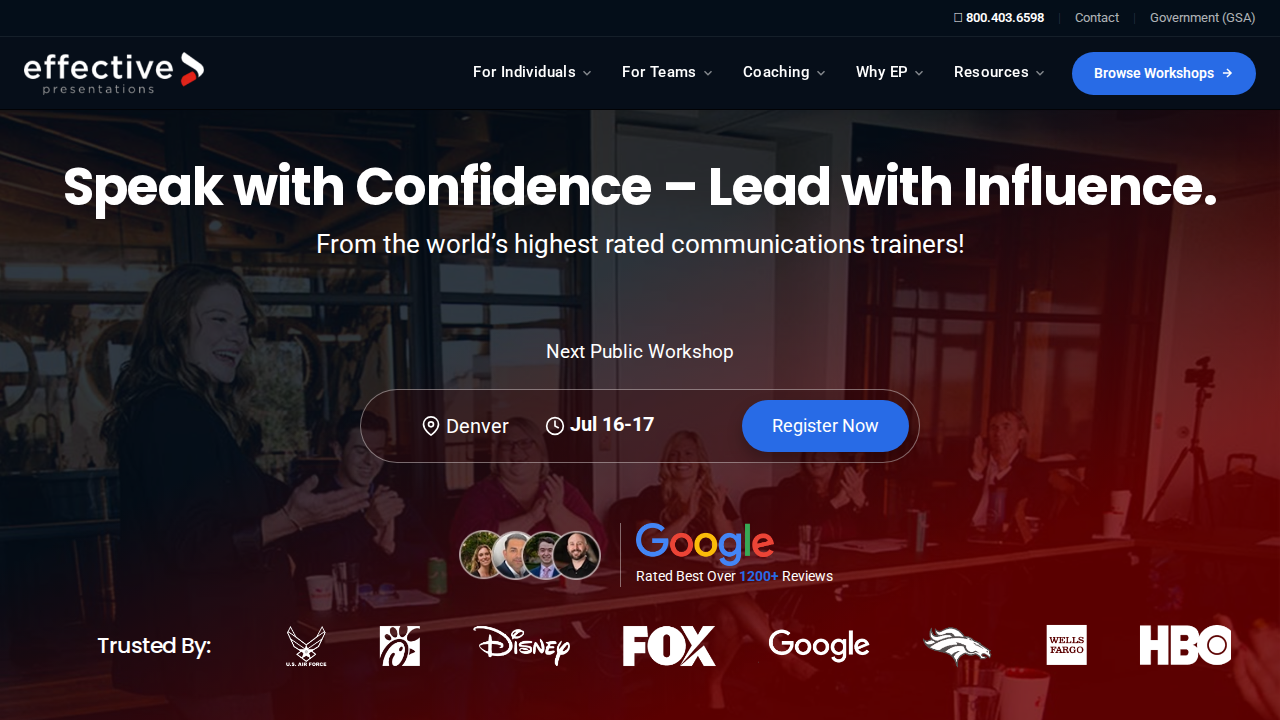
On 07/06/26 effectivepresentations.com scored 75% — **Good** – Overall, the site comes across as easy for AI to interpret, with a few authority and content-format gaps limiting how confidently it can be reused.
Executive summary
Score Breakdown (High Level)
- Discoverability: 100% - This section is in excellent shape, as the site is fully accessible to crawlers and includes all the essential metadata and sitemaps needed for discovery.
- Structured Data: 58% - The homepage features high-quality organization and service schema, though we were unable to confirm structured data or authorship on the blog side due to missing data.
- AI Readiness: 67% - The site has a solid technical foundation with open crawler access and clean sitemaps, though it lacks a Wikidata presence to fully anchor its brand identity.
- Performance: 67% - Mobile performance generally landed well outside the "poor" range, showing strong responsiveness and fast loading times for the homepage.
- Reputation: 81% - The brand has a solid reputation with strong social signals and positive AI recognition, though the lack of a Wikidata presence and consistent address data are notable gaps.
- LLM-Ready Content: 76% - The page is well-optimized for AI discovery with strong metadata and descriptive headings, though its content chunks are slightly too brief for maximum impact.

The big picture before the details
What stands out most is that the site is generally in a strong place, but a couple of authority and identity signals aren’t as clearly established as they could be. The main gaps aren’t “errors” so much as places where AI systems have less to confidently connect and reuse across sources and content. The sections below walk through the specific areas where that clarity dropped, so you can see exactly what showed up in the evaluation. Overall, this is a manageable set of issues, and the rest of the foundation looks steady.
Detailed Report
Structured Data
❌ Resource/blog structured data couldn’t be confirmed
What we saw
We weren’t able to review the resource/blog page details, so we couldn’t confirm whether structured information is present on individual content pages.
Why this matters for AI SEO
When AI systems can’t reliably read structured context on content pages, it’s harder for them to interpret what each piece is about and how it connects to your brand.
Next step
Confirm that resource/blog pages include structured context that clearly describes the page and its relationship to the business.
❌ Blog/resource authorship couldn’t be verified
What we saw
Because the resource/blog page details weren’t available for review, we couldn’t verify that posts clearly name a specific, non-generic author.
Why this matters for AI SEO
Clear authorship helps AI systems judge credibility and decide how confidently to quote or summarize your content.
Next step
Make sure each resource/blog post clearly identifies a real author in a way that’s consistently readable across pages.
❌ Author profile connections couldn’t be verified
What we saw
We couldn’t confirm whether author profiles include clear external identity references, since author-related structured context couldn’t be reviewed for the resource/blog page.
Why this matters for AI SEO
When author identity isn’t easily confirmable, AI systems have a harder time tying expertise and reputation back to the person behind the content.
Next step
Ensure author identity is connected to consistent external profiles that help validate who the author is.
AI Readiness
❌ No Wikidata entity found for the brand
What we saw
We didn’t find a Wikidata item associated with the brand.
Why this matters for AI SEO
Without a dependable third-party entity reference, AI systems have less to anchor key brand facts to, which can reduce confidence in how your business is represented.
Next step
Establish a clear Wikidata entity for the brand so AI systems have a stable reference point for core facts.
Reputation
❌ Inconsistent identity details across AI sources
What we saw
The brand’s identity information wasn’t fully consistent across AI-visible sources, particularly around the physical address.
Why this matters for AI SEO
When identity details don’t line up cleanly, AI systems may hesitate to merge references to the same business, which can dilute trust and visibility.
Next step
Align the brand’s core identity details across major public sources so they reinforce one consistent business profile.
❌ Wikidata entity not present
What we saw
A Wikidata entry for the brand was not found.
Why this matters for AI SEO
Wikidata is a common reference layer for entity understanding, and missing it can limit how strongly AI systems can validate and connect brand facts.
Next step
Create and validate a Wikidata entry for the brand to support stronger entity recognition.
❌ No Wikidata identity anchors confirmed
What we saw
Because there’s no Wikidata entity in place, we couldn’t confirm any supporting identity anchors tied back to a recognized entity profile.
Why this matters for AI SEO
Identity anchors help AI systems resolve ambiguity and confidently associate mentions, profiles, and attributes with the right organization.
Next step
Add consistent identity anchors once a Wikidata entity exists so brand references connect back to the same canonical profile.
LLM-Ready Content (Blog Analysis)
Heads up: this section looks at one article as a snapshot, so it’s a little more interpretive than the rest of the report and may shift slightly from run to run. Have questions? Just shoot us an email at hello@v9digital.com
❌ Sections are too short for deeper reuse
What we saw
The page uses lots of subheadings, but the content blocks under them are relatively brief, which makes the overall structure feel a bit fragmented.
Why this matters for AI SEO
Short, thin sections can be harder for AI systems to pull as self-contained, high-confidence answers, especially when it needs enough surrounding context to stay accurate.
Next step
Consolidate or expand key sections so each one stands on its own with clearer, fuller context.
❌ No table-based summary content found
What we saw
We didn’t find a structured table on the page that summarizes key points in a compact, scannable format.
Why this matters for AI SEO
Tables are an easy way for AI systems to extract precise, structured information, which often increases how reusable a page is in generative answers.
Next step
Add a simple table that summarizes key takeaways in a structured, easy-to-reuse format.
Does Anything Seem Off?
Thanks for taking our free GEO Grader for a spin. When we started this journey, the tool had a fairly long processing time to check everything we wanted both onsite and offsite, so we made a few adjustments on the backend to speed things up. As a result, there are times when the grader may not get everything 100% right. If something feels off, we recommend running the tool a second time to confirm the results. From there, you’re always welcome to reach out to us to schedule a GEO consultation, or to have your SEO provider validate the findings with a more detailed crawl and manual review.
