
Overview:
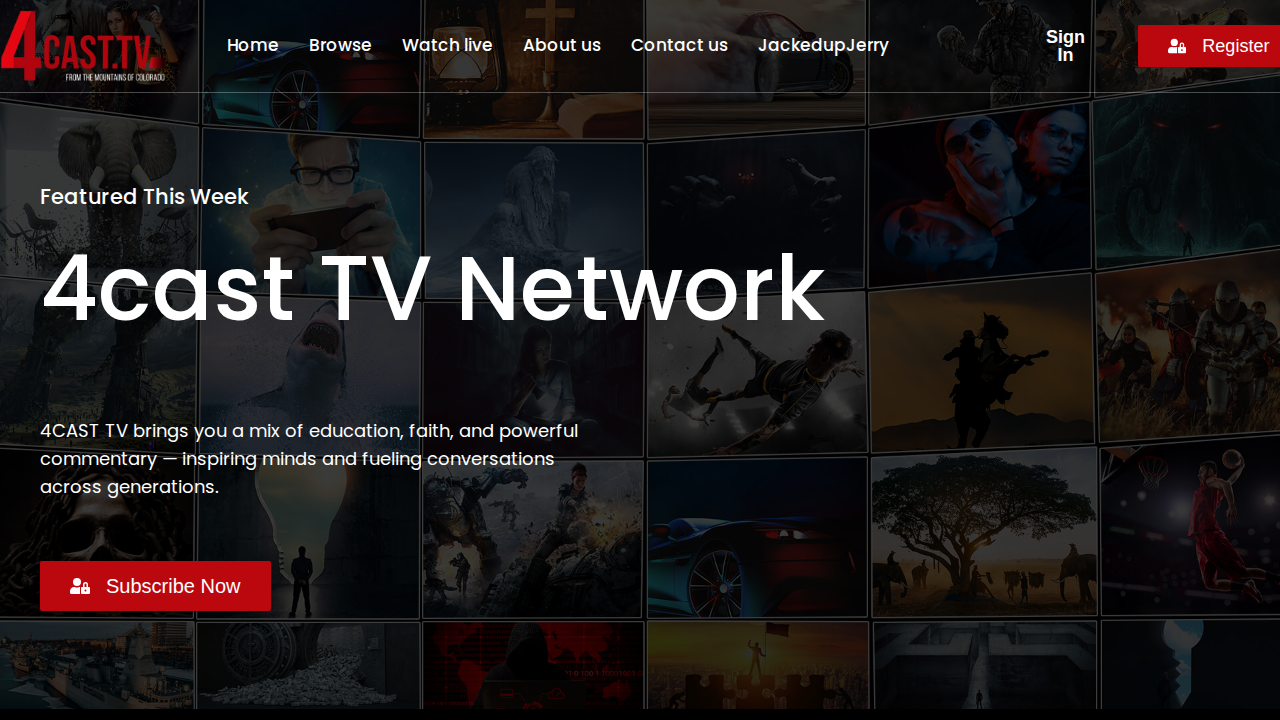
On 04/19/26 4cast.tv scored 35% — **Weak** – Overall, the site has a few solid fundamentals, but it’s missing several clarity and credibility signals that help AI systems confidently understand and surface it.
Executive summary
Score Breakdown (High Level)
- Discoverability: 100% - The site is technically accessible and has a solid sitemap structure, though it lacks a meta description and specialized media sitemaps.
- Structured Data: 33% - Overall, the site has some basic structural markup in place, but it's missing the deeper organization and author details that really help with brand authority.
- AI Readiness: 50% - The site is off to a good start by not blocking AI bots and having a clear brand page, but missing sitemap dates and a Wikidata entry are clear gaps in its AI readiness.
- Performance: 50% - Mobile performance is technically stable and responsive, though the initial page load speed is currently landing in the poor range.
- Reputation: 0% - The site lacks functional social media links and verified offsite brand data, which are critical for establishing trust with generative engines.
- LLM-Ready Content: 20% - The page links out well to external platforms, but the lack of an identified author and the very brief, non-descriptive sections make it difficult for AI engines to fully parse and trust the resource.

The main takeaway at a glance
The big picture is that the site reads as real and usable, but a lot of the signals that help AI confidently identify the brand and summarize key pages aren’t showing up clearly. Most of the gaps are about verification and context—who the brand is, how current content is, and what the core takeaways are—rather than anything being “wrong.” The detailed breakdown below walks through each area where the signals were missing or couldn’t be confirmed, in the same order we reviewed them. None of this is unusual for growing sites, and it’s all the kind of thing that becomes clearer once it’s documented consistently.
Detailed Report
Discoverability
❌ Homepage summary metadata missing
What we saw
We didn’t find a homepage description that clearly summarizes what the site offers. That leaves AI systems with less “at-a-glance” context when they try to interpret the page.
Why this matters for AI SEO
Generative engines rely on quick, clear summaries to understand relevance and intent. When that summary signal is missing, your positioning can be easier to misread or overlook.
Next step
Add a clear, plain-English homepage description that explains what the brand is and who it’s for.
❌ Media discovery signals not found
What we saw
We didn’t see dedicated discovery support for your image or video content. That means your media assets aren’t being explicitly surfaced as “findable” content on their own.
Why this matters for AI SEO
AI-powered search experiences often pull from media when it’s easy to locate and classify. When those signals aren’t present, media can be less likely to show up in rich or specialized results.
Next step
Create and publish dedicated discovery support for your image and/or video content so it’s easier to find and categorize.
Structured Data
❌ Organization identity markup not found
What we saw
We didn’t see structured data that clearly identifies the organization behind the site. The homepage has some basic markup, but it doesn’t firmly anchor “who” the brand is.
Why this matters for AI SEO
Generative engines do better when they can connect a site to a defined, consistent entity. Without that, brand attribution and trust can be harder to establish.
Next step
Add structured data that clearly defines the organization behind the website.
❌ Resource/blog structured data couldn’t be verified
What we saw
A resource/blog page wasn’t available in the materials reviewed for this run, so we couldn’t confirm whether that content includes the expected structured data. As a result, the blog/resource layer is effectively “unknown” from an AI interpretation standpoint.
Why this matters for AI SEO
Content pages are often what get summarized, cited, and recommended by AI tools. If those pages don’t consistently communicate what they are, they’re easier to misclassify.
Next step
Ensure your resource/blog pages are included in your review set and consistently publish structured data on those templates.
❌ Clear author identity on resources couldn’t be verified
What we saw
Because a resource/blog page wasn’t available in the materials reviewed, we couldn’t verify that posts have a clear, non-generic author. That leaves authorship signals unclear for AI systems.
Why this matters for AI SEO
AI models look for consistent “who wrote this” cues to gauge credibility and attribution. When authorship is missing or generic, trust tends to be weaker.
Next step
Make sure your resource/blog pages clearly identify a real author in a consistent, machine-readable way.
❌ Author profile connections couldn’t be verified
What we saw
We weren’t able to confirm that author profiles include links that connect the author to established profiles elsewhere. That makes the author’s identity harder to validate.
Why this matters for AI SEO
Generative engines are more confident when an author’s identity can be corroborated across the web. Without that connective tissue, author trust is harder to build.
Next step
Connect author profiles to their official external profiles in a consistent, verifiable way.
AI Readiness
❌ Content update timestamps not included
What we saw
Your site’s main content index was found, but it didn’t include update timestamps. That makes it harder to tell what’s new versus what hasn’t changed in a while.
Why this matters for AI SEO
AI systems often prioritize freshness and clarity about recency when summarizing or recommending information. When update context is missing, content can look less current than it is.
Next step
Include update timestamps in your site’s content index so recency is clear.
❌ No Wikidata entity found for the brand
What we saw
We didn’t find a Wikidata entry connected to the brand. That leaves a gap in how easily AI systems can validate the brand as a defined entity.
Why this matters for AI SEO
Wikidata is a common reference point used to confirm identity, naming, and official associations. Without it, AI answers can be less consistent about who the brand is.
Next step
Create and/or claim a Wikidata entry that accurately represents the brand.
Performance
❌ Slow initial content load on the homepage
What we saw
The main piece of content on the homepage took over 12 seconds to appear. Even if the page feels stable after it loads, that initial wait is still a noticeable hurdle.
Why this matters for AI SEO
If users (and some AI-driven experiences) struggle to get meaningful content quickly, engagement and downstream discovery can suffer. Slow first impressions also make it harder for the page to be treated as a strong entry point.
Next step
Reduce the time it takes for the homepage’s primary content to appear for first-time visitors.
Reputation
❌ Negative client sentiment couldn’t be verified
What we saw
We weren’t able to confirm whether there are clear negative client claims associated with the brand in the information available here. That means this aspect of reputation is effectively unverified.
Why this matters for AI SEO
Generative engines try to avoid recommending brands when reputation signals are unclear. If sentiment can’t be confidently assessed, AI responses may be more cautious.
Next step
Gather and document clear, verifiable client sentiment signals tied to the brand.
❌ Negative employee sentiment couldn’t be verified
What we saw
We weren’t able to confirm whether there are clear negative employee claims associated with the brand in the information available here. This leaves another key reputation angle unverified.
Why this matters for AI SEO
AI systems often consider broader sentiment patterns when describing a brand. When those signals aren’t clear, results can skew toward uncertainty or generic descriptions.
Next step
Make sure credible employee sentiment signals about the brand are easy to validate.
❌ Brand recognition signals weren’t confirmed
What we saw
We didn’t see clear confirmation that the brand is consistently recognized across multiple generative systems in the information reviewed. In practice, that means recognition looks limited or unclear.
Why this matters for AI SEO
When AI tools don’t “agree” on who a brand is, they’re less likely to cite it confidently or describe it consistently. That can reduce visibility in AI-generated answers.
Next step
Strengthen the consistency of brand identity signals across trusted sources.
❌ Brand identity consistency wasn’t confirmed
What we saw
We weren’t able to confirm a stable, consistent set of identity details for the brand based on what was available here. That makes it harder to tell if the brand’s “official story” is anchored cleanly.
Why this matters for AI SEO
Generative engines prefer brands with consistent naming, descriptions, and reference points. When identity signals are inconsistent or missing, AI summaries can become vague or contradictory.
Next step
Align and standardize the brand’s identity details across the most visible sources.
❌ Wikidata presence for brand reputation not found
What we saw
We didn’t find a Wikidata entry tied to the brand. From a reputation standpoint, that removes a common reference point AI systems use to validate official identity.
Why this matters for AI SEO
Without a widely recognized entity reference, AI tools have a harder time confirming “this is the official brand” versus a similarly named concept. That can limit confident mentions.
Next step
Establish a Wikidata entity for the brand and ensure it matches the official identity.
❌ Official identity anchors weren’t present in Wikidata
What we saw
We didn’t see official identity anchors in Wikidata (like official site references or identifiers) associated with the brand. That makes external verification harder.
Why this matters for AI SEO
AI engines lean on official anchors to reduce ambiguity and improve trust. When those anchors aren’t available, AI responses may be less certain about what’s “official.”
Next step
Add official identity anchors to the brand’s entity presence so it’s easier to validate.
❌ Third-party reviews weren’t surfaced
What we saw
We didn’t see clear evidence of third-party reviews or customer feedback tied to the brand in what was available here. That makes public sentiment harder to corroborate.
Why this matters for AI SEO
Reviews are one of the simplest ways for AI systems to gauge real-world experience. When review signals aren’t visible, AI may treat the brand as less established.
Next step
Make sure review signals exist in credible third-party places and are easy to associate with the brand.
❌ Review sources weren’t clearly attributable
What we saw
We didn’t see concrete, attributable review sources connected to the brand in the information reviewed. Even if feedback exists, the sources weren’t clearly established here.
Why this matters for AI SEO
Generative engines weigh concrete sources more heavily than vague sentiment. Without clear sources, AI is less likely to reference reviews as supporting evidence.
Next step
Ensure reviews are tied to identifiable, reputable sources that AI systems can recognize.
❌ Major social profiles weren’t confirmed
What we saw
We didn’t see a clear, consistent set of major social profiles tied to the brand in the information reviewed. That makes it harder to confirm which accounts are official.
Why this matters for AI SEO
Official social profiles are commonly used to validate brand legitimacy and ongoing activity. When they aren’t clearly established, AI results may be less confident.
Next step
Clarify the brand’s official social profiles so they can be consistently recognized.
❌ Homepage social icons weren’t linked
What we saw
The homepage shows social icons in the footer, but they don’t link out to real social destinations. So even if profiles exist, the site isn’t clearly pointing to them.
Why this matters for AI SEO
AI systems look for clear confirmation of official profiles directly from the brand’s own site. Missing links reduce confidence and can lead to misattribution.
Next step
Link the social icons to the brand’s official social profiles.
❌ Independent coverage signals weren’t surfaced
What we saw
We didn’t see clear evidence of independent, third-party coverage tied to the brand in the information reviewed. That makes external validation feel thin.
Why this matters for AI SEO
Independent coverage helps AI systems distinguish an established brand from a brand that only self-publishes. Without it, AI answers may be more cautious or generic.
Next step
Build and surface credible third-party references that clearly mention the brand.
❌ Owned press/updates weren’t confirmed
What we saw
We didn’t see clear onsite press or announcement content signals in the information reviewed. That limits how easy it is to find “official updates” in one place.
Why this matters for AI SEO
Generative engines often look for a reliable trail of official announcements to confirm facts over time. When that trail isn’t visible, AI may struggle to reference current details.
Next step
Create a clearly identifiable place on the site for official news, updates, or announcements.
LLM-Ready Content (Blog Analysis)
Heads up: this section looks at one article as a snapshot, so it’s a little more interpretive than the rest of the report and may shift slightly from run to run. Have questions? Just shoot us an email at hello@v9digital.com
❌ No clear human author
What we saw
We didn’t see a specific human author tied to the page, and the content appears to be attributed generally to the brand. That makes authorship feel anonymous from an AI perspective.
Why this matters for AI SEO
AI tools look for “who wrote this” as a credibility shortcut, especially for informational content. When authorship is vague, summarization and citation confidence can drop.
Next step
Add a clear, named author to the page so authorship is unambiguous.
❌ No publish or update date
What we saw
We couldn’t find a specific publication date or last-updated date on the page. That makes it hard to tell how current the content is.
Why this matters for AI SEO
Recency is a major trust and relevance cue for generative engines. Without date context, AI may treat the content as potentially outdated.
Next step
Add a clear publish date and, when relevant, a last-updated date to the page.
❌ Content freshness couldn’t be confirmed
What we saw
Because there wasn’t an update date shown, we couldn’t confirm whether the page has been refreshed recently. The content may be current, but it isn’t clearly signaled.
Why this matters for AI SEO
When AI systems can’t verify freshness, they may hesitate to feature content for time-sensitive topics. Clear update context helps reduce that uncertainty.
Next step
Make freshness easy to verify by explicitly showing when the page was last updated.
❌ Sections are too thin to carry context
What we saw
The content is broken into multiple sections, but most sections are very short—around a couple of sentences. That leaves each section without enough substance to stand on its own.
Why this matters for AI SEO
LLMs summarize best when each section contains enough explanatory detail to extract meaning. Thin sections can lead to shallow or incomplete AI summaries.
Next step
Expand sections so each one provides enough context for a reader (and an AI) to understand the point without guessing.
❌ No table-based summary (bonus)
What we saw
We didn’t find any table that summarizes key details on the page. The information is presented only in narrative form.
Why this matters for AI SEO
Tables can make key facts easier for AI systems to extract cleanly and reuse accurately. Without them, important details can be harder to pick up reliably.
Next step
Add a simple table where it naturally helps summarize the main facts or comparisons.
❌ Subheadings aren’t descriptive
What we saw
The subheadings on the page are very short and don’t do much to describe what the following section actually covers. That makes the structure harder to scan and interpret.
Why this matters for AI SEO
Generative engines use headings to understand topic flow and section meaning. When headings are vague, AI has a harder time building accurate summaries.
Next step
Rewrite subheadings so they clearly preview the specific takeaway of each section.
❌ Key answers don’t appear early
What we saw
We didn’t see an opening section that quickly lays out the core point in a substantial first paragraph. Instead, the page gets into its ideas in smaller fragments.
Why this matters for AI SEO
AI systems often lean heavily on the beginning of a page to understand what it’s about. If the early content is light on context, the overall interpretation can be weaker.
Next step
Add a stronger opening that clearly states what the page is about and what a reader should take away.
Does Anything Seem Off?
Thanks for taking our free GEO Grader for a spin. When we started this journey, the tool had a fairly long processing time to check everything we wanted both onsite and offsite, so we made a few adjustments on the backend to speed things up. As a result, there are times when the grader may not get everything 100% right. If something feels off, we recommend running the tool a second time to confirm the results. From there, you’re always welcome to reach out to us to schedule a GEO consultation, or to have your SEO provider validate the findings with a more detailed crawl and manual review.
