
Overview:
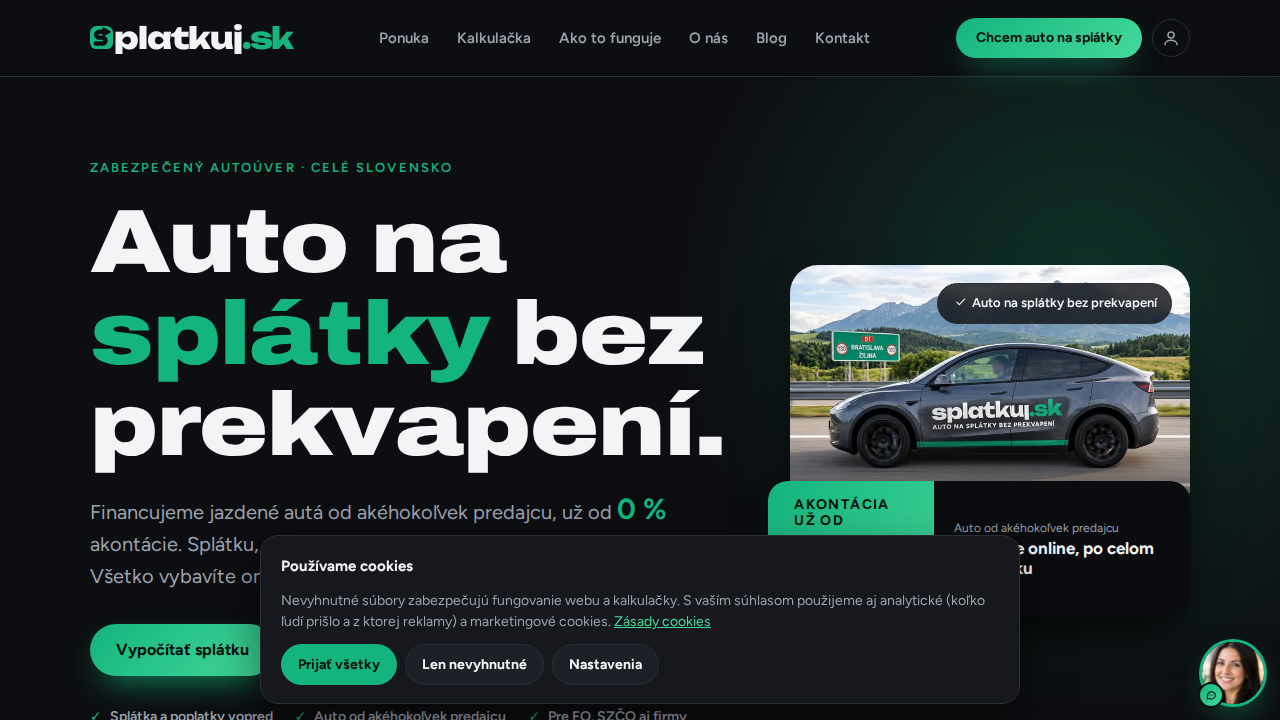
On 10/13/26 splatkuj.sk scored 49% — **Below Average** – Overall, the site is easy to access and understand at a basic level, but some key trust and content-clarity signals aren’t coming through consistently.
Executive summary
Score Breakdown (High Level)
- Discoverability: 100% - The site's discoverability is in great shape with all core technical signals and metadata present, though adding an image sitemap would help search engines better index your visual assets.
- Structured Data: 58% - The homepage schema is in great shape and covers all the organizational basics, but we weren't able to verify author-level markup for the blog.
- AI Readiness: 50% - The site has a solid technical foundation for crawling and discovery, but it lacks the external entity validation and standard brand-context links that AI engines use to establish authority.
- Performance: 67% - The homepage performance is excellent across all core metrics, showing strong responsiveness and visual stability on mobile.
- Reputation: 0% - We weren't able to confirm the brand's reputation signals because the expected identity details and social links weren't found on the site or in the research data.
- LLM-Ready Content: 56% - The page is technically up-to-date and clearly authored, though the content is highly fragmented and uses several unexplained technical acronyms.

The main themes we’re seeing
The big picture is that the site’s baseline accessibility is fine, but the signals that help AI systems verify “who you are” and confidently summarize your content are coming through unevenly. A lot of what’s showing up here is less about something being wrong and more about identity, trust, and context not being as easy to confirm as it could be. Below, we’ll walk through the specific areas where the evaluation couldn’t find or verify key information, so you can see exactly what’s getting in the way. None of this is unusual—it’s the kind of gap that’s very common on otherwise solid sites.
Detailed Report
Discoverability
❌ Image or video sitemap not found
What we saw
We didn’t detect a dedicated sitemap for image or video content. That means your visual assets may not be getting the same level of clear packaging as your standard pages.
Why this matters for AI SEO
AI-driven discovery often depends on clean, machine-readable signals to find and interpret content efficiently. When visual content isn’t clearly surfaced, it can be harder for systems to reliably pick it up and connect it to the right topics.
Next step
Add a dedicated image/video sitemap (or expand your existing sitemap coverage) so visual assets are easier to discover and index.
Structured Data
❌ Resource/blog page wasn’t available to evaluate
What we saw
A specific resource/blog URL wasn’t provided for this evaluation, so we couldn’t confirm what structured data is present on content pages beyond the homepage.
Why this matters for AI SEO
AI systems often rely on consistent, page-level context signals across informational content—not just the homepage. If content pages aren’t clearly described, they can be harder to interpret, cite, or trust.
Next step
Provide a representative blog/resource URL so the content-page implementation can be reviewed directly.
❌ Author on resource/blog post couldn’t be verified
What we saw
Because the resource/blog page wasn’t provided, we couldn’t verify whether the author is clearly identified (and non-generic) on a typical article.
Why this matters for AI SEO
Clear authorship helps AI systems understand who is behind the content, which supports trust and improves how confidently information can be reused or referenced.
Next step
Share a blog/resource page example so author attribution can be checked on real content.
❌ Author profile sameAs links couldn’t be verified
What we saw
Without a provided resource/blog page, we couldn’t confirm whether author information includes profile links that help connect the author to a broader identity footprint.
Why this matters for AI SEO
When author identities are easier to reconcile across the web, AI systems have a clearer path to validating who wrote the content and whether it’s credible.
Next step
Provide a resource/blog page URL (and the associated author profile page, if available) so identity linkage can be reviewed.
AI Readiness
❌ Brand context page wasn’t clearly discoverable using standard brand-language links
What we saw
On the homepage, we didn’t detect internal links using common English brand terms (like “about,” “company,” or “team”) that point to a clear brand-context page for this evaluation.
Why this matters for AI SEO
AI systems do best when they can quickly find a single, obvious place that explains who the brand is and what it does. If that pathway isn’t clear, it can weaken how confidently the brand is interpreted.
Next step
Make sure there’s a clearly signposted brand/about destination that’s easy to identify and navigate to from the homepage.
❌ No Wikidata entity found for the brand
What we saw
We didn’t find a Wikidata item ID associated with the brand.
Why this matters for AI SEO
Wikidata can act as a widely recognized reference point for entity verification. When it’s missing, AI systems have fewer authoritative anchors to confirm official brand details.
Next step
Create and/or claim a Wikidata entity for the brand and ensure it accurately reflects official identity details.
Reputation
❌ Negative client assertion status couldn’t be confirmed
What we saw
The evaluation data did not include the required fields to confirm whether there are affirmed negative client assertions.
Why this matters for AI SEO
When sentiment and reputation context can’t be verified, AI systems may have a harder time forming a confident picture of brand trustworthiness.
Next step
Collect and include the missing reputation/identity consensus fields so client sentiment can be validated.
❌ Negative employee assertion status couldn’t be confirmed
What we saw
The evaluation data did not include the required fields to confirm whether there are affirmed negative employee assertions.
Why this matters for AI SEO
Employment sentiment is one of the signals AI systems may use when assessing brand credibility. If it’s not verifiable, trust confidence can be lower.
Next step
Ensure the missing reputation fields are available so employee sentiment context can be validated.
❌ Brand recognition across LLMs couldn’t be verified
What we saw
The evaluation packet did not include the recognition/consensus fields needed to verify whether multiple LLMs consistently recognize the brand.
Why this matters for AI SEO
When brand recognition signals aren’t consistent or available, it’s harder for AI experiences to reliably surface the brand as an authoritative option.
Next step
Provide the missing recognition/consensus data so brand recognition can be assessed properly.
❌ Brand identity consistency couldn’t be verified
What we saw
The required identity consensus fields (covering basics like name/domain/address alignment) were missing from the provided data.
Why this matters for AI SEO
AI systems lean heavily on consistent identity signals to confirm they’re attributing information to the right entity. If that consistency can’t be validated, trust can degrade.
Next step
Compile and supply the missing identity consensus details so brand identity can be validated end-to-end.
❌ No Wikidata entity match confirmed
What we saw
A Wikidata search did not return a matching entity for the brand.
Why this matters for AI SEO
Without a known entity reference, AI systems have fewer high-authority ways to reconcile brand identity and official details.
Next step
Establish a Wikidata entity for the brand and confirm it matches the official business identity.
❌ Wikidata official identity anchors not present
What we saw
Because no matching Wikidata entity was found, official identity anchors (the kinds of references that confirm “this is the official brand”) couldn’t be validated there.
Why this matters for AI SEO
Identity anchors help AI systems feel confident they’re pointing to the official entity. When those anchors are missing, attribution can become fuzzier.
Next step
Ensure the brand’s Wikidata presence includes clear official identity references once the entity exists.
❌ Third-party reviews or customer feedback not confirmed
What we saw
The provided data did not include verifiable third-party reviews or customer feedback signals.
Why this matters for AI SEO
Third-party feedback is a common trust input for AI summaries and comparisons. If it can’t be found or verified, the brand may appear less established.
Next step
Gather and provide verifiable third-party review sources so this trust signal can be confirmed.
❌ Review sources not validated as concrete
What we saw
Because review/feedback sources weren’t present in the dataset, we couldn’t confirm concrete sources for customer sentiment.
Why this matters for AI SEO
AI systems tend to trust sentiment more when it’s tied to clear, attributable sources. Without that, reputation signals can be weaker or ignored.
Next step
Provide clear, attributable review sources that can be referenced consistently.
❌ Social profile consensus not verified
What we saw
The evaluation data did not include the necessary consensus fields to confirm that major social profiles are consistently associated with the brand.
Why this matters for AI SEO
Consistent social identity signals help AI systems confirm the “official” presence of a brand. When that’s unclear, entity confidence can suffer.
Next step
Provide the missing identity consensus fields so social profile association can be validated.
❌ Homepage didn’t link to major social profiles
What we saw
No links to major social domains (like Facebook or LinkedIn) were found in the homepage HTML.
Why this matters for AI SEO
Direct links from the site to official profiles help reinforce which accounts are authentic and brand-owned. Without those, AI systems may have a harder time confirming the right profiles.
Next step
Add clear, direct homepage links to the brand’s official social profiles.
❌ Independent offsite coverage not confirmed
What we saw
We didn’t have evidence in the provided data of independent (offsite) press or coverage.
Why this matters for AI SEO
Independent mentions can help AI systems validate that a brand exists and is recognized beyond its own website. When it’s missing, authority signals may be thinner.
Next step
Compile verifiable independent mentions/coverage so offsite credibility can be assessed.
❌ Onsite press/press releases not confirmed
What we saw
The evaluation did not find evidence (from the provided materials) of owned/onsite press or press releases.
Why this matters for AI SEO
Owned press content can help AI systems understand noteworthy updates, milestones, and official announcements in a format that’s easy to reference.
Next step
Provide or surface any onsite press/announcement content so it can be validated as an official brand signal.
LLM-Ready Content (Blog Analysis)
Heads up: this section looks at one article as a snapshot, so it’s a little more interpretive than the rest of the report and may shift slightly from run to run. Have questions? Just shoot us an email at hello@v9digital.com
❌ No non-social outbound references
What we saw
We didn’t find outbound links to non-social external sources; links were either internal or pointed to social platforms.
Why this matters for AI SEO
External references can help AI systems cross-check claims and understand the wider context around a topic. When everything stays internal, the content can be harder to validate.
Next step
Add at least one relevant, credible non-social external reference that supports or contextualizes the page’s key points.
❌ Sections are a bit too thin for AI context
What we saw
The content is broken into sections, but the sections tend to be short and jump quickly into lists or UI-style elements without much setup.
Why this matters for AI SEO
AI systems extract meaning more reliably when each section has enough explanatory text to stand on its own. Thin sections can reduce clarity and increase misinterpretation.
Next step
Expand key sections with a bit more explanatory text so each one provides self-contained context.
❌ Key answers don’t show up early enough
What we saw
Most sections didn’t open with a descriptive intro paragraph, and instead led with short snippets or elements that assume prior context.
Why this matters for AI SEO
When core explanations appear early, AI systems can identify the “what” and “why” faster and summarize the page more accurately.
Next step
Add short, plain-language introductory paragraphs to the main sections so the key takeaways are easier to pick up immediately.
❌ Acronyms aren’t explained near their first use
What we saw
Several industry acronyms (like RPMN, SZČO, and DSG) appear without nearby definitions.
Why this matters for AI SEO
Unexplained shorthand creates friction for automated understanding and can lead to weaker summaries or incorrect interpretations of key details.
Next step
Define acronyms the first time they appear (even briefly) so the page reads clearly to both humans and AI.
Does Anything Seem Off?
Thanks for taking our free GEO Grader for a spin. When we started this journey, the tool had a fairly long processing time to check everything we wanted both onsite and offsite, so we made a few adjustments on the backend to speed things up. As a result, there are times when the grader may not get everything 100% right. If something feels off, we recommend running the tool a second time to confirm the results. From there, you’re always welcome to reach out to us to schedule a GEO consultation, or to have your SEO provider validate the findings with a more detailed crawl and manual review.
