
Overview:
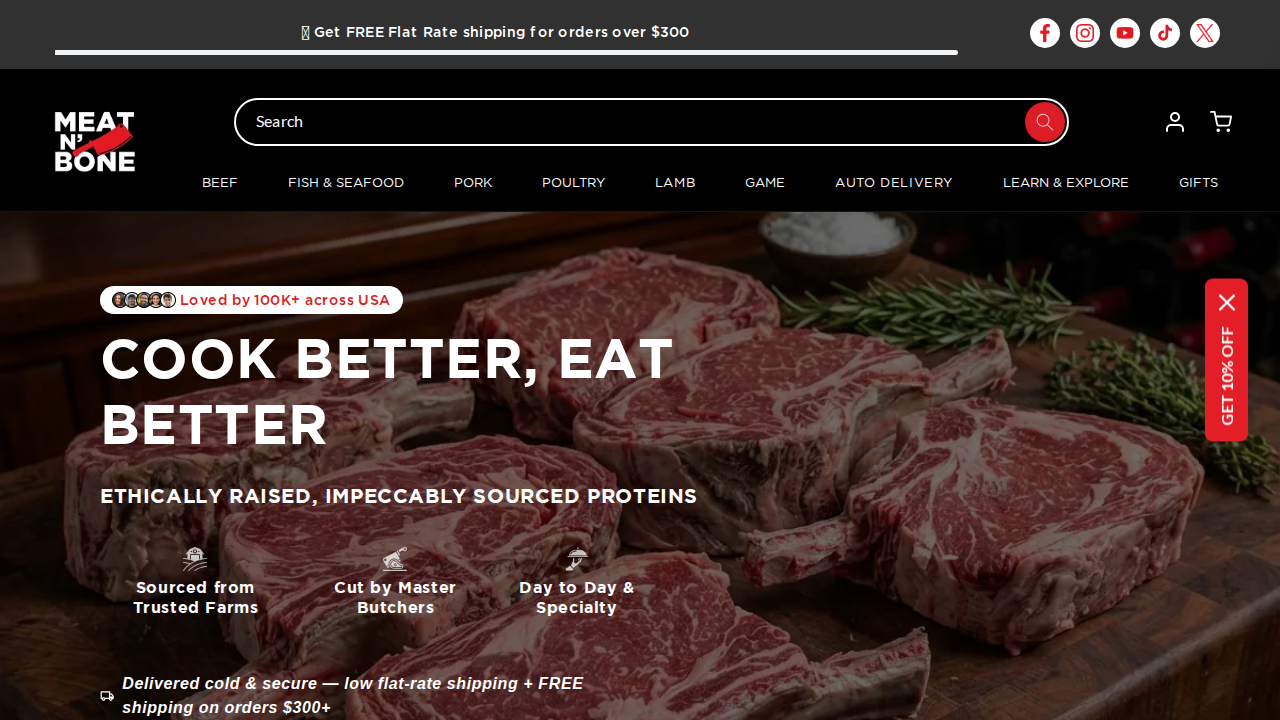
On 02/23/26 meatnbone.com scored 35% — **Weak** – Overall, the site feels discoverable, but there are several gaps that make it harder for AI systems to confidently understand and verify the brand.
Executive summary
Score Breakdown (High Level)
- Discoverability: 92% - This section looks mostly solid, but we didn't see an image or video sitemap to support the site's rich visual content.
- Structured Data: 58% - The homepage schema is mostly solid and clearly defines the brand, but we weren't able to evaluate any blog or resource-level markup because that data wasn't available.
- AI Readiness: 33% - The site is open to AI crawlers and has a sitemap, but it lacks structural metadata and clear brand context links.
- Performance: 0% - We weren't able to confirm the site's mobile performance metrics because the data check timed out, leaving us without clear visibility into load speeds or stability.
- Reputation: 58% - While the brand has strong recognition and press coverage, we found conflicting business address information and some negative feedback in the external data that could impact trust signals.
- LLM-Ready Content: 0% - Error calculating score: LLM response is not a dictionary: [{'score': 6, 'insights_results': "- We didn't see any specific author or publication date on the page, which are standard trust signals that help AI verify content a

The big picture on AI visibility
What stands out most is that the site is generally accessible and understandable at a baseline, but several missing or unverified signals make it harder for AI systems to build confidence in the brand. A few of the gaps are straightforward visibility issues (like media discovery and freshness cues), while others are more about trust and identity consistency. The detailed breakdown below walks through each area where the evaluation flagged something missing, unclear, or not confirmable. None of this is unusual, but it does explain why the overall AI presence may feel less consistent than it should.
Detailed Report
Discoverability
❌ Image or video discovery support missing
What we saw
We didn’t detect dedicated support for helping engines find and understand image or video content at scale. This is a notable gap for a site that leans on high-quality visuals.
Why this matters for AI SEO
Generative engines often rely on strong, consistent discovery signals to connect media to products and pages. When those signals are missing, rich media can be under-recognized or inconsistently attributed.
Next step
Add a clear, maintainable way for search engines to discover your key images and videos across the site.
Structured Data
❌ Resource/blog page structured data couldn’t be evaluated
What we saw
We weren’t able to review a resource or blog page, because the page HTML wasn’t provided for evaluation. As a result, content-specific markup for articles wasn’t confirmed.
Why this matters for AI SEO
When AI systems summarize or cite content, they look for consistent signals that clearly define what the page is and how it should be interpreted. If those signals aren’t present (or can’t be verified), content is harder to classify and trust.
Next step
Provide a representative resource/blog URL for review and ensure article-level pages include clear content-identifying markup.
❌ Author clarity on resource/blog content wasn’t confirmed
What we saw
Because the resource/blog page HTML wasn’t available, we couldn’t confirm whether posts have a clear, non-generic author. This left authorship signals unevaluated.
Why this matters for AI SEO
Clear authorship helps AI engines judge credibility and attach content to real entities. When authorship isn’t visible or verifiable, content is more likely to be treated as anonymous or lower-confidence.
Next step
Make sure resource/blog posts consistently show a real author name that can be validated.
❌ Author identity links weren’t confirmed
What we saw
We couldn’t evaluate whether author information includes confirming identity links, because no author schema could be reviewed without a resource/blog page.
Why this matters for AI SEO
Identity links help generative systems connect an author to known profiles across the web, which improves confidence in who created the content. Without that, attribution and trust signals tend to be weaker.
Next step
Ensure author information includes consistent identity references that connect the author to their official profiles.
AI Readiness
❌ Freshness signals weren’t found in the sitemap
What we saw
The sitemap was present, but it didn’t include update/freshness information for URLs. That makes it harder to tell what’s been recently updated.
Why this matters for AI SEO
AI-driven discovery benefits from clear signals about what’s current, especially for content and important pages that evolve over time. When freshness is unclear, engines may revisit or prioritize updates less effectively.
Next step
Include reliable update timestamps for sitemap URLs so recency is easier to interpret.
❌ Brand context page wasn’t detected from the homepage
What we saw
We didn’t find an About/Company/Story-style link in the homepage content. That leaves less immediate brand context for engines and users.
Why this matters for AI SEO
Generative engines try to understand “who you are” before they confidently describe or recommend a brand. When brand context is harder to locate, the brand can be summarized with less clarity and confidence.
Next step
Make sure the homepage clearly points to a dedicated page that explains the brand and company background.
❌ No Wikidata entity found for the brand
What we saw
We didn’t find a Wikidata entity associated with the brand. That means there isn’t a single, widely referenced knowledge record we could confirm.
Why this matters for AI SEO
A consistent, third-party identity record can help generative systems reconcile brand facts across sources. Without it, engines may lean more heavily on scattered references that don’t always match.
Next step
Establish (or confirm) a single authoritative brand entity record that aligns with your official identity details.
Performance
❌ Mobile performance signals couldn’t be confirmed for the homepage
What we saw
We weren’t able to retrieve the homepage’s mobile performance results due to a timeout, so key responsiveness and stability signals came back as missing. That leaves a blind spot in the evaluation.
Why this matters for AI SEO
When performance signals can’t be verified, it’s harder to confidently rule out experience-related friction that can indirectly affect visibility and engagement. It also makes it tougher to benchmark how the site presents on mobile.
Next step
Re-run a mobile performance check for the homepage so these core experience signals can be confirmed.
Reputation
❌ Negative customer sentiment was affirmed as present
What we saw
External feedback included negative assertions from customers, with order fulfillment called out in the summarized findings. This pattern was strong enough to be treated as present.
Why this matters for AI SEO
Generative engines tend to incorporate reputation signals when describing a brand, especially for purchase-driven queries. Persistent negative themes can surface in summaries and reduce confidence.
Next step
Audit the most visible offsite feedback themes tied to customer experience so your public narrative is clearer and more consistent.
❌ Negative employee sentiment was affirmed as present
What we saw
External feedback included negative assertions from employees, with workplace culture mentioned in the summarized findings. This pattern was also treated as present.
Why this matters for AI SEO
AI summaries about brands often blend product reputation with employer reputation, especially when users ask “is this company legit?” or “what’s this brand like?”. Negative themes can influence trust-oriented answers.
Next step
Review the most commonly cited workplace themes showing up publicly so brand trust signals aren’t working against you.
❌ Conflicting business address information
What we saw
We saw conflicting address information associated with the brand across summarized model responses. The addresses listed were 1090 S 600 W, Lindon, UT and 3400 NW 119th St, Miami, FL.
Why this matters for AI SEO
When key identity details conflict, generative engines can hesitate or provide inconsistent brand facts. That can show up as mismatched profiles, incorrect summaries, or reduced confidence in citations.
Next step
Standardize the brand’s official address across your most visible profiles and references so it resolves consistently.
❌ No Wikidata entity match for the brand
What we saw
A matching Wikidata entity for the brand wasn’t found. This means there wasn’t an authoritative entity record we could validate against.
Why this matters for AI SEO
Wikidata often acts as a cross-referenced identity layer in the wider knowledge ecosystem. Without a matching entity, brand details can be harder to reconcile and verify.
Next step
Create or claim a Wikidata entity that clearly represents the brand and matches its real-world identity.
❌ Missing official identity anchors in Wikidata
What we saw
Because there’s no Wikidata record in place, official identity anchors (like an official website reference) weren’t present. That leaves a gap in “source of truth” signals.
Why this matters for AI SEO
Official anchors help AI systems tie brand references back to confirmed sources. Without them, engines may lean more heavily on third-party pages that don’t always agree.
Next step
Ensure the brand’s primary identity record includes official anchors that clearly confirm the brand’s website and core details.
Does Anything Seem Off?
Thanks for taking our free GEO Grader for a spin. When we started this journey, the tool had a fairly long processing time to check everything we wanted both onsite and offsite, so we made a few adjustments on the backend to speed things up. As a result, there are times when the grader may not get everything 100% right. If something feels off, we recommend running the tool a second time to confirm the results. From there, you’re always welcome to reach out to us to schedule a GEO consultation, or to have your SEO provider validate the findings with a more detailed crawl and manual review.
