
Overview:
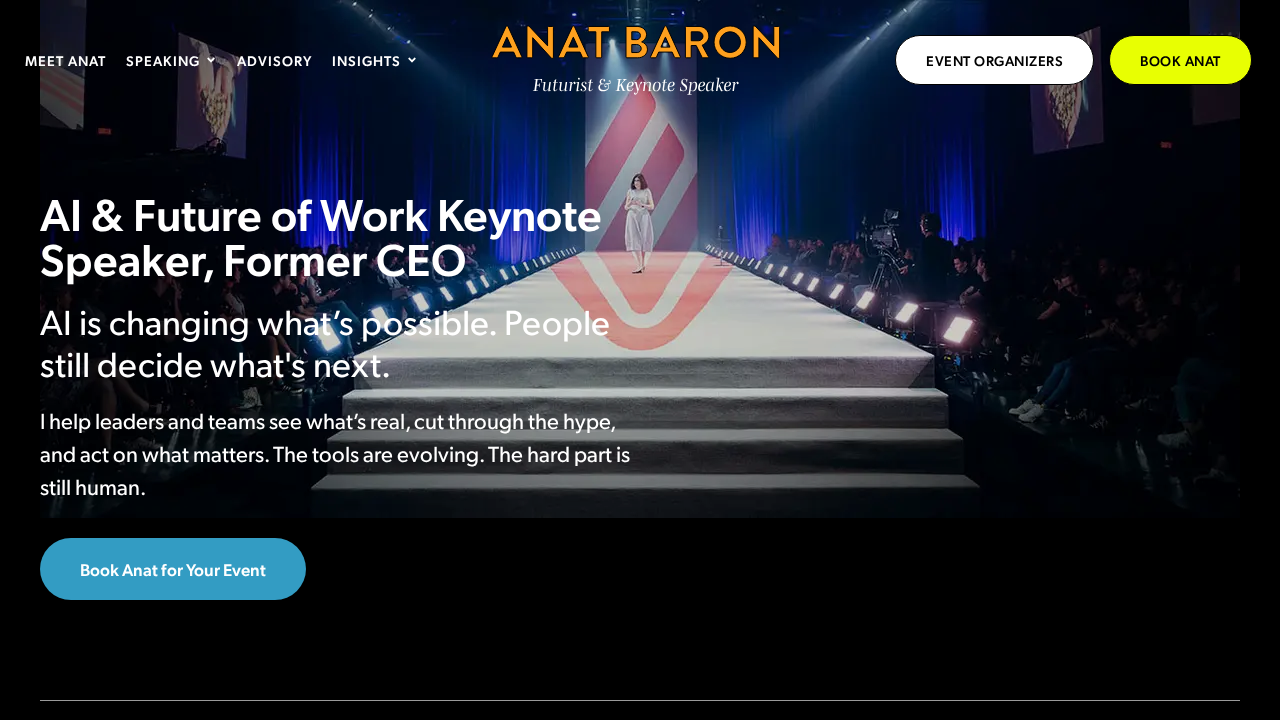
On 07/23/26 anatbaron.com/ scored 49% — **Below Average** – Overall, the site looks easy to access, but a few credibility and content-clarity gaps are holding back stronger AI visibility.
Executive summary
Score Breakdown (High Level)
- Discoverability: 92% - The site’s discovery signals are mostly excellent, with all the standard technical bases covered, though it’s currently lacking specific sitemaps for images and video.
- Structured Data: 58% - The homepage has a strong technical foundation with clear organization schema, though we weren't able to confirm author or article data without a resource page to review.
- AI Readiness: 67% - The site has a strong technical foundation for AI discovery and brand context, though it currently lacks a verified Wikidata presence to anchor its authority.
- Performance: 50% - The site is stable and responds quickly to user input, but the main visual takes too long to appear on mobile screens.
- Reputation: 12% - We found solid social media links on the homepage, but we couldn't verify other major reputation signals like Wikidata or press coverage due to missing data in the report.
- LLM-Ready Content: 48% - The page establishes strong authority through clear authorship and recent updates, though the content density and heading structure are currently optimized more for human scanning than AI extraction.

The big picture on visibility
The main takeaway is that the site has a workable foundation for AI discovery, but it’s not consistently sending strong credibility and content-clarity signals. Most of what’s missing isn’t “wrong,” it’s just harder for AI systems to confidently verify and summarize. The next section breaks down the specific areas where that clarity drops off, organized by category. None of this is unusual—these are common gaps, and they’re straightforward to map and prioritize once you can see them clearly.
Detailed Report
Discoverability
❌ Image or video sitemap not found
What we saw
We weren’t able to find a dedicated image or video sitemap in the site’s directory. That means visual content may not be getting the same “easy discovery” path as core pages.
Why this matters for AI SEO
Generative engines often pull in visual assets as supporting context, and discovery signals help them find and interpret what your media is about. When visual content is harder to discover, it’s less likely to show up in AI-driven results and summaries.
Next step
Add a dedicated image and/or video sitemap so search and AI systems can more reliably discover your visual media.
Structured Data
❌ Resource/blog page markup couldn’t be evaluated
What we saw
A resource or blog page wasn’t available in the materials we reviewed, so we couldn’t confirm the presence of structured details on an individual article page. As a result, this part of the site’s content layer couldn’t be validated.
Why this matters for AI SEO
When individual articles don’t clearly communicate “what this is” and “who wrote it,” AI systems have a harder time treating that content as reliable, attributable source material. That can limit how often your articles get pulled into answers.
Next step
Make sure a representative resource/blog post page is available to review so article-level structured details can be confirmed.
❌ Clear author attribution on a resource/blog post couldn’t be confirmed
What we saw
Because a resource/blog post page wasn’t available for evaluation, we couldn’t verify that posts have a clear, non-generic author identity. This left author attribution unconfirmed at the article level.
Why this matters for AI SEO
AI engines lean heavily on author clarity when deciding whether to trust and reuse content. If authorship isn’t consistently verifiable on articles, it can weaken perceived expertise.
Next step
Ensure each resource/blog post clearly identifies a specific author (not a generic label) in a way AI systems can reliably interpret.
❌ Author reference links couldn’t be verified
What we saw
We weren’t able to confirm whether author profiles include reference links that connect the author to consistent public identities. This wasn’t verifiable due to the missing resource/blog page.
Why this matters for AI SEO
Reference links help AI engines reconcile “this author on your site” with the same person elsewhere online. Without that connective tissue, authors can be harder to validate and trust.
Next step
Confirm that author information on articles connects to consistent public identity references so attribution is easier to verify.
AI Readiness
❌ Verified brand entity not found
What we saw
We didn’t see a Wikidata entity associated with the brand in the available evaluation details. That leaves the brand’s “verified, machine-readable identity” less anchored than it could be.
Why this matters for AI SEO
Generative engines do better when they can confidently disambiguate a brand and connect it to a stable identity. Without that anchor, your brand can be easier to confuse, harder to verify, or less likely to be cited.
Next step
Establish and confirm a Wikidata entity for the brand so AI systems have a stronger identity anchor.
Performance
❌ Main content took too long to appear
What we saw
The homepage’s Largest Contentful Paint was flagged as poor, with the main content taking about 8.3 seconds to show. This points to a noticeable “first impression” delay.
Why this matters for AI SEO
Slow initial loading can reduce how reliably content is accessed and processed, especially for systems that need to fetch and interpret pages at scale. It can also weaken user engagement signals that often correlate with stronger visibility.
Next step
Reduce the time it takes for the homepage’s main content to appear so the page is quicker to load and easier to consume.
Reputation
❌ Negative client sentiment couldn’t be confirmed
What we saw
We weren’t able to confirm whether there are any affirmed negative client assertions based on the information available in the evaluation materials. This signal came through as missing/unknown rather than clearly verified.
Why this matters for AI SEO
AI engines weigh trust heavily, and unclear reputation signals can make it harder for them to confidently present a brand as a recommended option. When this is unknown, the model may hedge or avoid citing the brand.
Next step
Compile and surface verifiable reputation signals that clarify real client experiences and make sentiment easier to validate.
❌ Negative employee sentiment couldn’t be confirmed
What we saw
We couldn’t confirm whether there are any affirmed negative employee assertions from the information provided. This reputational clarity signal was missing.
Why this matters for AI SEO
When employee sentiment is unclear, AI systems may be less confident about the brand’s credibility and stability. That uncertainty can limit how strongly the brand shows up in AI answers.
Next step
Ensure there are clear, verifiable brand signals available that help AI systems understand employer reputation.
❌ Broad brand recognition couldn’t be verified
What we saw
We weren’t able to confirm broad brand recognition across multiple AI systems using the available evaluation details. The signal needed to validate recognition wasn’t present.
Why this matters for AI SEO
If recognition is unclear, AI responses are more likely to treat the brand as niche or unverified. That can reduce mentions, citations, and inclusion in “best of” style recommendations.
Next step
Strengthen the brand’s presence in credible third-party places so recognition is easier for AI systems to validate.
❌ Brand identity consistency couldn’t be validated
What we saw
We couldn’t validate whether the brand’s identity is consistently represented across sources based on the information provided. The identity consensus details weren’t available.
Why this matters for AI SEO
AI engines rely on consistent identity signals to avoid mixing brands, people, and similarly named entities. When consistency can’t be verified, the model may be less confident and more cautious.
Next step
Make sure your brand identity is described consistently across the web so AI systems can reconcile it without ambiguity.
❌ Wikidata presence couldn’t be validated
What we saw
We didn’t have the details needed to validate a Wikidata match status or item ID for the brand in this evaluation section. As a result, the brand’s entity presence could not be confirmed here.
Why this matters for AI SEO
Entity sources help AI systems verify who a brand is and connect it to official references. Without that validation, brand authority and clarity can be weaker in generated answers.
Next step
Confirm whether the brand has a Wikidata entry and ensure it clearly maps to the official brand identity.
❌ Entity “anchor” references couldn’t be validated
What we saw
We weren’t able to confirm the presence of strong identity anchors (like official website references or connected identifiers) tied to a verified entity. The required validation details weren’t available.
Why this matters for AI SEO
Anchor references help AI engines connect the dots between your site and trusted identity sources. When those anchors are unclear, it can reduce confidence in attribution.
Next step
Make sure the brand has clear, verifiable identity anchors that point back to the official website and core profiles.
❌ Third-party reviews couldn’t be confirmed
What we saw
We couldn’t confirm the existence of third-party reviews from the information available in the evaluation materials. This left external feedback signals unverified.
Why this matters for AI SEO
Reviews are a common trust shortcut for AI systems when summarizing or recommending brands. If reviews aren’t clearly verifiable, the model has less confidence in quality signals.
Next step
Ensure credible third-party review sources exist and are easy for both people and AI systems to find.
❌ Review sources weren’t clearly established
What we saw
Even where reviews might exist, we didn’t have enough information to confirm that review sources are concrete and attributable. The detail needed to validate sources wasn’t available.
Why this matters for AI SEO
AI engines tend to trust reviews more when they come from recognizable, consistent sources. Vague or hard-to-verify review sourcing can reduce how much weight that feedback carries.
Next step
Make review sources clearly attributable so reputation signals are easier to validate.
❌ Major social profile consensus couldn’t be verified
What we saw
We weren’t able to confirm whether there’s strong consensus around the brand’s major social profiles from the available evaluation information. That left this “identity corroboration” signal unresolved.
Why this matters for AI SEO
When AI systems can’t confidently match a brand to its primary profiles, they may misattribute information or avoid citing the brand. Consensus helps the model feel sure it’s talking about the right entity.
Next step
Make sure the brand’s primary social profiles are consistently referenced and easy to corroborate across public sources.
❌ Independent press coverage couldn’t be confirmed
What we saw
We didn’t have confirmation of independent press or third-party coverage in the evaluation details. This external validation signal wasn’t verifiable.
Why this matters for AI SEO
Independent coverage is one of the clearest ways AI systems gauge legitimacy beyond your own site. Without it, the brand can appear less established or less newsworthy.
Next step
Build and surface independent coverage in credible publications so external validation is easier to confirm.
❌ Onsite press or coverage section couldn’t be confirmed
What we saw
We weren’t able to confirm the presence of an owned/onsite press or coverage area based on the evaluation information available. That makes it harder to see a curated view of coverage in one place.
Why this matters for AI SEO
Even when coverage exists elsewhere, a clear onsite hub can help AI systems (and humans) quickly understand what third parties have said about the brand. Without that, credibility signals can be more fragmented.
Next step
Create a clear, centralized place on your site that references any external coverage and credibility mentions.
LLM-Ready Content (Blog Analysis)
Heads up: this section looks at one article as a snapshot, so it’s a little more interpretive than the rest of the report and may shift slightly from run to run. Have questions? Just shoot us an email at hello@v9digital.com
❌ Sections were too thin for easy reuse
What we saw
The content was split into sections, but the average section length was around 55 words, which is much thinner than what typically works best for AI parsing and reuse. That can make each section feel more like a fragment than a complete thought.
Why this matters for AI SEO
Generative engines prefer chunks that are self-contained and information-rich, since they’re easier to quote, summarize, and stitch into answers. When sections are too short, the model can miss context or overlook the page as a strong source.
Next step
Rework section sizing so each section delivers a fuller, stand-alone point instead of a quick fragment.
❌ No table-based summary or comparison found
What we saw
We didn’t detect any HTML table in the content. That means there wasn’t an easy “structured snapshot” for quick scanning.
Why this matters for AI SEO
Tables give AI systems a clean way to extract comparisons, definitions, and lists without guessing structure. Without them, key takeaways can be harder to pull out cleanly.
Next step
Add a simple table where it naturally fits (like a summary, comparison, or quick reference).
❌ Subheadings weren’t descriptive enough
What we saw
Less than half of the subheadings closely matched the language used in the opening sentence of their sections. That makes the section labels feel less connected to what the section immediately delivers.
Why this matters for AI SEO
AI systems use headings to map the page and predict what each section contains. When headings don’t clearly align with the section’s opening idea, it can weaken how confidently the model interprets and reuses the content.
Next step
Tighten subheadings so they more clearly reflect the main point introduced at the start of each section.
❌ Key takeaways didn’t show up early enough
What we saw
Only a minority of sections opened with a substantial first paragraph, so several sections didn’t surface their main point right away. That can make the content feel slower to “get to the point.”
Why this matters for AI SEO
Generative engines often prioritize early, clear answers when deciding what to reuse in responses. If the main idea arrives late, the model may extract a weaker summary or skip the section.
Next step
Front-load each section with a clear, complete opening paragraph that states the takeaway early.
Does Anything Seem Off?
Thanks for taking our free GEO Grader for a spin. When we started this journey, the tool had a fairly long processing time to check everything we wanted both onsite and offsite, so we made a few adjustments on the backend to speed things up. As a result, there are times when the grader may not get everything 100% right. If something feels off, we recommend running the tool a second time to confirm the results. From there, you’re always welcome to reach out to us to schedule a GEO consultation, or to have your SEO provider validate the findings with a more detailed crawl and manual review.
