
Overview:
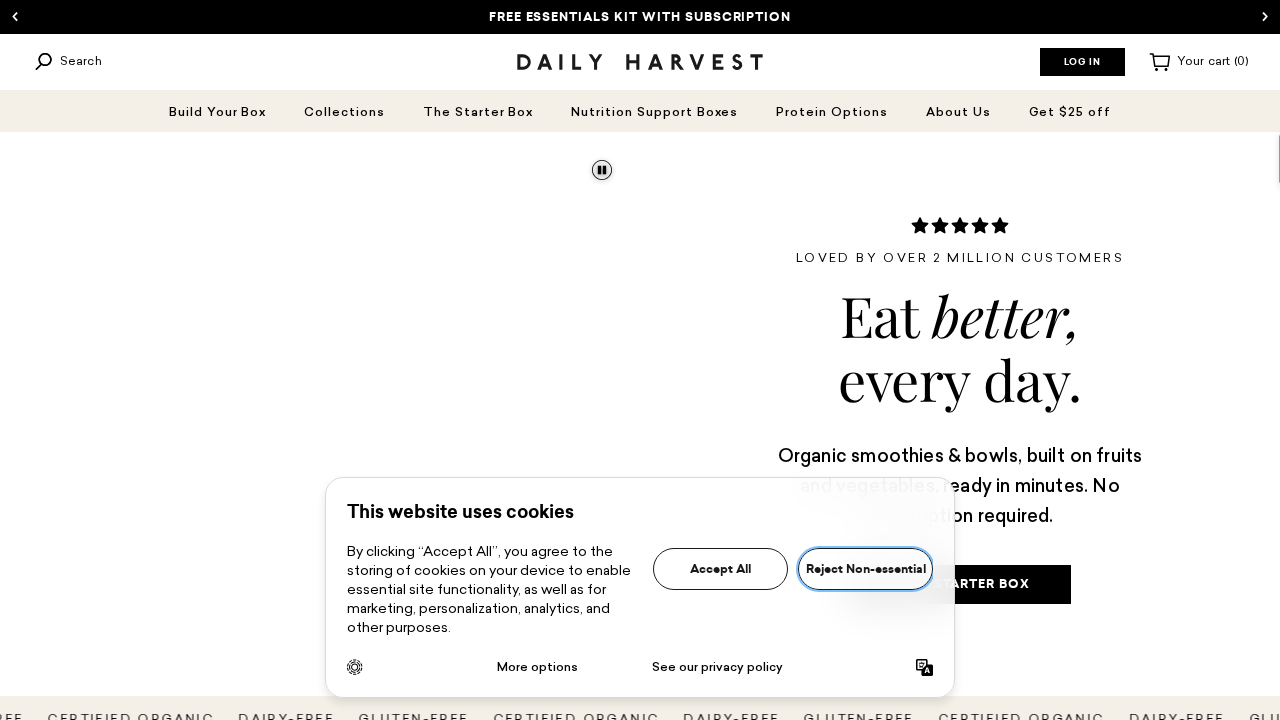
On 03/23/26 daily-harvest.com/ scored 28% — **Quite Weak** – Overall, the site has some solid fundamentals, but several visibility gaps are making it harder for AI systems to confidently understand and cite it.
Executive summary
Score Breakdown (High Level)
- Discoverability: 100% - Overall, this section looks to be in good shape, although we weren't able to find an image or video sitemap.
- Structured Data: 0% - We weren't able to find any schema markup or author details on the pages we reviewed, which leaves a significant gap in how search engines interpret the site's data.
- AI Readiness: 33% - The site is open to AI crawling and has a sitemap, but it lacks critical update metadata and clear brand context links on the homepage.
- Performance: 72% - The site avoids a failing grade by staying responsive and stable, but the loading times for the main visual content on both pages are significantly slower than they should be.
- Reputation: 0% - We weren't able to confirm most of the brand's offsite trust signals or identity anchors in the data we reviewed, which leaves a significant gap in the reputation profile.
- LLM-Ready Content: 0% - We weren't able to confirm the presence of actual article content or an author in the data provided, which is a significant barrier for GEO.

What stands out most overall
The big picture is that the site is accessible, but a lot of the signals AI systems rely on for confidence and clarity aren’t showing up consistently. Several of the gaps are less about “something being wrong” and more about missing context—who the brand is, who wrote the content, and what the content is grounded in. The next sections break down the specific areas where those signals didn’t show up, organized by category. Once you see the themes, the path to tightening things up tends to feel pretty straightforward.
Detailed Report
Discoverability
❌ No image or video sitemap found
What we saw
We didn’t find an image sitemap or a video sitemap in the provided data.
Why this matters for AI SEO
When visual content isn’t clearly organized for discovery, AI systems can have a harder time finding and reusing the most relevant assets in answers and recommendations.
Next step
Add a dedicated sitemap for images and/or video content so crawlers have a clearer path to your visual assets.
Structured Data
❌ No structured data detected on key pages
What we saw
We didn’t detect any structured data on the homepage or on the resource/blog page in the provided data.
Why this matters for AI SEO
Without structured cues, AI systems have to guess more about what the site is, what each page represents, and how the content should be interpreted.
Next step
Implement structured data on the homepage and resource/blog templates so the brand and content are described in a consistent, machine-readable way.
❌ Brand-level structured data wasn’t present
What we saw
No organization-focused structured data appeared on the homepage.
Why this matters for AI SEO
Clear brand identity signals help AI engines connect your pages to a single, consistent entity, which supports more confident attribution and referencing.
Next step
Add brand-level structured data that clearly defines the organization behind the site.
❌ Author signals weren’t present on the blog content
What we saw
We didn’t find a clear, non-generic author on the resource/blog page, and there was no author structured data or profile linking.
Why this matters for AI SEO
When authorship isn’t clear, it’s harder for generative engines to evaluate credibility and decide when to cite or summarize the content.
Next step
Add visible author attribution on articles and connect it to a consistent author profile that AI systems can recognize.
AI Readiness
❌ Sitemap freshness info wasn’t available
What we saw
The XML sitemap was present, but it didn’t include update timestamps.
Why this matters for AI SEO
Freshness cues help AI systems understand what’s current, which can influence what they choose to pull into answers.
Next step
Include update timestamps in your sitemap so page changes are easier for crawlers to interpret.
❌ No clear brand context link was detected
What we saw
We didn’t detect an internal link on the homepage that clearly points to a dedicated brand context page (like an About or Company page).
Why this matters for AI SEO
If brand context isn’t easy to find, AI engines have less grounding to understand who’s behind the site and how to describe the business accurately.
Next step
Make sure the homepage clearly links to a brand context page that explains who you are.
❌ No Wikidata entity was found for the brand
What we saw
We didn’t find a Wikidata item associated with the brand in the provided data.
Why this matters for AI SEO
Entity references can help AI systems verify identity and reduce ambiguity when summarizing or recommending a brand.
Next step
Establish a verifiable entity reference for the brand so AI systems have a more reliable identity anchor.
Performance
❌ Main content took too long to appear
What we saw
The primary content on both the homepage and the resource/blog page took longer than expected to fully show up.
Why this matters for AI SEO
When pages feel slow to load, it can limit how efficiently content gets accessed and evaluated, especially at scale.
Next step
Reduce the time it takes for the main page content to appear on both the homepage and blog/article pages.
Reputation
❌ Brand verification signals couldn’t be confirmed
What we saw
We weren’t able to confirm a consistent, third-party-verifiable brand identity in the data provided, including whether the brand is recognized broadly across AI systems.
Why this matters for AI SEO
If AI systems can’t confidently verify “who” the brand is, they’re less likely to reference it accurately or treat it as a trusted source.
Next step
Strengthen the consistency and availability of brand identity signals that independent systems can cross-check.
❌ Wikidata identity anchors weren’t present
What we saw
A matching Wikidata entry wasn’t found, and we didn’t see official identity anchors available there (like an official website reference).
Why this matters for AI SEO
Without stable identity anchors, it’s easier for AI engines to mix up brands or hesitate when attributing information.
Next step
Create or align a Wikidata presence that clearly ties back to the brand’s official identity.
❌ Reviews and third-party coverage weren’t confirmed
What we saw
We couldn’t confirm the presence of concrete third-party reviews/customer feedback or independent press/coverage in the provided data.
Why this matters for AI SEO
Independent validation helps AI systems build confidence that a brand is real, reputable, and widely referenced beyond its own website.
Next step
Make sure third-party feedback and coverage signals are clearly discoverable and attributable to the brand.
❌ Social profile signals weren’t available
What we saw
We didn’t find homepage links to major social profiles in the provided HTML snippet, and we couldn’t confirm a broader consensus on official social accounts.
Why this matters for AI SEO
Official social profiles often act as “identity connectors” that help AI systems verify that they’ve got the right brand.
Next step
Ensure your official social profiles are easy to find and clearly tied to the brand.
❌ Negative assertion checks couldn’t be validated
What we saw
We weren’t able to validate whether there are affirmed negative client or employee assertions because the required supporting data wasn’t available in the provided packet.
Why this matters for AI SEO
When reputation context can’t be confirmed either way, AI systems may have less confidence summarizing the brand’s standing.
Next step
Make sure your brand’s reputation signals (positive and negative) are represented in clear, verifiable sources online.
LLM-Ready Content (Blog Analysis)
Heads up: this section looks at one article as a snapshot, so it’s a little more interpretive than the rest of the report and may shift slightly from run to run. Have questions? Just shoot us an email at hello@v9digital.com
❌ Article content wasn’t visible in the snapshot
What we saw
The provided page data appeared to include mostly header/navigation elements, without the main article text.
Why this matters for AI SEO
If the core content isn’t clearly accessible, AI systems have far less to parse, summarize, or recommend.
Next step
Confirm the full article body is consistently available for crawlers and automated readers.
❌ Author attribution wasn’t found
What we saw
We didn’t find a non-generic author name on the article in the provided data.
Why this matters for AI SEO
Clear authorship helps AI engines evaluate trust and decide when to cite content as a credible source.
Next step
Add a clearly labeled author name to the article page and keep it consistent across posts.
❌ Publish/update date wasn’t found
What we saw
We didn’t detect a publication date or an update date in the visible content or metadata provided.
Why this matters for AI SEO
Dates help AI systems judge whether information is current, which influences what they include in generated answers.
Next step
Include a clear publish date and, when applicable, a clear “last updated” date on articles.
❌ No supporting outbound sources were detected
What we saw
We didn’t find outbound links to non-social external sources in the snippet provided.
Why this matters for AI SEO
Citations and references can help AI engines understand what claims are grounded in outside sources, which supports trust.
Next step
Where relevant, include a small number of clear outbound references to credible, non-social sources.
❌ Content structure signals were missing
What we saw
We didn’t detect section headings, descriptive subheadings, or other clear structure in the provided snapshot, which prevented deeper checks like “key answers early” and overall readability.
Why this matters for AI SEO
Well-structured content is easier for AI systems to scan, extract, and reuse accurately.
Next step
Present the article with clear sections and descriptive headings so the main ideas are easy to locate.
Does Anything Seem Off?
Thanks for taking our free GEO Grader for a spin. When we started this journey, the tool had a fairly long processing time to check everything we wanted both onsite and offsite, so we made a few adjustments on the backend to speed things up. As a result, there are times when the grader may not get everything 100% right. If something feels off, we recommend running the tool a second time to confirm the results. From there, you’re always welcome to reach out to us to schedule a GEO consultation, or to have your SEO provider validate the findings with a more detailed crawl and manual review.
