
Overview:
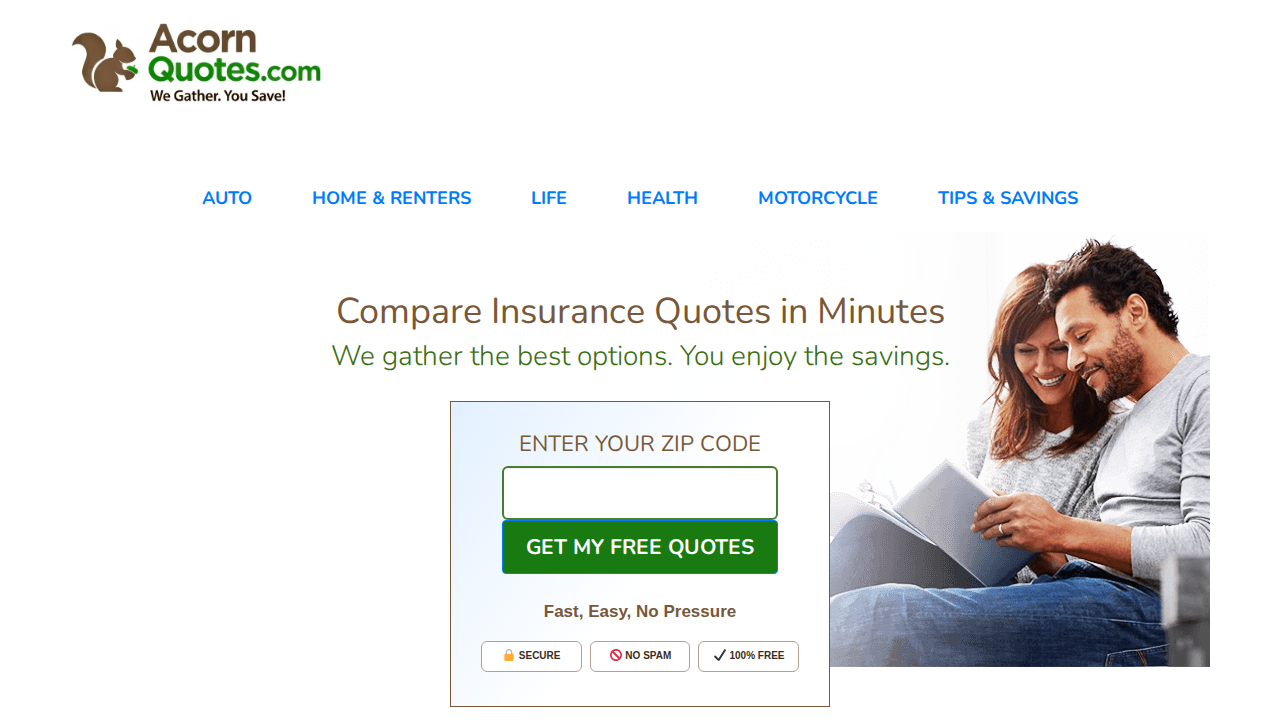
On 04/24/26 Acornquotes.com/ scored 59% — **Fair** – Overall, the site has a solid baseline for AI visibility, but a few key brand and content details come through as a bit vague.
Executive summary
Score Breakdown (High Level)
- Discoverability: 100% - The site's discoverability is generally solid with no major technical blockers, though adding a visual sitemap would help round things out.
- Structured Data: 75% - The site has a very solid technical foundation with detailed organizational and insurance-specific schema, though it lacks individual author identification on its blog posts.
- AI Readiness: 67% - The site is technically ready for AI crawlers with open access and valid sitemaps, but it lacks a Wikidata entry to anchor its brand identity.
- Performance: 100% - Mobile performance is looking solid across the board, with both the homepage and blog pages staying well within the "not poor" range for speed and stability.
- Reputation: 12% - The reputation section is a major bottleneck right now because most of the key trust signals, including third-party reviews and identity consensus, were missing from the data we analyzed.
- LLM-Ready Content: 44% - The content is remarkably fresh and well-organized with descriptive headings, though it lacks named authors and the detailed section depth that helps AI systems verify expertise.

What stands out most overall
The big picture is that the site is in a workable place for AI visibility, but several signals around reputation and “who’s behind the content” aren’t coming through clearly. Most of the gaps read less like errors and more like missing context that makes it harder to confidently understand and validate the brand and its advice. The next section breaks down the specific areas where those details weren’t found, organized by category. None of this is unusual—it’s the kind of cleanup that can meaningfully improve how the site is interpreted.
Detailed Report
Discoverability
❌ Image or video sitemap not found
What we saw
We didn’t find an image sitemap or a video sitemap referenced for the site. That means visual assets don’t have a dedicated way of being surfaced alongside the rest of your pages.
Why this matters for AI SEO
Generative engines often pull in and summarize pages with supporting visuals, and clearer visibility into visual assets can make it easier for systems to understand and surface that content. When this is missing, your visual content may be less likely to show up in relevant discovery moments.
Next step
Add an image sitemap and/or video sitemap so your visual content is easier to discover alongside your main pages.
Structured Data
❌ Blog content uses a generic author
What we saw
The blog content is credited to a generic “Editorial Team” instead of a clearly identifiable individual. That makes it harder to understand who is responsible for the guidance on the page.
Why this matters for AI SEO
AI systems lean on clear authorship to assess credibility and to connect content to real expertise. When authorship is generic, it weakens the “who said this?” signal that supports trust.
Next step
Update the blog author attribution so posts are credited to a specific person (not a team label).
❌ Author profiles lack external identity links
What we saw
We didn’t find author-specific structured information that includes external profile links (like verified social or professional profiles). As a result, the author identity is harder to corroborate.
Why this matters for AI SEO
External identity references help generative engines connect an author to consistent, real-world profiles. Without that, it’s harder for systems to confidently treat the author as a distinct, credible entity.
Next step
Add author-level structured details that reference the author’s official external profiles where appropriate.
AI Readiness
❌ No Wikidata entity found for the brand
What we saw
We didn’t see a Wikidata item associated with the brand. In practice, that means there isn’t a clear, widely-used knowledge base reference point tying the brand to a single canonical identity.
Why this matters for AI SEO
Generative engines often rely on established entity references to disambiguate brands and anchor trust. When that anchor is missing, brand context can be harder to validate across the wider web.
Next step
Create and connect a Wikidata entry for the brand so AI systems have a stronger identity anchor.
Reputation
❌ Negative client sentiment could not be verified
What we saw
We couldn’t confirm a clear summary signal indicating whether there are affirmed negative client assertions about the brand. That information wasn’t available in the report details.
Why this matters for AI SEO
When sentiment signals are unclear, AI systems have less to work with when assessing overall brand reliability. That uncertainty can limit how confidently a brand is referenced.
Next step
Compile and surface clear, verifiable indicators of customer sentiment in the places your audience (and AI systems) typically look.
❌ Negative employee sentiment could not be verified
What we saw
We couldn’t confirm a clear summary signal indicating whether there are affirmed negative employee assertions about the brand. That information wasn’t available in the report details.
Why this matters for AI SEO
Employee sentiment is one of the external signals that can shape brand trust narratives. If it can’t be verified either way, it’s harder for AI to form a grounded view of brand reputation.
Next step
Ensure there are clear, checkable reputation signals that reflect how the brand is viewed publicly.
❌ Brand recognition by multiple AI models could not be confirmed
What we saw
We couldn’t verify whether the brand is consistently recognized across multiple AI systems because the relevant recognition details weren’t available in the report.
Why this matters for AI SEO
If recognition is inconsistent or unconfirmed, generative engines may be less likely to reference the brand confidently or may mix it up with similarly named entities.
Next step
Strengthen and centralize the brand’s public identity signals so recognition is easier to validate.
❌ Brand identity consistency could not be verified
What we saw
We weren’t able to confirm whether the brand’s identity is consistent across sources because consensus/conflict information wasn’t present in the report details.
Why this matters for AI SEO
AI systems look for consistent “same brand” signals across the web to reduce ambiguity. When identity consistency can’t be confirmed, trust and entity matching can become weaker.
Next step
Align and confirm the brand’s core identity details across major public profiles and directories.
❌ Wikidata match status not confirmed
What we saw
We didn’t find a confirmed Wikidata match status for the brand in the report details. That leaves entity validation incomplete from a reputation standpoint.
Why this matters for AI SEO
A validated entity match helps generative engines connect the dots between your site and the broader set of references about your brand. Without it, reputation signals can feel less anchored.
Next step
Establish a confirmed Wikidata entity match for the brand and ensure it clearly references the official identity.
❌ Official identity anchors in Wikidata not confirmed
What we saw
We couldn’t confirm that Wikidata includes official identity anchors (like official website references) for the brand because those details weren’t available in the report.
Why this matters for AI SEO
Official anchors help AI systems treat an entity as verified and connected to the right web properties. Missing or unconfirmed anchors can weaken reputation clarity.
Next step
Make sure the brand’s entity references include clear official anchors that point back to the correct web presence.
❌ Third-party reviews not confirmed
What we saw
We couldn’t verify that third-party reviews exist for the brand because the review existence information wasn’t available in the report.
Why this matters for AI SEO
Independent reviews are a common credibility signal that generative engines may use to assess trustworthiness. If reviews can’t be confirmed, that trust layer is harder to establish.
Next step
Ensure your brand has verifiable third-party review coverage on reputable platforms.
❌ Concrete review sources not confirmed
What we saw
We couldn’t confirm specific, concrete review sources tied to the brand because the review source details weren’t present in the report.
Why this matters for AI SEO
AI systems tend to trust specific, named sources more than vague reputation claims. Without identifiable review sources, trust signals can appear thin or hard to validate.
Next step
List and maintain consistent review profiles on recognizable third-party platforms.
❌ Social profile consensus could not be verified
What we saw
We couldn’t confirm whether AI systems agree on the brand’s official social profiles because the social profile consensus details weren’t available in the report.
Why this matters for AI SEO
When social profiles are clearly understood as “official,” they help corroborate brand identity. If that consensus is missing or unconfirmed, brand references can become less reliable.
Next step
Standardize the brand’s official social profiles so they’re consistently recognized as the same entity.
❌ Independent press coverage not confirmed
What we saw
We couldn’t verify independent press or third-party coverage of the brand because that information wasn’t available in the report details.
Why this matters for AI SEO
Independent coverage can act as a strong external validation signal for AI systems. When it’s missing or can’t be confirmed, reputation signals tend to rely more heavily on owned channels.
Next step
Build and document credible third-party coverage that can be independently referenced.
❌ Owned press or press releases not confirmed
What we saw
We couldn’t verify whether the brand has owned press or press releases because those details weren’t available in the report.
Why this matters for AI SEO
While owned coverage isn’t the same as independent validation, it still helps AI systems understand brand milestones and claims in an attributable way. Without it, the brand story can feel harder to piece together.
Next step
Create and centralize attributable brand announcements so they’re easy to reference and confirm.
LLM-Ready Content (Blog Analysis)
Heads up: this section looks at one article as a snapshot, so it’s a little more interpretive than the rest of the report and may shift slightly from run to run. Have questions? Just shoot us an email at hello@v9digital.com
❌ Generic author byline on the article
What we saw
The article is attributed to “AcornQuotes.com Editorial Team,” which is a generic label rather than a specific person. That leaves the content without a clear individual owner.
Why this matters for AI SEO
Generative engines prefer content that’s clearly tied to an accountable author, especially for advice-oriented topics. When authorship is vague, it can reduce perceived credibility and reusability.
Next step
Update the article to show a real author name with a consistent author bio.
❌ No non-social outbound citations
What we saw
We didn’t find outbound links to non-social, third-party sources within the article. The content reads as self-contained without clear supporting references.
Why this matters for AI SEO
Citations help AI systems understand what claims are grounded in external sources versus purely editorial opinion. When references are missing, the page can be harder to trust for factual lookups.
Next step
Add a small number of relevant third-party citations that back up key claims or definitions.
❌ Sections are too short for strong AI “chunking”
What we saw
The text blocks between subheadings are currently quite short, averaging around brief excerpts rather than fully developed sections. That can make each section feel a little thin on context.
Why this matters for AI SEO
AI systems work best when each section contains enough self-contained detail to stand on its own. When sections are very short, it’s harder for models to extract complete answers confidently.
Next step
Expand each section so the body text under a subheading provides enough context to fully answer that subtopic.
❌ No tables found in the article
What we saw
We didn’t find any tables in the article content. The information is presented only in paragraph form.
Why this matters for AI SEO
Structured formats like tables can make key comparisons and definitions easier for AI systems to extract and reuse accurately. Without them, important distinctions may be less scannable.
Next step
Add a simple table where it naturally helps summarize comparisons, costs, or coverage differences.
❌ Key answers don’t appear early in sections
What we saw
The first paragraph under each section header appears to be a short date line rather than an immediate summary. That means the section doesn’t open with a clear “answer-first” statement.
Why this matters for AI SEO
Generative engines often prioritize early, dense summaries when extracting quick answers. If the first lines don’t carry meaning, the system has to work harder to find the main point.
Next step
Make sure each section opens with a short, plain-English answer or summary before any supporting details.
Does Anything Seem Off?
Thanks for taking our free GEO Grader for a spin. When we started this journey, the tool had a fairly long processing time to check everything we wanted both onsite and offsite, so we made a few adjustments on the backend to speed things up. As a result, there are times when the grader may not get everything 100% right. If something feels off, we recommend running the tool a second time to confirm the results. From there, you’re always welcome to reach out to us to schedule a GEO consultation, or to have your SEO provider validate the findings with a more detailed crawl and manual review.
