
Overview:
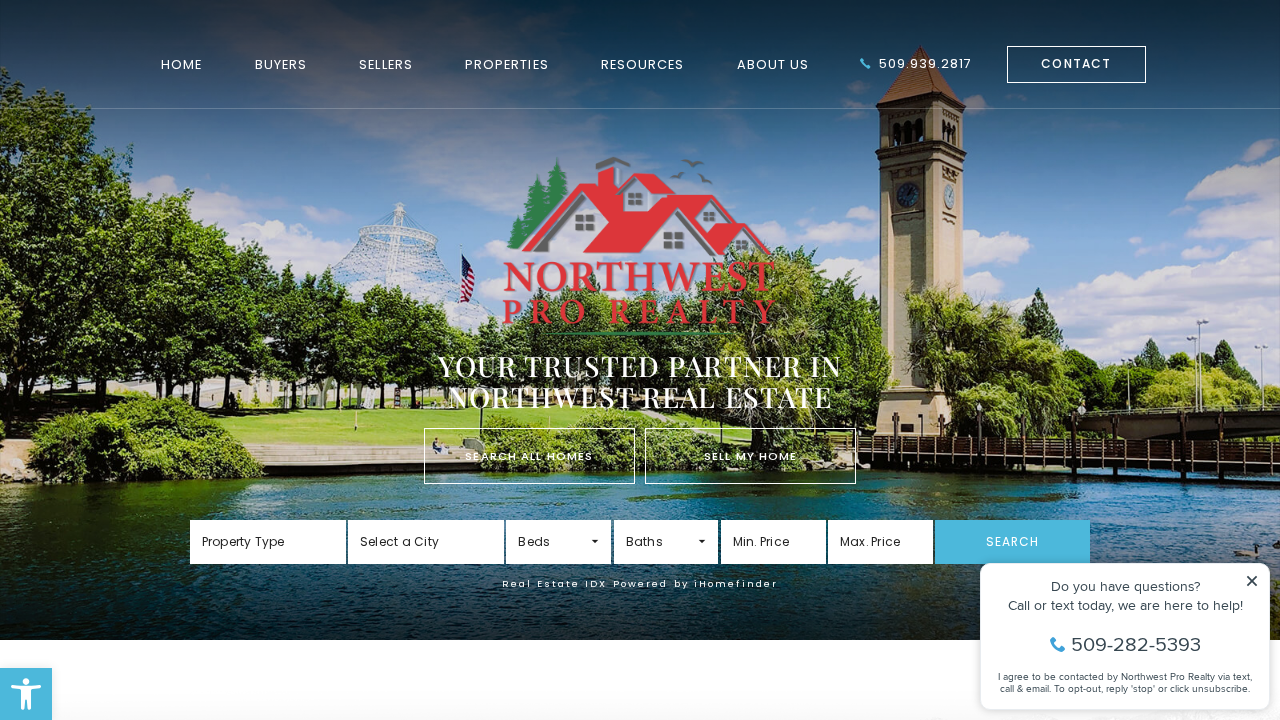
On 07/18/26 nwprorealty.com scored 64% — **Decent** – Overall, the site has a solid baseline for AI visibility, but a few clarity and identity gaps are still making it harder than it needs to be for systems to confidently understand and surface you.
Executive summary
Score Breakdown (High Level)
- Discoverability: 83% - The site's discovery signals are strong with all technical indexing basics covered, though we didn't see a media-specific sitemap for images or video.
- Structured Data: 58% - The homepage features solid, error-free organizational schema, though we weren't able to verify author or entity details on a resource page.
- AI Readiness: 67% - The site has solid technical foundations and clear brand context for AI crawlers, though it lacks a Wikidata entry to help search engines fully verify its identity.
- Performance: 50% - The site’s responsiveness and layout stability are in good shape, but the main content takes way too long to load on mobile.
- Reputation: 73% - The brand shows a solid local reputation with active social profiles and customer reviews, though it currently lacks broader authoritative signals like Wikidata or independent press mentions.
- LLM-Ready Content: 56% - The site shows great freshness and clear professional authorship, but it uses generic subheadings that don't provide much context for AI systems.

The big picture on AI visibility
What stands out most is that the site has a strong baseline, but a few missing identity signals and some content-clarity issues are limiting how confidently AI systems can interpret and repeat what you do. None of this reads like “something is wrong” so much as a handful of places where the story gets a little fuzzy or inconsistent across sources. The breakdown below walks through the specific areas that didn’t come through clearly, section by section. Overall, the gaps here are common and very workable once they’re clearly identified.
Detailed Report
Discoverability
❌ Missing image or video sitemap
What we saw
We didn’t find a dedicated way for your image or video content to be surfaced as its own set of crawlable media assets. As a result, your media can be harder to consistently pick up and classify at scale.
Why this matters for AI SEO
Generative engines often rely on clean, predictable signals to discover and understand media content tied to your brand and pages. When that media discovery layer is missing, your images and videos are less likely to be fully represented in AI-driven results.
Next step
Add a dedicated way for search engines to discover and index your key image and video assets.
Structured Data
❌ Resource/blog page markup couldn’t be verified
What we saw
A specific resource or blog page wasn’t available in the evaluation packet for this section, so we couldn’t confirm whether those pages include structured data. This leaves an unknown gap on the pages where AI systems typically look for richer context.
Why this matters for AI SEO
AI systems build confidence when they can consistently read and connect page-level details beyond the homepage. If deeper pages don’t provide clear, machine-readable context, they’re easier to misinterpret or under-cite.
Next step
Make sure your key resource/blog templates include structured data that clearly describes the page and its content.
❌ Clear, specific blog author wasn’t confirmed
What we saw
Because no resource/blog page data was available in this section’s inputs, we couldn’t confirm that posts show a specific, non-generic author. That means authorship signals may be missing or inconsistent on content pages.
Why this matters for AI SEO
When authorship is unclear, AI engines have a harder time deciding who is accountable for a piece of content and whether it should be trusted or reused. Clear attribution helps content get understood and cited more reliably.
Next step
Ensure each resource/blog post clearly names a real author in both visible content and structured data.
❌ Author connections (sameAs) couldn’t be verified
What we saw
We weren’t able to verify whether author-level structured data includes consistent external profile references. Without those connections, author identity can look “floating” instead of anchored.
Why this matters for AI SEO
Generative engines rely on identity matching across sources to reduce ambiguity. Strong author connections make it easier for systems to associate content with the right person and context.
Next step
Add consistent external profile references for authors so AI systems can reconcile identity across the web.
AI Readiness
❌ No Wikidata entity found for the brand
What we saw
We didn’t find a Wikidata entity associated with the brand in the provided results. That removes one of the most commonly referenced public “identity anchors” AI systems use.
Why this matters for AI SEO
When a brand has fewer authoritative identity references, AI tools may be less consistent in how they describe or verify the business. That can reduce confidence in brand-level answers and citations.
Next step
Create and/or connect a clear public entity reference for the brand so it’s easier for AI systems to verify identity.
Performance
❌ Main content appears too slowly on mobile
What we saw
The homepage’s primary content takes a long time to fully appear on mobile based on the results provided. That can make the page feel sluggish even if parts of it respond quickly.
Why this matters for AI SEO
Slow delivery of the main content can limit how reliably systems (and users) can access and interpret what the page is about. When the core content is delayed, it can reduce overall confidence and engagement signals around the page.
Next step
Improve how quickly the homepage’s primary content loads on mobile so the main message is available earlier.
Reputation
❌ Brand identity signals are inconsistent across sources
What we saw
The results show conflicts in how different AI models identify the brand’s official name and physical location. That kind of mismatch makes it harder to pin down a single, definitive brand profile.
Why this matters for AI SEO
Generative engines prioritize entities they can resolve cleanly and consistently. When identity details vary, systems are more likely to hedge, merge details incorrectly, or avoid mentioning the brand altogether.
Next step
Align the brand’s core identity details across your major public profiles and references so they match consistently.
❌ No Wikidata presence found
What we saw
No Wikidata entity showed up for the brand in the reputation results. That’s a missing high-authority reference point for entity verification.
Why this matters for AI SEO
Without strong entity anchors, AI systems may struggle to confidently connect reviews, profiles, locations, and brand mentions into one consistent “who is this?” answer. That can lead to confusion in AI summaries.
Next step
Establish a clear entity reference for the brand that AI systems commonly use for identity resolution.
LLM-Ready Content (Blog Analysis)
Heads up: this section looks at one article as a snapshot, so it’s a little more interpretive than the rest of the report and may shift slightly from run to run. Have questions? Just shoot us an email at hello@v9digital.com
❌ Content isn’t consistently broken into reusable sections
What we saw
Some sections are very long, while others are so brief they read more like fragments than full ideas. That uneven structure makes it harder to quickly understand what each block is trying to cover.
Why this matters for AI SEO
AI systems tend to extract and reuse content more accurately when it’s organized into clear, self-contained chunks. When sections are too long or too thin, key details are easier to miss or misquote.
Next step
Reshape sections so each one covers a single topic with a consistent, easy-to-scan length.
❌ No table-based information found
What we saw
We didn’t see any table-formatted content in the evaluated page. That means there’s less structured “at-a-glance” information available for quick reuse.
Why this matters for AI SEO
Tables often make comparisons, definitions, and quick facts easier for AI systems to lift cleanly and accurately. Without them, the same information may only exist in long-form paragraphs, which can be harder to extract.
Next step
Add at least one table where it naturally fits, such as a comparison, checklist, or quick-reference summary.
❌ Subheadings are too generic to signal topic
What we saw
Many subheadings use internal labels rather than plain-language topic descriptions. As written, the headers don’t clearly preview what the section is about.
Why this matters for AI SEO
Clear, descriptive headings help AI systems map sections to specific questions and intents. When headings are vague, the content can be harder to classify and less likely to show up in targeted AI answers.
Next step
Rewrite generic section labels into descriptive headings that match the topic and language used in the section text.
Does Anything Seem Off?
Thanks for taking our free GEO Grader for a spin. When we started this journey, the tool had a fairly long processing time to check everything we wanted both onsite and offsite, so we made a few adjustments on the backend to speed things up. As a result, there are times when the grader may not get everything 100% right. If something feels off, we recommend running the tool a second time to confirm the results. From there, you’re always welcome to reach out to us to schedule a GEO consultation, or to have your SEO provider validate the findings with a more detailed crawl and manual review.
