
Overview:
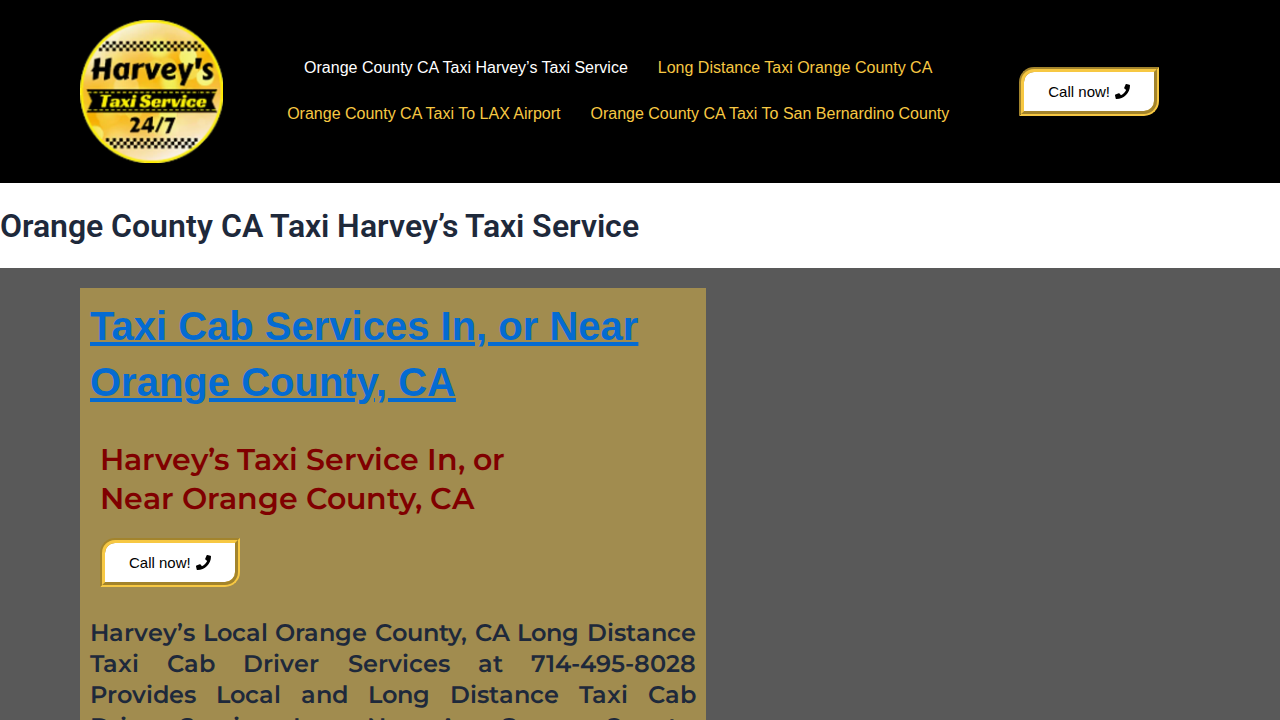
On 10/11/26 orangecountycataxi.com scored 61% — **Decent** – Overall, the site is in a workable place for AI visibility, but it’s missing some key clarity and credibility signals that help engines describe you confidently.
Executive summary
Score Breakdown (High Level)
- Discoverability: 100% - The site is technically accessible and easy for bots to crawl, but missing image alt text and specialized sitemaps are the main things holding this section back from a perfect score.
- Structured Data: 75% - The site has a very strong technical foundation with valid schema markup, though the content would benefit from more identifiable and verified author profiles.
- AI Readiness: 50% - The site has a strong technical foundation with accessible sitemaps and open crawling, but it lacks key brand identity markers like an About page or a Wikidata entity.
- Performance: 100% - The site’s mobile performance is excellent, with perfect Lighthouse scores and load times that are well within the optimal range.
- Reputation: 50% - The brand is recognized and has a clean reputation, but identity conflicts and a lack of social or press signals are creating a significant gap in authority.
- LLM-Ready Content: 28% - The site is technically current and indexed, but the content structure is too fragmentary and lacks the descriptive depth needed for high-quality AI reuse.

What stands out most overall
The big picture is that the site is easy to access and performs smoothly, but some of the signals that help AI confidently explain “who you are” and “why you’re credible” are coming through as thin or inconsistent. Most of the gaps are more about clarity and verification than anything being fundamentally wrong. The sections below walk through the specific areas where the report couldn’t find enough detail—especially around brand identity consistency, author attribution, and content structure. Once you see the patterns in the breakdown, it should feel pretty straightforward to prioritize what matters most.
Detailed Report
Discoverability
❌ Images missing descriptive alt text
What we saw
Images were found on the homepage, but they didn’t include descriptive alt text. That leaves important visual context unlabeled.
Why this matters for AI SEO
Generative engines lean on clear page signals to understand what a business offers, and images can carry a lot of meaning when they’re described. When that context is missing, it’s harder for systems to confidently interpret and reuse what’s on the page.
Next step
Add short, descriptive alt text to key homepage images so their meaning is clear without relying on visuals.
❌ No image or video sitemap found
What we saw
A standard sitemap was present, but we didn’t see a specialized sitemap for image or video content. So those assets don’t have a dedicated discovery path.
Why this matters for AI SEO
When media content is easier to find and interpret, it’s more likely to be understood as part of your offering and included in AI-driven summaries. Without that extra clarity, media can be underrepresented in how the site is understood.
Next step
Create and publish a dedicated image and/or video sitemap if media is an important part of your site experience.
Structured Data
❌ Generic author identity on the resource page
What we saw
The author on the resource page was shown as an email address rather than a real person’s name or a business entity. That reads as generic and doesn’t clearly communicate who’s behind the content.
Why this matters for AI SEO
AI systems tend to trust and reuse content more when authorship is clearly attributed to a recognizable person or organization. Generic author signals can make content feel less verifiable.
Next step
Update the author attribution so it reflects a clear, non-generic person or brand author name.
❌ Author profile lacks external verification links
What we saw
The author’s “sameAs” links pointed back to the site itself instead of linking out to external profiles. That removes an easy way to validate the author outside your own domain.
Why this matters for AI SEO
External reference points help generative engines connect an author or brand to a broader, consistent identity on the web. Without that, it’s harder to build confidence in who’s publishing the content.
Next step
Add external “sameAs” links that point to the author’s real-world profiles (or the business’s authoritative profiles when appropriate).
AI Readiness
❌ Brand context page not discoverable from the homepage
What we saw
We didn’t detect an internal homepage link to an “About,” “Company,” or similar brand context page. That makes brand background harder to find quickly.
Why this matters for AI SEO
Generative engines do better when they can quickly confirm who the business is and what it represents. When that context isn’t clearly accessible, summaries can become vague or inconsistent.
Next step
Add a clear internal link from the homepage to a page that explains the business and who’s behind it.
❌ No Wikidata entity found for the brand
What we saw
No Wikidata item was detected for the brand. That means there isn’t a strong, standardized entity reference point in that ecosystem.
Why this matters for AI SEO
Entity-based understanding is a big part of how generative engines connect names, businesses, and attributes across sources. Without an entity record, it’s easier for identity signals to stay fragmented.
Next step
Create or claim a Wikidata entity for the business so it has a consistent reference point.
Reputation
❌ Brand identity is inconsistent across sources
What we saw
Different models surfaced conflicting versions of the brand name, and offsite address details were largely missing. That creates a muddled identity footprint.
Why this matters for AI SEO
When the brand name and core identity details don’t resolve cleanly, AI-generated answers are more likely to be inconsistent or hesitant. Consistency is what helps engines “lock in” who you are.
Next step
Standardize how the official brand name and core business identity details appear across your major web profiles.
❌ No matching Wikidata entity for the business
What we saw
The evaluation didn’t find a Wikidata record that matches this business. As a result, there’s no shared public entity record to anchor identity.
Why this matters for AI SEO
A missing entity record increases the chance that different systems interpret your business differently. That can limit how confidently AI can cite or describe you.
Next step
Get a Wikidata entry in place that matches the business name and details consistently.
❌ No official identity anchors connected via Wikidata
What we saw
Because a matching Wikidata entity wasn’t found, there were also no official anchors like an official website or external identifiers connected through it.
Why this matters for AI SEO
Official anchors help generative engines connect “this business” to “these verified places” across the web. Without them, trust and consistency signals are weaker.
Next step
Ensure the brand’s official web presence can be anchored to a consistent entity record with authoritative identifiers.
❌ No agreed-upon official social profiles
What we saw
Models were unable to find or agree on any official social media profiles for the business. That suggests the brand doesn’t have clear, confirmable social identity points.
Why this matters for AI SEO
Official profiles act like real-world “receipts” that help AI connect a brand to a consistent public identity. When those are missing or unclear, trust signals are thinner.
Next step
Establish and clearly identify official social profiles so they’re consistently recognized as belonging to the business.
❌ Homepage does not link to major social profiles
What we saw
The homepage HTML didn’t include links to common social platforms (like Facebook, LinkedIn, or X). That removes an easy onsite-to-offsite connection.
Why this matters for AI SEO
When a site directly connects to its official profiles, it helps engines confirm they’ve found the right accounts. Without that, the brand’s offsite identity is easier to miss.
Next step
Add clear homepage links to any official social profiles you want associated with the brand.
❌ No independent press or editorial coverage detected
What we saw
No third-party press mentions or editorial coverage were found in the data. That suggests there aren’t many independent citations to reference.
Why this matters for AI SEO
Independent coverage helps establish credibility beyond your own site and profiles. Without it, AI systems have fewer outside sources to corroborate who you are.
Next step
Build a small footprint of independent third-party mentions that clearly reference the business.
❌ No onsite press releases or newsroom content detected
What we saw
The evaluation didn’t identify any owned press releases or a newsroom-style area on the site. That limits self-published reference points for announcements and updates.
Why this matters for AI SEO
Owned coverage can give AI systems clean, citable statements about changes, milestones, and official positioning. When it’s missing, there’s less “official narrative” to pull from.
Next step
Create a dedicated place on the site for official updates so the brand narrative is easy to reference.
LLM-Ready Content (Blog Analysis)
Heads up: this section looks at one article as a snapshot, so it’s a little more interpretive than the rest of the report and may shift slightly from run to run. Have questions? Just shoot us an email at hello@v9digital.com
❌ Author is not clearly identified
What we saw
The article’s author identity shows up as an email address instead of a real name. That makes the content feel less attributable to a specific person or brand voice.
Why this matters for AI SEO
AI systems are more likely to trust and reuse content when authorship is clearly tied to a real, consistent identity. Generic authorship can reduce confidence in the page as a reference.
Next step
Replace the generic author label with a clear author name (or a clear brand author) that readers would recognize.
❌ No non-social outbound references
What we saw
We didn’t find outbound links to external, non-social websites within the content. That leaves the article without clear third-party reference points.
Why this matters for AI SEO
Outbound references can help reinforce credibility and context by showing what information the page is building on. Without them, the content can read as more self-contained and less verifiable.
Next step
Include a small number of relevant outbound links to credible external sources that support or clarify key claims.
❌ Sections are too thin to carry meaning
What we saw
The page is broken into sections, but most sections are extremely short and don’t provide much detail. That makes it hard for a reader—or an AI system—to pull out complete, reusable answers.
Why this matters for AI SEO
Generative engines work best when content blocks contain enough substance to stand on their own. Thin sections limit how well AI can extract context, nuance, and specifics.
Next step
Expand key sections so each one provides enough detail to fully answer its own subtopic.
❌ No HTML table present
What we saw
No table was detected in the article. That means there’s no structured comparison or quick-reference block.
Why this matters for AI SEO
Structured layouts can make it easier for AI to extract clean facts and summaries. Without them, information may be harder to pick up as clear, scannable units.
Next step
Add a simple table where it naturally fits (for example, a comparison, checklist, or pricing/route overview if applicable).
❌ Subheadings are mostly generic
What we saw
Many subheadings are generic labels (like “About Us” or “Mission Statement”) instead of describing the specific point of the section. That reduces how much meaning the structure carries.
Why this matters for AI SEO
Descriptive headings help AI systems understand what each section is about without needing to infer from minimal text. Generic headings make the content harder to categorize and summarize accurately.
Next step
Rewrite section headings so they clearly describe the takeaway or question each section answers.
❌ Key answers don’t show up early in sections
What we saw
Only a small portion of sections lead with a substantive opening paragraph, so the main point often isn’t clear right away. Readers have to hunt a bit to understand what each section is trying to say.
Why this matters for AI SEO
Generative systems often prioritize content that states the answer clearly upfront. When answers are buried or slow to appear, the page becomes less “quotable” in AI responses.
Next step
Adjust section openings so the main answer or takeaway is stated clearly at the beginning of each key section.
Does Anything Seem Off?
Thanks for taking our free GEO Grader for a spin. When we started this journey, the tool had a fairly long processing time to check everything we wanted both onsite and offsite, so we made a few adjustments on the backend to speed things up. As a result, there are times when the grader may not get everything 100% right. If something feels off, we recommend running the tool a second time to confirm the results. From there, you’re always welcome to reach out to us to schedule a GEO consultation, or to have your SEO provider validate the findings with a more detailed crawl and manual review.
