
Overview:
On 04/25/26 AcornQuotes.com scored 68% — **Decent** – Overall, the fundamentals are in place, but a few identity, trust, and content clarity gaps are keeping the site from feeling as consistent as it could for AI visibility.
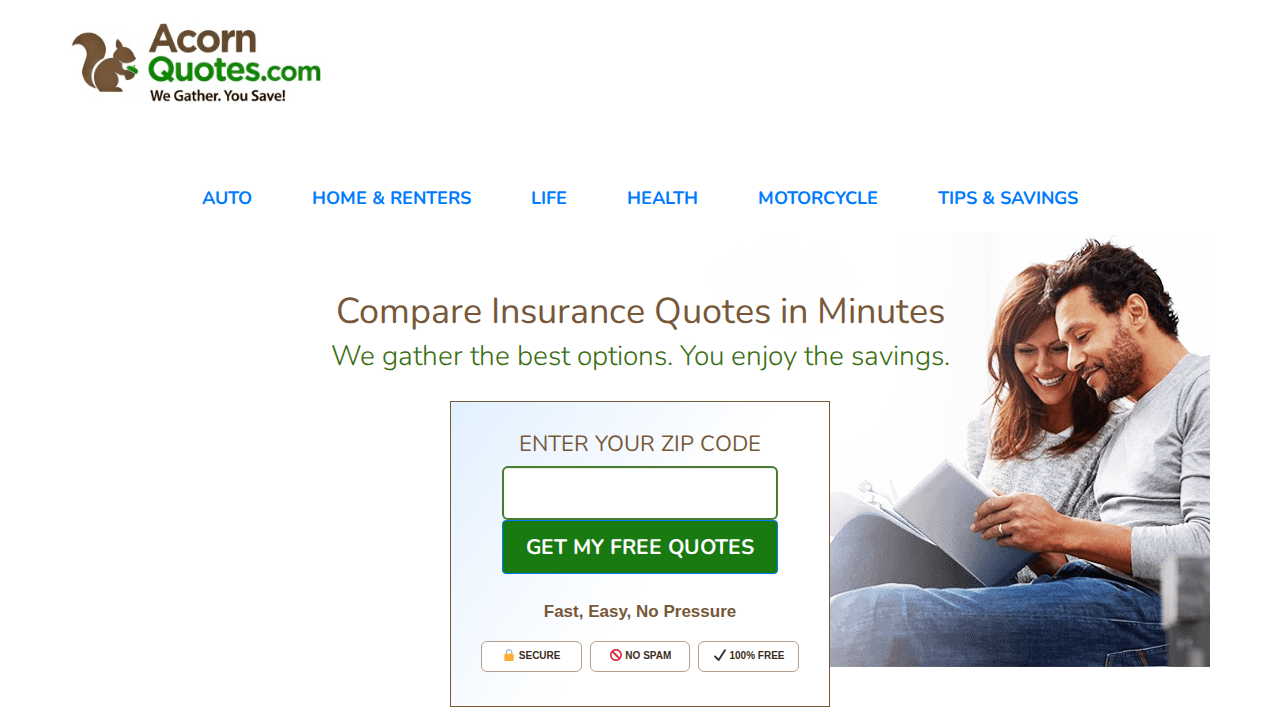
Executive summary
Score Breakdown (High Level)
- Discoverability: 100% - Everything looks solid from a technical discovery standpoint, though we didn't find any dedicated sitemaps for images or video assets.
- Structured Data: 58% - The site has a strong foundation of organization and FAQ schema, but it's currently held back by conflicting technical definitions and a lack of verified individual authorship.
- AI Readiness: 67% - The site is in great technical shape for AI discovery and crawling, though it currently lacks a Wikidata entity to formally define its brand identity.
- Performance: 83% - The site's mobile performance is generally solid, though the homepage main content loads slightly slower than the 5-second threshold.
- Reputation: 69% - The brand shows strong social and review signals, but inconsistent business address data and some negative client feedback about outreach practices are notable gaps.
- LLM-Ready Content: 44% - The blog content is timely and well-organized with descriptive headings, but it lacks depth in its individual sections and misses key authority signals like named authors and external references.

Where things stand at a glance
The big picture is that the site is generally easy to access and understand, but a few signals that support trust and clear identity are coming through inconsistently. Most of the gaps are about clarity for AI systems—who’s behind the content, what sources support it, and how consistently the brand is represented offsite. The next sections break down the specific areas where those mismatches showed up so you can see exactly what the report flagged. Overall, nothing here is unusual for a growing brand, and it’s all pretty tangible to address once it’s clearly mapped.
Detailed Report
Discoverability
❌ No image or video sitemap detected
What we saw
We didn’t find a dedicated image sitemap or video sitemap in the sitemap data. This means rich media isn’t being explicitly surfaced in the same way as standard pages.
Why this matters for AI SEO
When generative systems pull in visuals or video context, they benefit from clearer, more consistent discovery paths for those assets. Without that extra clarity, media content can be harder to reliably find and associate with the right topics.
Next step
Add a dedicated image sitemap and/or video sitemap so visual assets are easier to discover and connect to your content.
Structured Data
❌ Conflicting website entity definitions
What we saw
We found contradictory entity definitions for the WebSite on the same page, using both a “www” and a non-“www” version. That creates two competing identities for what should be a single primary website entity.
Why this matters for AI SEO
Generative engines lean on consistent identity signals to understand “who is who” and “what is official.” Conflicting definitions can weaken confidence and make it harder to consolidate brand understanding.
Next step
Standardize the WebSite entity definition so it consistently points to a single canonical version of the site.
❌ Blog author is generic
What we saw
The resource content is attributed to a generic author (“AcornQuotes.com Editorial Team”) rather than a specific person. That makes it harder to understand who is responsible for the advice.
Why this matters for AI SEO
For informational topics, AI systems look for clear authorship to help evaluate credibility and expertise. Generic bylines reduce the strength of those trust signals.
Next step
Update blog attribution so each article is tied to a real, identifiable author.
❌ Author schema lacks sameAs references
What we saw
We didn’t find author schema with sameAs links (and in places, author-related schema appears to be missing). As a result, there’s no strong structured way to connect authors to their broader web presence.
Why this matters for AI SEO
sameAs references help AI systems reconcile identity across sources, which supports better confidence in who the author is. Without them, author signals can stay isolated and harder to verify.
Next step
Add author schema that includes sameAs links to credible, matching profiles for each author.
AI Readiness
❌ No Wikidata entity found for the brand
What we saw
No Wikidata item ID was found for the brand. That leaves the brand without a clear, established entity reference in that knowledge source.
Why this matters for AI SEO
Generative engines often rely on entity-based understanding to connect brands to consistent facts and references. Missing entity anchors can limit how confidently a brand is recognized and described.
Next step
Establish a Wikidata entity for the brand so AI systems have a stronger, consistent entity reference to latch onto.
Performance
❌ Homepage main content loads a bit slowly on mobile
What we saw
The homepage’s main content took slightly longer than the “good” threshold to load on mobile (just over 5 seconds in the results). This is a small miss, but it’s noticeable because it’s on the homepage.
Why this matters for AI SEO
If key content takes longer to appear, it can reduce the consistency of how users (and some systems) experience and interpret the page. Over time, that can make it harder to reliably surface your most important messaging.
Next step
Reduce the time it takes for the homepage’s main content to fully load on mobile.
Reputation
❌ Negative client assertions identified
What we saw
We found reports describing persistent client complaints about excessive phone calls and outreach practices. These are the kinds of offsite statements that can shape brand perception.
Why this matters for AI SEO
Generative engines often summarize brand reputation from commonly repeated narratives. Negative patterns can reduce trust and influence how (or whether) a brand is recommended.
Next step
Review the reported complaint themes and ensure your public-facing brand story aligns with the customer experience people describe.
❌ Brand identity information appears inconsistent
What we saw
There’s a significant conflict across sources about the official business address (London vs. Liverpool). That inconsistency makes the brand’s “official profile” feel less stable.
Why this matters for AI SEO
AI systems prefer consistent identity signals when deciding what’s accurate and authoritative. Conflicting facts can dilute confidence and lead to messy or cautious summaries.
Next step
Align the brand’s official address information so it’s consistent wherever the business is referenced.
❌ No Wikidata presence
What we saw
No matching Wikidata entity was found for the brand in the reconciled results. This shows up as a missing authority/identity reference offsite.
Why this matters for AI SEO
Wikidata is one of the ways brands get anchored as recognized entities across the broader web ecosystem. Without it, brand authority can be harder for AI systems to corroborate.
Next step
Create and maintain a Wikidata entity that matches your brand’s official identity details.
LLM-Ready Content (Blog Analysis)
Heads up: this section looks at one article as a snapshot, so it’s a little more interpretive than the rest of the report and may shift slightly from run to run. Have questions? Just shoot us an email at hello@v9digital.com
❌ Articles use a generic author name
What we saw
The content is attributed to “AcornQuotes.com Editorial Team,” which is a generic group label. There isn’t a clear, named individual attached to the guidance.
Why this matters for AI SEO
Clear authorship helps AI systems assess credibility and decide what content is safe to reuse or quote. A generic byline weakens those signals.
Next step
Assign each resource article to a specific author name that can be consistently referenced.
❌ No non-social outbound references found
What we saw
We didn’t detect outbound links to external, authoritative sources or data within the body content. The article reads as self-contained without citations.
Why this matters for AI SEO
Outbound references can act as credibility support, helping AI systems understand where key facts come from. Without them, informational content can be harder to validate.
Next step
Add relevant outbound references to credible third-party sources where claims, definitions, or data points are discussed.
❌ Sections are too short for strong AI readability
What we saw
While the content is split into multiple sections, the average section length is around 60 words, which is below the target range used in the evaluation. The result is a more snippet-like structure than a fully developed resource.
Why this matters for AI SEO
Generative engines tend to do better when sections contain enough substance to clearly define concepts, context, and takeaways. Very short sections can limit how well the content can be understood and reused.
Next step
Expand section bodies so each section has enough depth to stand on its own.
❌ Key answers don’t appear early in sections
What we saw
The first paragraph of each section is a short date string (for example, “April 13, 2026”) rather than a meaningful opening that sets context. As a result, the sections don’t provide immediate substance up front.
Why this matters for AI SEO
AI systems often prioritize early text to understand what a section is about and whether it contains an answer. When the opening is thin, it can reduce clarity and extraction quality.
Next step
Ensure each section opens with a short, descriptive paragraph that immediately explains the section’s main point.
❌ No table-based formatting detected (bonus)
What we saw
No HTML tables were detected in the content. That means there isn’t a structured comparison-style block that can summarize details at a glance.
Why this matters for AI SEO
When content includes structured summaries, it’s often easier for AI systems to extract clean, specific facts and comparisons. Without that structure, details may be harder to pull out consistently.
Next step
Where it fits the topic, add a simple comparison or summary table to make key information easier to extract.
Does Anything Seem Off?
Thanks for taking our free GEO Grader for a spin. When we started this journey, the tool had a fairly long processing time to check everything we wanted both onsite and offsite, so we made a few adjustments on the backend to speed things up. As a result, there are times when the grader may not get everything 100% right. If something feels off, we recommend running the tool a second time to confirm the results. From there, you’re always welcome to reach out to us to schedule a GEO consultation, or to have your SEO provider validate the findings with a more detailed crawl and manual review.
