
Overview:
On 06/25/26 titanchevy.com scored 38% — **Weak** – Overall, the site is understandable in places, but a few key clarity and trust signals aren’t coming through consistently for AI.
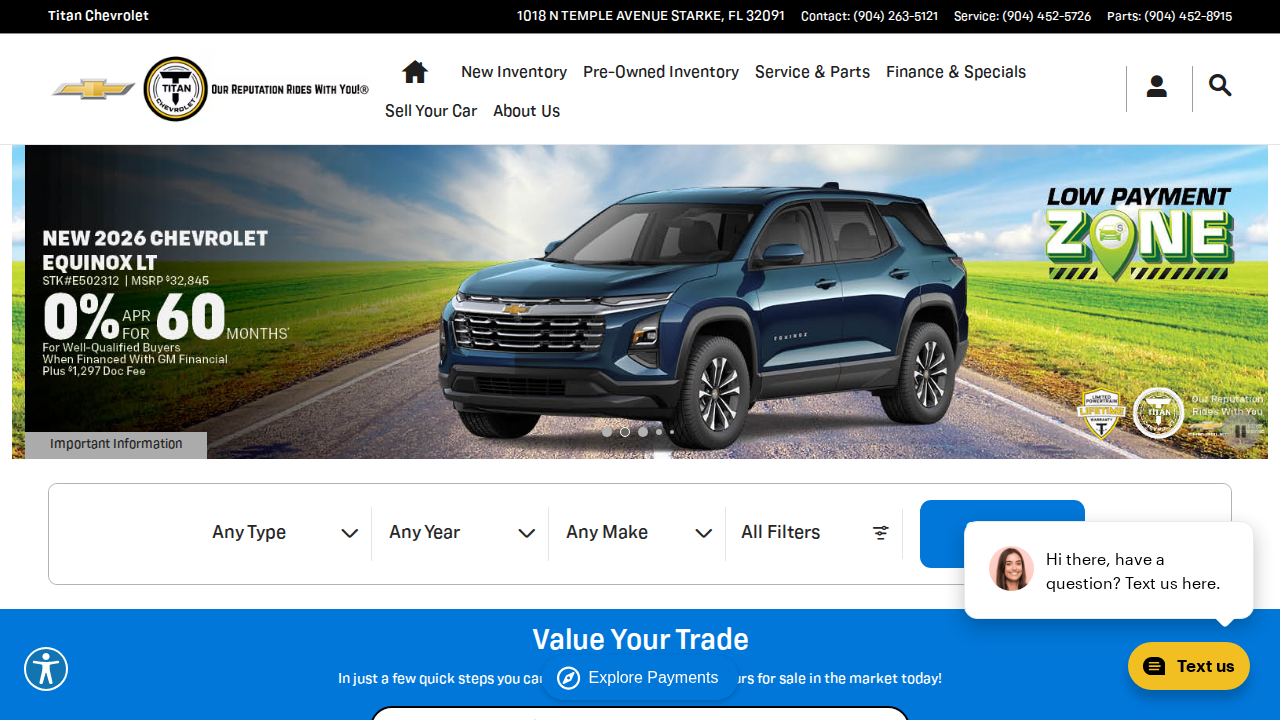
Executive summary
Score Breakdown (High Level)
- Discoverability: 100% - The site's basic access and metadata are in good shape, but the complete lack of XML sitemaps is a missed opportunity for better discoverability.
- Structured Data: 58% - The homepage has a solid foundation with valid AutoDealer schema, but we weren't able to verify any authorship or markup on the blog side since that data wasn't provided.
- AI Readiness: 33% - The site is open to AI crawlers and provides clear brand context, but the absence of an XML sitemap and a Wikidata entity creates a significant visibility gap for generative engines.
- Performance: 0% - We weren't able to get a clear picture of mobile performance because the data collection timed out.
- Reputation: 38% - The brand is widely recognized and has solid review coverage, but conflicting location data and negative sentiment from clients and employees impacted the reputation score.
- LLM-Ready Content: 28% - The page lacks time-stamps and uses a fragmented layout with sections that are too short for effective AI processing.

The big picture on AI visibility
What stands out most is that the site has some solid baseline signals, but several important cues that help AI systems confirm identity, trust, and page context are either missing or inconsistent. A lot of the gaps here are less about “errors” and more about clarity—especially around brand consistency, public sentiment, and how easily the core information can be summarized. The sections below break down the specific areas where the evaluation couldn’t confirm key signals, along with the items that came back as missing or unclear. None of this is unusual for dealerships and multi-source brands, and it’s all very workable once you see where the friction is coming from.
Detailed Report
Discoverability
❌ XML sitemap not accessible
What we saw
We didn’t find an accessible XML sitemap during the evaluation, and the sitemap request was blocked when we tried to check it.
Why this matters for AI SEO
When a sitemap isn’t available, it’s harder for search and AI-driven systems to reliably discover and prioritize the full set of pages you want understood.
Next step
Make sure the site’s XML sitemap is available and accessible to crawlers.
❌ No image or video sitemap found
What we saw
We didn’t see any dedicated sitemap coverage for image or video assets.
Why this matters for AI SEO
Without clear discovery pathways for visual assets, it’s easier for important images or videos to be missed or under-weighted in how the brand is represented.
Next step
Add dedicated sitemap support for key image and/or video assets where relevant.
Structured Data
❌ Resource/blog page structured data couldn’t be evaluated
What we saw
No resource or blog page was provided for review, so we couldn’t confirm whether that content includes structured data.
Why this matters for AI SEO
If educational content can’t be clearly interpreted and attributed, it’s harder for AI systems to confidently use it to support authority and expertise.
Next step
Provide a representative blog/resource URL so the supporting content can be evaluated consistently.
❌ Resource/blog post author not verifiable
What we saw
Because a resource/blog page wasn’t available to review, we couldn’t identify whether posts have a clear, non-generic author.
Why this matters for AI SEO
Clear authorship helps AI systems connect claims to a real entity, which can affect trust and whether content is cited or summarized.
Next step
Share a blog/resource page example so author clarity can be checked.
❌ Author profile links (SameAs) not verifiable
What we saw
We couldn’t evaluate whether author profiles include connected identity links because no resource/blog page (and therefore no author entity) was available.
Why this matters for AI SEO
When identity connections aren’t clear, AI systems have a harder time disambiguating who is behind content and which signals belong to the same entity.
Next step
Provide a resource/blog URL so author identity connections can be reviewed.
AI Readiness
❌ XML sitemap not detected for AI crawling
What we saw
A standard XML sitemap wasn’t detected during the evaluation, and attempts to access it were blocked.
Why this matters for AI SEO
AI crawlers rely on consistent discovery signals to find what’s new and what matters most, especially on sites where content changes frequently.
Next step
Ensure an XML sitemap is available and reachable for crawlers.
❌ Page update signals (last modified) couldn’t be confirmed
What we saw
We weren’t able to verify last-updated information because there wasn’t a sitemap available to review.
Why this matters for AI SEO
When update signals aren’t clear, it’s harder for AI systems to tell what’s current versus what might be outdated.
Next step
Add reliable update indicators that can be evaluated consistently.
❌ No Wikidata entity found for the brand
What we saw
We didn’t find a Wikidata entity associated with the brand.
Why this matters for AI SEO
Without a clear entity reference, AI systems have fewer trusted ways to confirm “who you are” and connect your brand to consistent identity details.
Next step
Establish a consistent brand entity reference that AI systems can recognize.
Performance
❌ Homepage responsiveness data unavailable
What we saw
We weren’t able to retrieve the homepage’s mobile responsiveness data during the evaluation.
Why this matters for AI SEO
When performance signals can’t be verified, it’s harder to assess whether the mobile experience supports consistent crawling, engagement, and trust.
Next step
Re-check the homepage with performance data available so responsiveness can be confirmed.
❌ Homepage loading experience (largest element) not measurable
What we saw
The evaluation couldn’t pull the data needed to assess the homepage’s loading experience.
Why this matters for AI SEO
If loading behavior can’t be measured, it creates uncertainty around whether users (and systems that simulate users) experience friction.
Next step
Run a fresh check when the necessary performance data is accessible.
❌ Homepage visual stability not measurable
What we saw
We couldn’t retrieve the data required to evaluate visual stability on the homepage.
Why this matters for AI SEO
Unverified stability makes it harder to understand whether the page presents information consistently for real users and AI systems reading the layout.
Next step
Re-test the homepage so stability signals can be captured and reviewed.
❌ Overall mobile performance baseline not available
What we saw
We weren’t able to obtain an overall mobile performance baseline for the homepage during this run.
Why this matters for AI SEO
Without a baseline, it’s difficult to validate whether the experience supports strong visibility and engagement signals across AI-driven discovery surfaces.
Next step
Re-run performance measurement to establish a dependable baseline for the homepage.
Reputation
❌ Negative client assertions were identified
What we saw
We saw recurring negative assertions related to service quality, including complaints about work not being performed and concerns about customers being taken advantage of.
Why this matters for AI SEO
AI systems often reflect widely available sentiment, and negative themes can shape how the brand is described or whether it’s recommended.
Next step
Document and review the recurring client complaint themes showing up in public sources.
❌ Negative employee assertions were identified
What we saw
We found negative assertions about internal operations, including claims of poor management and lack of training.
Why this matters for AI SEO
Employee sentiment can become part of a brand’s public narrative, which can influence trust and how confidently AI systems summarize the business.
Next step
Audit the main employee-facing themes appearing in public discussions so you understand what AI is likely to pick up.
❌ Brand identity information appears inconsistent
What we saw
We found a notable identity conflict, with different sources placing the dealership in either Florida or Virginia.
Why this matters for AI SEO
When identity details don’t line up across sources, AI systems can hesitate, merge entities incorrectly, or surface mixed information.
Next step
Confirm the single source-of-truth identity details you want reflected everywhere (name, address, and related brand identifiers).
❌ No matching Wikidata entity for the brand
What we saw
We did not find a Wikidata entry that matched the brand.
Why this matters for AI SEO
A missing entity reference reduces the number of trusted “anchor points” AI systems can use to verify brand identity.
Next step
Work toward establishing an accurate, matching brand entity reference.
❌ Official identity anchors weren’t present in Wikidata
What we saw
Because there wasn’t a matching Wikidata entity, we also didn’t see official identity anchors tied to one verified entry.
Why this matters for AI SEO
Without consistent anchors, it’s harder for AI systems to confidently connect your website, brand name, and external references together.
Next step
Ensure the brand has a single, verifiable identity anchor that can be referenced consistently.
❌ Social profile consensus was not clear
What we saw
We saw conflicting location-based social profile URLs, which prevented a clear consensus on the brand’s primary social profiles.
Why this matters for AI SEO
If social identities are ambiguous, AI systems have a tougher time verifying the brand and may attribute signals to the wrong entity.
Next step
Standardize the primary social profiles associated with the brand so they resolve consistently.
❌ Homepage didn’t link to major social profiles
What we saw
We didn’t find valid social media links in the homepage HTML.
Why this matters for AI SEO
Clear, direct links help AI systems connect your owned site to your official offsite identities, which supports trust and disambiguation.
Next step
Add clear homepage links to the brand’s primary social profiles.
LLM-Ready Content
❌ No publish or update date was found
What we saw
We didn’t see an explicit publish date or last updated date in the page content or metadata.
Why this matters for AI SEO
Without clear freshness cues, AI systems have a harder time judging whether offers, inventory context, or key details are current.
Next step
Add clear publish/update date information that AI systems can consistently interpret.
❌ Recency couldn’t be verified
What we saw
Because there was no explicit date, we couldn’t verify whether the page has been updated recently.
Why this matters for AI SEO
When recency is unclear, AI summaries may treat the content as less reliable for time-sensitive decisions.
Next step
Make recency verifiable by surfacing a clear “last updated” signal.
❌ Content is too fragmented for easy AI summarization
What we saw
The page is broken into many small sections, but most sections are very short and read more like blurbs than complete explanations.
Why this matters for AI SEO
LLMs generally do better when each section contains enough context to interpret meaning, prioritize what matters, and summarize accurately.
Next step
Consolidate key topics into fewer, more complete content sections that can stand on their own.
❌ No HTML table was detected
What we saw
We didn’t find any table-based formatting used to present structured information on the page.
Why this matters for AI SEO
Tables can make certain types of details easier for AI systems to extract cleanly and restate without losing precision.
Next step
Where it makes sense, present key comparable details in a simple table format.
❌ Subheadings were too generic
What we saw
Several subheadings read like broad labels and didn’t clearly map to the content that followed.
Why this matters for AI SEO
Clear, descriptive subheadings help AI systems understand topic boundaries and connect specific details to the right section.
Next step
Rewrite subheadings so they clearly describe what the section actually answers or explains.
❌ Key information doesn’t show up early in most sections
What we saw
Most sections didn’t open with a substantive first paragraph, which makes the content feel skimmable but light on immediate answers.
Why this matters for AI SEO
AI systems often prioritize early, explicit statements when deciding what a section is “about” and what to pull into summaries.
Next step
Make the first paragraph of each key section more descriptive so the main takeaway is clear right away.
Does Anything Seem Off?
Thanks for taking our free GEO Grader for a spin. When we started this journey, the tool had a fairly long processing time to check everything we wanted both onsite and offsite, so we made a few adjustments on the backend to speed things up. As a result, there are times when the grader may not get everything 100% right. If something feels off, we recommend running the tool a second time to confirm the results. From there, you’re always welcome to reach out to us to schedule a GEO consultation, or to have your SEO provider validate the findings with a more detailed crawl and manual review.
