
Overview:
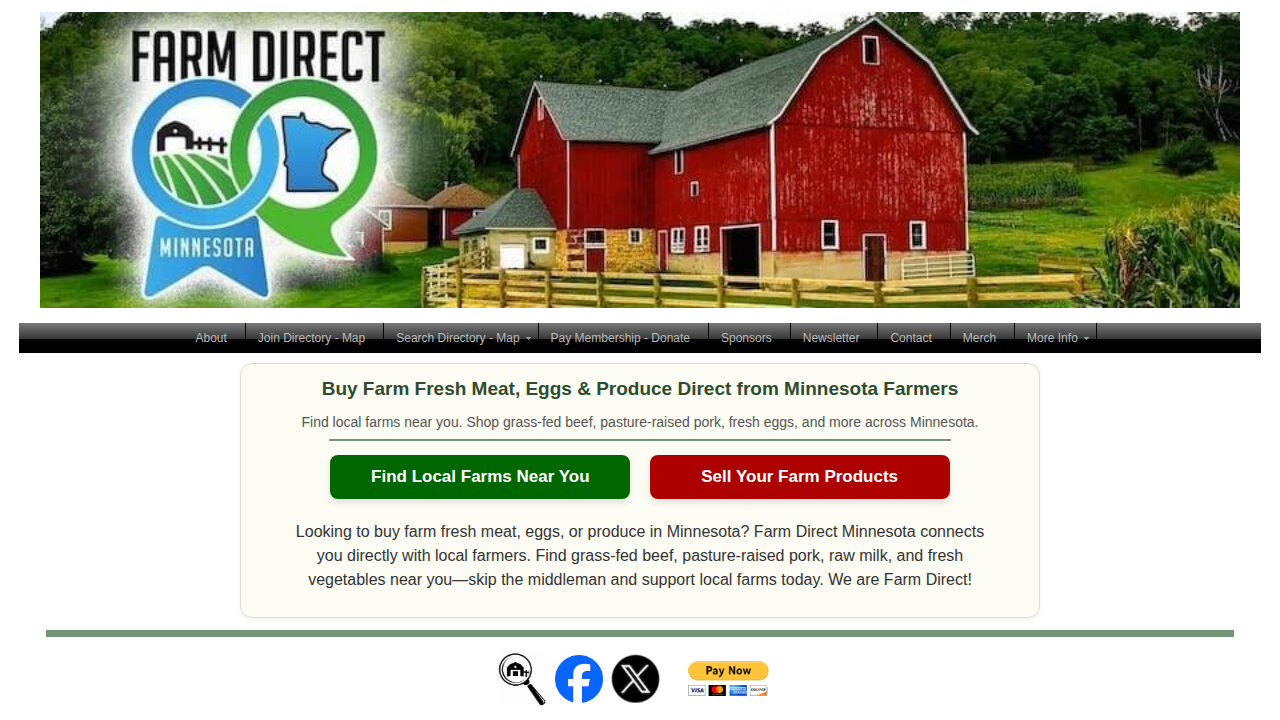
On 04/08/26 farmdirectminnesota.com/ scored 61% — **Decent** – Overall, the site feels solid and understandable, but a few visibility and trust signals are still a bit patchy in key areas.
Executive summary
Score Breakdown (High Level)
- Discoverability: 100% - The site has a strong technical foundation with clear sitemaps and metadata, though adding dedicated image or video sitemaps would help with visual search visibility.
- Structured Data: 92% - The site has strong organization and page schema in place, though adding verified social links to the author's technical data on resource pages would further strengthen its authority.
- AI Readiness: 67% - The site’s technical setup is generally solid with clear sitemaps and crawl access, though the missing Wikidata entity is one gap we noticed.
- Performance: 89% - While the homepage performance is exceptional, the resource page's interactive map loads slowly enough to be flagged as a potential bottleneck.
- Reputation: 12% - We were able to verify active social media links on the homepage, but we couldn't find a verified Wikidata presence or structured review data in the provided report.
- LLM-Ready Content: 56% - The page establishes clear authorship and currency, but the absence of standard heading tags makes it difficult for AI systems to parse and reuse the content effectively.

The big picture on visibility
What stands out most is that the site is generally easy to access and understand, but some important external trust and identity signals aren’t coming through clearly. A lot of the gaps here are less about “something being wrong” and more about AI systems not having enough consistent, confirmable context to lean on. The detailed breakdown below walks through the specific areas where that clarity drops off, section by section. None of it is unusual, but it does help explain why visibility can feel a little uneven in AI-driven results.
Detailed Report
Discoverability
❌ Image or video discovery support missing
What we saw
We didn’t find any dedicated support for helping search engines find and understand your visual content. That can make it easier for images or videos to be overlooked or treated as less connected to the rest of the site.
Why this matters for AI SEO
When visual content isn’t clearly surfaced, AI systems have less complete coverage of what you offer and fewer reliable signals to reference in answers. That can limit how often your brand shows up when someone is looking for visual examples or resources.
Next step
Add a clear, dedicated way for crawlers to discover your important visual assets so they’re easier to index and reference.
Structured Data
❌ Author identity not connected to external profiles
What we saw
The resource page shows a real author, but the author’s identity isn’t connected to any external profiles that could help confirm who they are. So the author is present, but not strongly verifiable.
Why this matters for AI SEO
AI systems tend to trust content more when a person’s identity can be consistently confirmed across the web. Without those connections, the author signal can be weaker and harder to rely on.
Next step
Tie the listed author to a small set of official external profile URLs so their identity is easier to validate.
AI Readiness
❌ No connected brand entity found
What we saw
We didn’t see a connected, machine-readable entity for the brand that AI systems commonly use to disambiguate names and confirm identity. As a result, the brand can be harder to “pin down” consistently.
Why this matters for AI SEO
When a brand isn’t clearly tied to a known entity, AI answers may be less confident, less consistent, or more likely to mix you up with similarly named organizations. Strong identity clarity helps with accurate attribution.
Next step
Establish and connect a single, verifiable external brand entity so AI systems can match your brand with higher confidence.
Performance
❌ Resource page main content loads slowly
What we saw
On the resource page with the interactive map, the main content takes noticeably longer to appear than expected. This page stands out as the one area where the experience feels delayed.
Why this matters for AI SEO
When key content shows up late, it can reduce how reliably systems can access and interpret what’s on the page. It also increases the chance that users bounce before they reach the details that matter.
Next step
Improve how quickly the resource page’s primary content becomes available so it’s easier to access and process.
Reputation
❌ Client sentiment signals weren’t verifiable
What we saw
We couldn’t confirm clear, verifiable signals that reflect overall client sentiment about the brand. The available information didn’t provide enough to confidently validate this.
Why this matters for AI SEO
AI systems lean on reputation cues to decide whether to surface a brand in recommendations and comparisons. When sentiment signals aren’t clear, visibility can be more limited or less consistent.
Next step
Make client feedback signals easy to find and clearly attributable to the brand from credible third-party sources.
❌ Employee sentiment signals weren’t verifiable
What we saw
We couldn’t confirm clear, verifiable signals that reflect employee sentiment about the brand. There wasn’t enough referenced information to validate this confidently.
Why this matters for AI SEO
AI-generated summaries may incorporate employer reputation signals when discussing trust and legitimacy. If those signals are missing or unclear, it can reduce confidence in the overall brand profile.
Next step
Ensure there are clear, attributable reputation signals that help validate how the organization is perceived.
❌ Broader brand recognition wasn’t confirmed
What we saw
We didn’t see enough evidence that the brand is consistently recognized across external sources in a way that’s easy to confirm. The picture looks incomplete from a third-party standpoint.
Why this matters for AI SEO
When brand recognition is unclear, AI systems have fewer anchors to confidently reference your organization. That can lower the odds of being surfaced for non-branded queries.
Next step
Build clearer, consistent external references that confirm the brand’s identity and legitimacy.
❌ Brand identity consistency wasn’t established
What we saw
We couldn’t confirm a consistent, unified brand identity across the signals reviewed. Some of the expected identity confirmation data wasn’t available.
Why this matters for AI SEO
Inconsistent identity signals can lead to confusion, mixed attribution, or less confident answers. Clear identity alignment helps AI systems reliably connect mentions back to your site.
Next step
Standardize the brand’s key identity details across the web so they match and reinforce each other.
❌ Verified brand entity match wasn’t confirmed
What we saw
We didn’t see a verified brand entity presence that clearly matches the organization. That makes it harder to confirm the brand in a single authoritative place.
Why this matters for AI SEO
Entity matches are a strong way for AI systems to reduce ambiguity and improve confidence. Without that match, AI summaries may be less stable or less detailed.
Next step
Get a verifiable brand entity in place and ensure it clearly and accurately matches your organization.
❌ Official identity anchors weren’t present
What we saw
We didn’t find strong “official identity” anchors that reliably tie the brand to its canonical web presence. The supporting identity fields weren’t available.
Why this matters for AI SEO
Official anchors help AI systems confirm that the right website and profiles belong to the right brand. Without them, AI can hesitate or misattribute information.
Next step
Add official identity anchors that clearly connect the brand name to the correct primary site and profiles.
❌ Third-party reviews weren’t found
What we saw
We didn’t see clear third-party review or customer feedback signals tied to the brand in the data available. That leaves a gap in external validation.
Why this matters for AI SEO
Reviews and customer feedback are common trust references in AI answers, especially for “best of” and comparison-style queries. Without them, your brand can be harder to recommend confidently.
Next step
Increase the visibility of credible third-party customer feedback that can be clearly attributed to your brand.
❌ Review sources weren’t concrete
What we saw
Where review signals might exist, we couldn’t confirm concrete sources that AI systems could reliably cite. The sources weren’t clearly established.
Why this matters for AI SEO
AI systems tend to prefer review signals that are specific and attributable. If the sources aren’t clear, the trust value of that feedback drops.
Next step
Make sure customer feedback is tied to clearly identifiable, reputable third-party sources.
❌ Major social profile consensus wasn’t confirmed
What we saw
Even though social links exist on the site, we couldn’t confirm consistent external agreement on which profiles are the brand’s primary accounts. That leaves some ambiguity.
Why this matters for AI SEO
When AI systems aren’t sure which profiles are official, they may cite the wrong accounts or avoid referencing them at all. Clear profile identity helps with trust and attribution.
Next step
Align your official social profiles across the web so there’s no ambiguity about which accounts are the right ones.
❌ Independent coverage wasn’t confirmed
What we saw
We didn’t see clear evidence of independent, offsite coverage or mentions that validate the brand externally. This removes an important layer of third-party credibility.
Why this matters for AI SEO
Independent mentions help AI systems gauge legitimacy and prominence beyond your own site. Without them, brand authority can look thinner than it really is.
Next step
Earn and surface credible independent mentions that clearly reference your brand.
❌ Onsite press signals weren’t present
What we saw
We didn’t find clear onsite press or announcement-style content that helps document milestones, updates, or notable activity. That leaves less context for AI summaries to pull from.
Why this matters for AI SEO
Press-style updates can act as straightforward, citable context about what’s happening with the organization. Without them, AI may have fewer “official” narratives to reference.
Next step
Publish a simple, easy-to-reference press or announcements area that documents meaningful brand updates.
LLM-Ready Content (Blog Analysis)
Heads up: this section looks at one article as a snapshot, so it’s a little more interpretive than the rest of the report and may shift slightly from run to run. Have questions? Just shoot us an email at hello@v9digital.com
❌ Content isn’t broken into clear sections
What we saw
The page content isn’t organized into clearly labeled sections, so it reads as one continuous block. That makes it harder to skim and harder to pull specific segments cleanly.
Why this matters for AI SEO
AI systems work best when content is naturally chunked into discrete, self-contained parts. Without that structure, extraction and summarization can be less accurate and less complete.
Next step
Restructure the page so it’s divided into clearly labeled sections that match the main topics users care about.
❌ Subheadings aren’t descriptive enough to guide meaning
What we saw
Because the page lacks clear subheadings, there aren’t descriptive labels that explain what each part of the content is about. This reduces context for both readers and AI.
Why this matters for AI SEO
Descriptive subheadings act like signposts that help AI interpret what’s inside each section. When they’re missing, AI has to guess at structure and intent.
Next step
Add descriptive subheadings that clearly state what each section covers in plain language.
❌ Key answers don’t surface early on the page
What we saw
We couldn’t confirm that key answers or primary takeaways appear early, because the page doesn’t have clear sections to evaluate where those answers land. As a result, important context may be buried deeper than it needs to be.
Why this matters for AI SEO
AI systems often prioritize content that states the main point quickly and clearly. If the most important information isn’t easy to locate, it’s less likely to be pulled into summaries and answers.
Next step
Make sure the page communicates the core takeaways right near the top in a way that’s easy to extract.
Does Anything Seem Off?
Thanks for taking our free GEO Grader for a spin. When we started this journey, the tool had a fairly long processing time to check everything we wanted both onsite and offsite, so we made a few adjustments on the backend to speed things up. As a result, there are times when the grader may not get everything 100% right. If something feels off, we recommend running the tool a second time to confirm the results. From there, you’re always welcome to reach out to us to schedule a GEO consultation, or to have your SEO provider validate the findings with a more detailed crawl and manual review.
