
Overview:
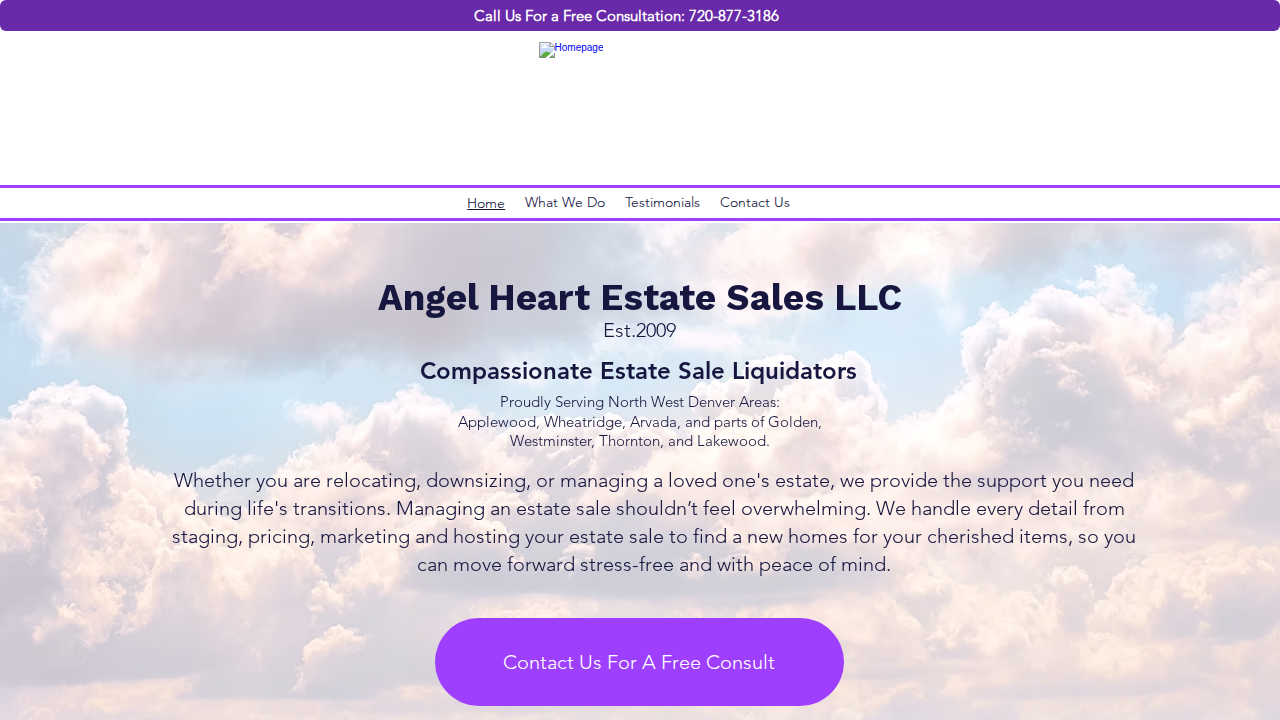
On 06/02/26 angelheartestatesales.com scored 41% — **Below Average** – Overall, the site has a few major visibility blockers and some missing credibility signals that make it harder for AI-driven discovery to confidently understand and surface your brand.
Executive summary
Score Breakdown (High Level)
- Discoverability: 50% - We found that the site is currently blocking search engines with a noindex tag and lacks basic sitemaps, which really limits its ability to show up in search results.
- Structured Data: 33% - The site has a basic technical foundation with valid homepage schema, but it's missing the critical organization-level markup and author details that help establish trust and entity clarity.
- AI Readiness: 17% - The site is open to AI crawlers, but it lacks the structural foundations—like a sitemap and clear brand pages—that help engines understand and index the business correctly.
- Performance: 39% - The site's visual load time is a major bottleneck at 15 seconds, even though the layout is stable and responsiveness is high.
- Reputation: 62% - While the brand has a solid review presence, inconsistent identity data and the absence of social links on the homepage are the main areas needing attention.
- LLM-Ready Content: 36% - This section ran into some issues with heading structure and missing metadata, though the content itself is clear and easy to read.

What stands out most overall
The big picture is that a few core visibility and credibility signals aren’t coming through clearly, which makes it harder for AI-driven discovery to confidently understand and surface the site. This isn’t about “bad” content as much as missing context and inconsistent signals that create uncertainty. The sections below walk through the specific areas where those gaps showed up, grouped by theme so it’s easy to follow. Once you see them laid out, the path to a cleaner, more consistent presence tends to feel pretty manageable.
Detailed Report
Discoverability
❌ Homepage is set to be ignored
What we saw
A “noindex” directive was detected on the homepage, which signals that the page shouldn’t be indexed.
Why this matters for AI SEO
If key pages aren’t eligible to be indexed, AI-driven discovery systems have far less to work with when trying to find and cite your site.
Next step
Remove the “noindex” directive from the homepage so it can be indexed.
❌ Missing homepage summary text
What we saw
The homepage is missing a description summary that explains what the page is about.
Why this matters for AI SEO
When that quick summary is missing, it’s harder for systems to confidently categorize the site and match it to the right queries.
Next step
Add a clear, plain-English page description that summarizes what the business does.
❌ No content map found
What we saw
A standard site map wasn’t found at the expected location.
Why this matters for AI SEO
Without a reliable map of your pages, discovery systems can miss important content or take longer to understand what you offer.
Next step
Publish a standard site map so crawlers can consistently discover your key pages.
❌ No media map found
What we saw
No dedicated map for images or videos was detected.
Why this matters for AI SEO
When media isn’t clearly organized and discoverable, it’s less likely to be surfaced or understood in AI-driven results that lean on visual context.
Next step
Add a media-focused map if images or videos are an important part of how you explain your offering.
Structured Data
❌ Business identity not clearly defined
What we saw
Only basic site-level structured data was detected on the homepage, and we didn’t find organization-specific structured data that clearly represents the business.
Why this matters for AI SEO
When the business entity isn’t clearly defined, it’s harder for AI systems to connect the website to a specific brand and validate it across sources.
Next step
Add organization-level structured data that explicitly represents the business behind the site.
❌ Resource/blog page couldn’t be evaluated
What we saw
A resource or blog page wasn’t available for evaluation, so we couldn’t confirm the structured data signals on that type of content.
Why this matters for AI SEO
If supporting content can’t be clearly understood and attributed, it weakens how well AI systems can reuse your insights and connect them back to your brand.
Next step
Make sure a representative resource/blog URL is available to evaluate and attribute content signals.
❌ Author credibility signals weren’t found
What we saw
Because a resource/blog page wasn’t provided, we couldn’t identify a clear author signal for that content.
Why this matters for AI SEO
AI systems lean heavily on author attribution to judge credibility and decide what to quote or summarize.
Next step
Ensure resource/blog content includes a clear author attribution that can be evaluated.
❌ No cross-profile author linking signals
What we saw
No author-related structured data was available to evaluate, including any links that connect the author to other trusted profiles.
Why this matters for AI SEO
Without consistent cross-profile signals, it’s harder for AI systems to confirm “who said this” and treat the content as reliably attributable.
Next step
Add author signals that connect the author to consistent, verifiable profiles.
AI Readiness
❌ Site map not available
What we saw
A standard site map wasn’t found when checked at the expected location.
Why this matters for AI SEO
When discovery systems can’t reliably find a map of your content, it can slow down or limit how completely your pages are understood.
Next step
Make the site map available at a consistent, crawlable location.
❌ Page freshness signals couldn’t be verified
What we saw
Because the site map wasn’t found, we couldn’t verify whether it includes page update information.
Why this matters for AI SEO
Freshness signals help AI systems prioritize what to revisit and what information to treat as current.
Next step
Include page update details in the site map so content recency is clearer.
❌ Missing clear brand context link
What we saw
No link to an About/Company-style page was detected in the homepage HTML.
Why this matters for AI SEO
When brand context is hard to find, AI systems have less confidence in who you are, what you do, and what to cite.
Next step
Add a clear, easily discoverable brand context page link from the homepage.
❌ No knowledge-base entity found for the brand
What we saw
No widely recognized entity ID was associated with the brand in the provided data.
Why this matters for AI SEO
When there’s no definitive entity record to anchor the brand, AI systems can struggle to disambiguate and validate identity across the web.
Next step
Create and connect an entity record that clearly represents the brand.
Performance
❌ Main content loads too slowly on mobile
What we saw
The primary content on the homepage took about 15 seconds to load on mobile.
Why this matters for AI SEO
If the page is slow to fully load, crawlers and users may not consistently reach the full content, which can reduce what AI systems are able to extract and trust.
Next step
Reduce the time it takes for the homepage’s main content to load on mobile.
❌ Performance data wasn’t available
What we saw
A standard performance score for the homepage was missing from the available results.
Why this matters for AI SEO
When performance signals can’t be consistently measured, it’s harder to get a stable read on user experience and content accessibility for automated systems.
Next step
Ensure the homepage returns consistent, measurable performance results.
Reputation
❌ Conflicting business address signals
What we saw
Different sources reported different physical addresses (California vs Ohio), so there wasn’t a single consistent location signal.
Why this matters for AI SEO
When core identity details conflict, AI systems can hesitate to trust the brand profile or may merge it with the wrong entity.
Next step
Align your public-facing address information so it’s consistent across major sources.
❌ No brand entity record found
What we saw
No entity record was found for the brand in the provided data.
Why this matters for AI SEO
Without a central entity record, it’s harder for AI systems to confidently connect your site, brand name, and third-party mentions into one verified identity.
Next step
Create a brand entity record so your identity can be consistently referenced.
❌ No official identifiers connected to an entity record
What we saw
Because there was no entity record found, there were also no official website links or identifiers connected through that source.
Why this matters for AI SEO
These anchors help AI systems verify “this site belongs to this brand,” reducing ambiguity and improving trust.
Next step
Connect official brand identifiers to a central entity record.
❌ No social links found on the homepage
What we saw
We didn’t find standard homepage links pointing to social profiles.
Why this matters for AI SEO
Social profile links are an easy way for AI systems to confirm your official accounts and connect your web presence into a single brand footprint.
Next step
Add clear homepage links to your official social profiles.
❌ No independent coverage detected
What we saw
No third-party news or industry publication mentions were identified in the provided results.
Why this matters for AI SEO
Independent references act as external validation, which can influence how authoritative a brand appears when AI systems decide what to cite.
Next step
Build a clearer footprint of independent third-party mentions that can be associated with your brand.
LLM-Ready Content (Blog Analysis)
Heads up: this section looks at one article as a snapshot, so it’s a little more interpretive than the rest of the report and may shift slightly from run to run. Have questions? Just shoot us an email at hello@v9digital.com
❌ No publication or update date shown
What we saw
We didn’t find a clear publication date or last-updated date on the page.
Why this matters for AI SEO
Dates help AI systems judge whether information is current, which affects what they choose to surface and summarize.
Next step
Add a clear publish date and/or last updated date to the article.
❌ Content freshness can’t be confirmed
What we saw
Without an explicit date, we couldn’t confirm whether the content has been updated recently.
Why this matters for AI SEO
When freshness isn’t obvious, AI engines may be less confident using the content for time-sensitive or “best current answer” queries.
Next step
Include a visible update timestamp when the content is refreshed.
❌ No external references
What we saw
We didn’t find links to external, non-social sources within the article.
Why this matters for AI SEO
External references can help AI systems understand where key claims come from and increase confidence in the content’s authority.
Next step
Add at least one relevant external reference to a credible non-social source.
❌ Page structure is too flat for easy extraction
What we saw
Only two primary sections were identified based on the headings, which makes the content harder to break into clear, reusable chunks.
Why this matters for AI SEO
AI systems tend to reuse content more effectively when it’s organized into distinct sections that map cleanly to questions and subtopics.
Next step
Restructure the article so it’s divided into more clearly separated sections.
❌ No quick-reference table
What we saw
No table-style block was found that summarizes key information in a scannable format.
Why this matters for AI SEO
Tables can make important details easier for AI systems to extract accurately and reuse without losing meaning.
Next step
Add a small table that summarizes the key takeaways or decisions in the article.
Does Anything Seem Off?
Thanks for taking our free GEO Grader for a spin. When we started this journey, the tool had a fairly long processing time to check everything we wanted both onsite and offsite, so we made a few adjustments on the backend to speed things up. As a result, there are times when the grader may not get everything 100% right. If something feels off, we recommend running the tool a second time to confirm the results. From there, you’re always welcome to reach out to us to schedule a GEO consultation, or to have your SEO provider validate the findings with a more detailed crawl and manual review.
