
Overview:
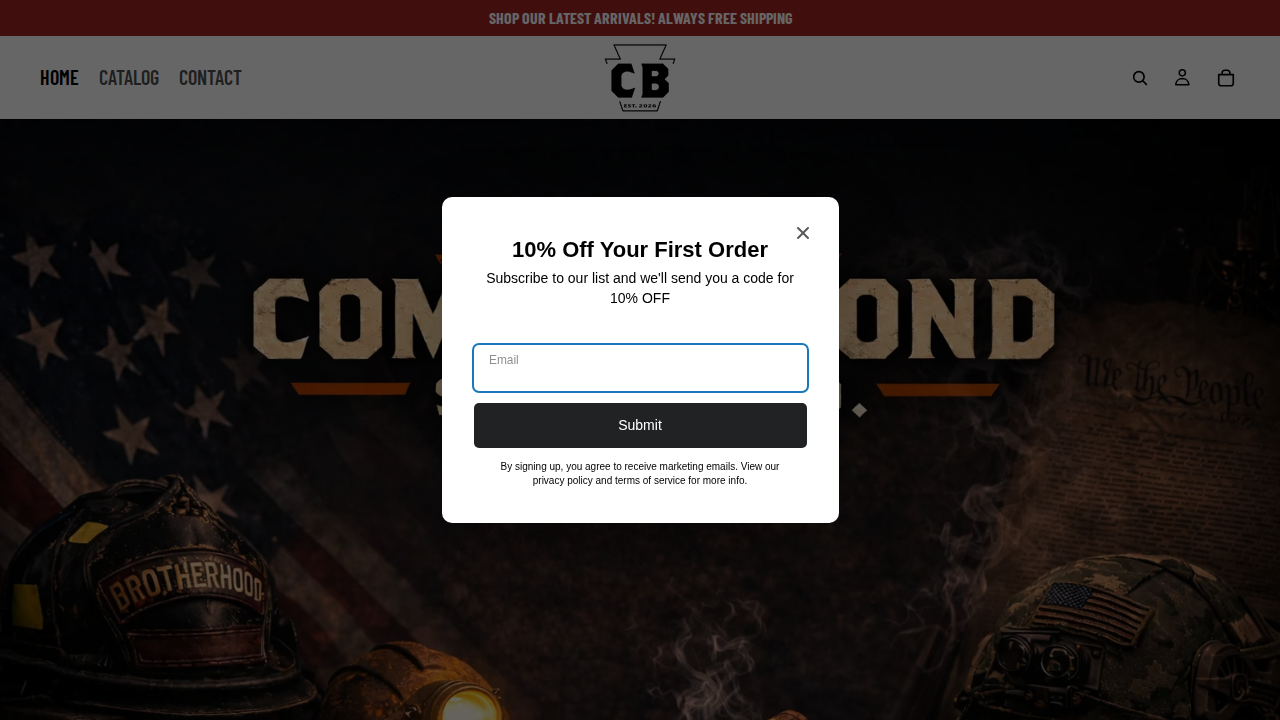
On 10/25/26 commonbondsupplyco.com scored 41% — **Below Average** – Overall, the site has some solid basics in place, but there are a few clear gaps that limit how confidently AI systems can understand and trust what they’re seeing.
Executive summary
Score Breakdown (High Level)
- Discoverability: 100% - The site is easily discoverable with healthy metadata and clear crawling instructions, though it lacks specialized sitemaps for images and video.
- Structured Data: 58% - The homepage has a solid Organization schema in place, but we weren't able to find any structured data or author information for resource or blog content.
- AI Readiness: 50% - The technical foundation for AI is partially there, but the missing sitemap timestamps and lack of a Wikidata entry are holding back the site's readiness score.
- Performance: 50% - While the site's responsiveness and layout stability are looking good, the time it takes for the main content to actually show up on mobile is definitely on the poor side.
- Reputation: 12% - The site is doing the right things with social media links, but it’s currently missing the verified identity data and third-party validation needed to really build trust with generative engines.
- LLM-Ready Content: 20% - The page is clearly designed for commerce, but it lacks the authorship, dating, and content depth that would help search engines treat it as a high-authority information resource.

The big picture at a glance
What stands out most is that the site’s baseline visibility is okay, but the signals that help AI systems trust and confidently describe the brand are often missing or unclear. A lot of the gaps aren’t “errors” so much as missing context—things that make it easier to understand who you are, how current things are, and what content is meant to communicate. The next section breaks down the specific areas where those clarity signals didn’t show up in the evaluation. Once those are addressed, the overall story AI engines see tends to become much more consistent.
Detailed Report
Discoverability
❌ Image or video sitemap not found
What we saw
We didn’t see a dedicated path that helps surface image or video assets in the discovery signals we reviewed. That means your visual content has fewer direct cues pointing engines to what’s available.
Why this matters for AI SEO
Generative systems often rely on clear, structured discovery pathways to find and interpret non-text assets. When those cues are missing, your visuals are less likely to show up as supporting evidence or rich context.
Next step
Add a clear discovery path for key image and/or video assets so they’re easier to find and understand.
Structured Data
❌ Resource/blog page markup couldn’t be confirmed
What we saw
We weren’t able to review the resource/blog page details, so we couldn’t confirm whether that page includes the structured information generative systems look for. As a result, resource-level signals were treated as missing.
Why this matters for AI SEO
When article/resource pages don’t clearly describe what they are, who they’re for, and how they relate to the brand, AI systems have a harder time using them confidently. That can limit both visibility and how accurately your content is summarized.
Next step
Make sure your resource/blog pages include clear, machine-readable context about the page and its content.
❌ Author details on resource/blog content not verified
What we saw
We couldn’t confirm a clear, non-generic author for the resource/blog content based on what was available to evaluate. That leaves authorship unclear on the content that’s meant to be informational.
Why this matters for AI SEO
Authorship is a trust cue for generative engines, especially when they’re deciding what to cite, quote, or learn from. If the author isn’t clearly identified, it’s harder for AI systems to treat the content as reliable.
Next step
Ensure resource/blog content clearly identifies a real author in a consistent, recognizable way.
❌ Author identity links not confirmed
What we saw
We weren’t able to confirm any author identity links that tie the author to established profiles or references. That leaves fewer external anchors connecting content to a real-world identity.
Why this matters for AI SEO
Generative systems do better when they can connect authors and brands to consistent identity footprints. Without those anchors, it’s harder to build confidence in who created the content.
Next step
Add consistent author identity references that clearly connect the author to recognized profiles.
AI Readiness
❌ Update timing signals missing from the sitemap
What we saw
The sitemap information we reviewed didn’t include update timestamps. That makes it harder to tell what’s newly updated versus what’s been unchanged for a while.
Why this matters for AI SEO
Generative engines and crawlers prioritize freshness cues when deciding what to revisit and what to rely on. If update timing is unclear, recent changes can take longer to be reflected in what AI systems “know.”
Next step
Include clear update timing information so crawlers can quickly understand what’s changed.
❌ No Wikidata entity identified for the brand
What we saw
We didn’t find a Wikidata entity tied to the brand. That leaves a major identity reference point unconnected.
Why this matters for AI SEO
Wikidata often acts like a neutral “hub” that helps AI models reconcile names, entities, and attributes. Without it, AI systems can have a harder time confidently connecting the brand to a stable identity.
Next step
Create or claim a Wikidata entity that clearly represents the brand and matches your official identity.
Performance
❌ Main content loads too slowly on the homepage
What we saw
The primary “above the fold” content took a long time to fully appear on the homepage. That creates a noticeable delay before users (and crawlers) can access the core message.
Why this matters for AI SEO
When key content is slow to load, it can reduce how consistently systems pick up the most important context. It also raises friction for users, which can indirectly weaken overall visibility signals over time.
Next step
Reduce the time it takes for the homepage’s main content to appear so the core message is accessible faster.
Reputation
❌ Negative client feedback status couldn’t be verified
What we saw
We didn’t have enough reconciled information to confirm whether there are affirmed negative client assertions associated with the brand. In practice, that means this trust signal is currently unclear.
Why this matters for AI SEO
Generative engines lean on clear reputation context to decide how confidently they can describe a brand. When reputation signals are incomplete or unverified, systems may be more cautious about what they surface.
Next step
Gather and consolidate reputation signals so the brand’s client sentiment can be validated consistently.
❌ Negative employee feedback status couldn’t be verified
What we saw
We didn’t have enough reconciled information to confirm whether there are affirmed negative employee assertions associated with the brand. This leaves another trust signal unresolved.
Why this matters for AI SEO
AI systems often triangulate brand trust using multiple viewpoints, including workplace sentiment. When that context can’t be confirmed, it limits confidence and can muddy brand summaries.
Next step
Consolidate and validate employee sentiment signals so they’re easier to interpret consistently.
❌ Brand recognition across models couldn’t be confirmed
What we saw
We couldn’t confirm consistent recognition signals for the brand across multiple AI systems based on the available evaluation data. That typically means there isn’t enough widely echoed brand context.
Why this matters for AI SEO
When recognition is weak or uncertain, generative engines are less likely to mention a brand unprompted or describe it confidently. This can reduce visibility in AI-driven discovery journeys.
Next step
Strengthen and unify public-facing brand signals so recognition is easier to confirm.
❌ Core brand identity consistency couldn’t be verified
What we saw
We didn’t have the necessary consensus identity fields to confirm the brand’s official identity details are consistently represented. As a result, identity consistency remains unclear.
Why this matters for AI SEO
Generative engines work best when they can reconcile a brand to one stable identity. If identity consistency is uncertain, AI systems can hesitate, confuse entities, or provide vague descriptions.
Next step
Standardize and validate your official identity details so they appear consistently wherever the brand is referenced.
❌ Wikidata match could not be confirmed
What we saw
We couldn’t confirm a matching Wikidata entity for the brand. That removes a common third-party identity anchor from the brand’s footprint.
Why this matters for AI SEO
Wikidata is one of the cleanest ways for AI systems to connect brand name, site, and identifiers. Without it, entity matching is harder and brand ambiguity tends to increase.
Next step
Create or connect a Wikidata entry that clearly matches your brand and official details.
❌ Official identity anchors not confirmed
What we saw
We couldn’t confirm the presence of official identity anchors tied to the brand in the available offsite identity data. That leaves fewer authoritative references pointing back to the “real” brand entity.
Why this matters for AI SEO
Generative systems often look for authoritative anchors to reduce uncertainty and prevent misattribution. Missing anchors can make it harder for AI to confidently connect the brand to its official sources.
Next step
Build a stronger set of official identity anchors that clearly point to the brand’s canonical sources.
❌ Third-party reviews or feedback not confirmed
What we saw
We couldn’t confirm the presence of third-party reviews or customer feedback signals based on the information available. That means external validation isn’t clearly established here.
Why this matters for AI SEO
Third-party feedback is a common trust-building input for AI summaries and recommendations. When it’s missing or unclear, AI systems have fewer confidence cues about quality and customer experience.
Next step
Ensure there are clear, verifiable sources of customer feedback that can be consistently referenced.
❌ Review source credibility signals not confirmed
What we saw
We couldn’t confirm concrete review sources associated with the brand in the evaluation data. This makes it harder to distinguish between anecdotal mentions and reliable feedback sources.
Why this matters for AI SEO
AI systems weigh reputation more confidently when sources are specific and consistent. If sources aren’t clear, trust signals become weaker and easier to discount.
Next step
Make review sources easy to identify and consistently associated with the brand.
❌ Major social profile consensus not confirmed
What we saw
We couldn’t confirm a reconciled consensus on the brand’s major social profiles from the available data. Even if profiles exist, the “official set” isn’t clearly established.
Why this matters for AI SEO
Generative engines use consistent social identity to validate brands and reduce impersonation risk. If the official profiles aren’t easy to confirm, AI systems may avoid citing them or may pick inconsistent references.
Next step
Consolidate and reinforce which social profiles are official so they’re consistently recognized.
❌ Independent press or coverage not confirmed
What we saw
We couldn’t confirm independent (offsite) press or coverage signals tied to the brand based on the available evaluation data. That limits third-party validation beyond owned channels.
Why this matters for AI SEO
Independent coverage can act as a strong credibility cue for AI-generated summaries. Without it, AI systems have fewer external references to corroborate who you are and what you’re known for.
Next step
Build and document legitimate independent mentions that clearly reference the brand.
❌ Owned press or announcements not confirmed
What we saw
We couldn’t confirm the presence of owned press or press-release style announcements on the site from the available data. This removes a simple way to reinforce brand narrative and milestones in a consistent format.
Why this matters for AI SEO
Generative systems often look for clear, attributable statements about a company’s updates, launches, and credibility signals. When that layer is missing, the brand story can be harder to summarize cleanly.
Next step
Publish and maintain a clear on-site record of brand announcements that are easy to reference.
LLM-Ready Content
❌ No clear, non-generic author
What we saw
We didn’t see a visible or clearly identified author associated with the page. That makes it tough to tell who is responsible for the information presented.
Why this matters for AI SEO
Authorship helps AI systems evaluate credibility and decide whether content is worth using or citing. When it’s missing, the content can come across as less trustworthy or harder to attribute.
Next step
Add a clear author attribution that’s easy to spot and consistently used.
❌ No publish or update date found
What we saw
We didn’t find a specific publish date or last updated date associated with the content. That leaves the timing and relevance of the information unclear.
Why this matters for AI SEO
AI systems and users both rely on dates to judge freshness and context. Without a date, content is easier to overlook or treat as potentially outdated.
Next step
Include a clear publish date and/or last updated date alongside the content.
❌ Content freshness can’t be verified
What we saw
Because there’s no explicit update date, we can’t confirm whether the content has been maintained recently. This makes the page’s “current-ness” hard to interpret.
Why this matters for AI SEO
Freshness is a confidence cue for generative engines when summarizing or recommending information. If recency can’t be established, AI systems may be less likely to rely on it.
Next step
Make the content’s last update timing explicit so freshness is easy to validate.
❌ Sections are too thin to carry clear meaning
What we saw
The content is split into sections, but they’re very brief on average and don’t provide much explanatory depth. As a result, the page reads more like interface/supporting text than a true informational resource.
Why this matters for AI SEO
Generative systems do better when content blocks contain enough context to summarize accurately. Thin sections can be harder to interpret, and key details may not be “anchored” strongly enough for AI reuse.
Next step
Expand key sections so each one communicates a complete, self-contained idea.
❌ No table-based content found
What we saw
We didn’t see any table-style formatting used to present structured comparisons or key details. That removes one of the clearest ways to communicate scannable facts.
Why this matters for AI SEO
Structured layouts can make it easier for AI systems to extract attributes, differences, and quick facts. Without them, important details can be more buried in prose or scattered across the page.
Next step
Where it fits naturally, add a small table to present key facts or comparisons in a structured way.
❌ Subheadings aren’t descriptive
What we saw
The headings present were generic and didn’t describe what each section is actually about. That makes the structure feel more like navigation labels than content signposts.
Why this matters for AI SEO
Descriptive headings help AI systems map the page and understand where specific answers live. When headings are vague, it’s harder for AI to pull the right information with confidence.
Next step
Rewrite section headings so they clearly describe the topic or question each section answers.
❌ Key context doesn’t show up early
What we saw
The opening lines of sections were very short and didn’t quickly establish what the reader should know. That means the page delays context instead of front-loading it.
Why this matters for AI SEO
Generative engines often prioritize early-page and early-section clarity when extracting meaning. If the “point” doesn’t show up quickly, AI summaries can become generic or incomplete.
Next step
Make sure each main section starts with a clear, informative opening that states the key takeaway upfront.
Does Anything Seem Off?
Thanks for taking our free GEO Grader for a spin. When we started this journey, the tool had a fairly long processing time to check everything we wanted both onsite and offsite, so we made a few adjustments on the backend to speed things up. As a result, there are times when the grader may not get everything 100% right. If something feels off, we recommend running the tool a second time to confirm the results. From there, you’re always welcome to reach out to us to schedule a GEO consultation, or to have your SEO provider validate the findings with a more detailed crawl and manual review.
