
Overview:
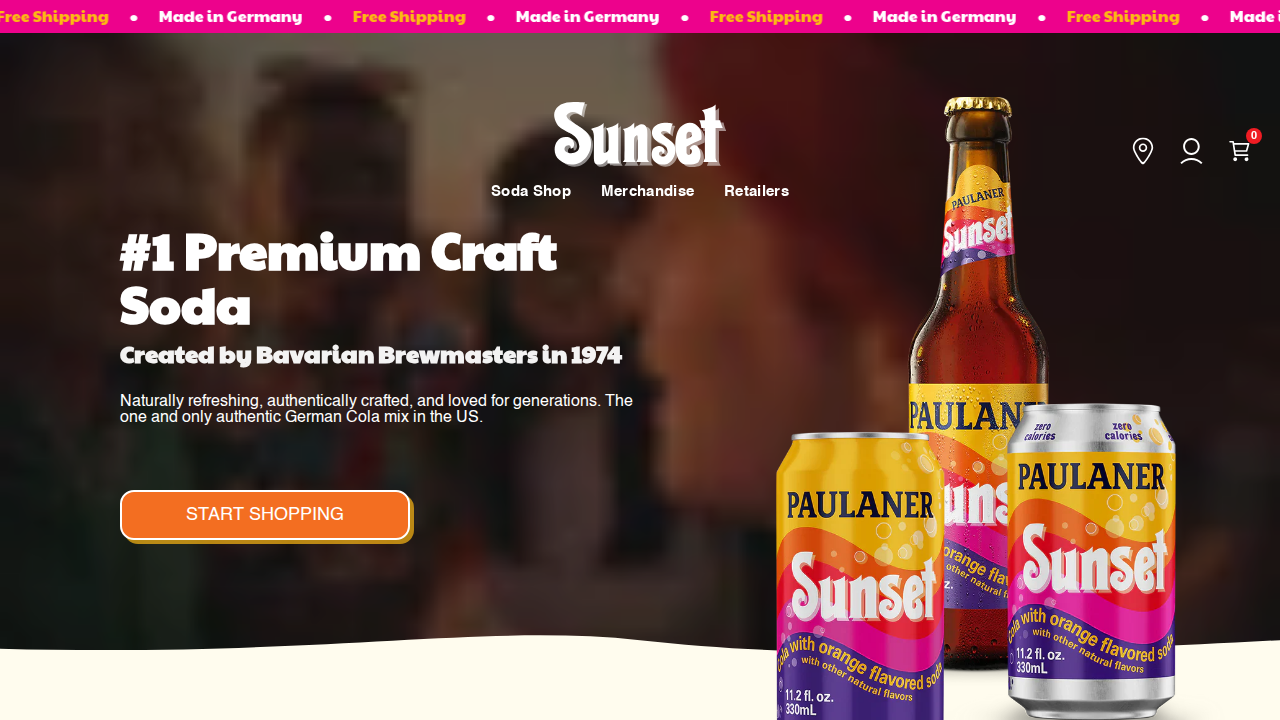
On 02/05/26 paulaner-sunset.com/ scored 42% — **Below Average** – Overall, the site has a solid base, but it’s missing several key signals that help AI systems confidently understand and reference the brand and its content.
Executive summary
Score Breakdown (High Level)
- Discoverability: 100% - The site has a very healthy foundation for discovery with clear metadata and open access for bots, though it's missing specialized sitemaps for images and video.
- Structured Data: 58% - The site has a solid foundation with valid organization schema on the homepage, but we weren't able to find any structured data or author details for the blog content.
- AI Readiness: 50% - This section looks mostly solid with an accessible sitemap and clear brand context, though the lack of sitemap timestamps and a Wikidata entity are the main gaps.
- Performance: 50% - Mobile performance is generally stable and responsive, though the initial loading speed for main content is slower than the recommended thresholds.
- Reputation: 23% - The site is well-connected to its social channels but currently lacks the broader LLM recognition and third-party validation needed to establish a strong reputation in generative search results.
- LLM-Ready Content: 16% - The page lacks essential structural signals like author attribution and sufficient content depth, which are key for AI systems to verify and reuse information.

What stands out most overall
The big picture is that the site is generally accessible and readable, but it’s missing several of the signals that help AI systems confidently validate the brand and attribute its content. Most of the gaps show up as clarity issues—who authored the content, how current it is, and how the brand connects to consistent third-party identity and reputation cues. The next section walks through the specific areas where those signals didn’t show up, organized by category so you can see exactly what’s driving the limitations. None of this is unusual for growing brands, but it does explain why AI visibility can feel harder than it should right now.
Detailed Report
Discoverability
❌ Missing image/video sitemap support
What we saw
We didn’t find an image sitemap or a video sitemap in the site data. That means visual content may not be as clearly surfaced for systems that look for dedicated media discovery signals.
Why this matters for AI SEO
AI-driven search experiences often rely on strong discovery cues to understand and retrieve the most relevant media for an answer. When those cues are thin, your visuals can be easier to overlook or misinterpret.
Next step
Add dedicated discovery support for your key image and/or video content so those assets are easier to find and classify.
Structured Data
❌ No structured data detected on the resource/blog page
What we saw
The resource page data we looked for was missing or empty, so we couldn’t detect any structured data there. As a result, that page doesn’t present clear machine-readable context for its content.
Why this matters for AI SEO
When AI systems can’t reliably interpret what a page represents, they have a harder time summarizing it, attributing it, or pulling it into generative answers. Clear structured context improves confidence and reuse.
Next step
Make sure the resource/blog page is accessible and includes structured data that reflects what the page and its content are.
❌ Blog content doesn’t show a clear, non-generic author
What we saw
No author was identified for the resource/blog content in the available page data. That leaves the content feeling anonymous from a machine and user perspective.
Why this matters for AI SEO
AI systems look for creator and publisher context to judge credibility and safely attribute information. Missing authorship can make content less likely to be referenced or trusted.
Next step
Add a clear author name to the resource/blog content so it’s easy to understand who created it.
❌ No author identity links connected to the author
What we saw
We didn’t find author identity links (like “sameAs” references) because no author schema was present in the available resource/blog data. This leaves the author unconnected to any verifiable identity footprint.
Why this matters for AI SEO
When author identities aren’t connected to consistent external profiles, it’s harder for AI systems to disambiguate who the author is and whether they’re credible. That can reduce how confidently content is cited.
Next step
Connect the author to consistent identity references so AI systems can match the author to a real, consistent entity.
AI Readiness
❌ Sitemap freshness signals aren’t present
What we saw
The sitemap was missing update timestamps (lastmod). That makes it unclear when key pages were last changed.
Why this matters for AI SEO
AI systems benefit from clear recency cues when choosing what to crawl, summarize, and reference. Without them, newer updates may not stand out as clearly.
Next step
Include page update timestamps in the sitemap so content changes are easier for AI systems to interpret.
❌ No Wikidata entity found for the brand
What we saw
We didn’t find a Wikidata item ID associated with the brand. This limits the site’s ability to connect to a widely used public entity reference.
Why this matters for AI SEO
AI models often use external entity references to resolve brand identity and reduce ambiguity. Without a strong entity anchor, brands can be harder to recognize and consistently attribute.
Next step
Establish a verified public entity reference for the brand so AI systems have a clearer identity anchor.
Performance
❌ Main content loads slowly on mobile
What we saw
The primary content element took longer than expected to fully appear for mobile users. This suggests the initial load experience is heavier than it needs to be.
Why this matters for AI SEO
Slow initial loading can reduce how consistently pages are accessed and evaluated, especially in mobile-first contexts. If content is harder to reach quickly, it can impact how reliably it’s surfaced and reused.
Next step
Reduce the time it takes for the main content to appear so the page experience is smoother from the start.
Reputation
❌ Negative employee assertions were surfaced
What we saw
Negative employee-related claims were identified in the supporting research (for example, complaints about salary and promotions). This introduces potentially conflicting trust signals around the brand.
Why this matters for AI SEO
AI systems often factor in broader sentiment and credibility cues when deciding what brands to reference. Negative claims can make it harder to present the brand confidently in answers.
Next step
Review the employee sentiment signals that are showing up and ensure the brand’s public narrative is clear and consistent.
❌ Brand recognition wasn’t consistent across models
What we saw
Only one model recognized the brand as a distinct entity in the research results. That points to limited shared recognition.
Why this matters for AI SEO
When entity recognition is inconsistent, a brand is less likely to be confidently referenced or surfaced in generative answers. Consensus helps models “agree” on who the brand is.
Next step
Strengthen the signals that help third parties and AI systems consistently recognize the brand as a distinct entity.
❌ Brand identity details appear inconsistent
What we saw
Conflicting information was found around the official domain (paulaner-sunset.com vs paulaner.com), and there wasn’t clear agreement on the physical address. That creates ambiguity about the “official” brand footprint.
Why this matters for AI SEO
AI systems need consistent identity details to avoid misattribution and confusion with similarly named brands or locations. Inconsistencies can lower confidence and reduce visibility.
Next step
Align the brand’s official identity details so they present as consistent wherever they’re referenced.
❌ No matching Wikidata entity was identified
What we saw
No matching Wikidata entity was found in the available research data. This leaves a gap in third-party entity verification.
Why this matters for AI SEO
Entity references help models connect your site to a verified concept of the brand. Without that, attribution and trust can be weaker, especially for newer or less-known brands.
Next step
Ensure the brand can be matched to a clear public entity reference used by AI systems.
❌ Official identity anchors weren’t found in Wikidata
What we saw
Because a Wikidata entity wasn’t found, official identity anchors (like verified links and core identifiers) also weren’t present. That removes a common path AI systems use to confirm “this is the real one.”
Why this matters for AI SEO
Official identity anchors make it easier for AI systems to connect the dots between a brand, its website, and its official presence elsewhere. Missing anchors can reduce confidence in citations.
Next step
Establish official identity anchors in a public entity reference so the brand is easier to validate.
❌ Third-party reviews or customer feedback weren’t surfaced
What we saw
The research results didn’t turn up offsite customer reviews or third-party feedback sources. That leaves a gap in independent validation.
Why this matters for AI SEO
AI systems tend to trust brands more when there are clear, independent signals that real people have interacted with them. Missing feedback makes it harder to establish authority beyond owned channels.
Next step
Make sure credible third-party feedback sources exist and are easy to associate with the brand.
❌ Review sources weren’t concrete in the findings
What we saw
Even where reviews were expected, the sources weren’t clearly identifiable in the research output. That makes the overall reputation picture harder to verify.
Why this matters for AI SEO
Concrete sources help AI systems ground claims in verifiable references rather than vague mentions. Without clear sources, reputation signals can be discounted.
Next step
Ensure reputation signals are tied to specific, recognizable sources that can be consistently referenced.
❌ No consistent consensus on major social profiles
What we saw
Across the model set, there wasn’t agreement on the brand’s major social media profiles. That suggests the brand’s social identity isn’t being recognized consistently.
Why this matters for AI SEO
When AI systems can’t confidently map a brand to its official profiles, they may hesitate to cite or may mix signals with other entities. Consistency helps reduce confusion.
Next step
Clarify and reinforce the brand’s official social identity so it’s consistently recognized.
❌ Independent press or coverage wasn’t consistently identified
What we saw
Independent press mentions weren’t consistently surfaced in the research results. That suggests there isn’t a clear footprint of third-party coverage tied to the brand.
Why this matters for AI SEO
Independent coverage is one of the cleaner ways AI systems validate that a brand exists and matters outside its own channels. Without it, authority can be harder to establish.
Next step
Build a clearer, verifiable footprint of independent mentions that AI systems can associate with the brand.
❌ No owned press/press releases were identified
What we saw
We didn’t see onsite press or press releases reflected in the findings. That reduces the amount of official, citable context available in one place.
Why this matters for AI SEO
Having clear, official announcements can help AI systems summarize brand milestones and reference “source of truth” statements. Without them, brand context can be thinner.
Next step
Create a clear place for official announcements so brand updates are easy to find and reference.
LLM-Ready Content (Blog Analysis)
Heads up: this section looks at one article as a snapshot, so it’s a little more interpretive than the rest of the report and may shift slightly from run to run. Have questions? Just shoot us an email at hello@v9digital.com
❌ No named author is visible
What we saw
We didn’t find a visible author on the page, and there wasn’t an author identified through page markup either. That makes it unclear who the content is coming from.
Why this matters for AI SEO
AI systems lean on clear attribution to judge credibility and safely reuse information. When authorship is missing, it’s harder to build trust and consistent citations.
Next step
Add a clear author byline to the article so attribution is unambiguous.
❌ No publish or update date is shown
What we saw
We didn’t find a publication date or a last-updated date in the content or metadata. That leaves readers (and AI systems) without timing context.
Why this matters for AI SEO
Recency is a major trust and relevance cue for AI summaries. Without dates, it’s harder to know whether information is current enough to reference.
Next step
Show a clear publish date and/or last updated date on the article.
❌ Recency can’t be confirmed
What we saw
Because no update date was available, we couldn’t confirm whether the content has been refreshed recently. The result is uncertainty around how current the page is.
Why this matters for AI SEO
When AI systems can’t confidently assess freshness, they may prefer other sources that are easier to timestamp and validate. This can reduce how often the page is pulled into answers.
Next step
Make content freshness explicitly confirmable with a visible update signal.
❌ No non-social external references
What we saw
The page only included internal links and social profile links, and we didn’t see any outbound links to non-social third-party sources. That limits the amount of supporting context around the claims on the page.
Why this matters for AI SEO
External references can help AI systems understand what a page is grounded in and how it relates to the broader web. Without them, the content can read as harder to validate.
Next step
Add at least one relevant third-party reference link that supports or contextualizes the content.
❌ Content sections are too thin for strong context
What we saw
The page’s sections averaged around 70 words, which is relatively brief for building full context. This can make the article feel more like snippets than complete blocks of information.
Why this matters for AI SEO
AI systems do better when they can “grab” self-contained sections that fully explain a topic. Thin sections can reduce understanding and make summaries less accurate.
Next step
Expand key sections so each one provides more complete context on its subtopic.
❌ No table-based summary was found
What we saw
No table elements were detected on the page. That means there isn’t a quick, structured way to scan key facts.
Why this matters for AI SEO
Structured summaries can make it easier for AI systems to extract specific details without guesswork. When everything is purely narrative, key facts can be harder to reliably pull.
Next step
Add a simple table where it makes sense to summarize the main facts.
❌ Subheadings aren’t descriptive enough
What we saw
Only a small portion of subheadings were descriptive in a way that clearly matched the content beneath them. This makes the page structure harder to skim and interpret.
Why this matters for AI SEO
AI systems use headings to understand the shape of a page and what each section is about. Vague headings can lead to weaker comprehension and less reliable extraction.
Next step
Rewrite section headings so they clearly describe what each section actually answers.
Does Anything Seem Off?
Thanks for taking our free GEO Grader for a spin. When we started this journey, the tool had a fairly long processing time to check everything we wanted both onsite and offsite, so we made a few adjustments on the backend to speed things up. As a result, there are times when the grader may not get everything 100% right. If something feels off, we recommend running the tool a second time to confirm the results. From there, you’re always welcome to reach out to us to schedule a GEO consultation, or to have your SEO provider validate the findings with a more detailed crawl and manual review.
