
Overview:
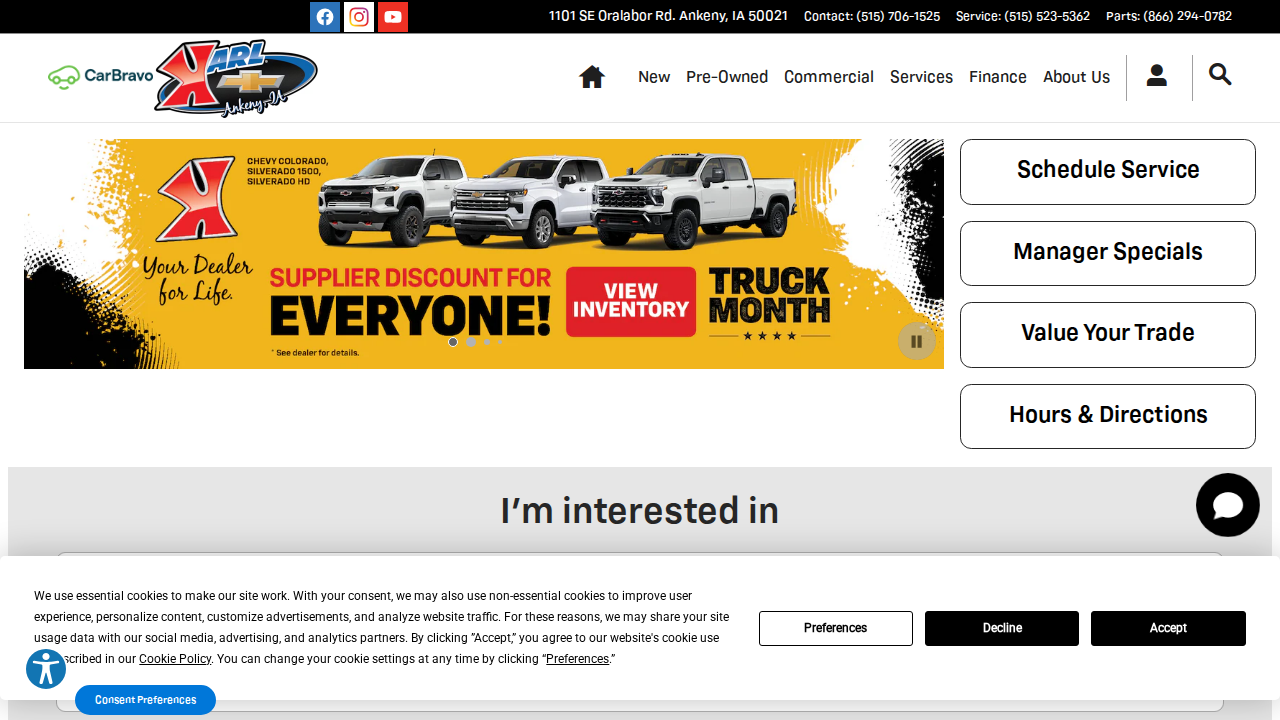
On 04/11/26 karlchevrolet.com scored 40% — **Weak** – Overall, the site has some solid fundamentals, but a few key visibility and trust signals are either missing or coming through inconsistently.
Executive summary
Score Breakdown (High Level)
- Discoverability: 100% - The site's homepage is technically accessible and well-optimized for discovery, but the complete lack of XML sitemaps creates a significant bottleneck for indexing the rest of the dealership's inventory.
- Structured Data: 58% - The homepage has a solid technical foundation with valid local business schema, but we weren't able to confirm any author-specific or article-level markup since the blog page data wasn't provided.
- AI Readiness: 33% - The site is accessible to AI crawlers and provides clear brand context through its About page, but it is missing a sitemap and a linked Wikidata entity.
- Performance: 0% - We weren't able to confirm the site's mobile performance metrics because the data didn't come through during our check.
- Reputation: 58% - The brand has a strong footprint of reviews and social profiles, but identity conflicts and surfaced negative feedback are the primary hurdles for building full trust.
- LLM-Ready Content: 16% - The page functions well as a commercial landing site but lacks the structured author data, dates, and sectioned content typical of LLM-ready resources.

What stands out most overall
The big picture is that your site is understandable at a surface level, but it loses clarity and confidence signals as you move into deeper content and offsite verification. A lot of what showed up isn’t about “bad content” so much as missing context and inconsistent identity cues that make it harder for AI systems to trust what they’re seeing. Below, we’ll walk through the specific areas where those gaps showed up, section by section. None of this is unusual, and it’s all the kind of stuff that becomes straightforward once it’s clearly identified.
Detailed Report
Discoverability
❌ Standard site mapping not found
What we saw
We didn’t find a standard site mapping file in the expected place. That makes it harder to confirm the full set of pages you want discoverable.
Why this matters for AI SEO
When AI-driven systems try to understand what a site contains, clear site mapping helps them find and cover more of the important pages. Without it, deeper pages can be easier to miss or inconsistently surfaced.
Next step
Publish a standard site mapping file and make sure it includes the key site sections you want discovered.
❌ Media-specific site mapping not found
What we saw
We didn’t detect any dedicated mapping for images or videos. That leaves media discovery less explicit.
Why this matters for AI SEO
AI systems often rely on stronger discovery cues for non-text assets, especially when those assets support product understanding and brand context. If media isn’t clearly mapped, it’s less likely to be consistently recognized and reused.
Next step
Add dedicated media mapping where it makes sense for your content and ensure it’s accessible to crawlers.
Structured Data
❌ Structured data missing on resource/blog page
What we saw
We weren’t able to verify structured data on the resource/blog page because the page content we needed to evaluate was missing or empty. As a result, that deeper content page didn’t provide the same clear machine-readable context as the homepage.
Why this matters for AI SEO
Resource content is often what AI systems pull from when summarizing, citing, or answering questions. When that content lacks clear structured context, it’s harder for systems to interpret what the page is and how trustworthy it is.
Next step
Ensure your resource/blog pages include complete structured data that describes the page and its key attributes.
❌ Author information not verifiable on resource/blog content
What we saw
We couldn’t confirm a clear, non-generic author for the resource/blog content because the page content needed for validation was missing or empty. That means author details weren’t available to evaluate.
Why this matters for AI SEO
Clear authorship helps AI systems assess credibility and understand who is responsible for the information. When author signals are missing or unclear, trust and reuse potential can drop.
Next step
Add explicit author identification to resource/blog content so it’s easy to recognize and attribute.
❌ Author identity links not present
What we saw
We couldn’t verify any author identity links for the resource/blog page because the page content needed for evaluation was missing or empty. So there was nothing available to connect an author to known profiles.
Why this matters for AI SEO
Identity links help AI systems disambiguate people and connect content to a consistent author footprint across the web. Without those connections, authorship is harder to validate.
Next step
Include author identity links on content pages where an individual author is responsible for the article.
AI Readiness
❌ Standard site mapping not detected
What we saw
We didn’t detect a standard site mapping file in the expected location. This also prevented us from confirming any details that would normally be validated inside that file.
Why this matters for AI SEO
AI systems benefit from having a clear, reliable way to enumerate what content exists and where it lives. When that signal isn’t available, coverage can become patchy.
Next step
Make sure a standard site mapping file is available and reachable where crawlers expect to find it.
❌ Content recency signals couldn’t be verified
What we saw
Because the standard site mapping file wasn’t detected, we couldn’t verify whether it includes recency details. That leaves freshness cues unclear at the system level.
Why this matters for AI SEO
AI systems tend to prioritize information that looks current and well-maintained, especially for details that change over time. When recency signals are missing or unverifiable, confidence can drop.
Next step
Include clear recency details in your site mapping so updates are easy to recognize.
❌ No verified knowledge-graph entity for the brand
What we saw
We didn’t see an associated knowledge-graph entity ID for the brand in the provided data. That means there wasn’t a single authoritative reference point to validate core brand details.
Why this matters for AI SEO
When AI systems can’t easily connect a brand to a widely recognized reference entity, they may be less confident about identity, attributes, and relationships. That can affect consistency in how the brand is represented.
Next step
Establish a consistent, verifiable brand entity reference that systems can use to confirm identity.
Performance
❌ Homepage performance data unavailable
What we saw
We weren’t able to retrieve performance data for the homepage because the audit timed out, so the key metrics couldn’t be confirmed. This created a gap where the site’s baseline experience couldn’t be validated.
Why this matters for AI SEO
If page experience signals can’t be measured or confirmed, it becomes harder to understand whether performance is supporting or holding back visibility. It also limits how confidently systems can assess the overall quality of the experience.
Next step
Re-run performance measurement for the homepage to capture reliable baseline data.
Reputation
❌ Affirmed negative customer feedback surfaced
What we saw
The findings included specific negative customer feedback related to mechanical issues and pricing transparency. These aren’t just vague mentions—they were treated as affirmed in the research summary.
Why this matters for AI SEO
When AI systems evaluate brands, recurring negative themes can influence how much trust they assign and what they choose to highlight. That can shape summaries, recommendations, and overall sentiment.
Next step
Review the surfaced customer themes and document how the brand addresses them across public-facing channels.
❌ Affirmed negative employee feedback surfaced
What we saw
The research summary also surfaced negative employee feedback tied to management and communication. This was treated as a confirmed theme in the evaluation.
Why this matters for AI SEO
Employee sentiment can become part of a brand’s trust picture, especially when AI systems try to summarize reputation from multiple angles. Consistent negative themes can reduce confidence and affect how the brand is described.
Next step
Compile the key employee feedback themes and align internal messaging and public signals around how they’re being handled.
❌ Brand identity details were inconsistent offsite
What we saw
The results showed significant conflicts in core identity details, with different sources returning different physical addresses. That kind of mismatch makes the brand footprint look fragmented.
Why this matters for AI SEO
AI systems lean heavily on consistency when they’re deciding what’s “true” about a business. Conflicting identity details can lead to uncertainty, misattribution, or inconsistent brand panels and summaries.
Next step
Audit your brand’s core identity details across major sources and align them so they match everywhere.
❌ No matching knowledge-graph entry was found
What we saw
The report indicates no matching knowledge-graph entry was found for the brand, and therefore no official identity anchors were available there. In practice, that leaves one fewer trusted reference point for validation.
Why this matters for AI SEO
Knowledge-graph anchors can help AI systems resolve identity cleanly when there are name or location overlaps. Without that anchor, systems may rely more on inconsistent third-party signals.
Next step
Create and/or confirm a matching knowledge-graph entry so the brand has a stable identity anchor.
LLM-Ready Content (Blog Analysis)
Heads up: this section looks at one article as a snapshot, so it’s a little more interpretive than the rest of the report and may shift slightly from run to run. Have questions? Just shoot us an email at hello@v9digital.com
❌ Author is generic or brand-only
What we saw
The page didn’t show a clear individual author, and the author field appeared to be set to the corporate brand name. That makes the content feel less attributable.
Why this matters for AI SEO
AI systems look for clear accountability signals when deciding what content to trust and reuse. When authorship is vague, it can reduce confidence in the content as a primary source.
Next step
Assign a specific, identifiable author to the article and make that attribution visible.
❌ No publication or update date found
What we saw
We didn’t find a publication date or an update date in the page content or metadata. That leaves readers—and systems—without a clear sense of when the information was last reviewed.
Why this matters for AI SEO
AI systems are more cautious with content that doesn’t show when it was written or updated, especially in categories where details change. Missing dates can reduce how confidently the page is referenced.
Next step
Add a clear publish date and (when applicable) an updated date to the article.
❌ Freshness couldn’t be confirmed
What we saw
Because no explicit update or modified date was detected, we couldn’t confirm whether the content has been updated recently. The page may be current, but it isn’t clearly signaled.
Why this matters for AI SEO
When freshness is unclear, AI systems may treat the information as less reliable for time-sensitive questions. Clear recency cues help systems choose your content with more confidence.
Next step
Add a visible “last updated” signal when content is reviewed or refreshed.
❌ Content isn’t chunked into readable sections
What we saw
The section structure relied heavily on carousel-style headers, which resulted in fragmented sections and very short paragraphs. The page didn’t read like a set of clear, self-contained sections.
Why this matters for AI SEO
AI systems parse content in chunks, and clearer sections make it easier to extract, summarize, and cite specific answers. Fragmented structure can make the page harder to interpret as a dependable resource.
Next step
Rework the article into a set of clearly separated sections that each explain a complete idea.
❌ No table-based information found
What we saw
No table-based layout was detected on the page. So any comparisons, definitions, or structured reference info weren’t presented in a structured, scan-friendly format.
Why this matters for AI SEO
Structured reference formats can make it easier for AI systems to extract accurate details without paraphrasing errors. When everything is only in flowing text (or fragmented snippets), key facts can be harder to reuse reliably.
Next step
Where relevant, include a simple structured reference section that presents key details in a clean grid.
❌ Subheadings aren’t descriptive relative to the section content
What we saw
The subheadings were primarily car model names and didn’t line up closely with what the section text actually explained. That makes the headings feel more like labels than summaries.
Why this matters for AI SEO
AI systems use headings to understand what each section is “about” before reading deeper. If the heading doesn’t match the section content, it can weaken context and reduce extraction accuracy.
Next step
Update subheadings so they clearly reflect the specific question or topic each section answers.
❌ Key answers don’t show up early in sections
What we saw
The first paragraphs in the defined sections were extremely short, so they didn’t clearly establish the main point right away. This made the content feel more like snippets than answers.
Why this matters for AI SEO
AI systems often prioritize early, clearly stated answers when selecting what to quote or summarize. If the “point” doesn’t appear quickly, the section can be skipped or misunderstood.
Next step
Rewrite section openings so the main takeaway is stated clearly at the start.
Does Anything Seem Off?
Thanks for taking our free GEO Grader for a spin. When we started this journey, the tool had a fairly long processing time to check everything we wanted both onsite and offsite, so we made a few adjustments on the backend to speed things up. As a result, there are times when the grader may not get everything 100% right. If something feels off, we recommend running the tool a second time to confirm the results. From there, you’re always welcome to reach out to us to schedule a GEO consultation, or to have your SEO provider validate the findings with a more detailed crawl and manual review.
