
Overview:
On 06/11/26 bipolarbetty.com scored 0% — **Very Poor** – Overall, the site is currently difficult for AI systems to read and interpret, so it’s not sending clear visibility signals.
Executive summary
Score Breakdown (High Level)
- Discoverability: 0% - Anti-bot protection prevented grading.
- Structured Data: 0% - Anti-bot protection prevented grading.
- AI Readiness: 0% - The site is explicitly blocking major AI crawlers and currently returning a server error on the homepage, which prevents generative engines from accessing or understanding your content.
- Performance: 0% - Anti-bot protection prevented grading.
- Reputation: 0% - Anti-bot protection prevented grading.
- LLM-Ready Content: 0% - Anti-bot protection prevented grading.

Where things stand at a glance
The big picture is that most of the signals we’d normally use to understand the site weren’t accessible during the review, so AI-facing visibility ends up looking very limited. This reads less like “bad content” and more like a clarity and access gap—AI systems can’t confidently see what’s there. Next, we’ll walk through the specific areas where access or foundational readiness signals were missing, section by section. The upside is that this is a well-defined set of blockers, so once they’re addressed, everything else becomes much easier to evaluate and improve.
Detailed Report
Discoverability
❌ Page content couldn’t be accessed for review
What we saw
Anti-bot protection was detected, and we weren’t able to access the actual page content for grading. That means we couldn’t confirm what a typical crawler would be able to discover.
Why this matters for AI SEO
If AI systems can’t reliably access your content, they can’t extract the basics they need to understand what the site is about. This often results in weak or missing visibility in AI-driven discovery surfaces.
Next step
Allow legitimate crawlers to access a standard, content-complete version of key pages so the site can be evaluated and understood.
Structured Data
❌ On-page signals couldn’t be verified
What we saw
Anti-bot protection prevented access to the page content during grading. As a result, we couldn’t confirm the presence or clarity of the structured signals typically used to describe a page.
Why this matters for AI SEO
When these signals can’t be read, AI systems have to guess more about what each page represents. That usually leads to less consistent understanding and weaker trust.
Next step
Make sure crawlers can fetch the same core page content that a normal user sees so these signals can be reliably interpreted.
AI Readiness
❌ Major AI crawlers are explicitly blocked
What we saw
The robots.txt file explicitly disallows major AI crawlers (including GPTBot, Google-Extended, and CCBot). This effectively prevents those systems from accessing the site for indexing and understanding.
Why this matters for AI SEO
If key AI crawlers are blocked, the site can’t be reliably discovered or referenced by the AI systems people increasingly use to find information. That limits how often your brand and pages can show up in AI-generated answers.
Next step
Update robots.txt rules so the AI crawlers you want visibility from are allowed to access the site.
❌ No standard XML sitemap was found
What we saw
A standard XML sitemap wasn’t detected. This makes it harder for crawlers to consistently find and prioritize your important pages.
Why this matters for AI SEO
AI-driven discovery still depends on being able to find pages efficiently and repeatedly. When page discovery is inconsistent, it reduces how well your content can be understood and surfaced.
Next step
Publish a standard XML sitemap that lists your key canonical pages.
❌ Sitemap freshness signals couldn’t be confirmed
What we saw
Because a standard XML sitemap wasn’t found, we couldn’t verify the presence of last-updated information (lastmod) for URLs. That removes a helpful layer of clarity around what’s current.
Why this matters for AI SEO
AI systems benefit from clear signals about which pages are updated and when. Without them, newer or refreshed content may not get recognized as quickly or as reliably.
Next step
Include last-updated (lastmod) data in the XML sitemap for the URLs you want prioritized.
❌ Brand context pages couldn’t be found from the homepage
What we saw
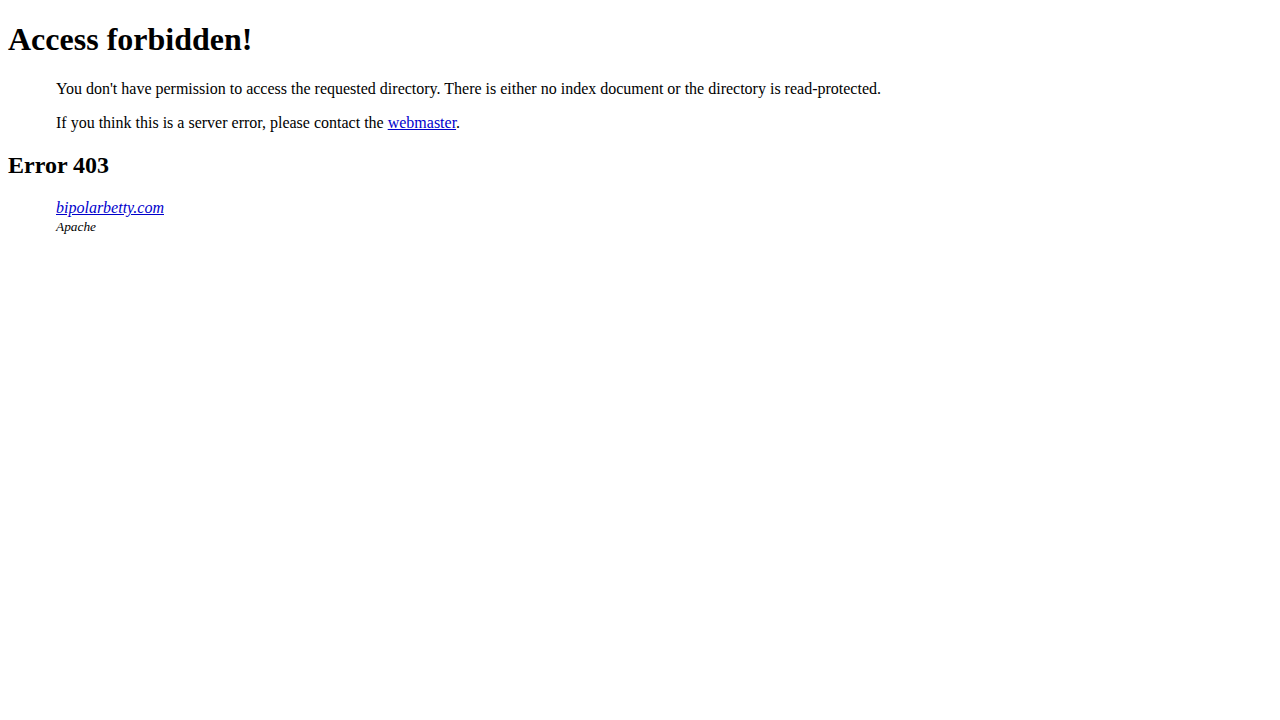
The homepage returned a 403 Forbidden error, and we didn’t detect internal links to any About or brand context pages. With the homepage inaccessible, we couldn’t confirm the presence of brand-defining pages from the main entry point.
Why this matters for AI SEO
AI systems look for clear “who you are” context to build confidence in what the brand represents. When that context isn’t accessible or easy to find, it weakens understanding and trust.
Next step
Ensure the homepage is accessible to crawlers and clearly links to an About/brand context page.
❌ No Wikidata entity was found for the brand
What we saw
A Wikidata item ID for the brand was missing or null in the results. That suggests there isn’t a recognized Wikidata entity connected to the brand.
Why this matters for AI SEO
Knowledge sources like Wikidata often help AI systems disambiguate brands and connect them to consistent facts. When that entity is missing, it can be harder for AI to confidently identify and describe the brand.
Next step
Create or align a Wikidata entity for the brand and ensure it reflects accurate, consistent identifying information.
Performance
❌ Page content wasn’t accessible for performance-related review
What we saw
Anti-bot protection was detected, and the grader couldn’t access the actual page content needed for evaluation. Because of that, performance-related signals couldn’t be assessed.
Why this matters for AI SEO
When AI systems can’t reliably retrieve your pages, they can’t consistently interpret or reuse your content. That reduces the likelihood of your pages being pulled into AI-driven experiences.
Next step
Allow crawlers to load representative page content so these signals can be reviewed and understood.
Reputation
❌ Reputation signals couldn’t be evaluated from the site
What we saw
Anti-bot protection prevented access to the page content during grading. That limited what we could verify in terms of reputation-oriented signals.
Why this matters for AI SEO
AI systems lean on clear, consistent trust and reputation cues when deciding what to cite or summarize. If those cues can’t be accessed, the brand is harder to validate.
Next step
Make sure crawlers can access the pages where brand and trust context is presented so those signals can be interpreted.
LLM-Ready Content
❌ Content quality and structure couldn’t be assessed
What we saw
Anti-bot protection was detected, and we weren’t able to access the actual page content for grading. That means we couldn’t evaluate how clearly the content is presented for AI understanding.
Why this matters for AI SEO
If AI systems can’t read your content, they can’t summarize it accurately or pull it into answers. This creates a visibility gap even when the underlying content may be strong.
Next step
Ensure key content pages are accessible to crawlers so AI systems can consistently parse and understand what you publish.
Does Anything Seem Off?
Thanks for taking our free GEO Grader for a spin. When we started this journey, the tool had a fairly long processing time to check everything we wanted both onsite and offsite, so we made a few adjustments on the backend to speed things up. As a result, there are times when the grader may not get everything 100% right. If something feels off, we recommend running the tool a second time to confirm the results. From there, you’re always welcome to reach out to us to schedule a GEO consultation, or to have your SEO provider validate the findings with a more detailed crawl and manual review.
