
Overview:
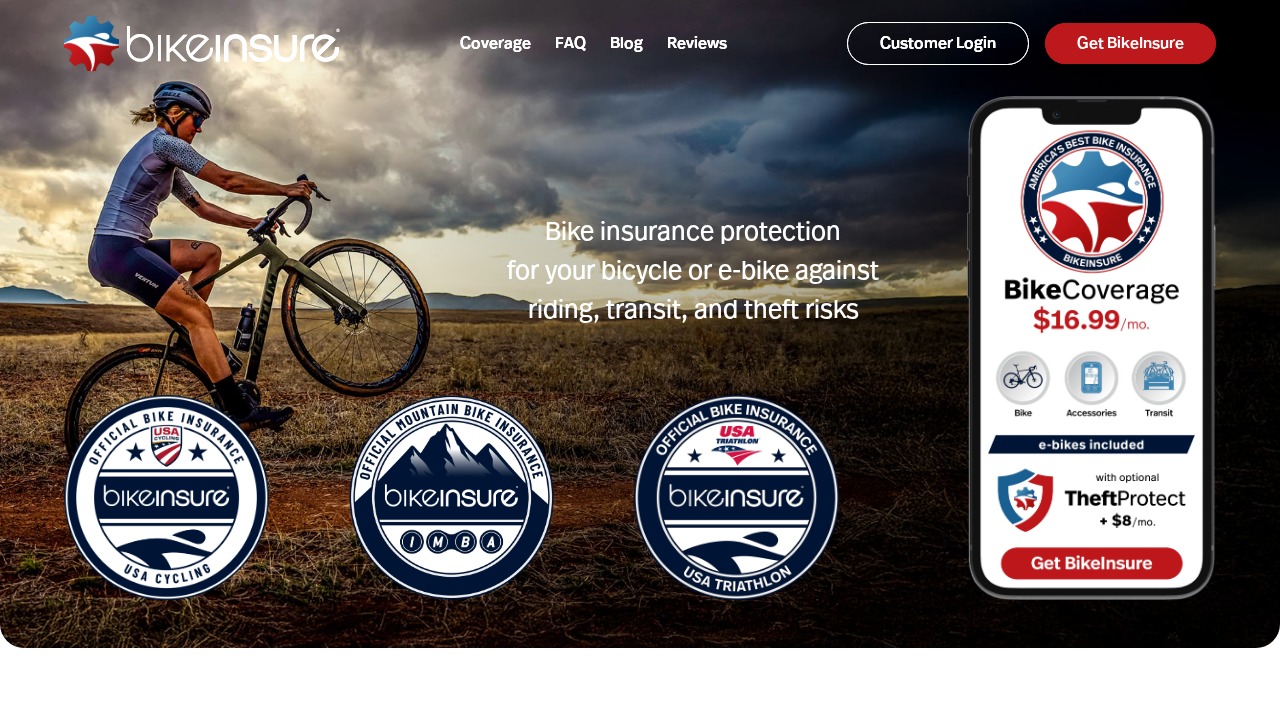
On 04/18/26 bikeinsure.com scored 43% — **Below Average** – Overall, the site has a solid base, but a few key visibility and trust signals are either missing or hard to verify right now
Executive summary
Score Breakdown (High Level)
- Discoverability: 83% - The site is highly discoverable with clear sitemaps and metadata, though it lacks specialized sitemaps for images and video.
- Structured Data: 58% - The site has professional-grade schema on the homepage, but the absence of resource page data prevented a full review of authorship and blog-level markup.
- AI Readiness: 50% - The site has a solid foundation with accessible crawling and clear brand context, though the sitemap lacks update timestamps and there's no Wikidata entity yet.
- Performance: 50% - The homepage struggles with a very slow initial load time of over 10 seconds, though it remains stable and responsive once it actually renders.
- Reputation: 35% - The brand shows strong social and review signals, but the lack of a Wikidata entry and a negative client mention are currently acting as bottlenecks for its reputation.
- LLM-Ready Content: 16% - The page lacks clear author attribution and publication dates, and the content structure—while readable—doesn't fully utilize descriptive subheadings or concise "answer-first" paragraphing for optimal AI comprehension.

What stands out most overall
The big picture is that the site is generally findable, but it’s missing some of the “confidence” signals AI systems lean on when deciding what to trust and reuse. Several of the gaps aren’t about bad content—they’re about missing clarity around identity, credibility, and how the content is framed for quick understanding. Next, we’ll walk through the specific areas where those signals didn’t show up so you can see exactly what’s getting in the way. None of this is unusual, and it’s all the kind of stuff that can be made much clearer once you know where to look.
Detailed Report
Discoverability
❌ Image or video sitemap not found
What we saw
We didn’t see any dedicated image or video sitemap available for the site.
Why this matters for AI SEO
When rich media isn’t clearly surfaced, AI systems may have a harder time discovering and reusing visual content in answers and summaries.
Next step
Add a dedicated image and/or video sitemap so media content is easier for crawlers to find and interpret.
Structured Data
❌ Resource/blog page structured data couldn’t be verified
What we saw
A resource/blog page wasn’t available in the materials we reviewed, so we couldn’t confirm whether that page includes structured data.
Why this matters for AI SEO
If AI systems can’t reliably read consistent page-level context on key content pages, it’s harder for them to summarize and cite the content accurately.
Next step
Provide a representative resource/blog URL (or page output) so structured data on content pages can be validated.
❌ Blog author identity couldn’t be verified
What we saw
Because the resource/blog page wasn’t available to review, we couldn’t confirm whether posts show a clear, non-generic author.
Why this matters for AI SEO
Clear authorship helps AI systems assess who’s behind the content, which can influence how confidently the content is used in generated responses.
Next step
Make sure resource/blog posts clearly identify a real author (not just the brand name) so that attribution is unambiguous.
❌ Author profile links couldn’t be verified
What we saw
We weren’t able to review the resource/blog page, so we couldn’t confirm whether author profiles include supporting identity links.
Why this matters for AI SEO
When an author’s identity can be connected to consistent profiles, AI systems have an easier time trusting and contextualizing the source.
Next step
Ensure author profiles include clear supporting identity links (like official profile URLs) so AI systems can connect the dots.
AI Readiness
❌ Sitemap freshness signals weren’t found
What we saw
The sitemap didn’t include update timestamps, so it wasn’t clear when pages were last modified.
Why this matters for AI SEO
AI crawlers use freshness cues to understand what’s current, especially for topics where details can change over time.
Next step
Include last-updated timestamps in the sitemap so recency is clearer to crawlers.
❌ No Wikidata entity found for the brand
What we saw
We didn’t see a Wikidata entity associated with the brand.
Why this matters for AI SEO
Without a strong external identity anchor, AI systems can be less confident about matching your brand to the right entity and attributes.
Next step
Create and/or claim a Wikidata entry that clearly maps to the official brand identity.
Performance
❌ Main content took too long to appear on mobile
What we saw
The primary on-page content was slow to fully render, creating a noticeable delay before the page feels “ready.”
Why this matters for AI SEO
When pages load slowly, crawlers and users can engage less with the content, which can reduce how consistently it’s discovered and reused.
Next step
Identify what’s delaying the first meaningful render of the main page content and reduce that load time.
Reputation
❌ Negative client coverage expectations were surfaced
What we saw
We found an affirmed negative client assertion tied to policy coverage expectations.
Why this matters for AI SEO
When negative themes show up in brand narratives, AI systems may reflect those concerns in summaries or recommendations.
Next step
Review the specific coverage-related complaint themes and make sure your public-facing explanations align clearly with real policy expectations.
❌ Brand recognition across AI models couldn’t be confirmed
What we saw
From the information available in this run, we couldn’t verify that the brand is consistently recognized across multiple AI systems.
Why this matters for AI SEO
If recognition is inconsistent, AI answers may be more likely to omit the brand or misattribute details.
Next step
Validate that the brand is described consistently across major public sources that AI systems commonly reference.
❌ Consistent brand identity signals couldn’t be verified
What we saw
We couldn’t confirm consistent identity details (like matching brand name and address) across the sources used in this review.
Why this matters for AI SEO
When identity signals don’t line up cleanly, AI systems can hesitate or merge details with similar entities.
Next step
Audit your core identity details across major listings and profiles to ensure they match exactly.
❌ Wikidata identity match couldn’t be confirmed
What we saw
We didn’t see a confirmed Wikidata match for the brand in the information provided.
Why this matters for AI SEO
Wikidata can act as a strong reference point for entity understanding, and gaps here can reduce confidence in brand-level facts.
Next step
Establish a Wikidata entry (or improve an existing one) that clearly maps to the official brand.
❌ Official identity anchors weren’t verified
What we saw
We weren’t able to confirm the presence of strong official identity anchors connected to a brand entity.
Why this matters for AI SEO
Official anchors help AI systems trust that they’re referencing the right organization, not a lookalike or partial match.
Next step
Ensure your official identity anchors are present and consistent wherever your brand is represented publicly.
❌ Review sources weren’t clearly tied to concrete platforms
What we saw
While reviews exist, we couldn’t confirm clearly named, concrete review sources from the information available.
Why this matters for AI SEO
AI systems tend to trust reputation signals more when they can be traced back to recognizable third-party platforms.
Next step
Make sure your review presence is clearly attributable to specific, well-known platforms.
❌ Consistent confirmation of major social profiles wasn’t verified
What we saw
Even though the homepage links to social profiles, we couldn’t confirm consistent agreement on those official profiles from the information available.
Why this matters for AI SEO
When official profiles aren’t consistently recognized, AI systems can point users to the wrong account or avoid citing social proof altogether.
Next step
Align your official social profiles across your site and major third-party references so they’re consistently associated with the brand.
❌ Independent coverage wasn’t found
What we saw
We didn’t see clear evidence of independent (offsite) press or coverage in the information provided.
Why this matters for AI SEO
Independent mentions can strengthen credibility and help AI systems understand the brand beyond its own messaging.
Next step
Compile and reference any independent coverage the brand has earned so it’s easier to validate externally.
❌ Owned press/press releases weren’t found
What we saw
We didn’t see an onsite area that clearly functions as press coverage or press releases in the information provided.
Why this matters for AI SEO
A clear record of announcements and updates can make it easier for AI systems to pull accurate, up-to-date brand context.
Next step
Create a clearly labeled place on the site for company news or announcements so brand updates are easy to reference.
LLM-Ready Content (Blog Analysis)
Heads up: this section looks at one article as a snapshot, so it’s a little more interpretive than the rest of the report and may shift slightly from run to run. Have questions? Just shoot us an email at hello@v9digital.com
❌ No clear author listed
What we saw
We didn’t find a specific person author associated with the page; attribution appeared to be to the brand rather than an individual.
Why this matters for AI SEO
When authorship is vague, AI systems have a harder time evaluating who created the information and how credible it should be.
Next step
Add a clear, non-generic author name to the page so the source is easy to verify.
❌ No publish or update date found
What we saw
We didn’t see a clear publication date or “last updated” date in the page content.
Why this matters for AI SEO
Without a visible date, AI systems may treat the content as potentially stale, especially for guidance that can change.
Next step
Display a publish date and/or last updated date directly on the page.
❌ Content freshness couldn’t be confirmed
What we saw
Because no update date was present, we couldn’t confirm that the content has been maintained recently.
Why this matters for AI SEO
Freshness is a trust cue that helps AI systems decide what to reuse when summarizing or recommending content.
Next step
Add an explicit “last updated” date when the content is reviewed so recency is clear.
❌ No non-social outbound links
What we saw
The page’s outbound links appeared limited to internal destinations and social profiles, without a clear link to an external non-social source.
Why this matters for AI SEO
External citations can help AI systems see how your content connects to the wider web and validate key claims.
Next step
Include at least one relevant non-social external link that supports or contextualizes the page’s main points.
❌ One section was overly dense
What we saw
The FAQ-style section ran long enough that it reads like a single dense block rather than easily scannable chunks.
Why this matters for AI SEO
When information isn’t neatly segmented, AI systems can struggle to extract clean, reusable answers.
Next step
Break the long FAQ block into smaller, clearly separated sections so key points are easier to parse.
❌ No data table found
What we saw
We didn’t see a table used to organize any structured information on the page.
Why this matters for AI SEO
Tables can make it easier for AI systems to extract precise comparisons, definitions, and other structured details.
Next step
Add a simple table where it naturally fits (for example, comparing coverage scenarios or key terms).
❌ Some subheadings were too generic
What we saw
Several subheadings were short or broad (for example, labels like “Customer Stories” and “Get Answers”), making it harder to tell what the section is really about.
Why this matters for AI SEO
Descriptive headings help AI systems categorize sections correctly and pull the right snippets for specific questions.
Next step
Rewrite generic headings into more specific, descriptive subheadings that reflect the actual questions being answered.
Does Anything Seem Off?
Thanks for taking our free GEO Grader for a spin. When we started this journey, the tool had a fairly long processing time to check everything we wanted both onsite and offsite, so we made a few adjustments on the backend to speed things up. As a result, there are times when the grader may not get everything 100% right. If something feels off, we recommend running the tool a second time to confirm the results. From there, you’re always welcome to reach out to us to schedule a GEO consultation, or to have your SEO provider validate the findings with a more detailed crawl and manual review.
