
Overview:
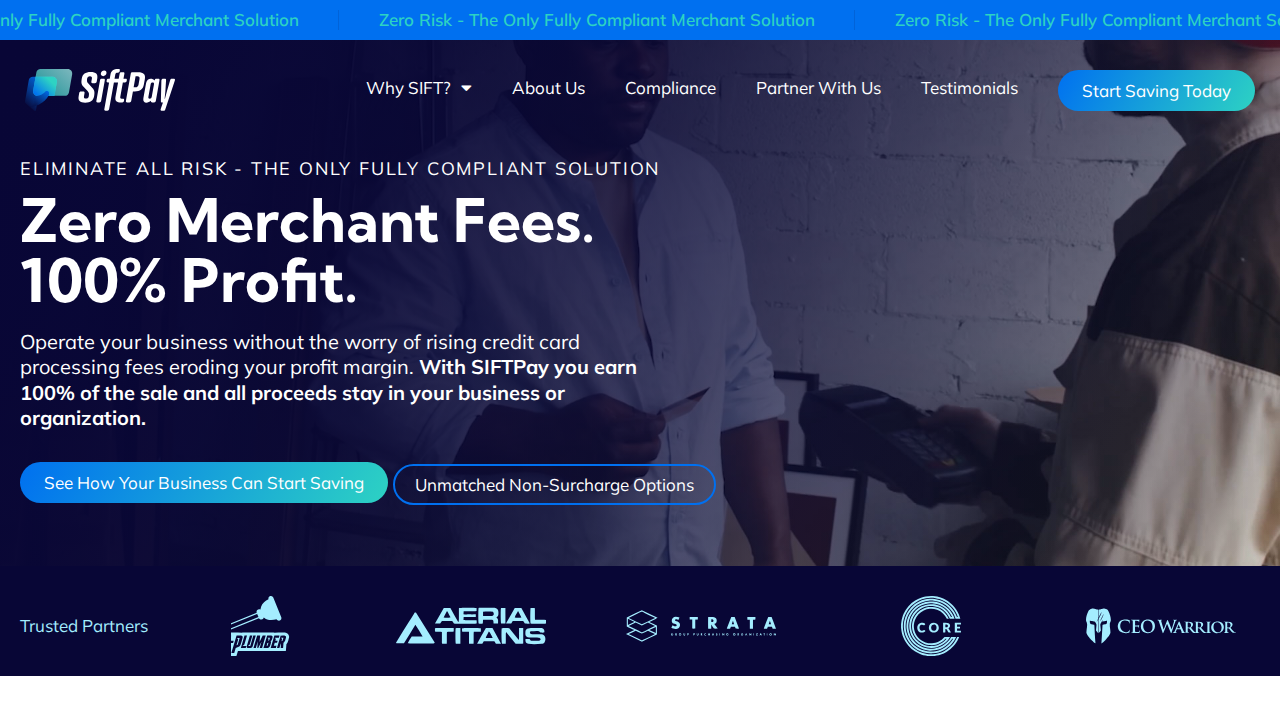
On 01/27/26 gotsift.com/ scored 47% — **Below Average** – Overall, the site is easy to access and navigate, but it’s missing a few key signals that help AI systems clearly understand the brand and its content.
Executive summary
Score Breakdown (High Level)
- Discoverability: 100% - Overall, this section looks to be in good shape for basic access, though we didn't see any sitemaps for images or videos.
- Structured Data: 33% - We found basic homepage schema, but the lack of organization-specific markup and resource page data makes this section a significant gap for GEO.
- AI Readiness: 67% - Overall, this section is in good shape, though we weren't able to find a Wikidata entry to help confirm the brand's identity for AI engines.
- Performance: 67% - Overall, this section looks to be in good shape, with the homepage passing all key speed and stability tests for mobile users.
- Reputation: 12% - Search engines are confusing your brand with a larger tech company, and the lack of a Wikidata record and social media links on your homepage are major bottlenecks for your reputation.
- LLM-Ready Content: 36% - The site is technically current and well-linked, but the lack of an identified author and thin section content limits its effectiveness for generative AI indexing.

The big picture before the details
What stands out most is that the site’s baseline crawlability is in a good place, but the brand and content signals aren’t coming through as clearly as they could. The gaps here aren’t “errors” so much as missing context that can make it harder for AI systems to confidently identify the business, distinguish it from similar names, and reuse content excerpts. The next section breaks down the specific areas where clarity and trust signals were either missing, incomplete, or couldn’t be verified from the provided data. Overall, this is a manageable set of issues once you know exactly where they’re showing up.
Detailed Report
Discoverability
❌ Missing descriptive image alt text
What we saw
Images were present, but the detected alt text fields were empty. That means there wasn’t a clear text description accompanying the visuals.
Why this matters for AI SEO
When visuals don’t have plain-language descriptions, AI systems have less context to understand what the page is showing and why it matters. This can reduce how confidently your pages get interpreted and summarized.
Next step
Add short, descriptive alt text to key images so the visuals contribute meaningfully to the page’s overall message.
❌ Missing image or video discovery support
What we saw
We didn’t find any dedicated image or video sitemap information in the site data. As a result, media content doesn’t have an extra layer of support for being discovered.
Why this matters for AI SEO
AI-driven discovery often benefits from clearer, more explicit signals about media assets and how they relate to the site. Without that, rich content can be easier to miss or harder to connect back to your brand.
Next step
Create and publish dedicated discovery support for image and/or video assets so they’re easier to identify and associate with your site.
Structured Data
❌ Missing organization-specific structured data
What we saw
We didn’t detect organization-related types on the homepage. The structured data that was present didn’t clearly define the business entity itself.
Why this matters for AI SEO
When the brand entity isn’t clearly defined, AI systems have a harder time tying your site to the right company profile and attributes. That can lead to weaker brand understanding and less consistent references.
Next step
Add organization-focused structured data that clearly describes who the business is and how it should be identified.
❌ Resource/blog structured data couldn’t be evaluated
What we saw
A resource/blog page file wasn’t provided for evaluation, so we couldn’t confirm whether article-level structured data is present there. This leaves a blind spot around how content pages are defined.
Why this matters for AI SEO
If AI systems can’t reliably interpret content pages as “articles” with clear context, it can limit how confidently they reuse or cite that content. Clear content definitions also help reduce ambiguity about what a page represents.
Next step
Ensure your resource/blog pages include clear structured data that describes the content and its key attributes.
❌ Author details couldn’t be verified on content pages
What we saw
Because the resource/blog page wasn’t provided, we couldn’t confirm whether posts have a clear, non-generic author. That makes it harder to validate who stands behind the content.
Why this matters for AI SEO
AI systems tend to place more trust in content when authorship is explicit and consistent. Missing or unverified author signals can make content feel less attributable.
Next step
Make sure each resource/blog post clearly identifies a real author and presents that consistently.
❌ Author identity links couldn’t be verified
What we saw
We couldn’t evaluate whether author profiles include supporting identity links because the resource/blog page wasn’t provided. That means we can’t confirm the author’s external identity footprint is connected.
Why this matters for AI SEO
When author identity signals aren’t clearly connected, AI systems have less evidence to trust that the author is a real, consistent entity. This can reduce credibility signals around content.
Next step
Connect author profiles to consistent identity references so authors are easier to verify across the web.
AI Readiness
❌ No Wikidata entity found for the brand
What we saw
We didn’t find a Wikidata Item ID for the brand in the provided data. That means there wasn’t a clear public entity reference to anchor the brand identity.
Why this matters for AI SEO
Without a strong, consistent entity reference, AI systems can struggle to confidently “pin down” who the brand is. This can contribute to confusion in how the brand is represented or distinguished.
Next step
Establish a clear Wikidata entity for the brand so AI systems have a reliable reference point.
Reputation
❌ Negative employee sentiment surfaced
What we saw
The evaluation identified negative employee feedback related to management organization and compensation levels. This was the only explicitly noted negative sentiment in the packet.
Why this matters for AI SEO
AI systems often incorporate reputation context when summarizing or describing a company. Negative sentiment can influence how trust and credibility are portrayed.
Next step
Review the specific reputation narratives showing up and decide how you want your employer and culture story represented publicly.
❌ Brand recognition across models couldn’t be confirmed
What we saw
The data needed to confirm broad brand recognition wasn’t present in the packet. Because of that, we couldn’t validate how consistently the brand is being recognized.
Why this matters for AI SEO
If recognition signals aren’t clear or can’t be verified, AI systems may be less confident when presenting your brand as a known entity. That can affect how often and how accurately you show up in AI-generated answers.
Next step
Validate and document consistent brand references across reputable sources so recognition is easier to confirm.
❌ Brand identity consistency couldn’t be verified
What we saw
The packet didn’t include the consensus/conflict details needed to confirm identity consistency. Separately, the narrative notes an identity conflict where models confuse Sift Payments with another company.
Why this matters for AI SEO
When AI systems mix up brand identities, it undermines trust and can lead to incorrect summaries, mismatched details, or attribution to the wrong company. This is a direct visibility and credibility blocker.
Next step
Clarify the brand’s unique identity footprint so AI systems can consistently separate it from similarly named entities.
❌ No matching Wikidata entity identified
What we saw
No matching Wikidata entity was identified for the brand. This aligns with the broader absence of Wikidata anchoring noted elsewhere.
Why this matters for AI SEO
Wikidata often serves as a strong “source of truth” reference for AI knowledge and entity reconciliation. Without it, brand identity can be more fragile or inconsistent.
Next step
Create and confirm an official Wikidata entity that aligns to the brand’s correct name and details.
❌ Missing Wikidata identity anchors
What we saw
Wikidata identity anchors were not detected. This leaves fewer strong connectors between your site and third-party identity references.
Why this matters for AI SEO
Identity anchors help AI systems connect “this website” to “this real-world entity.” Missing anchors can increase ambiguity and make brand verification harder.
Next step
Add consistent identity anchors that tie the brand to its official external entity references.
❌ Reviews signal couldn’t be confirmed
What we saw
Reconciled review existence data was missing from the provided packet. That means we couldn’t confirm the presence of third-party reviews in a reliable way.
Why this matters for AI SEO
Reviews are a common trust signal that AI systems may use when describing legitimacy and customer experience. If those signals aren’t clear or verifiable, trust context can be weaker.
Next step
Compile a clear set of third-party review sources associated with the brand so trust signals are easier to validate.
❌ Review source coverage couldn’t be verified
What we saw
The packet was missing the information needed to confirm how many concrete review sources exist. This makes it hard to assess how broad or consistent review visibility is.
Why this matters for AI SEO
AI summaries tend to be more confident when they can corroborate claims across multiple independent sources. Limited or unverified sources can reduce confidence.
Next step
Document the specific review platforms where the brand is present so those sources can be consistently recognized.
❌ Social profile consensus couldn’t be confirmed
What we saw
Social profile consensus data was missing from the packet. We couldn’t confirm which profiles are treated as the official set.
Why this matters for AI SEO
When official profiles aren’t clearly corroborated, it’s harder for AI systems to validate brand presence off-site. That can weaken identity confidence and attribution.
Next step
Confirm and standardize the brand’s official social profiles so they’re consistently associated with the website.
❌ Homepage doesn’t link to major social profiles
What we saw
No outbound links to major social media domains (like LinkedIn, Facebook, or X) were found on the homepage. That removes a straightforward way to verify official profiles.
Why this matters for AI SEO
Direct, official cross-links make it easier for AI systems to connect your site with your verified off-site presence. Without them, identity and trust signals can be harder to confirm.
Next step
Add clear homepage links to the brand’s official social profiles to reinforce off-site identity signals.
❌ Independent press visibility couldn’t be confirmed
What we saw
Reconciled independent press data was missing from the packet, so we couldn’t confirm whether independent coverage is being recognized consistently.
Why this matters for AI SEO
Independent mentions can act as credibility signals that help AI systems describe a company with more confidence. If those signals aren’t clear, the brand story may rely on fewer external validations.
Next step
Gather and validate a set of independent press mentions tied clearly to the brand.
❌ Owned press visibility couldn’t be confirmed
What we saw
Reconciled owned press data was missing from the packet. We couldn’t validate how your own announcements and press pages are being recognized.
Why this matters for AI SEO
Owned coverage can help AI systems understand your key claims, milestones, and positioning—especially when it’s consistent and easy to attribute. If it’s not clearly visible, the brand narrative can be thinner.
Next step
Create a clear, consistent set of owned press references that are easy to associate with the brand.
LLM-Ready Content (Blog Analysis)
Heads up: this section looks at one article as a snapshot, so it’s a little more interpretive than the rest of the report and may shift slightly from run to run. Have questions? Just shoot us an email at hello@v9digital.com
❌ No clear human author shown
What we saw
No specific individual (or otherwise non-generic author) was identified on the page content or in the available markup. The page reads as “brand-written,” but without a named person attached.
Why this matters for AI SEO
Authorship helps AI systems attribute content to a real source, which can improve trust and reduce ambiguity. When authorship is missing, content can feel less grounded.
Next step
Add a clear, non-generic author name to the page so the content has a specific source.
❌ Sections are too short for deeper context
What we saw
The content is broken into sections, but the sections are consistently brief. This makes it harder for each section to carry enough context on its own.
Why this matters for AI SEO
AI systems tend to understand and reuse content more confidently when sections contain enough detail to stand alone. Short sections can lead to thin or fragmented interpretations.
Next step
Expand key sections so each one explains its point with enough context to be understood independently.
❌ No table-based summary found
What we saw
No HTML table element was detected on the page. That means there isn’t a structured “at-a-glance” block for comparisons or key takeaways.
Why this matters for AI SEO
Structured summaries can help AI systems extract and restate key points accurately. Without them, important details can be harder to pull cleanly.
Next step
Add a simple table where it naturally fits to summarize key details or comparisons.
❌ Subheadings aren’t consistently descriptive
What we saw
Many subheadings were judged as too generic compared to the content that followed. In other words, the headings don’t always preview what the section is actually about.
Why this matters for AI SEO
Clear subheadings help AI systems map structure and extract meaning quickly. When headings are vague, the content becomes harder to scan, summarize, and cite.
Next step
Rewrite subheadings to be more specific and clearly aligned with the first idea in each section.
❌ Key answers don’t show up early in sections
What we saw
Key information wasn’t consistently prioritized at the start of sections. Several sections begin without quickly establishing the main takeaway.
Why this matters for AI SEO
AI systems often rely on early section cues to understand what a block is “about.” When the main point is buried, extraction and summarization can become less accurate.
Next step
Adjust section openings so the core takeaway appears right at the beginning more consistently.
Does Anything Seem Off?
Thanks for taking our free GEO Grader for a spin. When we started this journey, the tool had a fairly long processing time to check everything we wanted both onsite and offsite, so we made a few adjustments on the backend to speed things up. As a result, there are times when the grader may not get everything 100% right. If something feels off, we recommend running the tool a second time to confirm the results. From there, you’re always welcome to reach out to us to schedule a GEO consultation, or to have your SEO provider validate the findings with a more detailed crawl and manual review.
