
Overview:
On 05/06/26 thatonefirm.com scored 67% — **Decent** – Overall, the site comes across as solid and easy to recognize, with a few clarity gaps that could limit how confidently AI systems interpret and repeat key details.
Executive summary
Score Breakdown (High Level)
- Discoverability: 100% - The site's technical foundation for discovery is solid and wide open for crawlers, though it's currently missing specific sitemaps and alt text for its visual content.
- Structured Data: 58% - The homepage has clean, error-free Organization schema in place, but we weren't able to verify any structured data or author details on the resource and blog side of things.
- AI Readiness: 67% - The site has a solid technical foundation with accessible sitemaps and open crawler access, though it lacks a Wikidata entity to reinforce brand authority for AI models.
- Performance: 67% - The homepage mobile performance is solid across the board, staying well within the range needed to avoid being flagged as poor by Google.
- Reputation: 73% - The brand has a solid foundation with verified social profiles and reviews, but identity conflicts and a lack of independent press coverage are currently holding back its authority signals.
- LLM-Ready Content: 48% - The site demonstrates strong author authority and freshness, but the highly fragmented content structure and unexplained technical terms may slightly limit how effectively AI systems can parse the full context.

The big picture on AI visibility
The main takeaway is that the site has a solid baseline for being found and understood, but a few key signals are either missing or inconsistent in ways that can make AI summaries less confident. These aren’t “errors” so much as clarity gaps—places where the story is harder to verify, attribute, or cleanly pull into an answer. The sections below break down the specific areas where that uncertainty showed up, from how resources are described to how the brand is represented offsite. Overall, this is a manageable set of issues, and the report should make it clear what’s driving them.
Detailed Report
Discoverability
❌ Core metadata missing for a key image
What we saw
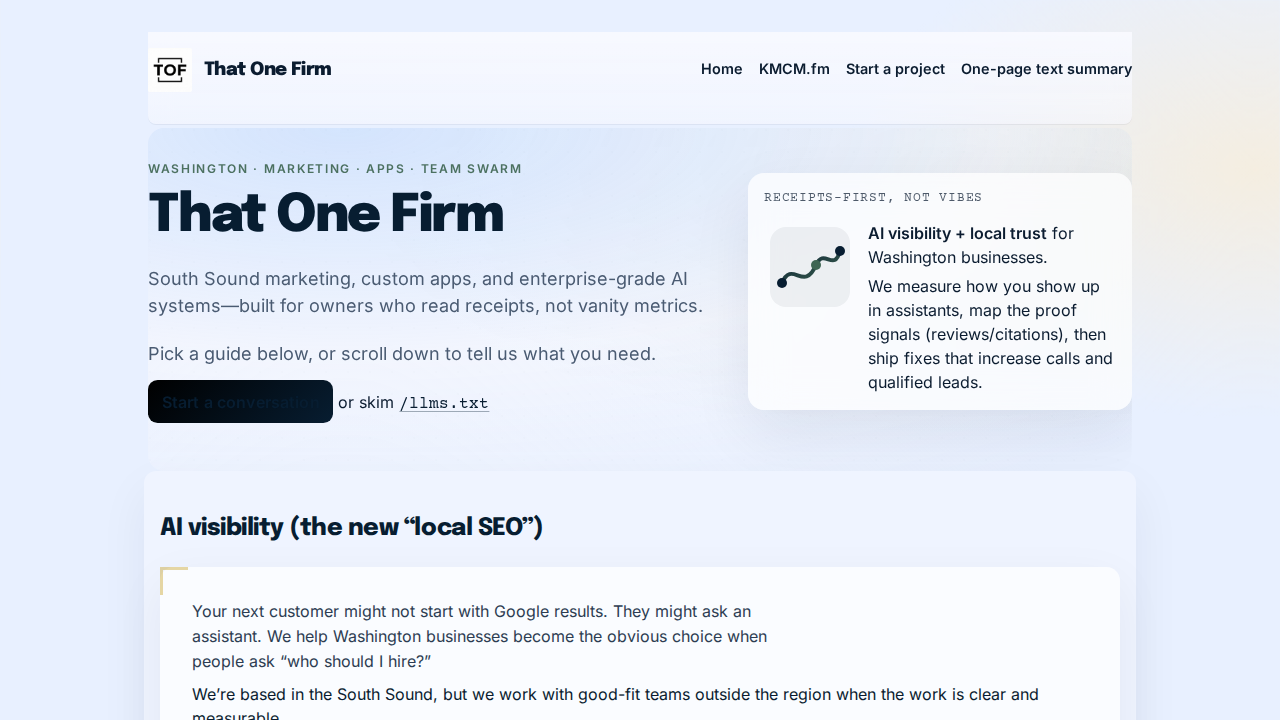
A primary image on the homepage was found with an empty text description, so there’s no clear label describing what that image represents.
Why this matters for AI SEO
When AI systems summarize or reference a brand, missing image descriptions can reduce confidence in what the image is (and how it relates to the company), especially in assistant-style results.
Next step
Add a clear, specific text description for the main brand image so it’s unambiguous what it represents.
❌ Media discovery signals not found
What we saw
We didn’t find dedicated discovery files for images or videos, so there’s no extra layer of guidance pointing crawlers to media content.
Why this matters for AI SEO
AI-driven discovery often relies on strong, consistent signals to understand what media exists and how it ties back to the brand, and missing signals can make that media easier to overlook.
Next step
Publish and reference dedicated discovery files for image and/or video content so media is easier to find and connect to the site.
Structured Data
❌ Structured data not found on a resource/blog page
What we saw
A resource/blog page wasn’t available for evaluation, so we couldn’t confirm any structured details on that type of page.
Why this matters for AI SEO
If AI systems can’t consistently read structured details on content pages, they may have a harder time understanding what a piece is about and when to cite it.
Next step
Make sure a representative resource/blog page is accessible and includes clear structured details that describe the page and its content.
❌ Author not confirmed on a resource/blog post
What we saw
Because the resource/blog page was missing or unavailable, we weren’t able to confirm a clear, non-generic author for that content.
Why this matters for AI SEO
Clear authorship helps AI systems attribute information to a real person, which can improve trust and reduce “who said this?” ambiguity.
Next step
Ensure resource/blog posts visibly show a specific author name that’s consistent across the site.
❌ Author identity references not confirmed
What we saw
We couldn’t confirm any author identity references on the resource/blog page due to it being missing or unavailable for evaluation.
Why this matters for AI SEO
When AI systems can’t connect an author to consistent external identity references, it can be harder to disambiguate that person and build confidence in attribution.
Next step
Include consistent author identity references alongside author details on content pages where applicable.
AI Readiness
❌ No Wikidata entity found for the brand
What we saw
We didn’t find a Wikidata entity associated with the brand in the provided results.
Why this matters for AI SEO
Wikidata is a common reference point AI systems use to confirm “who’s who,” and not having an entry can make brand verification less certain.
Next step
Create or claim a Wikidata entry for the brand and connect it to the official brand identity.
Reputation
❌ Brand location details appear inconsistent
What we saw
We saw conflicting location information, where one source pointed to Dallas, while the site presents a Washington location.
Why this matters for AI SEO
When AI systems see conflicting “who/where” details, they’re more likely to hedge, confuse entities, or repeat the wrong information.
Next step
Align the brand’s location details across public sources so the same place is consistently reinforced.
❌ No Wikidata entry confirmed offsite
What we saw
We didn’t find a Wikidata entry for the brand in the offsite identity signals reviewed.
Why this matters for AI SEO
Without that shared reference point, it can be harder for AI systems to confidently connect brand mentions, profiles, and attributes into one clean entity.
Next step
Establish a Wikidata entry for the brand that matches the official identity used across the web.
❌ No Wikidata identity anchors confirmed
What we saw
Because no Wikidata entry was found, there were no confirmed identity anchors there (like official website links or identifiers).
Why this matters for AI SEO
Identity anchors help AI systems verify they’re referencing the right organization, especially when names are similar or location signals conflict.
Next step
Add official brand identity anchors to Wikidata so the entity can be reliably verified.
❌ Independent press coverage not confirmed
What we saw
We weren’t able to confirm verifiable independent press mentions or list-style coverage in the results.
Why this matters for AI SEO
Independent mentions are a common trust signal for AI systems, because they act as third-party confirmation that a brand is established and noteworthy.
Next step
Build a clearer footprint of independent mentions that unmistakably reference the brand.
LLM-Ready Content (Blog Analysis)
Heads up: this section looks at one article as a snapshot, so it’s a little more interpretive than the rest of the report and may shift slightly from run to run. Have questions? Just shoot us an email at hello@v9digital.com
❌ Content isn’t chunked into readable sections
What we saw
The page relies on many short, card-like sections, and the average section length is much shorter than what’s typically easiest for AI systems to ingest in coherent chunks.
Why this matters for AI SEO
When sections are extremely short or fragmented, AI systems can struggle to extract complete, reusable answers without missing context.
Next step
Restructure the content into fewer, more complete sections that each fully explain one idea before moving on.
❌ No table-based summary found (bonus)
What we saw
No table-style element was detected on the page.
Why this matters for AI SEO
Tables can make definitions, comparisons, and key takeaways easier for AI systems to pull accurately, especially when users ask for quick summaries.
Next step
Add a simple table where it naturally fits (like a comparison, checklist, or pricing/feature-style breakdown) to make key info more extractable.
❌ Subheadings aren’t consistently descriptive
What we saw
A meaningful portion of subheadings didn’t clearly line up with what the following section actually says, which can make the structure feel harder to scan.
Why this matters for AI SEO
AI systems often use headings as signposts to understand what each section is “about,” and vague headings can reduce extraction accuracy.
Next step
Rewrite subheadings so each one clearly previews the specific point or question the section answers.
❌ Key answers don’t show up early in sections
What we saw
Many sections lead with short fragments or interactive card text instead of a quick opening that explains the point in plain language.
Why this matters for AI SEO
When key takeaways aren’t introduced early, AI systems may pull partial lines without the context needed to form a reliable summary.
Next step
Add a short, clear opening paragraph to each major section that states the main takeaway up front.
Does Anything Seem Off?
Thanks for taking our free GEO Grader for a spin. When we started this journey, the tool had a fairly long processing time to check everything we wanted both onsite and offsite, so we made a few adjustments on the backend to speed things up. As a result, there are times when the grader may not get everything 100% right. If something feels off, we recommend running the tool a second time to confirm the results. From there, you’re always welcome to reach out to us to schedule a GEO consultation, or to have your SEO provider validate the findings with a more detailed crawl and manual review.
