
Overview:
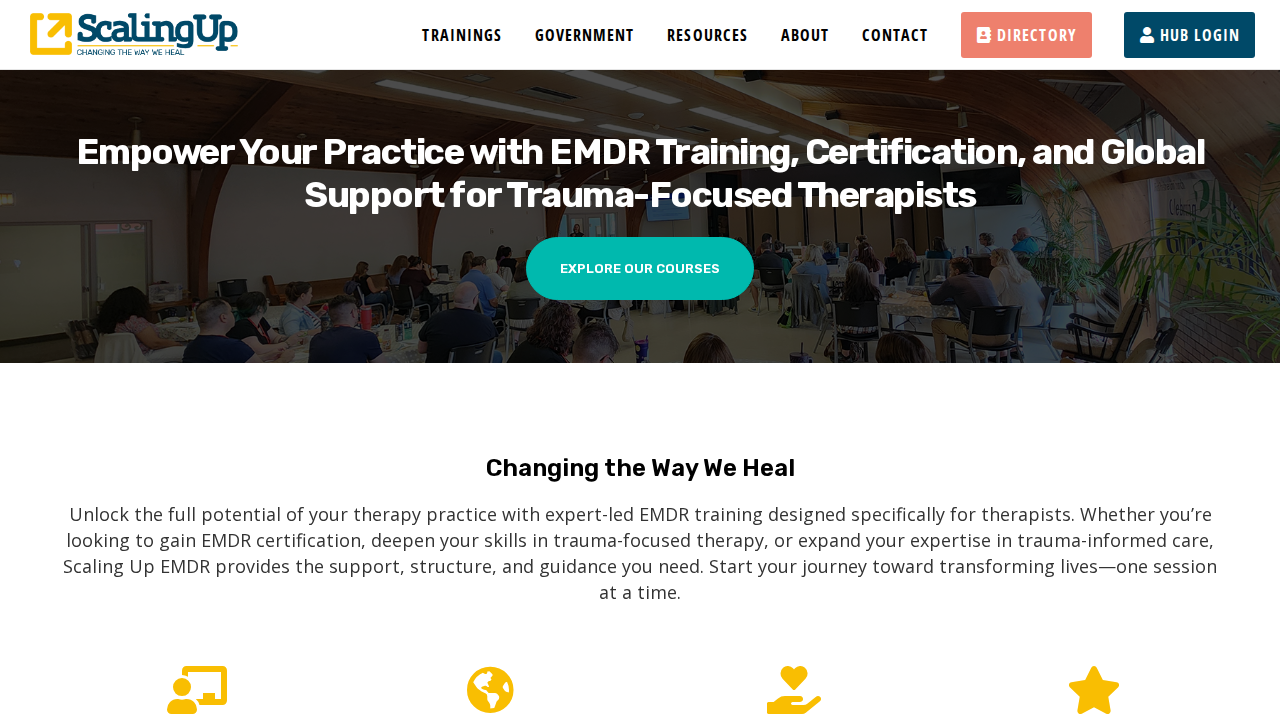
On 07/24/26 scalingupemdr.com scored 66% — **Decent** – Overall, the site has a solid foundation for AI visibility, but a few missing signals and content clarity gaps are holding it back.
Executive summary
Score Breakdown (High Level)
- Discoverability: 100% - The site is easily discoverable with all core metadata and access permissions in place, though it’s missing dedicated sitemaps for images and video.
- Structured Data: 58% - The homepage has solid organization and course markup with no technical errors, but we were unable to verify author-level schema because the resource page data wasn't provided.
- AI Readiness: 67% - The site has a very solid technical foundation for AI discovery, though it lacks a structured presence in the Wikidata knowledge base.
- Performance: 50% - Mobile performance looks healthy overall, though the layout shift on the homepage landed slightly outside the target range.
- Reputation: 73% - The brand has a solid foundation with positive recognition and social proof, though missing identity anchors like a physical address and a Wikidata presence are current bottlenecks.
- LLM-Ready Content: 56% - The page effectively signals authority through clear authorship and recent updates, but the content structure is overly fragmented and relies on several unexplained technical acronyms.

The big picture on AI visibility
What stands out most is that the site has a strong baseline, but a few important signals are either missing or not as clear as they could be for AI systems. The gaps here are mostly about how consistently your brand and content can be understood and cross-referenced, rather than anything being “wrong.” Below, we’ll walk through the specific areas that didn’t come through cleanly across discoverability, structured data, brand identity signals, performance stability, and content structure. None of this is unusual—it’s the kind of refinement that tends to show up once the fundamentals are already in place.
Detailed Report
Discoverability
❌ Missing image or video sitemap
What we saw
We didn’t find an image sitemap or a video sitemap in the site’s sitemap data. That means visual content may be harder to consistently surface through standard discovery paths.
Why this matters for AI SEO
Generative engines and modern search experiences often rely on strong content discovery signals to find and understand media assets. When visual content is harder to discover, it can reduce the chances those assets get pulled into AI answers and summaries.
Next step
Add a dedicated image and/or video sitemap so visual assets are easier to find and interpret.
Structured Data
❌ No structured data found for a blog/resource page
What we saw
We weren’t able to evaluate structured data on a blog/resource page because the resource page content we looked for was missing or empty. As a result, there wasn’t anything available to confirm how resource content is described to crawlers.
Why this matters for AI SEO
When blog/resource content isn’t clearly described, AI systems have a harder time understanding what the page is, how it relates to the rest of the site, and what it should be considered a source for. That can limit how often resource content is used as a reference in AI-generated responses.
Next step
Make sure your blog/resource pages are accessible and include clear structured data that describes the page and its content.
❌ Author information couldn’t be verified on a blog/resource post
What we saw
We couldn’t confirm a clear, non-generic author on a resource/blog post because the resource page content we checked was missing or empty. That left author attribution unverified for that content type.
Why this matters for AI SEO
Authorship is a core trust cue for AI systems, especially for educational or clinical topics. If author attribution isn’t clear on resource content, it can reduce how confidently that content is summarized or cited.
Next step
Ensure each resource/blog post clearly names a specific author in a way AI systems can consistently interpret.
❌ Author profile links weren’t present on a blog/resource post
What we saw
We couldn’t verify author profile links (like references to professional profiles) on a resource/blog post because the resource page content we looked for was missing or empty. That means we didn’t see any consistent way to connect authors to external identity references.
Why this matters for AI SEO
External identity references help AI systems disambiguate who an author is and connect them to a broader set of trusted sources. Without those links, it’s harder for generative engines to build confidence in the people behind the content.
Next step
Add consistent author profile references for resource/blog authors so their identity is easier to verify.
AI Readiness
❌ No Wikidata entity found for the brand
What we saw
We couldn’t find a Wikidata item ID associated with the brand. In practice, that means there’s no clear knowledge-base entity we can point to for disambiguation.
Why this matters for AI SEO
Many AI systems lean on structured knowledge bases to confirm “who is who” and connect brand mentions across the web. When that anchor is missing, it can be harder for generative engines to confidently tie your site to a verified entity.
Next step
Create and associate a Wikidata entity for the brand so it’s easier for AI systems to confirm identity.
Performance
❌ Homepage layout stability fell into a poor range
What we saw
The homepage showed more layout movement than expected during load (CLS was reported at 0.3006). That indicates page elements may shift around as the page renders.
Why this matters for AI SEO
When pages feel visually unstable, it can hurt user experience signals and make key content feel less reliable or harder to engage with. Over time, that can limit how confidently the page is treated as a good candidate for surfacing in AI-driven experiences.
Next step
Reduce unexpected layout shifts on the homepage so the main content stays visually consistent while loading.
Reputation
❌ Identity consistency is missing a physical address signal
What we saw
We didn’t see a consistent physical address associated with the brand in the digital footprint referenced by the report. That prevented identity consistency from being fully confirmed.
Why this matters for AI SEO
For organizations, strong identity anchors help AI systems connect brand mentions and reduce confusion with similarly named entities. When core identity signals are incomplete, it can weaken trust and disambiguation.
Next step
Add a consistent physical address signal across your primary brand presence so identity is easier to confirm.
❌ No Wikidata entity present in offsite authority records
What we saw
The report indicates there is no Wikidata entity for the brand in its broader authority records. This matches what showed up in the AI readiness checks.
Why this matters for AI SEO
A knowledge-base entity can act like a “single source of truth” that supports consistent recognition across models and datasets. Without it, AI systems may have less confidence in entity matching.
Next step
Establish a Wikidata presence for the brand to strengthen entity recognition across offsite signals.
❌ Independent press recognition didn’t show up in the evaluation’s consensus data
What we saw
While media mentions are referenced, they did not show up as “independent press mentions” in the LLM consensus data used for this evaluation. In other words, the brand’s independent coverage wasn’t strongly reflected in the sources being cross-referenced.
Why this matters for AI SEO
Independent coverage can act as third-party validation that supports trust and authority in AI-generated answers. When it’s not clearly reflected, generative engines may rely more heavily on your owned channels alone.
Next step
Strengthen the brand’s footprint in independent coverage sources that are more likely to be recognized broadly.
LLM-Ready Content (Blog Analysis)
Heads up: this section looks at one article as a snapshot, so it’s a little more interpretive than the rest of the report and may shift slightly from run to run. Have questions? Just shoot us an email at hello@v9digital.com
❌ Content sections were too fragmented
What we saw
The content was split into sections that averaged around 80 words, which is on the short side for building clear, reusable context. As a result, the page can feel a bit “choppy” from an AI reading perspective.
Why this matters for AI SEO
LLMs do better when each section carries enough self-contained meaning to summarize accurately. When sections are too short, it’s easier for key context to get lost or misinterpreted.
Next step
Rework section structure so each major section contains enough complete context to stand on its own.
❌ No table-based formatting was found
What we saw
We didn’t find a table element on the page. That means there wasn’t an obvious structured layout for summarizing key details in a compact, scan-friendly way.
Why this matters for AI SEO
Tables can make it easier for AI systems to extract specific facts, comparisons, and lists without guessing. When that structure isn’t present, the same info can be harder to pull cleanly into AI answers.
Next step
Add a simple table where it naturally fits to summarize key details that people tend to compare or scan.
❌ Subheadings weren’t descriptive enough
What we saw
Many subheadings were short or generic (examples noted included headings like “Media” and “Our Mission”), and they didn’t consistently reflect the section content. This makes the page outline less informative at a glance.
Why this matters for AI SEO
Clear subheadings help AI systems map the page and understand where specific topics are covered. When headings are vague, it can weaken how confidently the content is chunked and summarized.
Next step
Rewrite key subheadings so they clearly reflect what each section is actually about.
Does Anything Seem Off?
Thanks for taking our free GEO Grader for a spin. When we started this journey, the tool had a fairly long processing time to check everything we wanted both onsite and offsite, so we made a few adjustments on the backend to speed things up. As a result, there are times when the grader may not get everything 100% right. If something feels off, we recommend running the tool a second time to confirm the results. From there, you’re always welcome to reach out to us to schedule a GEO consultation, or to have your SEO provider validate the findings with a more detailed crawl and manual review.
