
Overview:
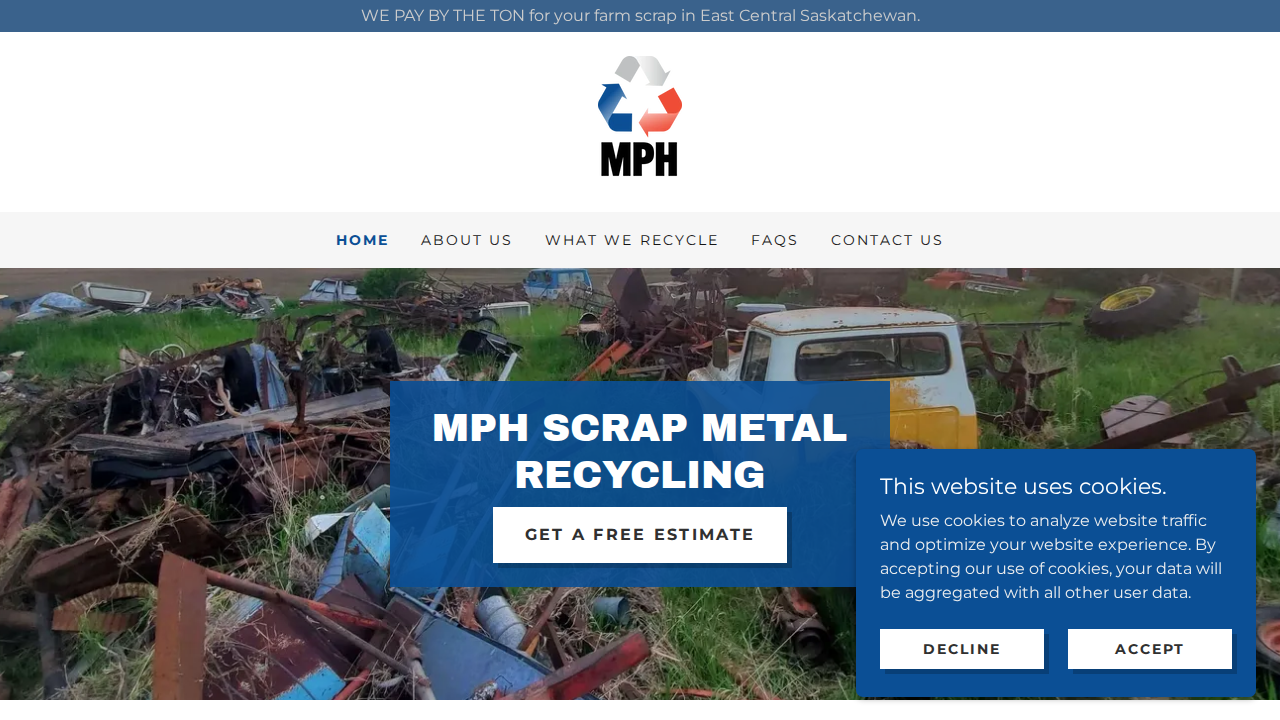
On 03/16/26 mphmetalrecycling.ca/ scored 38% — **Weak** – Overall, the site is easy to access, but a few key trust and clarity signals aren’t coming through consistently in AI-driven results.
Executive summary
Score Breakdown (High Level)
- Discoverability: 100% - Overall, the site's discoverability is in great shape with a clear sitemap and proper metadata, though it's missing specific sitemaps for visual content.
- Structured Data: 0% - We didn't find any schema markup or author info on the site, which is a bit of a bottleneck for how search engines and AI tools connect the dots on your business identity.
- AI Readiness: 50% - The site is generally ready for AI crawling with a clear sitemap and about page, though it's missing 'lastmod' dates and a Wikidata entity.
- Performance: 44% - Mobile performance generally landed outside the "poor" range, though we did see some responsiveness issues with total blocking time on the homepage.
- Reputation: 0% - We weren't able to find a social presence or verified third-party reviews, which makes it hard for generative engines to confirm the brand's reputation.
- LLM-Ready Content: 52% - The site establishes basic trust with clear authorship and current dates, but lacks the structural depth and keyword-aligned subheadings needed for optimal AI discovery.

Where things stand overall
The big picture is that the site has a workable foundation, but several core signals that help AI systems interpret and trust a brand aren’t showing up clearly. Most of what’s missing is less about “bad content” and more about how consistently your identity, credibility, and page meaning can be confirmed. The next section breaks down the specific areas where the report couldn’t find those signals, grouped by category. None of this is unusual, but it does explain why AI visibility may feel a bit inconsistent right now.
Detailed Report
Discoverability
❌ No image or video sitemap found
What we saw
We didn’t see an image sitemap or a video sitemap referenced in the available site data.
Why this matters for AI SEO
When visual content is easier to discover and interpret, it’s more likely to show up in search experiences that lean on images or video. Missing signals here can limit how fully AI systems understand and surface your visual assets.
Next step
Add and publish an image sitemap and/or video sitemap so your visual content is easier to find and index.
Structured Data
❌ No structured data detected on the homepage
What we saw
We didn’t find structured data markup in the homepage source.
Why this matters for AI SEO
Structured data helps AI systems interpret what your business is, what it offers, and how key details connect. Without it, AI tools often have to guess, which can reduce confidence and consistency.
Next step
Add structured data on the homepage that clearly describes the business and its key details.
❌ No organization-type structured data found
What we saw
We didn’t see organization-related structured data types on the homepage that explicitly define the business.
Why this matters for AI SEO
Clear business identity signals make it easier for AI systems to connect your site with your brand and confidently reuse the right details. When those signals are missing, brand understanding can be weaker or inconsistent.
Next step
Include organization-level structured data so the site clearly describes the business entity.
❌ Resource/blog page structured data couldn’t be evaluated
What we saw
A resource/blog page file wasn’t provided in the evaluation packet, so structured data on that page couldn’t be reviewed.
Why this matters for AI SEO
AI engines often pull context from informational content, and structured data can help that content be interpreted correctly. If it’s not present (or can’t be confirmed), AI visibility for content pages can be less reliable.
Next step
Provide a resource/blog page for review and ensure it includes appropriate structured data.
❌ Major structured data errors can’t be ruled out
What we saw
Because no structured data was detected on the site, the report couldn’t validate that markup is present and error-free.
Why this matters for AI SEO
When structured data is missing entirely, AI systems lose a high-confidence way to understand your pages. That can reduce how consistently your information is categorized and reused.
Next step
Implement structured data and validate it so it can be reliably interpreted.
❌ Blog post author clarity couldn’t be confirmed (structured data)
What we saw
A resource/blog post file wasn’t included for the structured data review, so a clear, non-generic author couldn’t be confirmed from that page.
Why this matters for AI SEO
Author information supports trust and helps AI systems understand who is behind the content. When author details aren’t clearly machine-readable, that trust signal can be weaker.
Next step
Ensure blog posts include clear author information that can be consistently identified.
❌ No author sameAs links detected (structured data)
What we saw
No author structured data or sameAs links were detected in the available resource/blog structured data review.
Why this matters for AI SEO
When AI systems can connect an author to consistent identity profiles, it can improve confidence in attribution and credibility. Missing connections can make the author harder to validate.
Next step
Add author identity links where appropriate so author attribution is easier to verify.
AI Readiness
❌ Sitemap updates aren’t clearly signaled
What we saw
The XML sitemap was found, but it didn’t include last-modified timestamps.
Why this matters for AI SEO
AI and search systems use update signals to understand what’s fresh and what may have changed. When update details aren’t clear, it can be harder for systems to prioritize the newest version of your information.
Next step
Add last-modified timestamps to the XML sitemap so updates are clearly communicated.
❌ No Wikidata entity found for the brand
What we saw
No Wikidata item ID was found for the brand.
Why this matters for AI SEO
Entity references can help AI systems distinguish your brand from similar names and tie details together more confidently. Without that anchor, brand verification can be less consistent.
Next step
Create or claim a Wikidata entity for the brand so it’s easier for AI systems to verify identity.
Performance
❌ Homepage responsiveness is lagging
What we saw
The homepage responsiveness came back as a fail due to elevated blocking time during loading.
Why this matters for AI SEO
When pages feel sluggish to interact with, it can reduce engagement and limit how effectively users (and some systems) access key content. A smoother experience supports clearer consumption and downstream trust.
Next step
Reduce blocking time on the homepage so the page responds more quickly during load.
Reputation
❌ Couldn’t confirm absence of negative client assertions
What we saw
The evaluation data didn’t include enough information to confirm whether negative client assertions are present or absent.
Why this matters for AI SEO
AI systems weigh trust signals when deciding how confidently to recommend or describe a brand. If sentiment signals can’t be verified, that confidence can be harder to earn.
Next step
Compile and surface verifiable client sentiment signals so brand trust is easier to assess.
❌ Couldn’t confirm absence of negative employee assertions
What we saw
The evaluation data didn’t include enough information to confirm whether negative employee assertions are present or absent.
Why this matters for AI SEO
Workplace sentiment can influence overall brand credibility signals in AI-driven summaries. When those signals are unclear, AI tools may be more cautious.
Next step
Gather verifiable signals that help clarify employee-related sentiment about the brand.
❌ Brand recognition couldn’t be confirmed
What we saw
The evaluation data didn’t include the information needed to confirm recognition across multiple AI models.
Why this matters for AI SEO
When a brand is consistently recognized, AI tools are more likely to return stable, accurate answers. If recognition can’t be established, visibility can be more limited or inconsistent.
Next step
Consolidate and publish offsite brand references that help improve recognizability.
❌ Brand identity consistency couldn’t be verified
What we saw
The evaluation packet didn’t provide enough identity-consensus data to confirm that core brand details are consistent.
Why this matters for AI SEO
AI tools rely on consistent identity cues to avoid mixing brands or returning the wrong details. When identity signals can’t be confirmed, trust and accuracy can take a hit.
Next step
Ensure the brand’s core identity details are consistently represented across key sources.
❌ No matching Wikidata entity confirmed in reputation signals
What we saw
The reputation evaluation did not find a Wikidata match status indicating a confirmed brand entity.
Why this matters for AI SEO
Entity matching helps AI systems connect your site to a distinct, verified brand profile. Without it, brand references can be harder to unify.
Next step
Create or align a Wikidata entity so external references can connect back to the correct brand.
❌ Official identity anchors couldn’t be confirmed (Wikidata)
What we saw
The evaluation data didn’t include enough information to confirm official identity anchors associated with a Wikidata entity.
Why this matters for AI SEO
Official anchors help AI systems verify that the entity is real and correctly associated with your brand. Without them, the brand can be harder to validate.
Next step
Add official identity anchors to a verified brand entity so it’s easier to trust and match.
❌ Third-party reviews couldn’t be confirmed
What we saw
The evaluation packet didn’t include enough information to confirm whether third-party reviews or customer feedback exist.
Why this matters for AI SEO
Independent feedback is a common credibility input for AI summaries and recommendations. When reviews can’t be validated, brand trust signals tend to look thinner.
Next step
Make sure third-party customer feedback sources are easy to find and consistently associated with the brand.
❌ Concrete review sources couldn’t be confirmed
What we saw
The evaluation data didn’t include details that clearly point to specific, concrete review sources.
Why this matters for AI SEO
AI systems are more likely to trust reputation claims when they can be tied to identifiable sources. Vague or unconfirmed sources weaken credibility.
Next step
Connect brand review signals to clear, identifiable sources that can be referenced consistently.
❌ Major social profiles couldn’t be confirmed by consensus
What we saw
The evaluation packet didn’t include enough information to confirm a consistent set of major social profiles associated with the brand.
Why this matters for AI SEO
Recognized social profiles help AI tools validate that a brand is established and real. When that footprint is unclear, AI answers can be less confident.
Next step
Ensure the brand’s major social profiles are clearly identifiable and consistently referenced.
❌ No major social profile links found on the homepage
What we saw
We didn’t find links from the homepage to major social platforms in the HTML.
Why this matters for AI SEO
Homepage-linked profiles are a straightforward trust cue that helps AI systems connect your site to real-world brand presences. Without them, the brand’s footprint looks smaller.
Next step
Add clear homepage links to the brand’s major social profiles.
❌ Independent press or coverage couldn’t be confirmed
What we saw
The evaluation data didn’t include enough information to confirm independent offsite press or coverage.
Why this matters for AI SEO
Independent mentions can act as third-party validation that strengthens brand credibility in AI summaries. If those signals aren’t visible, authority is harder to establish.
Next step
Collect and reference independent coverage sources that can be consistently tied back to the brand.
❌ Owned press or press releases couldn’t be confirmed
What we saw
The evaluation packet didn’t include enough information to confirm onsite press or press releases.
Why this matters for AI SEO
A clear, verifiable brand story helps AI systems understand what’s notable and current about the business. When that’s missing or unclear, AI narratives can be thin.
Next step
Publish and maintain a clear, findable area for brand announcements and updates.
LLM-Ready Content (Blog Analysis)
Heads up: this section looks at one article as a snapshot, so it’s a little more interpretive than the rest of the report and may shift slightly from run to run. Have questions? Just shoot us an email at hello@v9digital.com
❌ Content sections feel too fragmentary
What we saw
The content sections averaged around 115 words, which indicates the page may be broken into chunks that are a bit too short for some AI parsers.
Why this matters for AI SEO
AI systems tend to reuse content more confidently when each section is a complete, self-contained thought. If sections are too thin, the page can be harder to summarize accurately.
Next step
Rework sections so each one reads like a complete mini-answer, not a partial thought.
❌ No table found for quick data extraction
What we saw
No HTML table element was detected on the page.
Why this matters for AI SEO
Tables are an easy-to-lift format for AI systems when they’re trying to extract structured facts. Without them, key details may be harder to pull cleanly.
Next step
Add a simple table where it naturally fits to summarize key details.
❌ Subheadings aren’t consistently descriptive
What we saw
Fewer than half of subheadings aligned closely with the first sentence of their section, which made some sections feel less clearly labeled.
Why this matters for AI SEO
Subheadings act like signposts for AI systems scanning for answers. If headings don’t clearly match the content that follows, the page can be harder to interpret and reuse.
Next step
Update subheadings so they clearly reflect what the section is actually saying.
❌ Key answers don’t show up early enough
What we saw
Only a minority of sections began with a substantial opening paragraph, which means the page often delays the “main point” of each section.
Why this matters for AI SEO
AI systems frequently look for quick, direct answers near the start of a section. When openings are too brief, the model may miss or downplay the most important information.
Next step
Rewrite section openings so the first paragraph delivers a clear, usable answer right away.
Does Anything Seem Off?
Thanks for taking our free GEO Grader for a spin. When we started this journey, the tool had a fairly long processing time to check everything we wanted both onsite and offsite, so we made a few adjustments on the backend to speed things up. As a result, there are times when the grader may not get everything 100% right. If something feels off, we recommend running the tool a second time to confirm the results. From there, you’re always welcome to reach out to us to schedule a GEO consultation, or to have your SEO provider validate the findings with a more detailed crawl and manual review.
