
Overview:
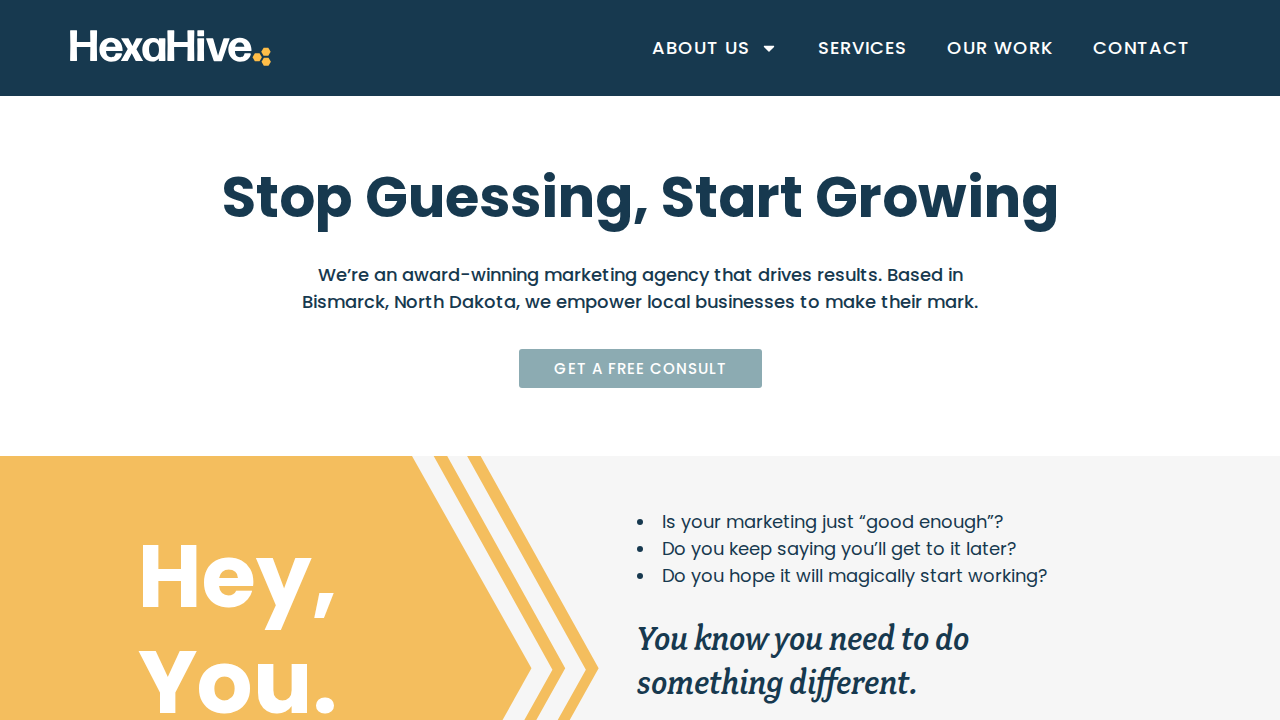
On 01/15/26 hexahive.co scored 41% — **Below Average** – Overall, the site feels easy to discover, but a few key signals around brand clarity and content credibility aren’t showing up consistently yet
Executive summary
Score Breakdown (High Level)
- Discoverability: 92% - Discovery basics look strong here, with all the core signals present except for image or video sitemaps.
- Structured Data: 17% - We found schema on the homepage, but there was no organization schema and nothing on the resource or blog page, so several key areas were missed.
- AI Readiness: 67% - Everything looks pretty solid here with sitemaps, homepage links, and crawl access, but we couldn’t find a Wikidata entry for this brand.
- Performance: 67% - Mobile performance on the homepage was in good shape across all measured metrics, with no poor results or red flags in the data we reviewed.
- Reputation: 31% - We didn’t find a Wikidata match, independent press, or consistent identity anchors, and offsite reviews and social profile consensus were also missing.
- LLM-Ready Content: 0% - We didn't see any of the basic LLM-readiness signals like schema, author, date, headings, or outbound links on the resource page.

The main takeaway at a glance
The big picture is that your foundational visibility signals look mostly in place, but the site isn’t consistently communicating “who you are” and “who wrote what” in a way AI systems can easily confirm. A lot of the gaps are less about something being wrong and more about missing clarity signals around brand identity, reputation, and resource content details. The next section breaks down the specific areas that didn’t show up so you can see exactly what’s being missed and where. None of this is unusual, but getting these signals to show up consistently tends to make AI-driven visibility feel much more stable.
Detailed Report
❌ No image or video sitemap was found
What we saw
We were able to find an XML sitemap, but we didn’t see any separate sitemap specifically for images or videos. That suggests rich media content may not be getting the same level of discovery support.
Why this matters for AI SEO
When AI systems look for content to reference, they benefit from clear, complete signals about what content exists across the site. Missing rich media discovery signals can reduce how easily non-text assets are found and understood.
Next step
Add a dedicated sitemap for images and/or videos if those content types are part of your site experience.
❌ Organization-type schema wasn’t found on the homepage
What we saw
We found schema markup on the homepage, but none of it clearly describes the brand as an organization type. In other words, the page includes structured descriptions, but not the kind that directly identifies who the business is.
Why this matters for AI SEO
Generative engines rely on consistent identity signals to understand “who” a site represents. If that identity is vague, it can weaken confidence when summarizing or attributing information to your brand.
Next step
Make sure the homepage includes structured information that clearly defines the business as an organization.
❌ Structured data wasn’t found on the resource/blog page
What we saw
We weren’t able to find usable HTML content for the resource/blog page in this evaluation, so no schema markup could be confirmed there. As a result, the resource section didn’t show the same structured signals as the homepage.
Why this matters for AI SEO
Content pages are often where AI systems pull summaries, citations, and explanations from. Without clear structured signals on those pages, the content can be harder to interpret and attribute.
Next step
Ensure your resource/blog pages reliably include structured signals that describe the content and how it should be interpreted.
❌ The resource/blog page couldn’t be validated for major structured data issues
What we saw
Because no schema markup was detected on the resource/blog page (and the page content wasn’t available to evaluate), we couldn’t confirm that structured data is present and clean there. This effectively leaves those pages without validated structured context.
Why this matters for AI SEO
AI systems tend to trust and reuse content more when it comes with consistent, well-formed context signals. If that context is missing on key content pages, it can reduce how confidently the content is reused.
Next step
Make sure resource/blog pages include structured context that can be consistently detected.
❌ A clear, non-generic author wasn’t identified on the resource/blog page
What we saw
We couldn’t identify an author on the resource/blog page because the page content wasn’t available to evaluate. That means the content isn’t currently showing clear ownership or attribution signals in this check.
Why this matters for AI SEO
Attribution helps AI engines judge credibility and properly associate content with a real person or team. When authorship isn’t clear, the content can feel less “grounded” and harder to trust.
Next step
Make sure each resource/blog post clearly shows who wrote it.
❌ Author identity signals (like profile references) weren’t found in structured form
What we saw
Since we didn’t detect author schema on the resource/blog page, we also didn’t see any structured author identity references. This leaves author verification signals incomplete.
Why this matters for AI SEO
When author identity is connected to consistent external references, it’s easier for AI systems to treat that person as a credible source. Without those connections, attribution can be weaker.
Next step
Support author attribution with structured author identity details that point to consistent external profiles.
❌ Sitemap update dates weren’t confirmed
What we saw
We found the XML sitemap, but we couldn’t confirm that it includes update date information for the URLs inside it. This makes it less clear which pages are current versus older.
Why this matters for AI SEO
Generative engines work better when they can quickly tell what’s fresh and what may be outdated. If recency isn’t clear, newer updates may be slower to be recognized.
Next step
Include page-level update date information in the sitemap so content freshness is clearer.
❌ No Wikidata entity was found for the brand
What we saw
We didn’t see a Wikidata entry connected to the brand during this evaluation. That means there isn’t a widely-recognized public entity record helping confirm brand identity.
Why this matters for AI SEO
AI systems often use public entity references to disambiguate brands and confirm “who’s who.” Without that, broader recognition and consistency can be harder to maintain.
Next step
Establish a clear public entity record for the brand that AI systems can consistently recognize.
❌ Brand identity details appeared missing or inconsistent
What we saw
The brand’s core identity fields (like name and address) didn’t come through consistently across the information available in this evaluation. Some fields looked missing, and others didn’t match cleanly.
Why this matters for AI SEO
Generative engines lean on consistent identity signals to trust what they’re saying about a brand. When core details vary or are incomplete, it can lead to uncertainty in brand summaries.
Next step
Align your brand’s core identity details so they appear consistently wherever the brand is referenced.
❌ A matching Wikidata entity could not be confirmed
What we saw
We didn’t find a Wikidata entity that reliably matches the brand. This leaves a gap in external, standardized identity confirmation.
Why this matters for AI SEO
When a brand can be tied to a clear external entity record, AI systems have an easier time connecting mentions and details across sources. Without it, recognition can be more fragmented.
Next step
Create or connect a Wikidata entry that clearly maps to the brand’s official identity.
❌ Official identity anchors in Wikidata weren’t found
What we saw
We didn’t see signs that Wikidata includes key identity anchors for the brand, like an official website reference or other identifiers. That leaves external entity confirmation thin.
Why this matters for AI SEO
Identity anchors help AI systems verify they’re talking about the right entity and connect your brand to trusted references. Without those anchors, entity confidence is harder to build.
Next step
Ensure the brand’s external entity references include clear official identity anchors.
❌ Third-party reviews or customer feedback weren’t consistently confirmed
What we saw
We didn’t see reliable confirmation of third-party reviews or customer feedback in the available signals for this evaluation. The results didn’t show a clear, consistent footprint.
Why this matters for AI SEO
Independent feedback helps AI systems gauge real-world trust and credibility. When that evidence is unclear, the brand can look less established in summaries.
Next step
Build a clearer presence of third-party feedback that can be easily recognized as independent.
❌ Concrete review sources weren’t identified
What we saw
Even where reviews may exist, we didn’t see clear, named sources that could be pointed to confidently. That makes the review footprint feel vague.
Why this matters for AI SEO
AI engines tend to treat named, verifiable sources as stronger evidence than general claims. Without identifiable sources, trust signals can be weaker.
Next step
Make sure reviews are associated with recognizable, third-party sources that can be referenced clearly.
❌ Major social profiles weren’t consistently confirmed across sources
What we saw
Although the homepage links to major social profiles, we didn’t see consistent confirmation of those profiles across the broader signals evaluated. That can make it harder to “lock in” which profiles are official.
Why this matters for AI SEO
Consistent social identity signals help AI systems verify brand presence and reduce confusion with similarly named entities. Without consensus, attribution and trust can be shakier.
Next step
Strengthen the consistency of your official social identity signals so they’re easier to confirm.
❌ Independent press or offsite coverage wasn’t found
What we saw
We didn’t see evidence of independent coverage or third-party mentions that clearly validate the brand externally. This makes the offsite footprint feel limited.
Why this matters for AI SEO
Independent mentions can act as outside validation that helps AI systems trust and contextualize a brand. When those mentions are missing, the brand can be harder to corroborate.
Next step
Increase the brand’s presence in independent third-party coverage so it’s easier to verify.
❌ Schema markup wasn’t found on the resource page
What we saw
We couldn’t find schema markup on the resource page during this evaluation. The resource HTML didn’t provide the expected structured signals.
Why this matters for AI SEO
AI systems interpret content more reliably when pages provide explicit context about what the page is and who it’s for. Without that context, content can be harder to classify and summarize.
Next step
Ensure resource pages include structured signals that describe the content clearly.
❌ An identifiable author wasn’t found on the resource page
What we saw
We didn’t see a non-generic author associated with the resource content. From what we could evaluate, the page doesn’t clearly communicate who created it.
Why this matters for AI SEO
Clear authorship makes it easier for AI engines to assess credibility and attribute insights correctly. Without it, content can feel less trustworthy or harder to cite.
Next step
Add clear author attribution to resource content so ownership is obvious.
❌ No publish or update date was found on the resource page
What we saw
We didn’t see a publish date or an updated date in the resource content. That makes it unclear how current the information is.
Why this matters for AI SEO
Generative engines weigh freshness when choosing what to surface. If recency isn’t visible, content may be treated as less reliable for time-sensitive topics.
Next step
Make sure each resource piece clearly displays when it was published or last updated.
❌ Content freshness couldn’t be confirmed for the resource page
What we saw
Because no updated/modified date was visible, we couldn’t confirm whether the resource content has been refreshed recently. This leaves content timeliness uncertain.
Why this matters for AI SEO
AI systems prefer content that clearly signals it’s maintained. When freshness is unknown, the content may be less likely to be referenced for current guidance.
Next step
Use clear on-page signals that show when content was last refreshed.
❌ No qualifying outbound link was found in the resource content
What we saw
We didn’t see any qualifying external link on the resource page. The content appears to stand alone without pointing to outside references.
Why this matters for AI SEO
Outbound references can help AI systems understand what sources or context the content is grounded in. Without them, it’s harder to establish corroboration.
Next step
Include at least one relevant external reference where it genuinely supports the content.
❌ No question-based subheadings were found
What we saw
We didn’t see any subheadings in the form of clear questions, and there were no visible section headings to evaluate. That makes the page’s scanning structure unclear.
Why this matters for AI SEO
AI systems often extract direct answers to specific questions. When the page structure doesn’t reflect questions people ask, it can be harder to match the content to conversational queries.
Next step
Structure resource content with clear question-style subheadings where they naturally fit.
❌ Subheadings weren’t descriptive or scannable
What we saw
We didn’t find usable section headings (like typical subheadings) on the resource content in this evaluation. That makes it hard to understand the page’s main points at a glance.
Why this matters for AI SEO
Descriptive section titles help AI systems break content into meaningful chunks and summarize it accurately. Without that structure, key ideas can be harder to extract.
Next step
Use clear, descriptive subheadings that label what each section covers.
❌ Section sizing couldn’t be evaluated due to missing section structure
What we saw
Because there were no detectable section headings, we couldn’t evaluate section sizing or how the content is segmented. The page doesn’t present clear, comparable sections.
Why this matters for AI SEO
When content is chunked into consistent sections, it’s easier for AI systems to extract and reuse the right snippet. Without sections, the content can be harder to parse cleanly.
Next step
Break resource content into clear sections so it’s easier to interpret and reuse.
❌ Section structure wasn’t consistent because sections weren’t present
What we saw
We didn’t see enough section headings to compare structure across the page. As a result, the content didn’t show a consistent section pattern.
Why this matters for AI SEO
Consistent structure makes it easier for AI systems to predict where key information lives and summarize it reliably. If structure isn’t clear, extraction becomes less dependable.
Next step
Use a repeatable section format across resource content so important information is easier to find.
❌ Key answers didn’t appear early in sections (because sections weren’t detectable)
What we saw
Since we didn’t detect section headings, we also couldn’t confirm that key answers appear early within each section. The page structure didn’t provide clear “answer-first” segments.
Why this matters for AI SEO
Generative engines often look for concise, early signals that explain the point quickly. If that pattern isn’t present, the system may have a harder time pulling the best snippet.
Next step
Format resource sections so the main takeaway is clear near the start of each section.
❌ No clear target audience or intent signal was found
What we saw
We didn’t find language that clearly signals who the content is for or what intent it serves. That leaves the page’s purpose more open to interpretation.
Why this matters for AI SEO
AI systems summarize content more accurately when the intended audience and use-case are explicit. If that context is missing, summaries can be less precise.
Next step
Make the intended reader and purpose of the resource content explicit within the page.
❌ No table was found in the resource content
What we saw
We didn’t see a table element in the resource content. That means the page may be missing a structured “at-a-glance” format for key information.
Why this matters for AI SEO
Structured formats can make it easier for AI systems to extract and compare information accurately. Without them, key details can be harder to pull cleanly.
Next step
Add a simple structured section (like a table) when it genuinely helps summarize important information.
Does Anything Seem Off?
Thanks for taking our free GEO Grader for a spin. When we started this journey, the tool had a fairly long processing time to check everything we wanted both onsite and offsite, so we made a few adjustments on the backend to speed things up. As a result, there are times when the grader may not get everything 100% right. If something feels off, we recommend running the tool a second time to confirm the results. From there, you’re always welcome to reach out to us to schedule a GEO consultation, or to have your SEO provider validate the findings with a more detailed crawl and manual review.
